
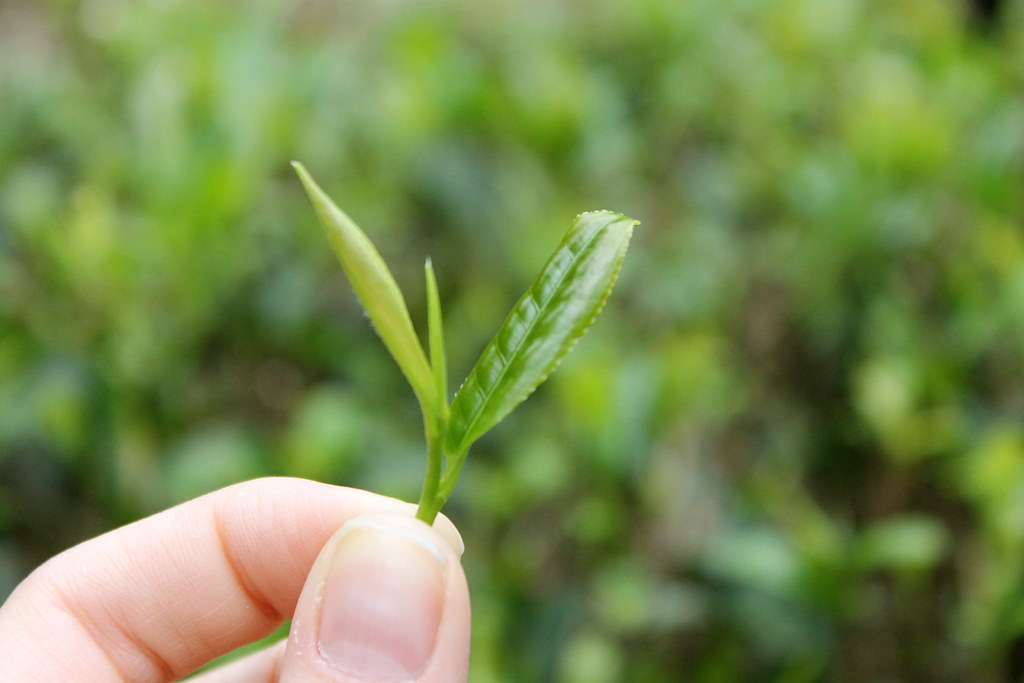
 India
India
Fragrant black tea from the Himalayan foothills; known as the champagne of teas.
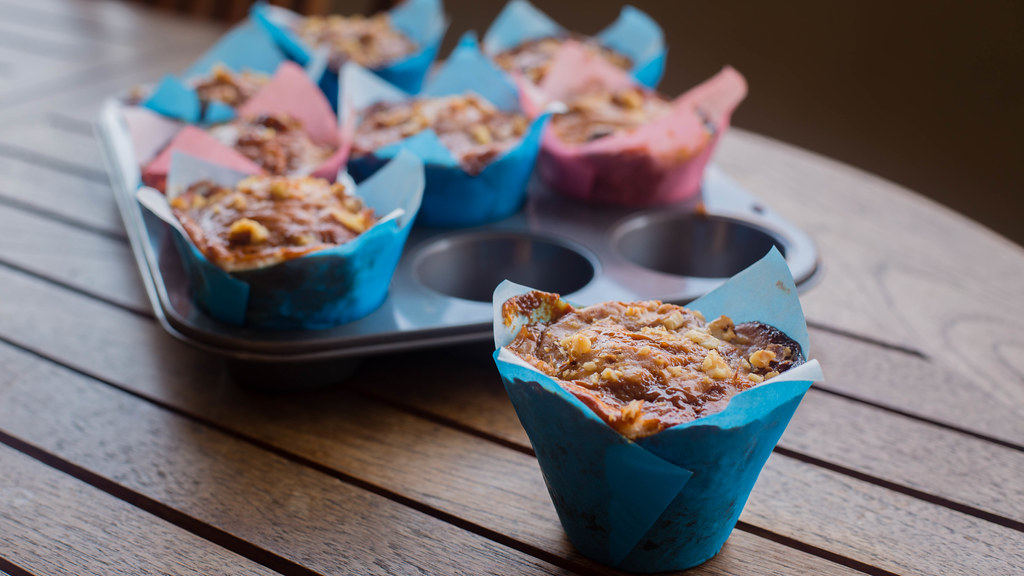 Argentina
Caramel-like milk spread for pancakes, cakes, toast and ice cream.
 Italy
Italy
Bright lemon liqueur from southern Italy, usually served chilled after dinner.
 United States
American-style barbecue sauce with smoky-sweet flavour.
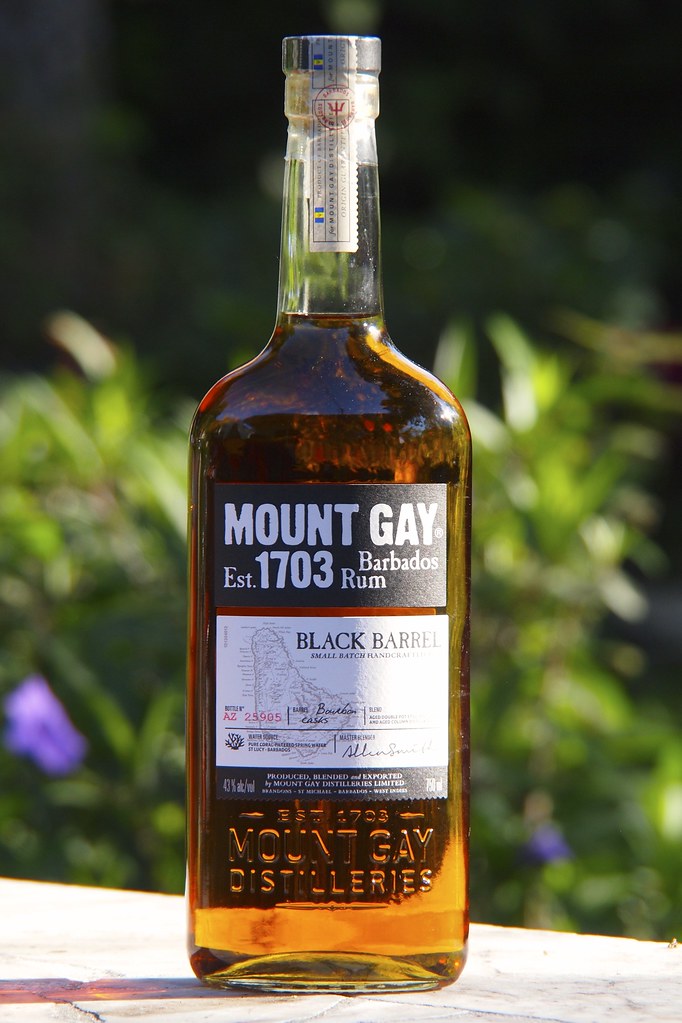 Barbados
Well-known Barbadian rum brand and popular holiday gift.
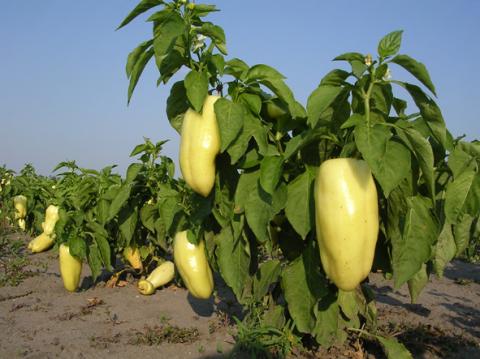 Hungary
Sweet or hot Hungarian paprika for stews, goulash and marinades.
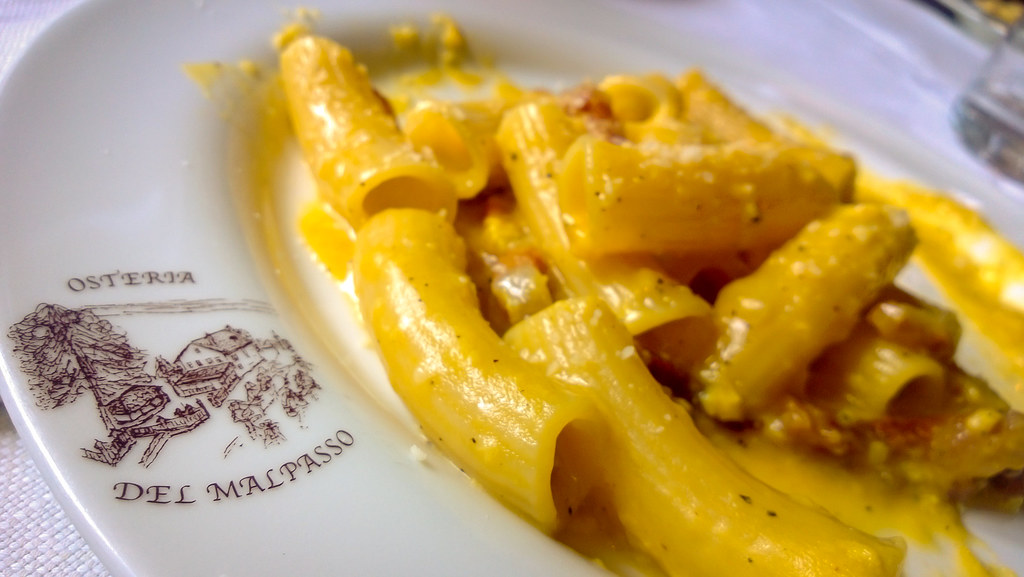 Italy
Italy
Hard aged cheese with nutty, savoury flavour; ideal for pasta, risotto and snacking.
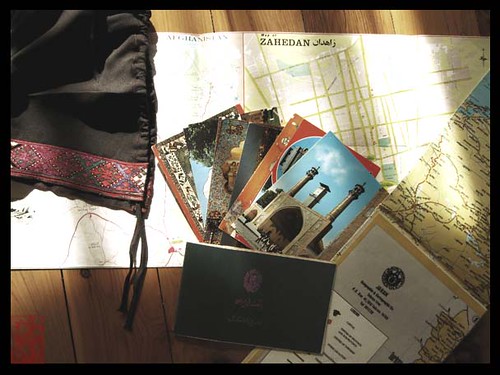 Bhutan
Small decorative prayer wheel inspired by Bhutanese Buddhist culture.
Rose-flavoured syrup used for milk drinks, desserts and summer coolers.
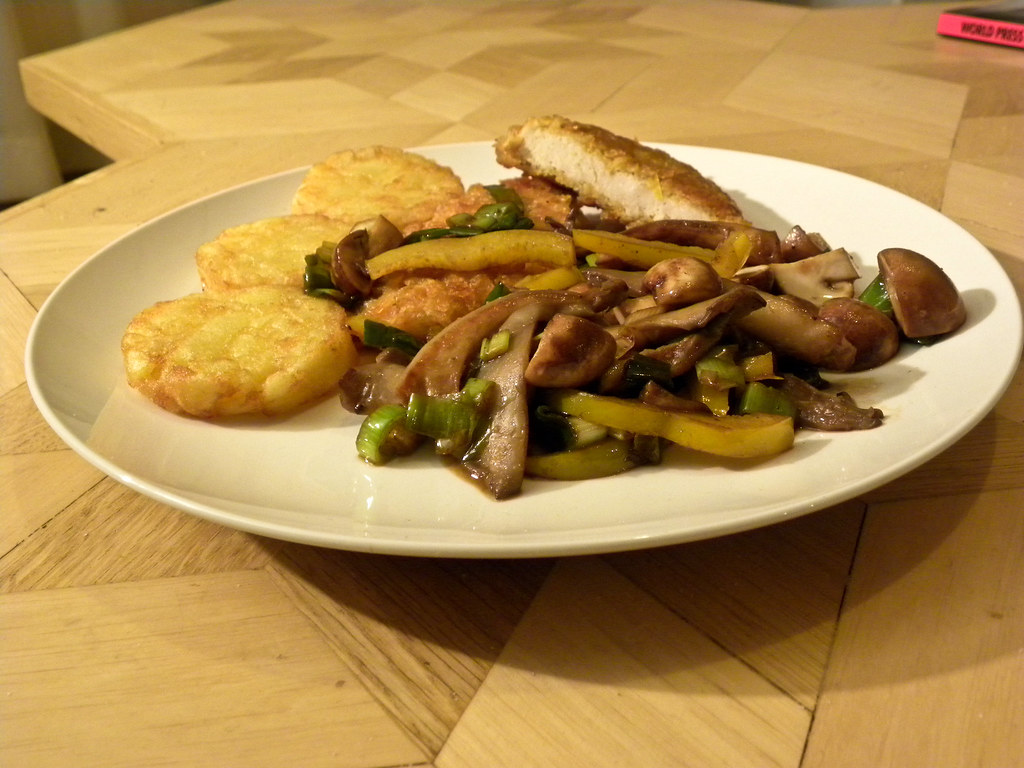 Switzerland
Convenient potato rösti packs for a Swiss-style breakfast or side dish.
Plum brandy from Serbia and the Balkans.
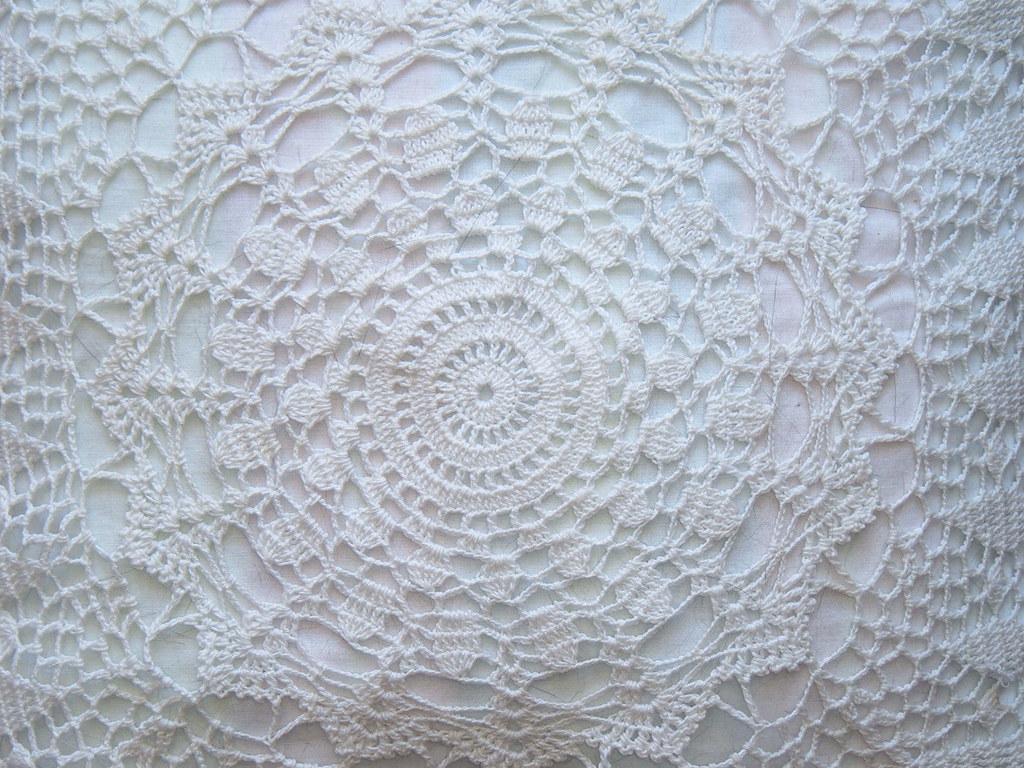 Uzbekistan
Embroidered textile cover with bold Central Asian motifs.
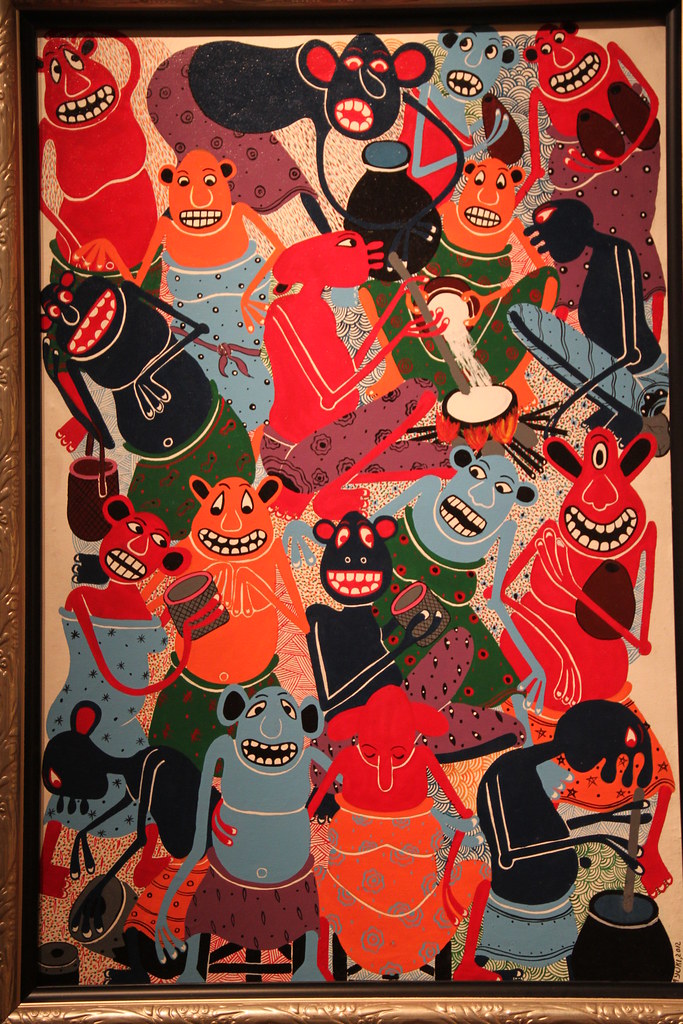 Tanzania
Colourful East African painting style featuring animals and bold patterns.
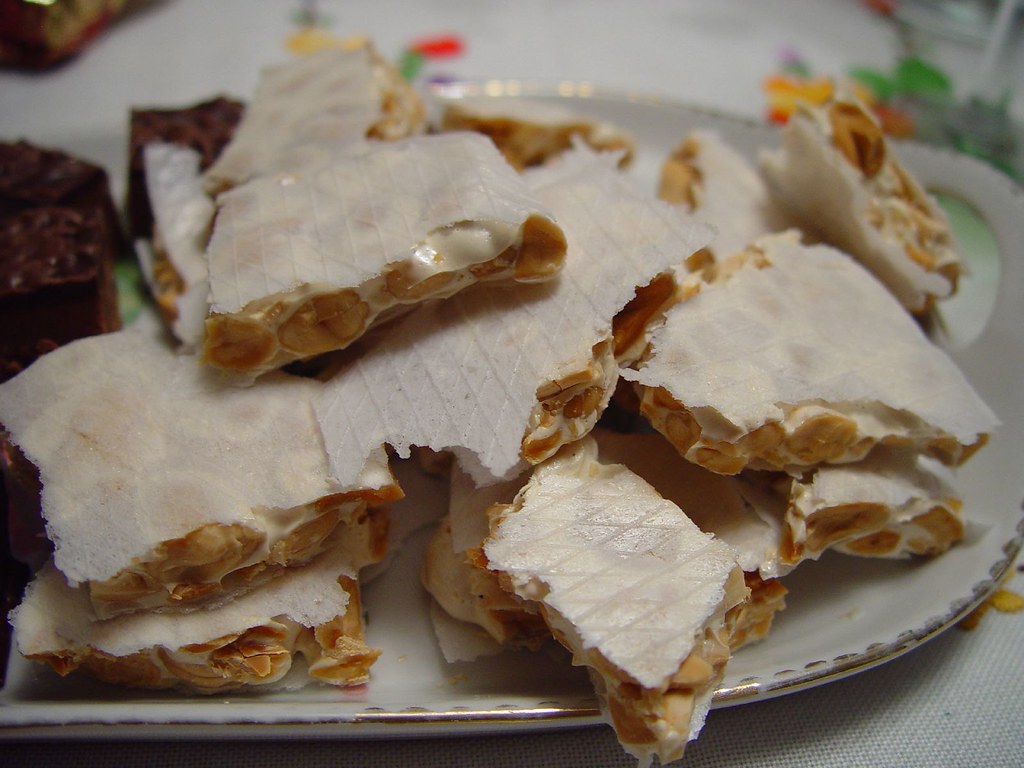 Spain
Spain
Traditional hard almond nougat eaten especially around Christmas.
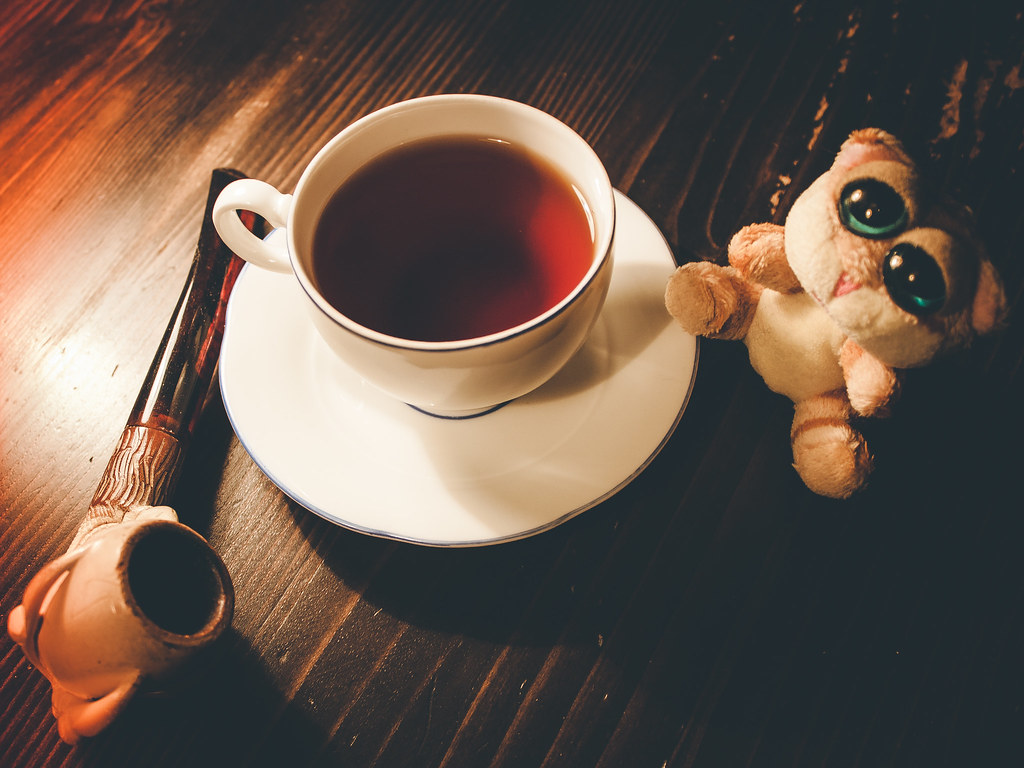 Seychelles
Black tea scented with vanilla, a common island gift.
 Belgium
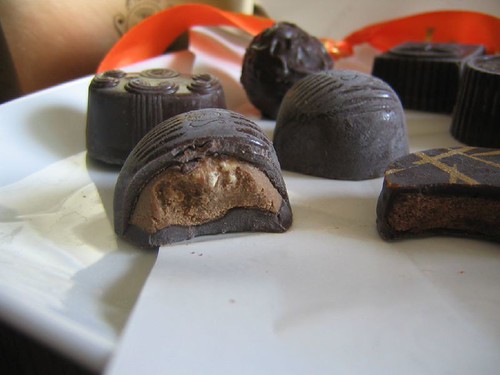
I would put Belgian pralines on the list for Belgium because it is the kind of thing that feels useful once you are home, not just another airport purchase. Look for a boxed version with a decent date on it, especially if you are buying it near the start of the trip rather than at the airport. The reason it works is that it gives you a quick reminder of the trip without needing to keep a fragile ornament safe forever.
 Mozambique
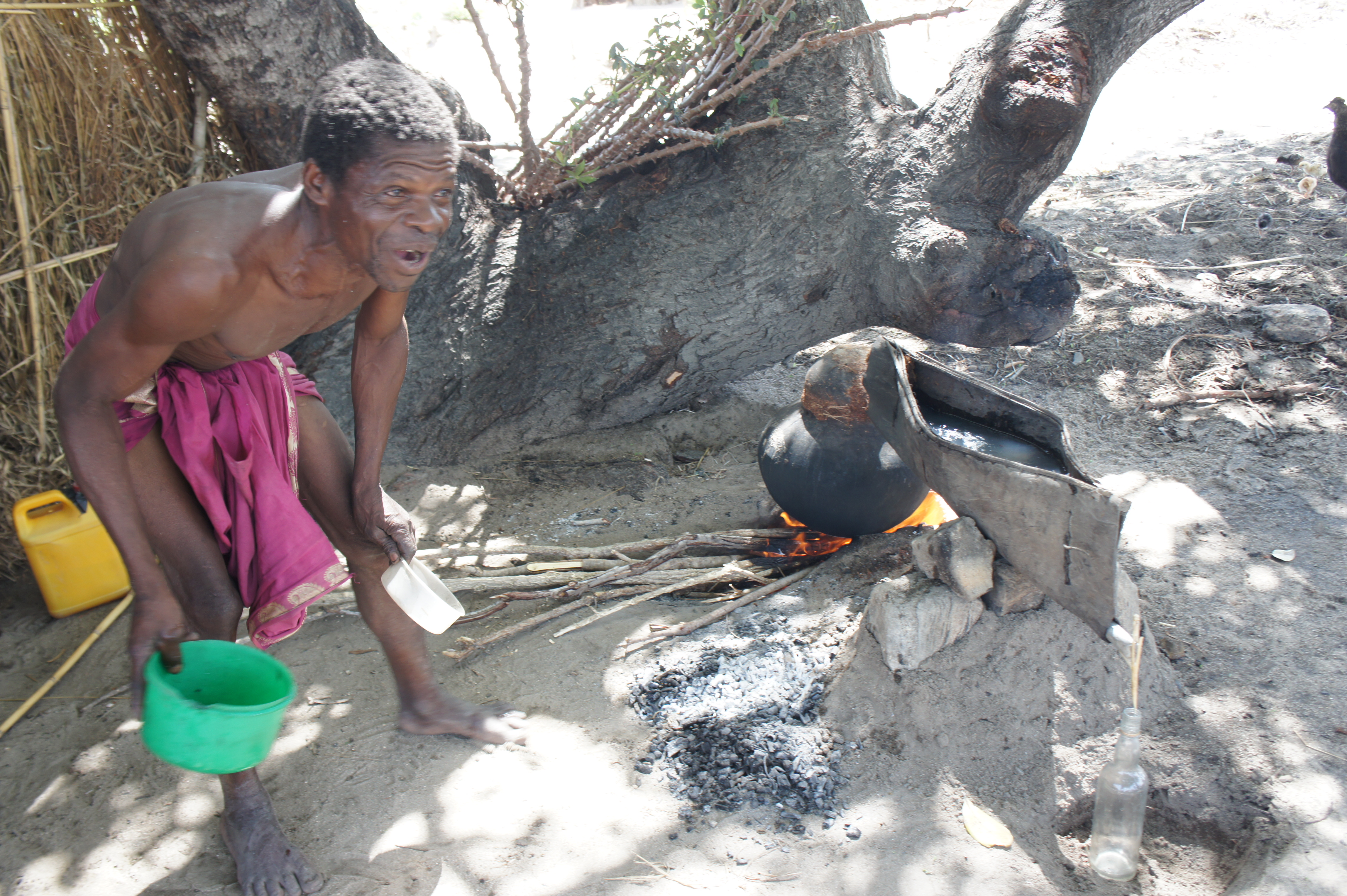
Roasted cashews from a major cashew-growing region.
 Denmark
Tin-packed vanilla butter biscuits, easy to bring back and share.
 Libya
Libya
Sweet date paste used in North African sweets and baking.
 Guyana
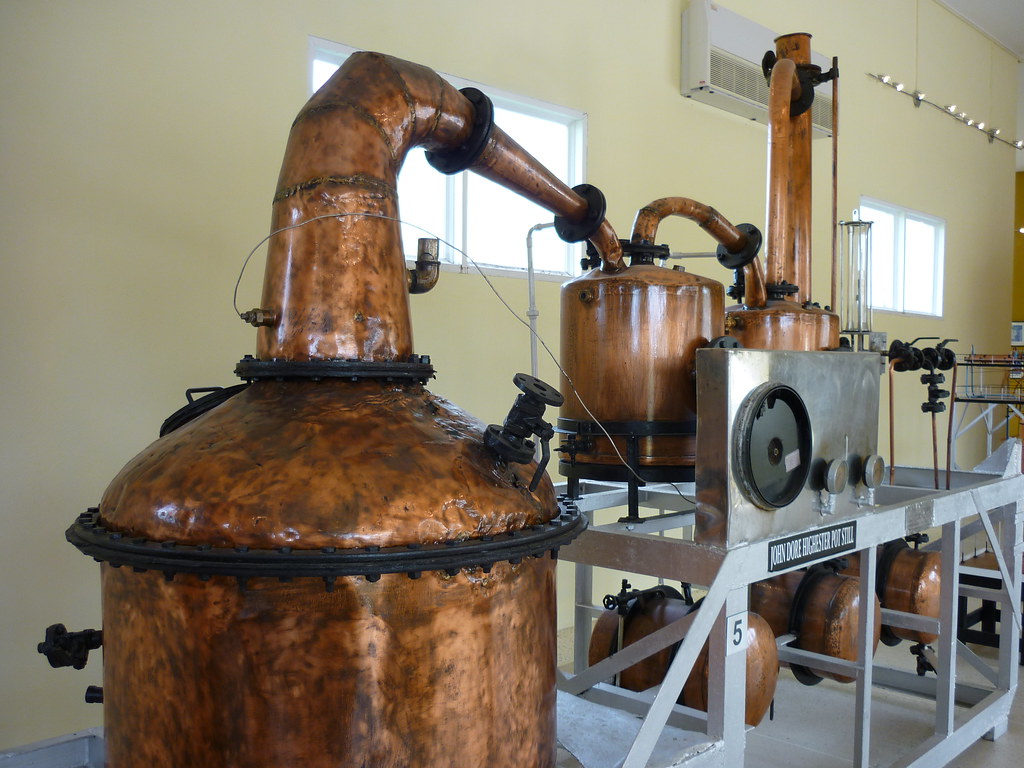
Rich rum from Guyana, associated with Demerara sugar estates.
 Ethiopia
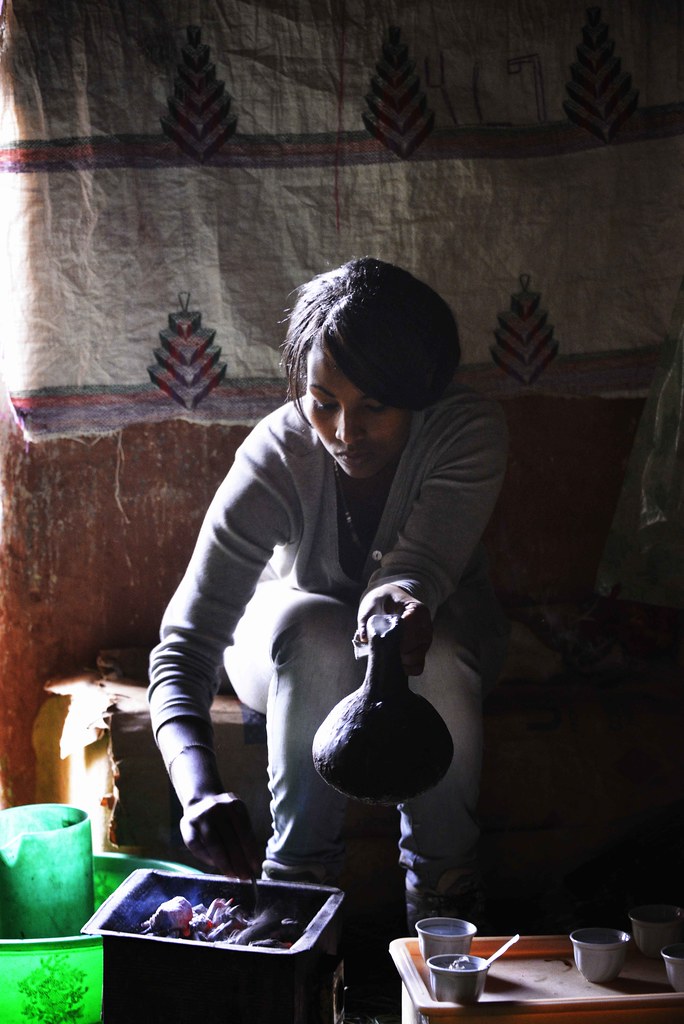
I would put Ethiopian coffee beans on the list for Ethiopia because it is the kind of thing that feels useful once you are home, not just another airport purchase. It is a good one because people can try it slowly at home, and it makes a nicer gift than a mug with a place name printed on it. The reason it works is that it gives you a quick reminder of the trip without needing to keep a fragile ornament safe forever.
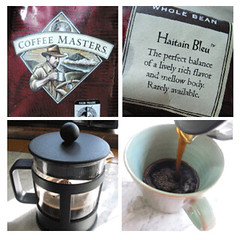 Haiti
Haiti
Coffee from Haiti, historically important and still grown in mountain areas.
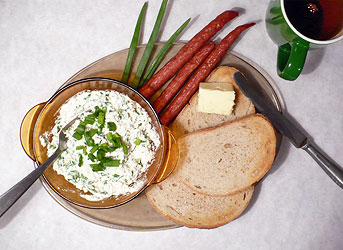 Poland
Thin smoked Polish sausage sticks, commonly sold as snacks.
 Cambodia
I would put Kampot pepper on the list for Cambodia because it is the kind of thing that feels useful once you are home, not just another airport purchase. The best version is usually the sealed jar, tin or packet from a normal supermarket, spice stall or food hall, not the most expensive tourist version. The reason it works is that it gives you a quick reminder of the trip without needing to keep a fragile ornament safe forever.
 Malta
Malta
Traditional village-festa nougat, often packed with nuts.
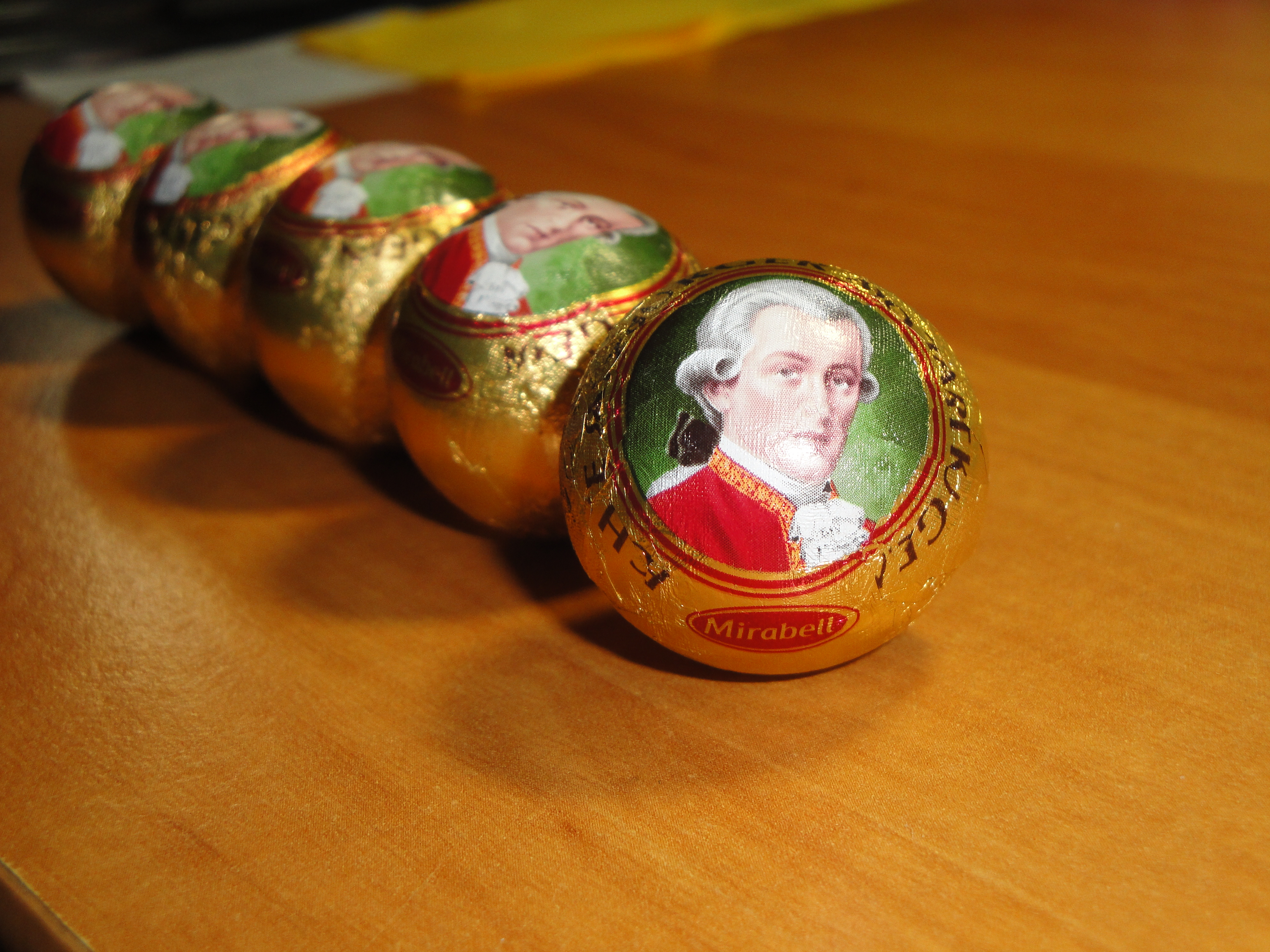 Austria
Chocolate balls filled with pistachio marzipan and nougat, associated with Salzburg.
 Qatar
Qatar
Fragrant agarwood chips used for incense in Gulf homes.
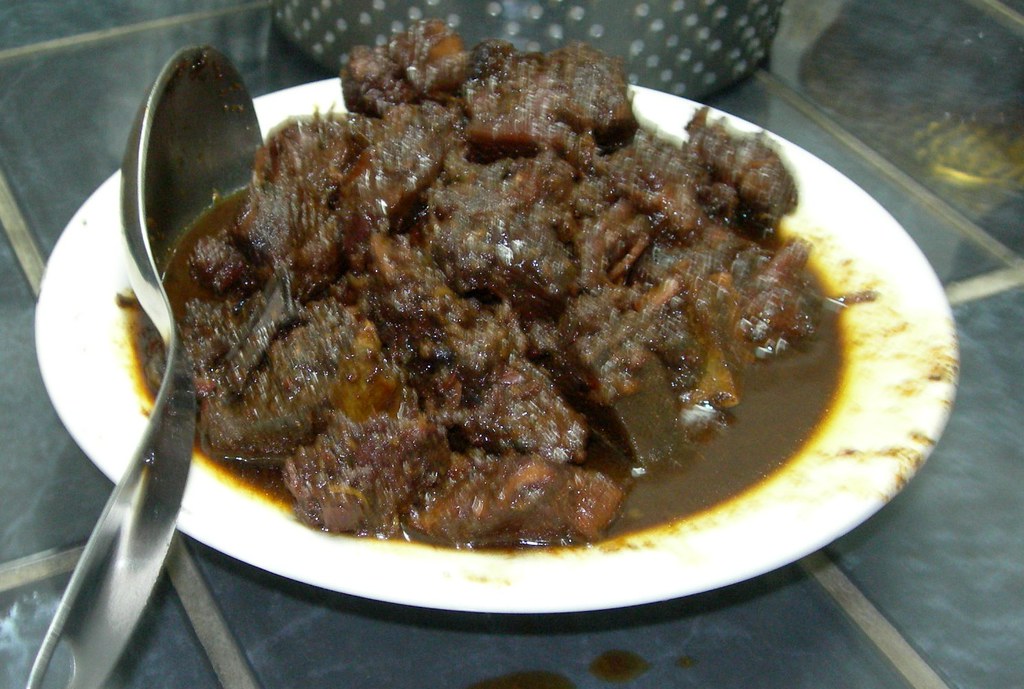 Guyana
Spice mix or cassareep-style seasoning for Guyanese pepperpot.
 Iran
Iran
I would put Persian saffron on the list for Iran because it is the kind of thing that feels useful once you are home, not just another airport purchase. The best version is usually the sealed jar, tin or packet from a normal supermarket, spice stall or food hall, not the most expensive tourist version. The reason it works is that it gives you a quick reminder of the trip without needing to keep a fragile ornament safe forever.
 Slovenia
Traditional sea salt from the Slovenian coast.
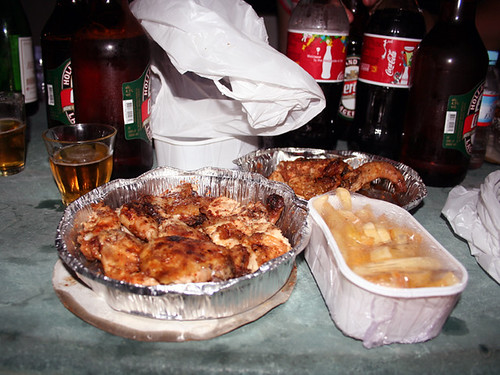 Portugal
Hot chilli sauce associated with Portuguese cooking and grilled chicken.
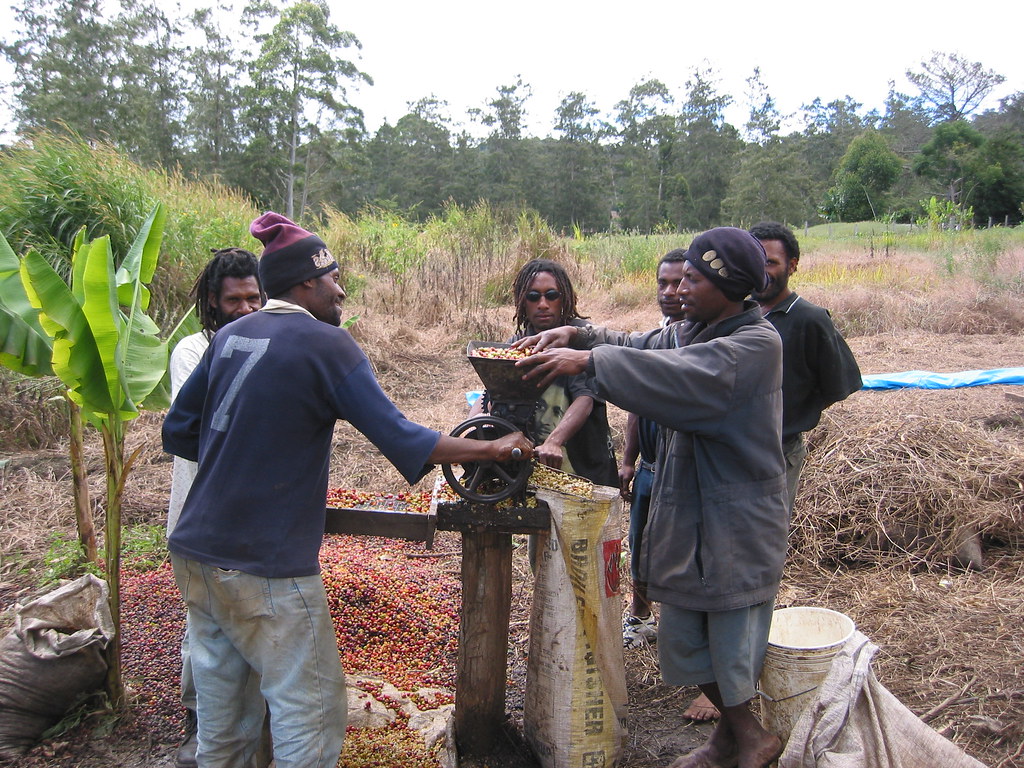 Papua New Guinea
Coffee beans from Papua New Guinea, often sweet and earthy.
 Nepal
Nepal
Colourful Tibetan-style prayer flags commonly bought in Nepal.
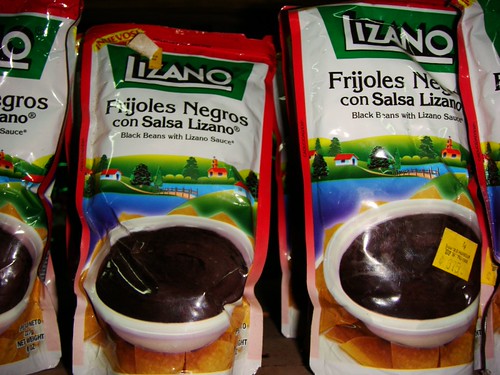 Costa Rica
Tangy brown sauce used on gallo pinto, eggs and grilled foods.
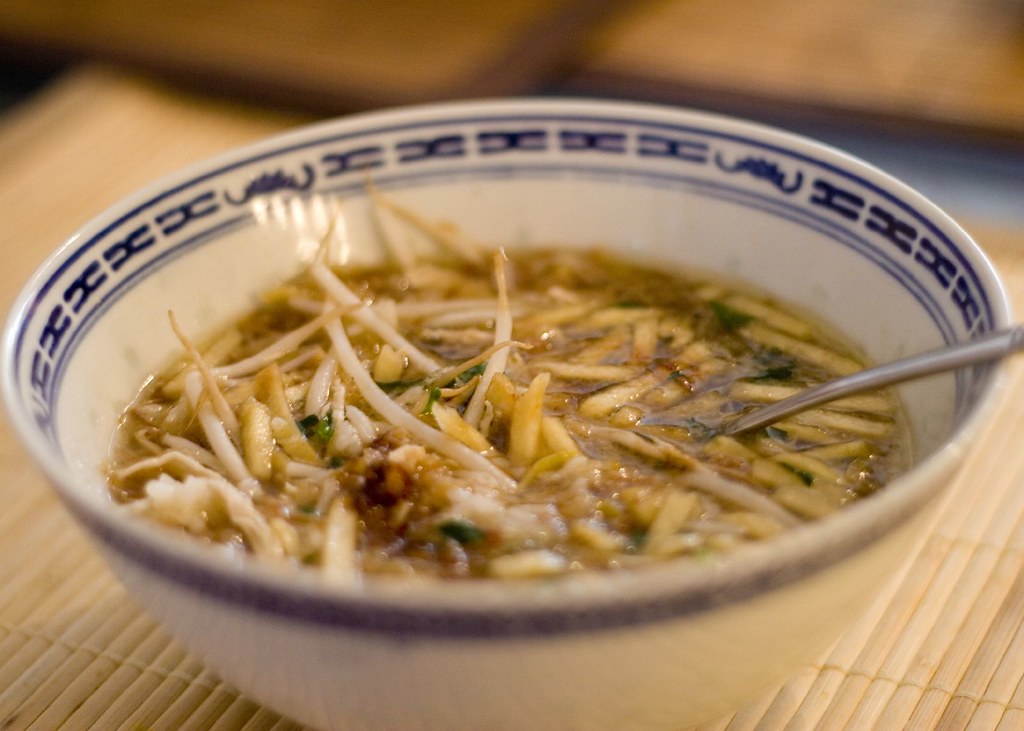 Suriname
Chilli condiment influenced by Javanese and Caribbean food traditions.
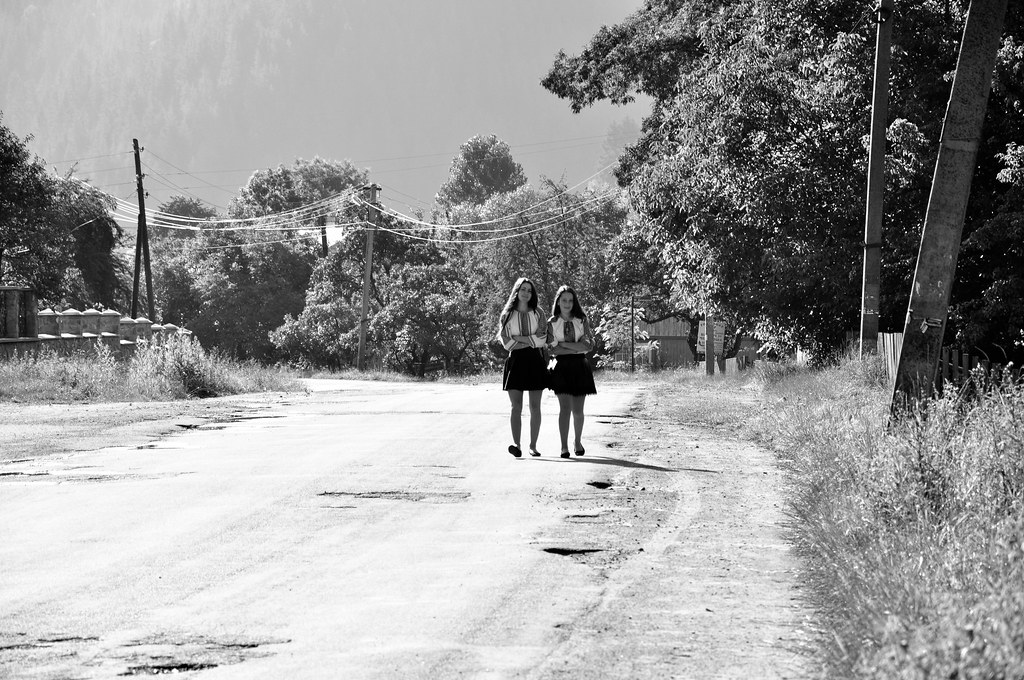 Ukraine
Traditional embroidered shirt with regional patterns.
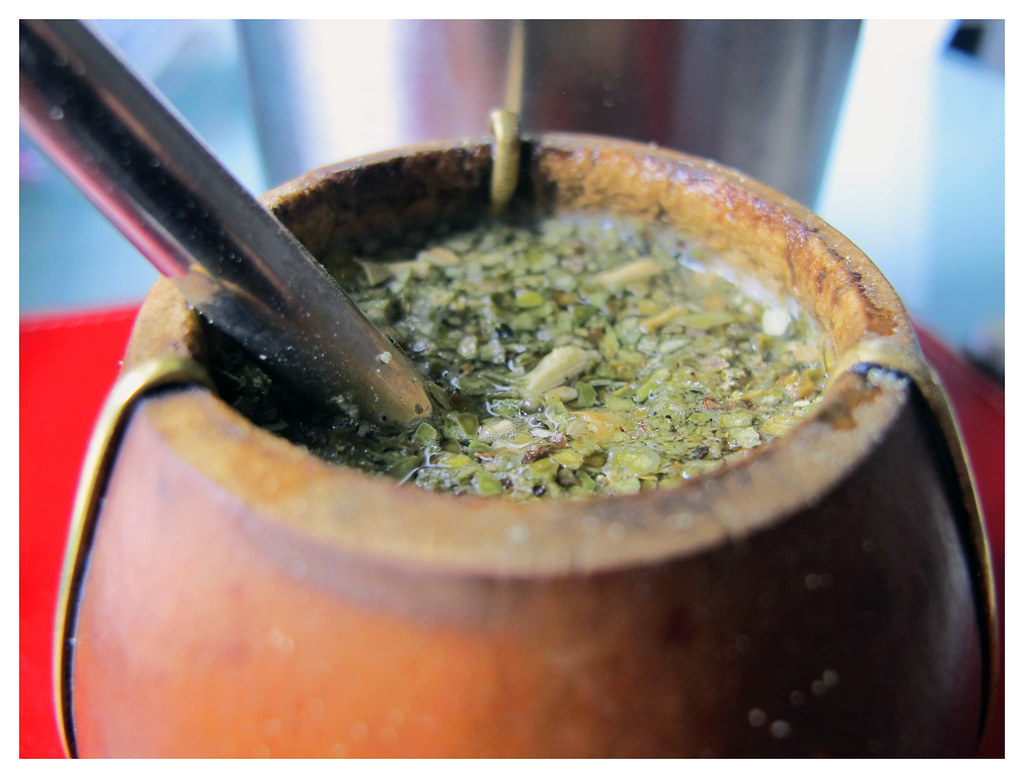 Argentina
Caffeinated herbal infusion drunk from a gourd with a metal straw.
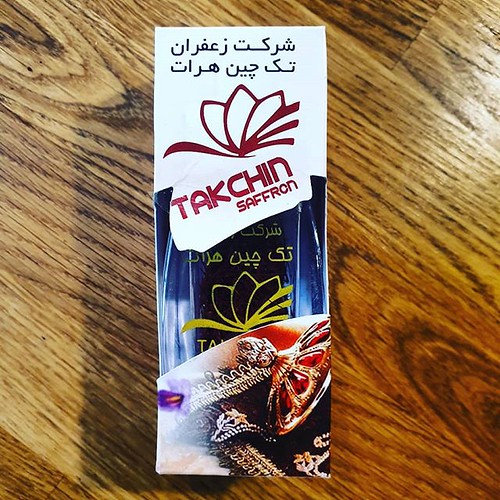 Afghanistan
I would put Afghan saffron threads on the list for Afghanistan because it is the kind of thing that feels useful once you are home, not just another airport purchase. The best version is usually the sealed jar, tin or packet from a normal supermarket, spice stall or food hall, not the most expensive tourist version. The reason it works is that it gives you a quick reminder of the trip without needing to keep a fragile ornament safe forever.
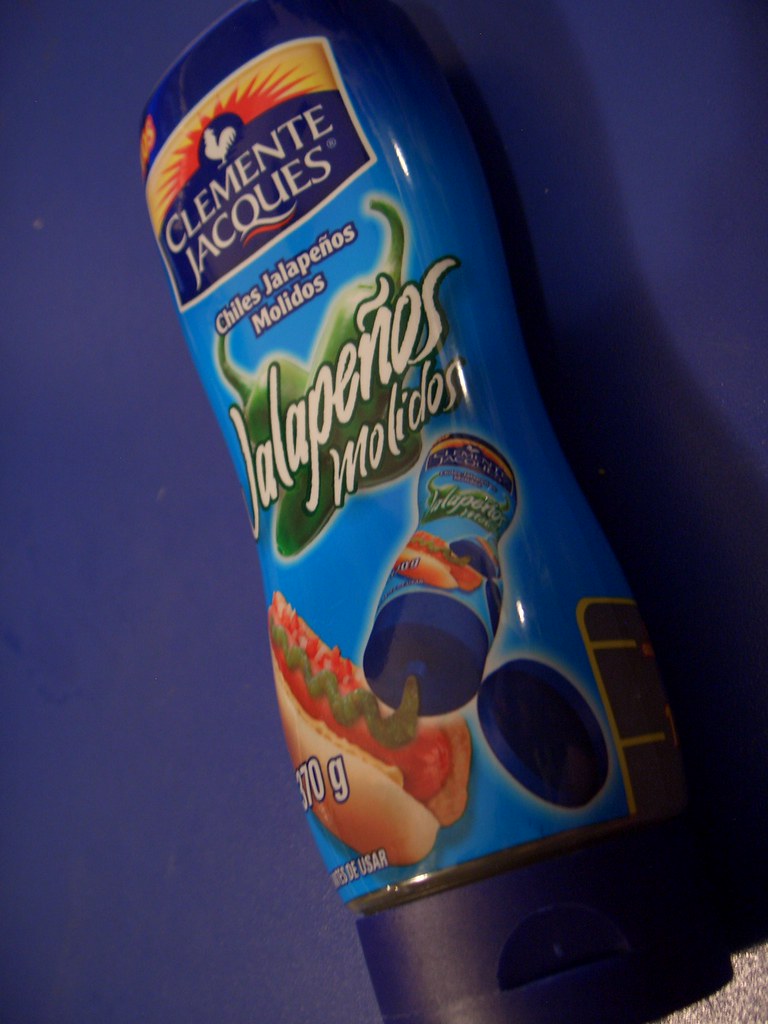 Colombia
Colombian-style chilli sauce served with empanadas, soups and grilled foods.
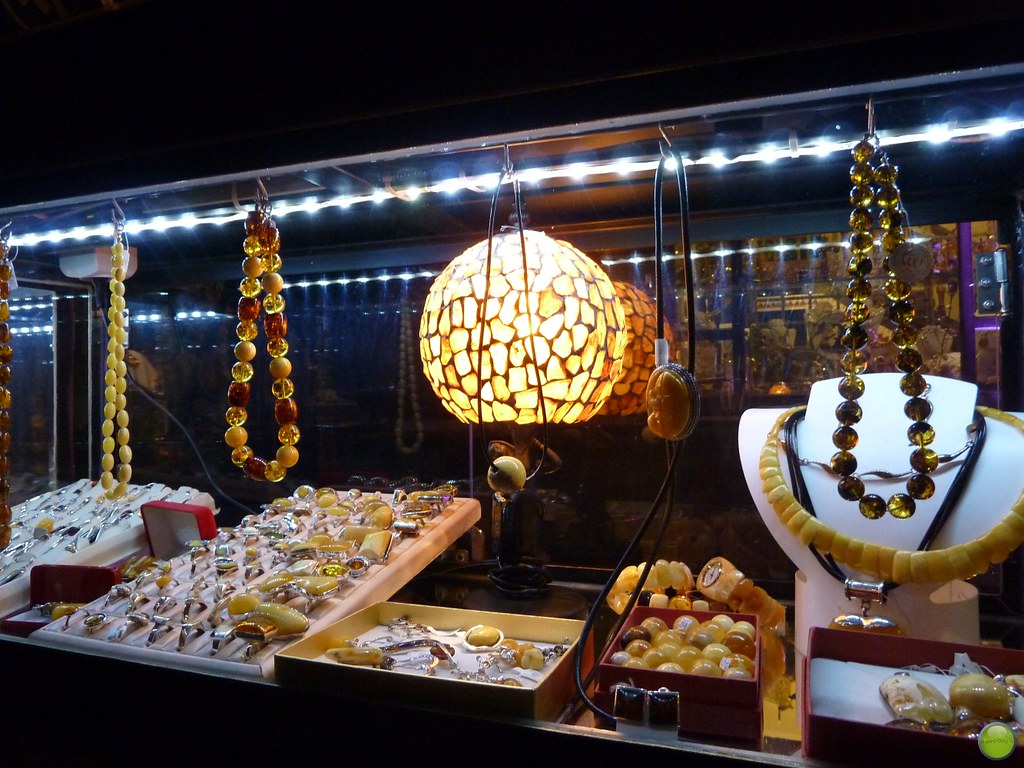 Latvia
Baltic amber pendant, bracelet or earrings.
 Armenia
Grape brandy from Armenia, often aged and gift-boxed.
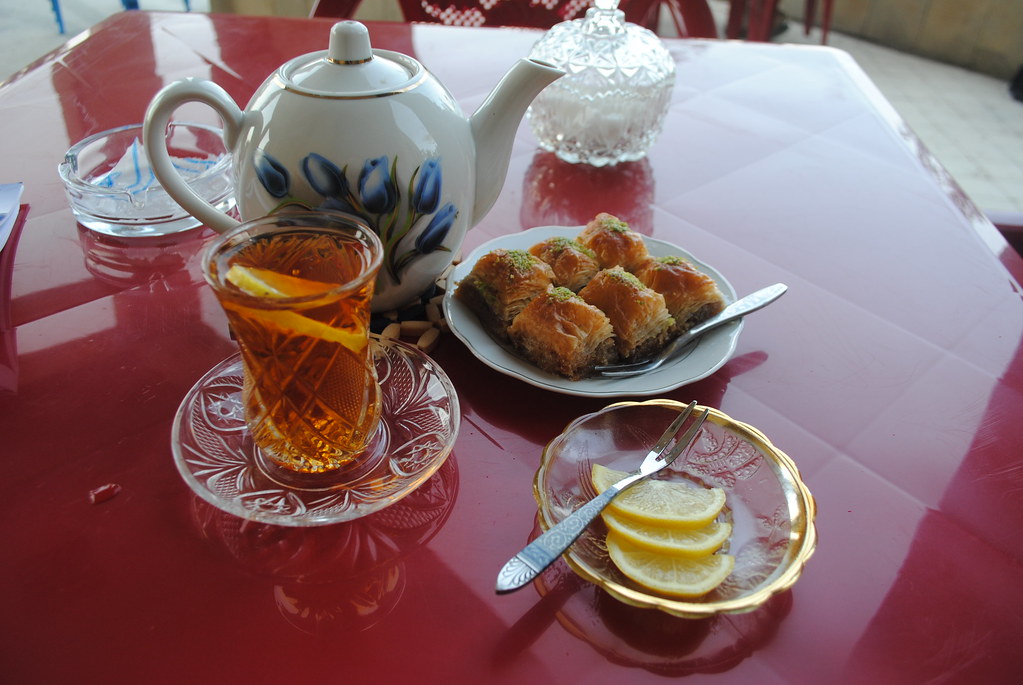 Azerbaijan
Black tea traditionally served in pear-shaped glasses.
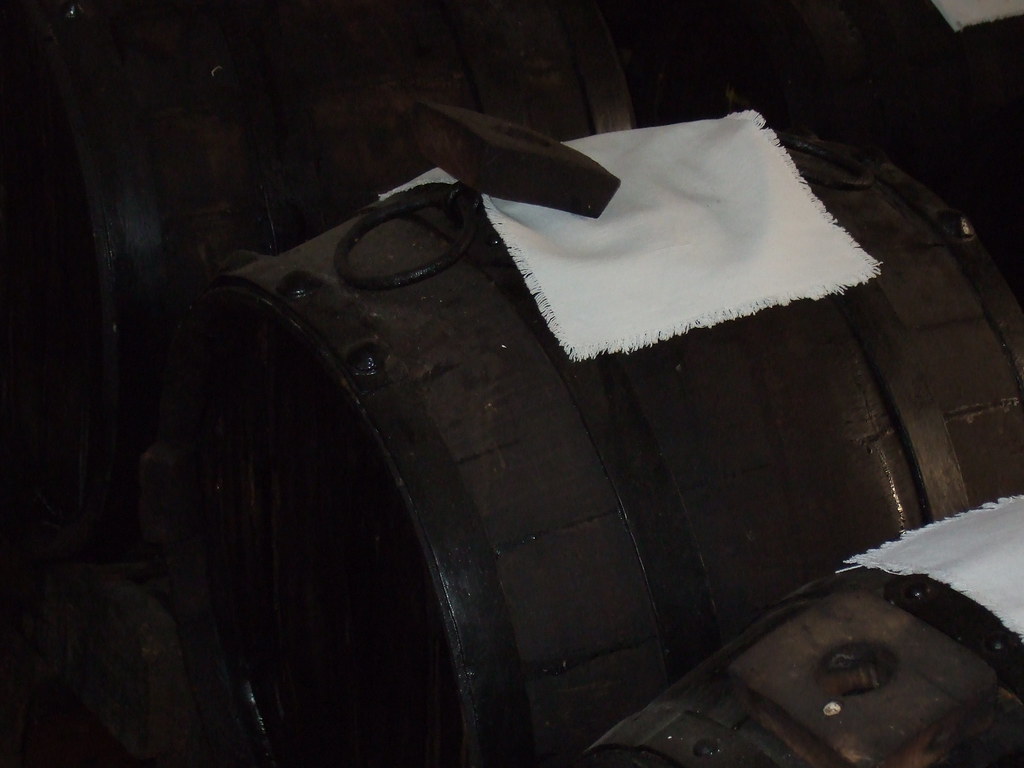 Italy
Italy
I would put Balsamic vinegar of Modena on the list for Italy because it is the kind of thing that feels useful once you are home, not just another airport purchase. Oils and vinegars work well when the bottle is small, sealed and wrapped in clothing inside checked luggage. The reason it works is that it gives you a quick reminder of the trip without needing to keep a fragile ornament safe forever.
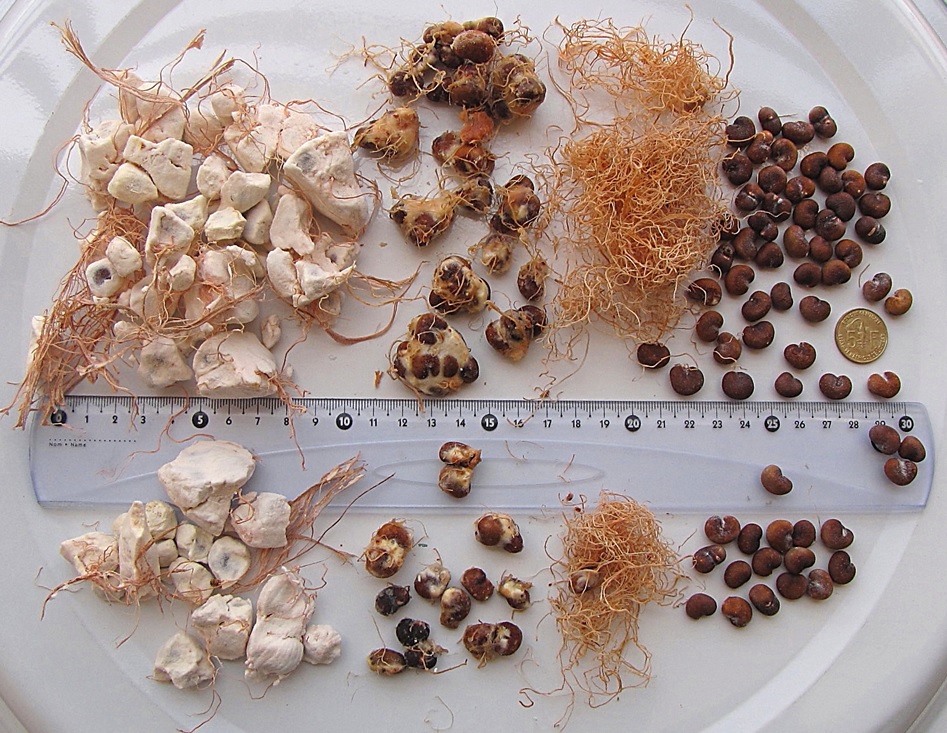 Zimbabwe
Tangy powder used in smoothies, porridge and energy balls.
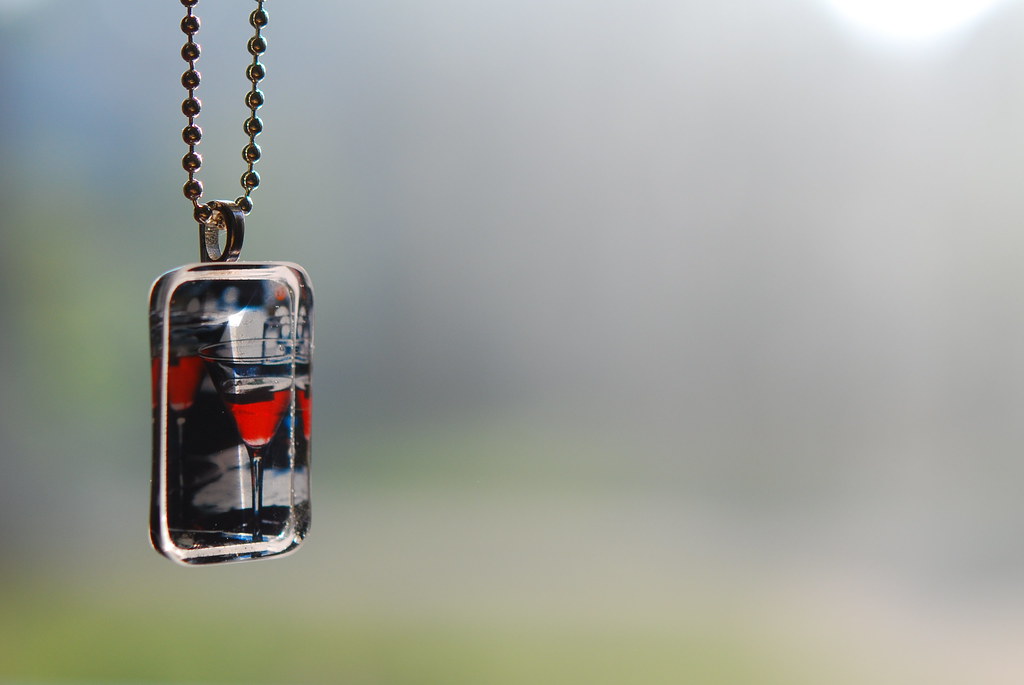 Uganda
Craft item inspired by Uganda’s barkcloth textile tradition.
 Jamaica
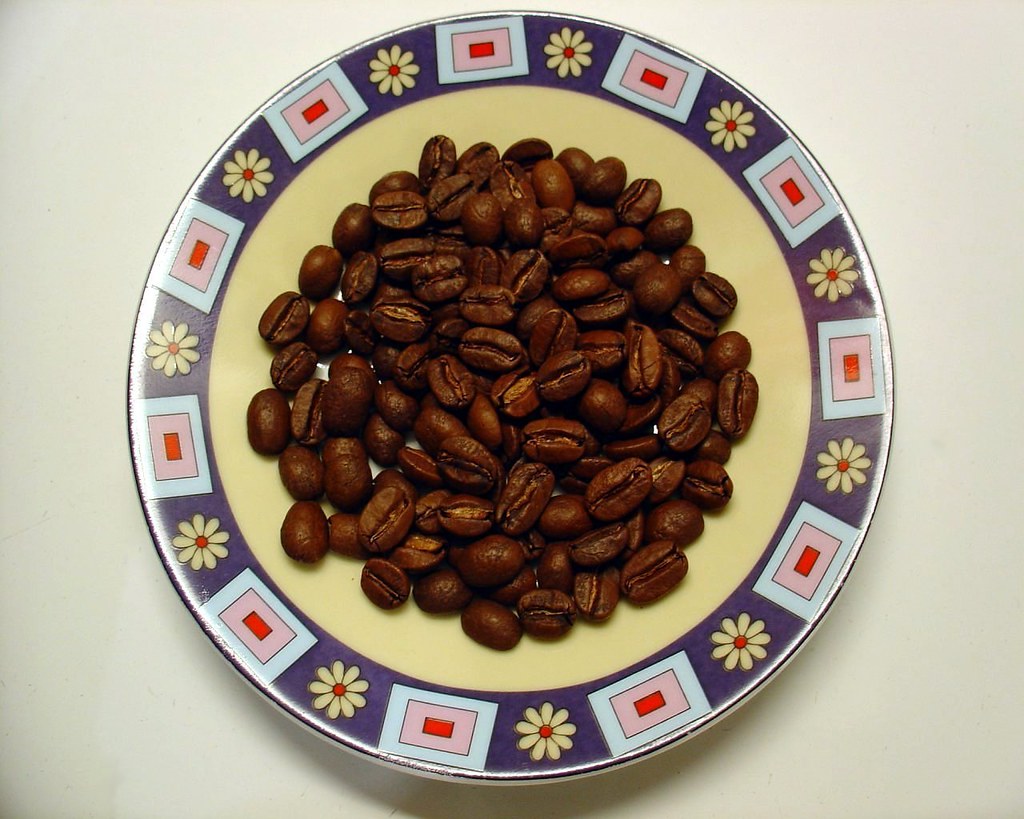
I would put Blue Mountain coffee on the list for Jamaica because it is the kind of thing that feels useful once you are home, not just another airport purchase. It is a good one because people can try it slowly at home, and it makes a nicer gift than a mug with a place name printed on it. The reason it works is that it gives you a quick reminder of the trip without needing to keep a fragile ornament safe forever.
 Czechia
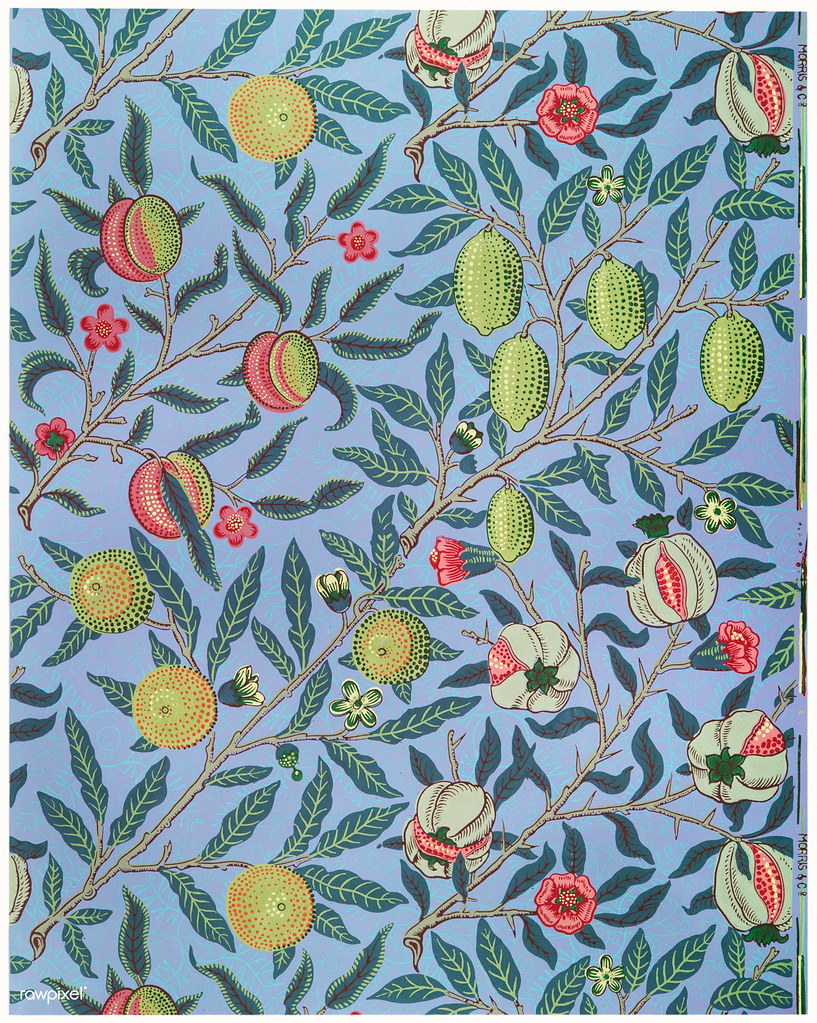
Cut or blown glass decoration from the Czech glassmaking tradition.
 Italy
Italy
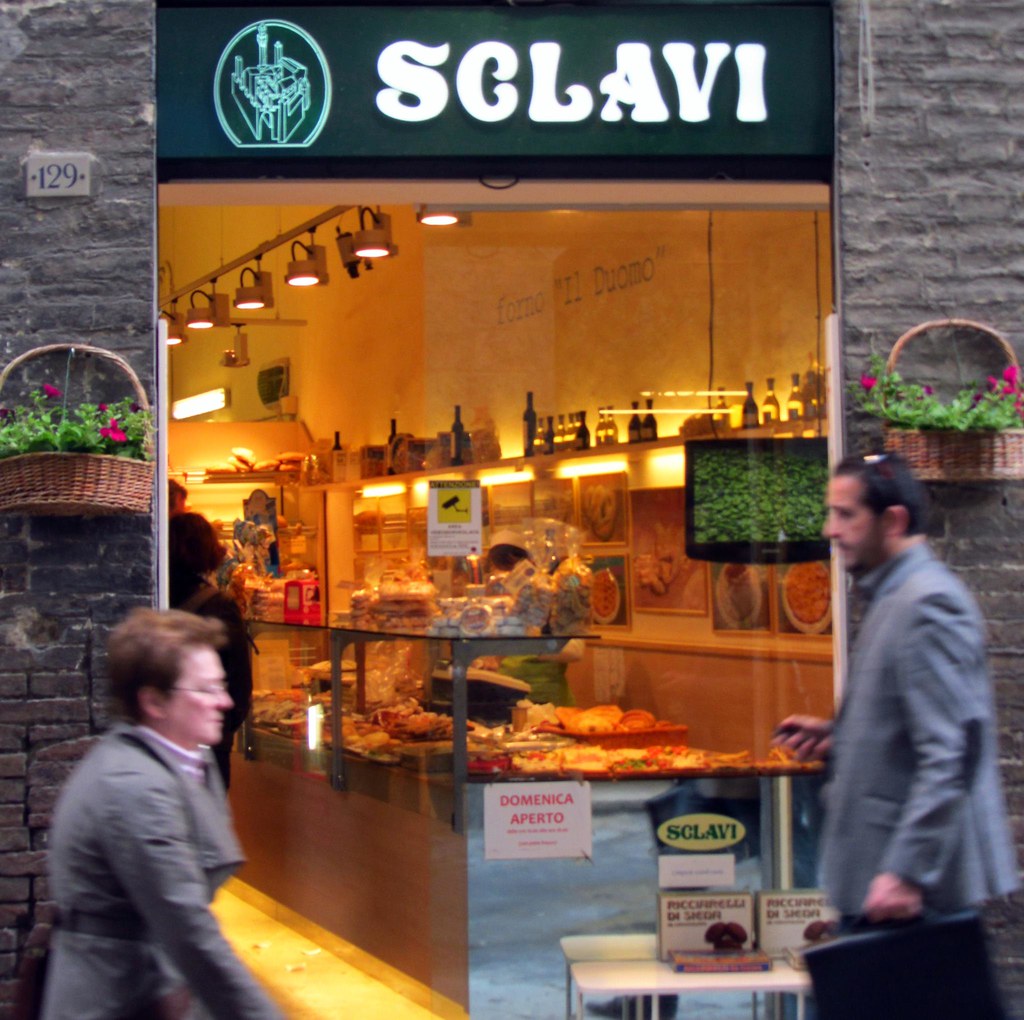
Crunchy Tuscan almond biscuits traditionally dipped in vin santo or coffee.
 Tonga
Tonga
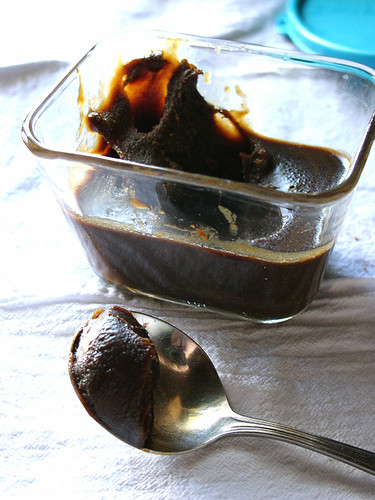
Coconut-based sweets inspired by Pacific island flavours.
 Costa Rica
Balanced Central American coffee, often bright and clean tasting.
 Luxembourg
Sparkling wine from Luxembourg’s Moselle region.
 Greece
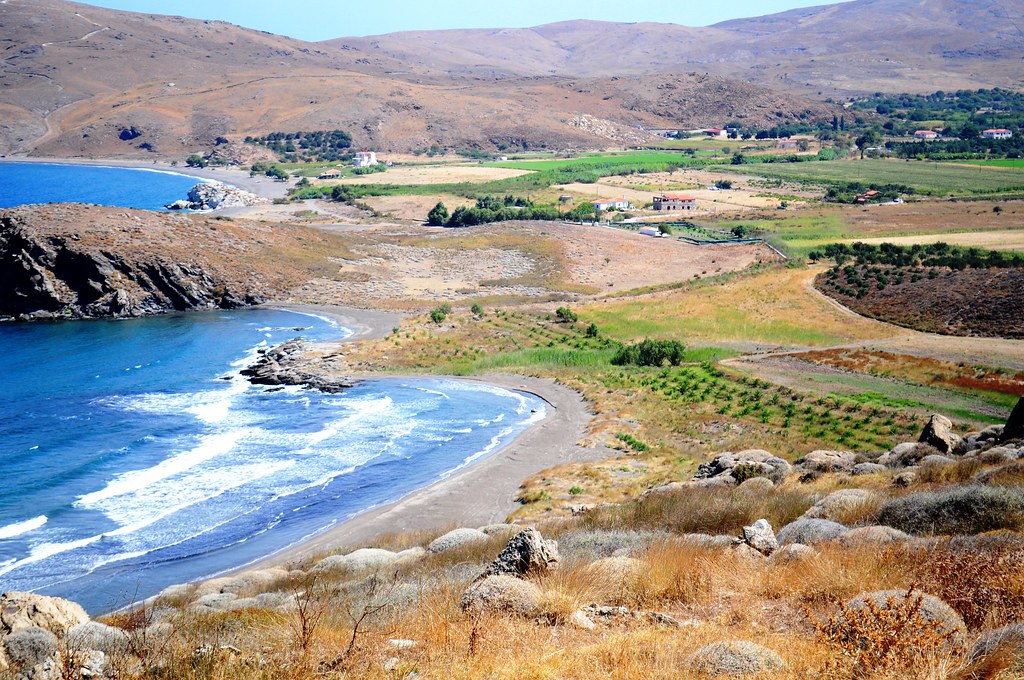
This is exactly the sort of thing I like bringing back from Greece: small enough to fit in a bag, but specific enough to remind you where you bought it. Oils and vinegars work well when the bottle is small, sealed and wrapped in clothing inside checked luggage. It is also the kind of thing you can talk about when someone asks what you brought back, because there is usually a little story attached to where you found it.
 France
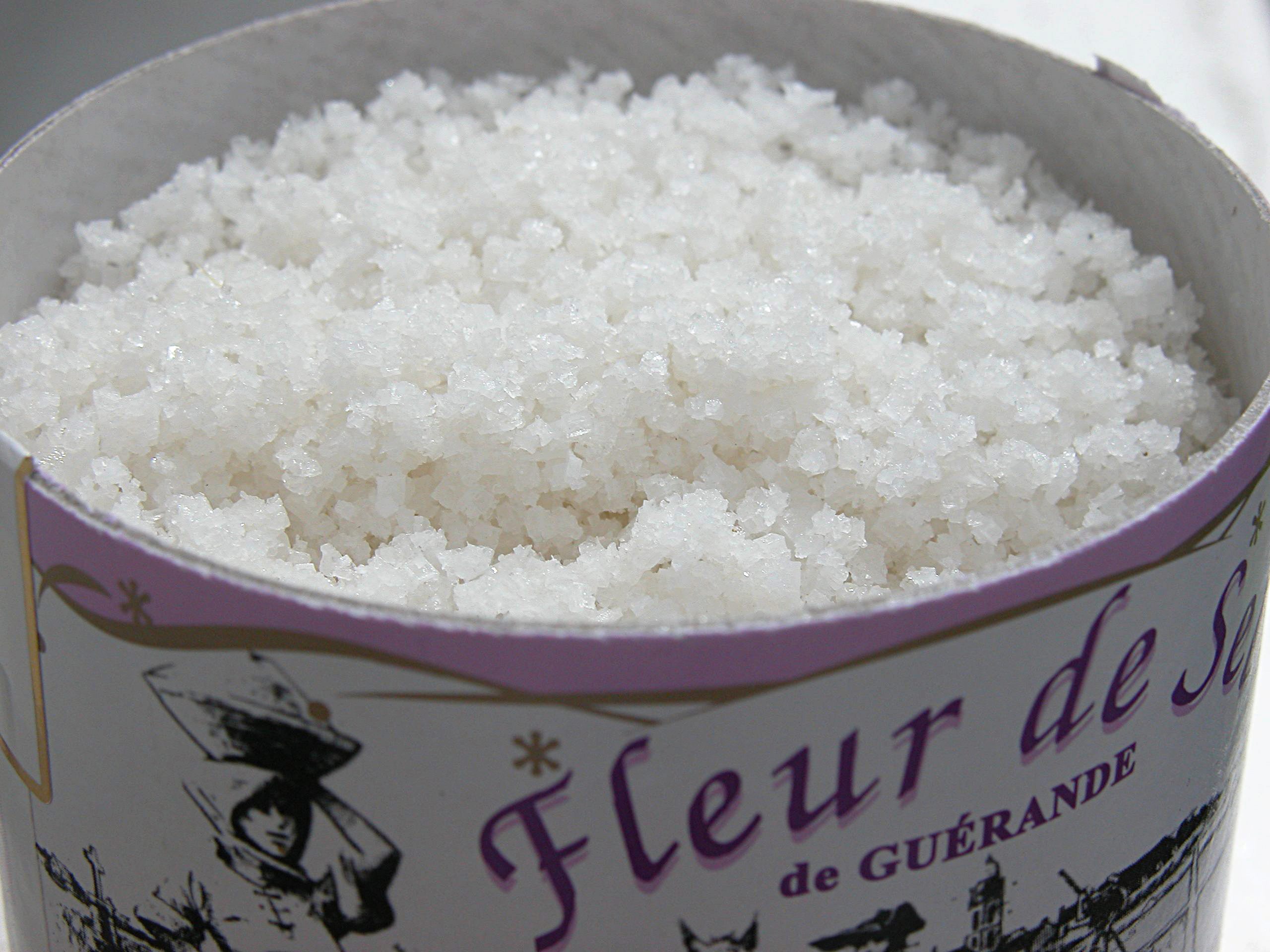
Hand-harvested Atlantic sea salt flakes, great for finishing meat, fish and vegetables.
 India
India
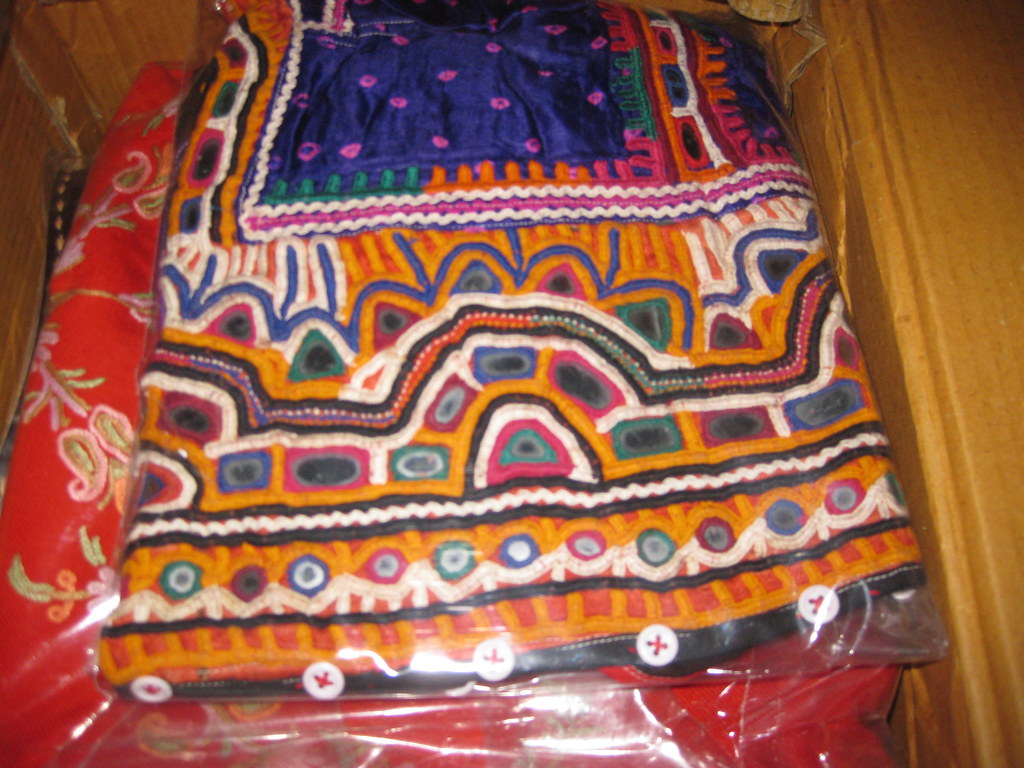
This is exactly the sort of thing I like bringing back from India: small enough to fit in a bag, but specific enough to remind you where you bought it. The best version is usually the sealed jar, tin or packet from a normal supermarket, spice stall or food hall, not the most expensive tourist version. It is also the kind of thing you can talk about when someone asks what you brought back, because there is usually a little story attached to where you found it.
 Kenya
Kenya
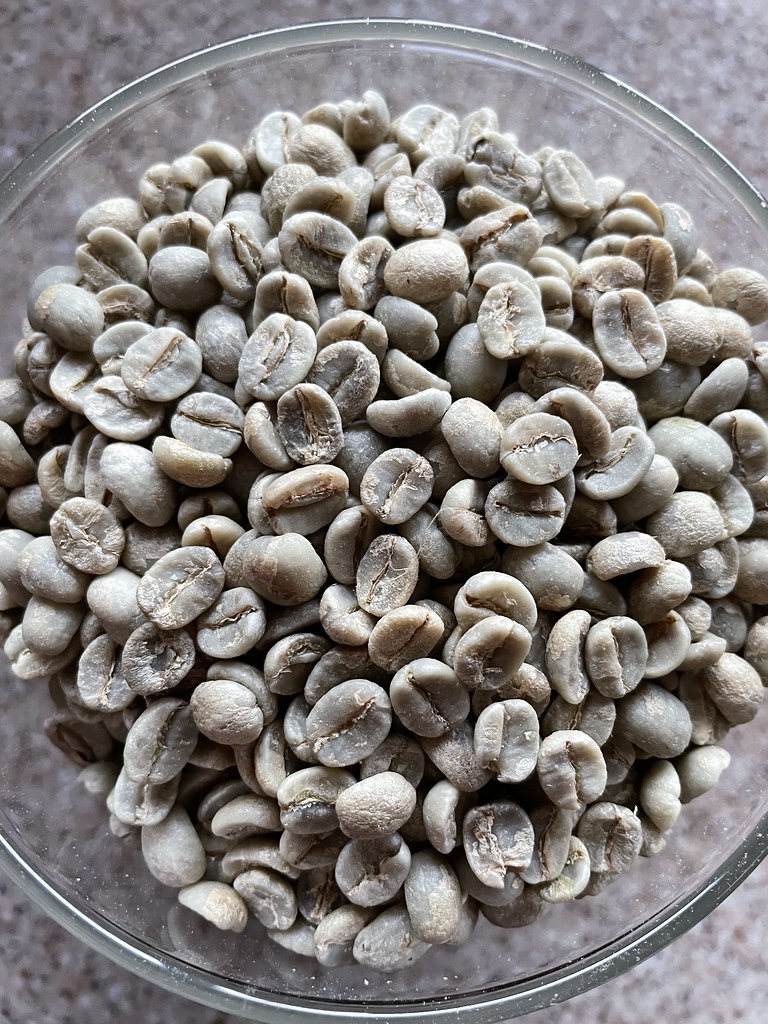
I would put Kenyan AA coffee on the list for Kenya because it is the kind of thing that feels useful once you are home, not just another airport purchase. It is a good one because people can try it slowly at home, and it makes a nicer gift than a mug with a place name printed on it. The reason it works is that it gives you a quick reminder of the trip without needing to keep a fragile ornament safe forever.
 Samoa
Samoa
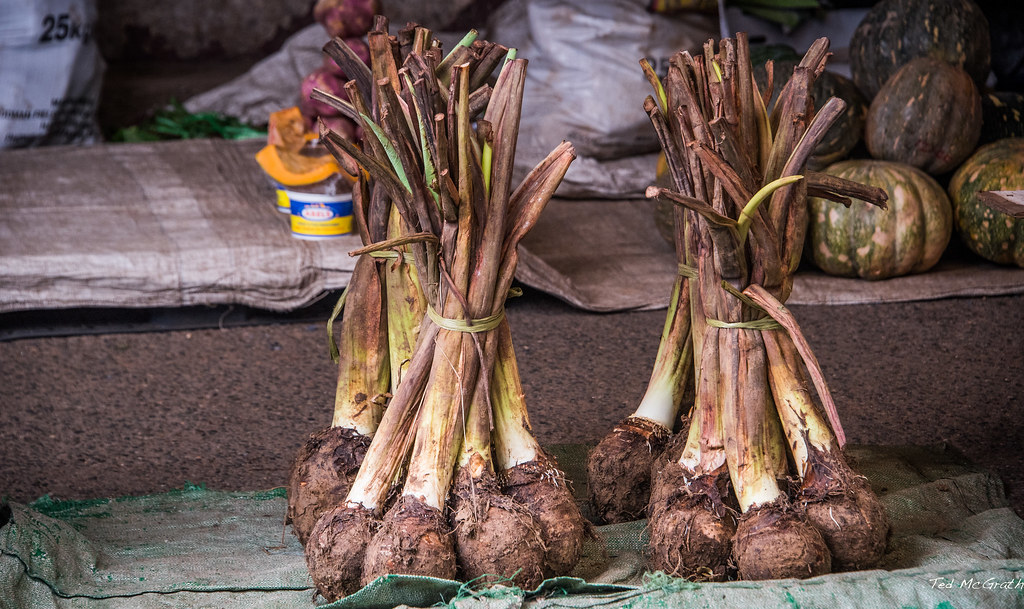
Cocoa paste grated into a rich Samoan hot chocolate drink.
 Cambodia
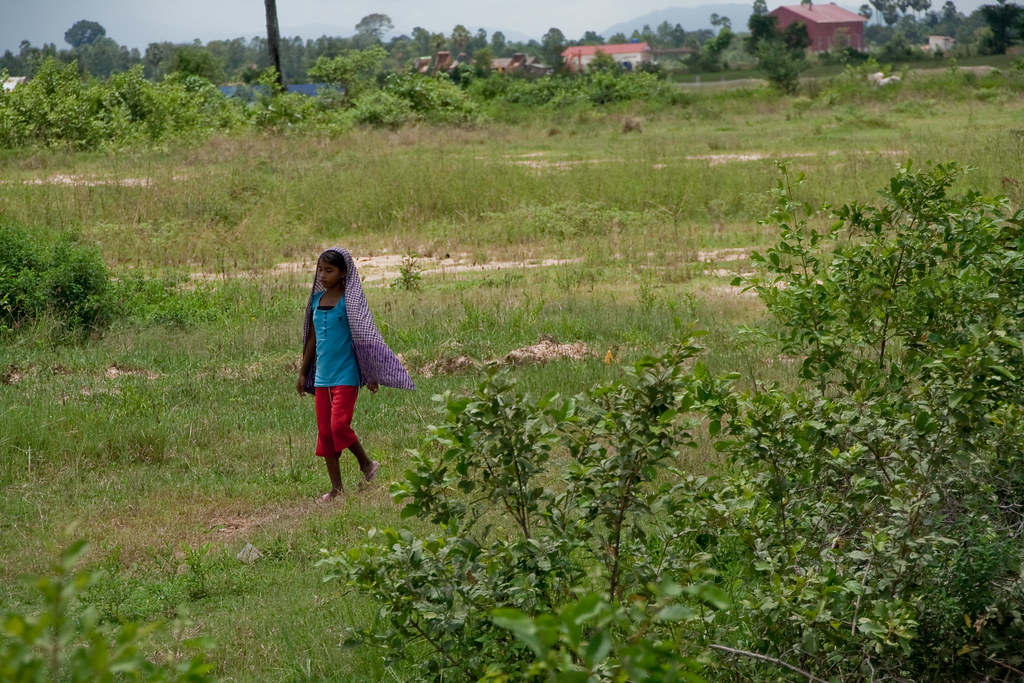
Checked cotton scarf used as a practical everyday textile.
 Belarus
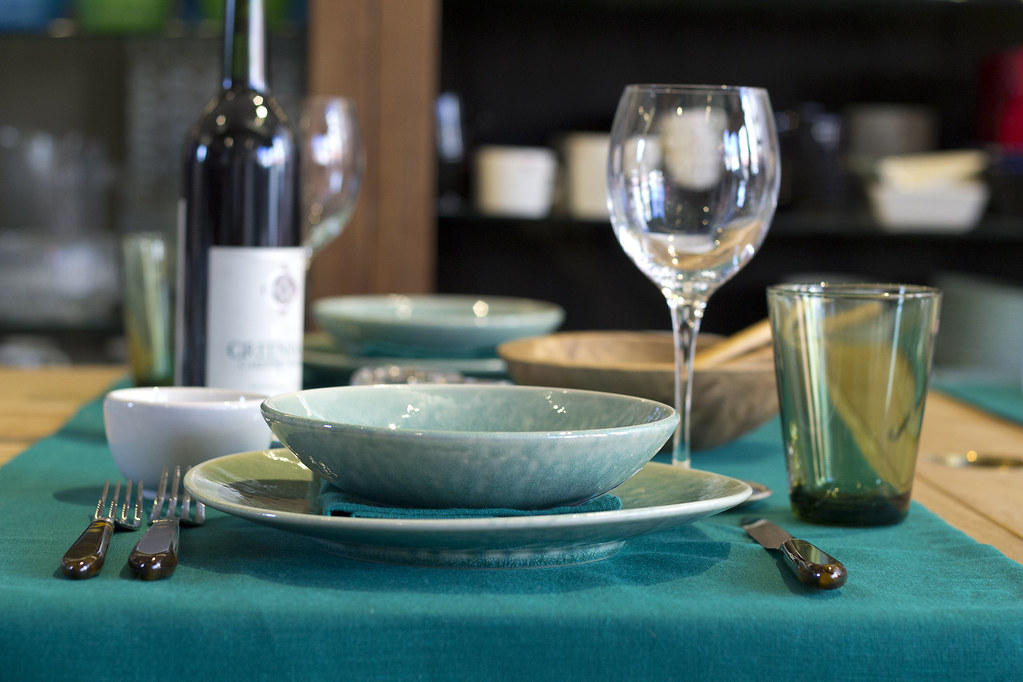
Linen home textile with simple Slavic or folk-style embroidery.
 New Zealand
I would put Manuka honey on the list for New Zealand because it is the kind of thing that feels useful once you are home, not just another airport purchase. The best version is usually the sealed jar, tin or packet from a normal supermarket, spice stall or food hall, not the most expensive tourist version. The reason it works is that it gives you a quick reminder of the trip without needing to keep a fragile ornament safe forever.
 Canada
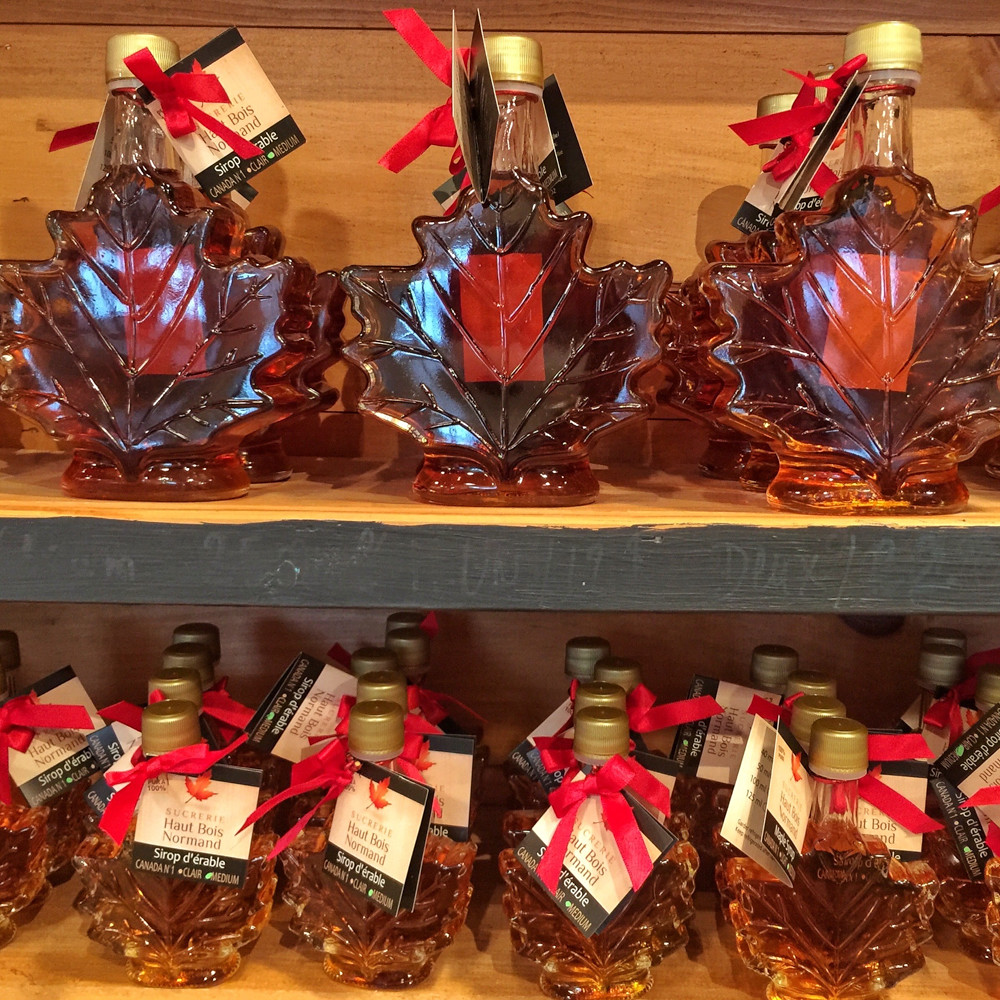
Pure maple syrup, a classic Canadian edible gift.
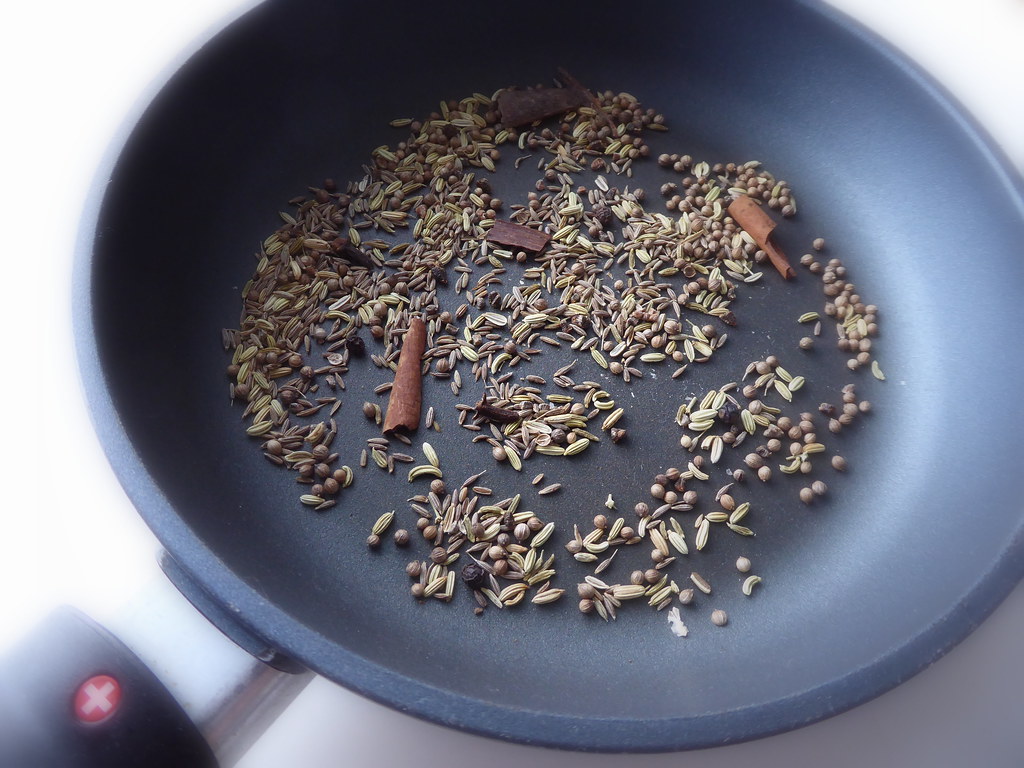 Suriname
Surinamese masala used in roti, chicken and vegetable dishes.
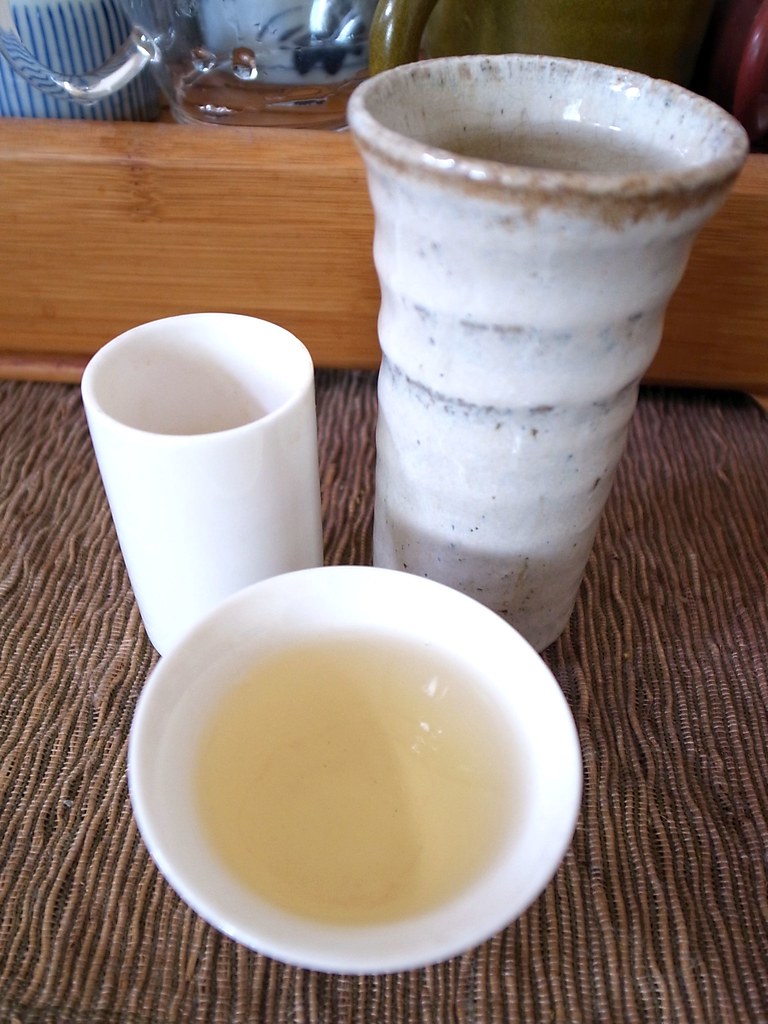 Taiwan
This is exactly the sort of thing I like bringing back from Taiwan: small enough to fit in a bag, but specific enough to remind you where you bought it. It is a good one because people can try it slowly at home, and it makes a nicer gift than a mug with a place name printed on it. It is also the kind of thing you can talk about when someone asks what you brought back, because there is usually a little story attached to where you found it.
Traditional straw hat actually made in Ecuador, especially Montecristi and Cuenca styles.
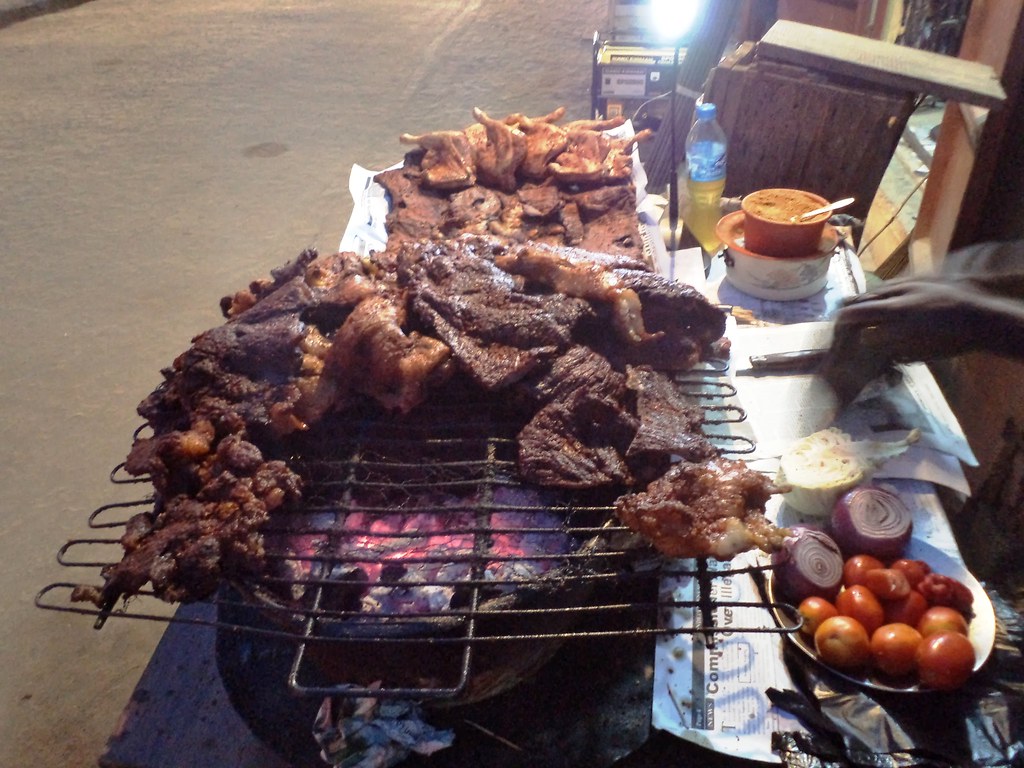 Nigeria
Peanut-chilli spice mix used for Nigerian grilled meat skewers.
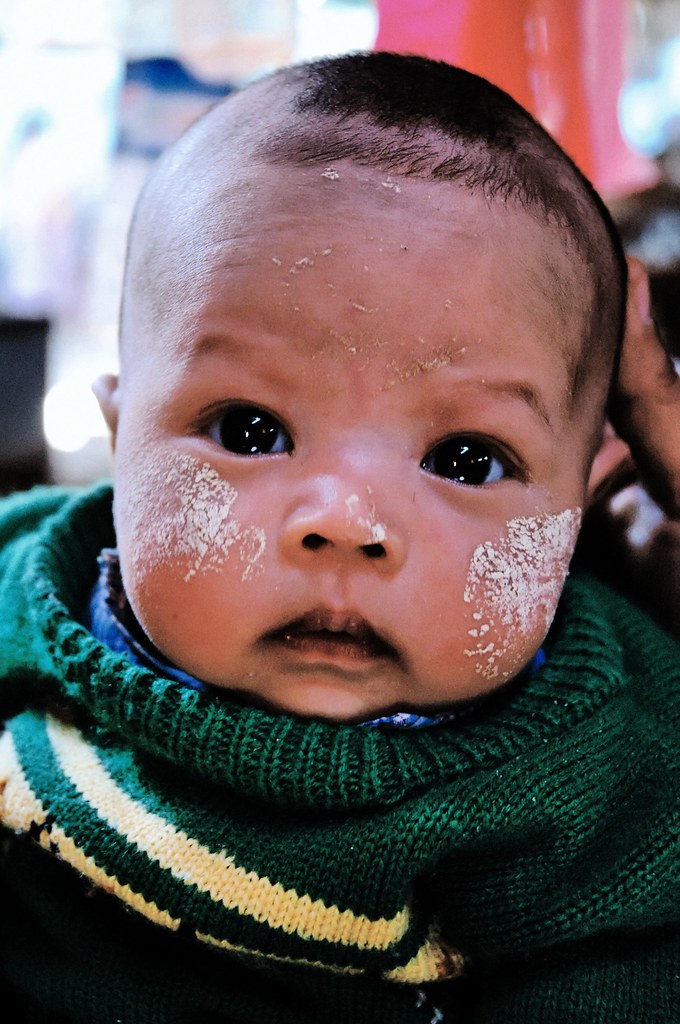 Myanmar (Burma)
Traditional cosmetic powder made from ground bark, used as skincare paste.
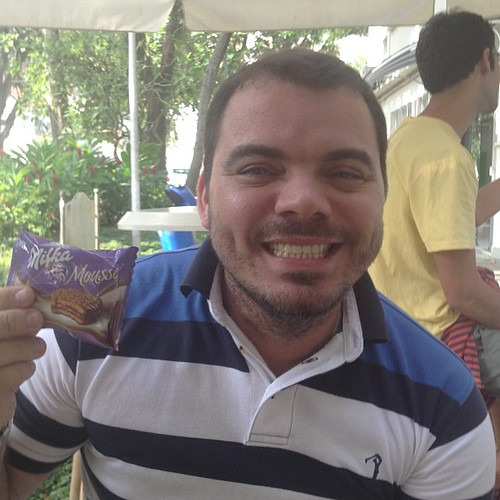 Argentina
Alfajores is worth adding because it feels like something you actually noticed while travelling through Argentina, rather than a generic souvenir. I would buy a couple of packets: one to open while travelling and one to bring home unopened, because snacks have a habit of disappearing before the flight. The ideal version is modestly priced, not too bulky, and good enough that you would buy it again even without the holiday memory.
 United Arab Emirates
Rich resinous fragrance oil popular across the Gulf.
 Australia
Bold red wine from regions like Barossa and McLaren Vale.
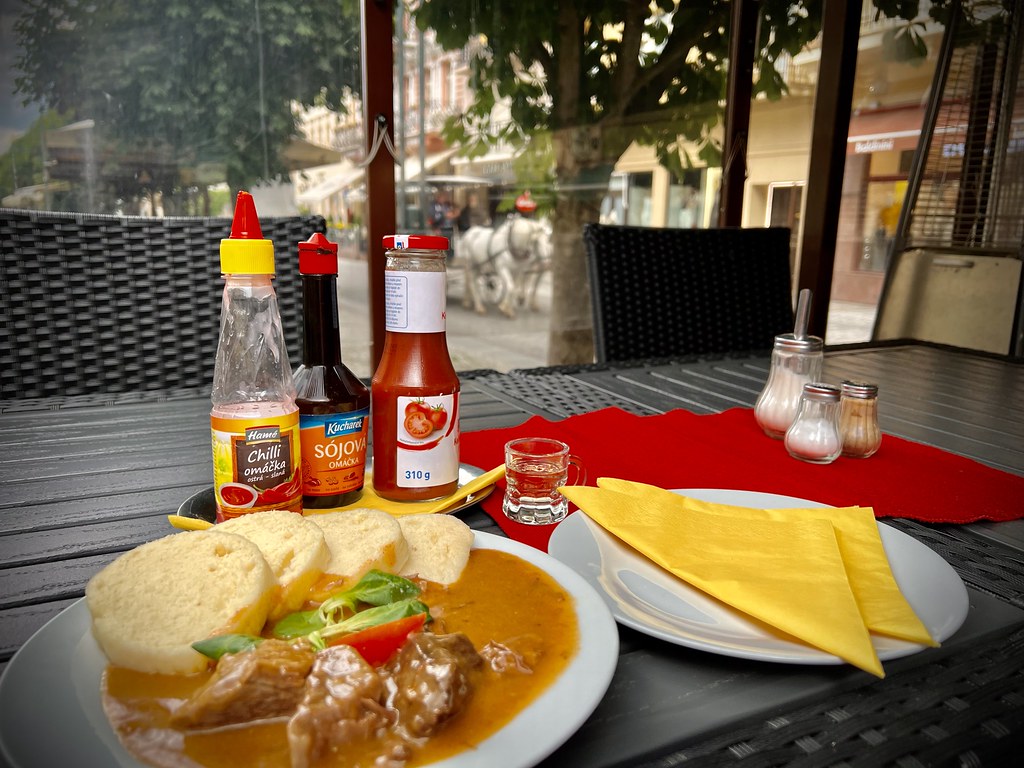 Czechia
Herbal Czech liqueur often served chilled as a digestif.
 Belgium
When I think of an easy, crowd-pleasing thing to bring back from Belgium, Belgian beer gift pack is a good pick because it does not need much explanation when you hand it over. For alcohol, I would only bring this back if it is sealed properly and comfortably within the UK allowance; otherwise it is better as a UK-buy link. I would rate it higher when it is locally made, clearly labelled and easy to use at home, and lower when it is just tourist packaging.
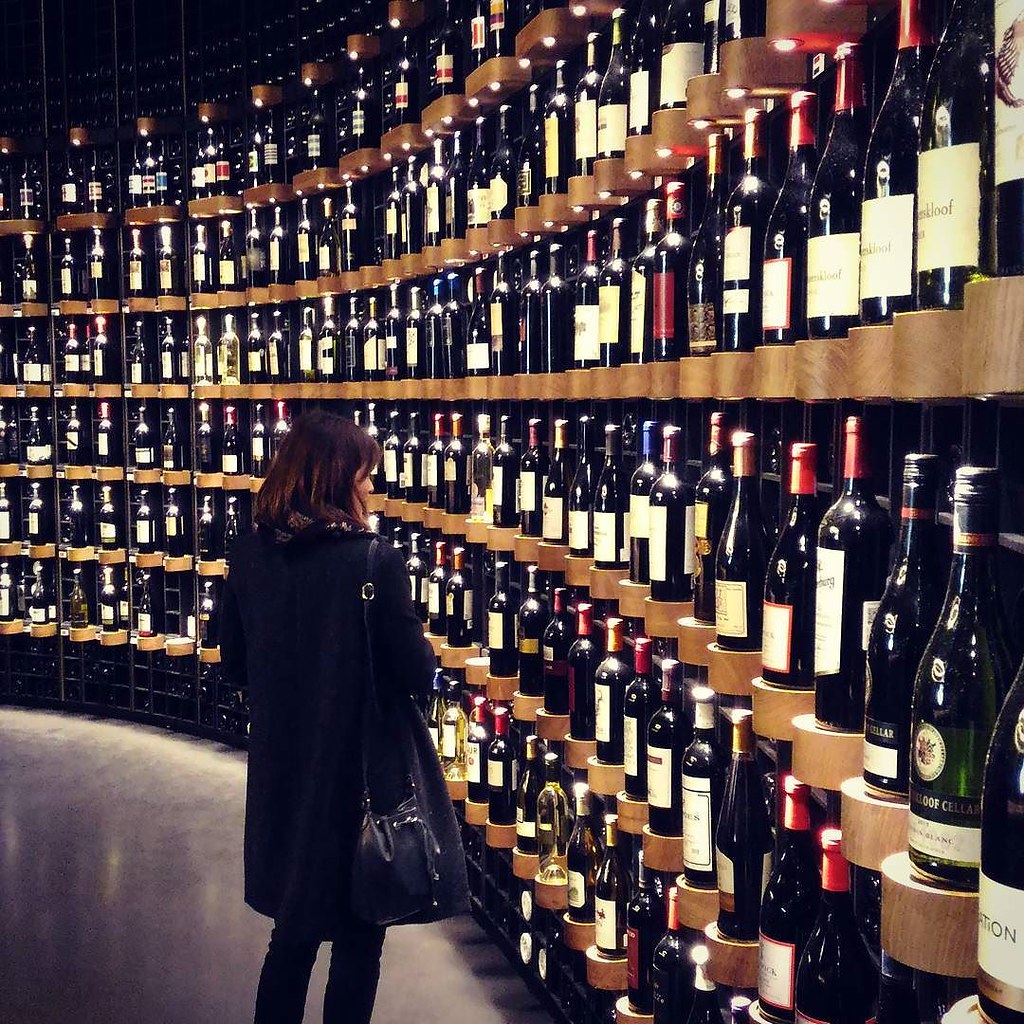 France
Bordeaux wine is worth adding because it feels like something you actually noticed while travelling through France, rather than a generic souvenir. Wine is a great memory of a meal, but I would wrap it carefully and only carry it when the luggage situation makes sense. The ideal version is modestly priced, not too bulky, and good enough that you would buy it again even without the holiday memory.
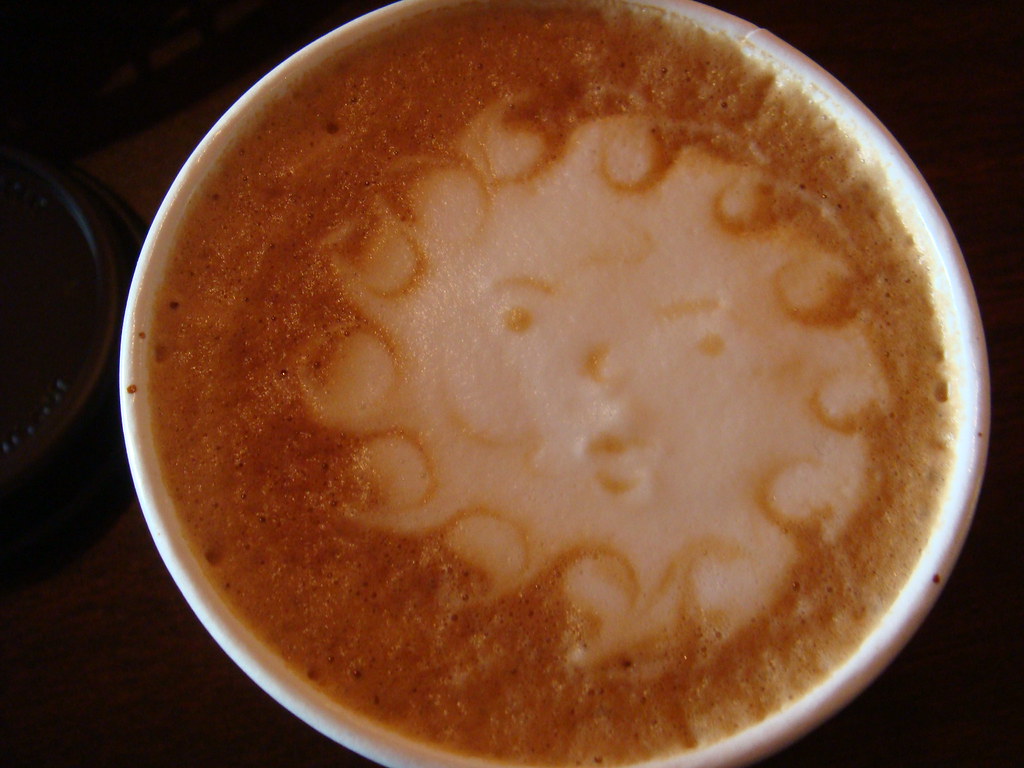 Brazil
I would put Brazilian coffee beans on the list for Brazil because it is the kind of thing that feels useful once you are home, not just another airport purchase. It is a good one because people can try it slowly at home, and it makes a nicer gift than a mug with a place name printed on it. The reason it works is that it gives you a quick reminder of the trip without needing to keep a fragile ornament safe forever.
 Sri Lanka
I would put Ceylon tea on the list for Sri Lanka because it is the kind of thing that feels useful once you are home, not just another airport purchase. It is a good one because people can try it slowly at home, and it makes a nicer gift than a mug with a place name printed on it. The reason it works is that it gives you a quick reminder of the trip without needing to keep a fragile ornament safe forever.
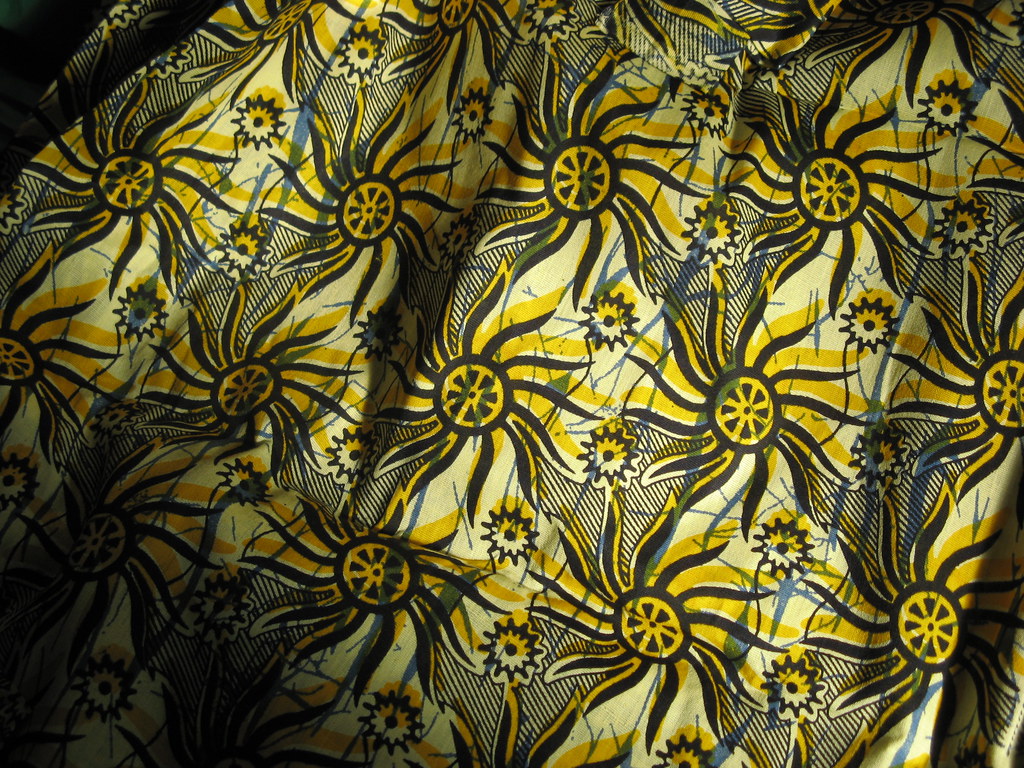 Malawi
Colourful printed cotton fabric used as a wrap, skirt or home textile.
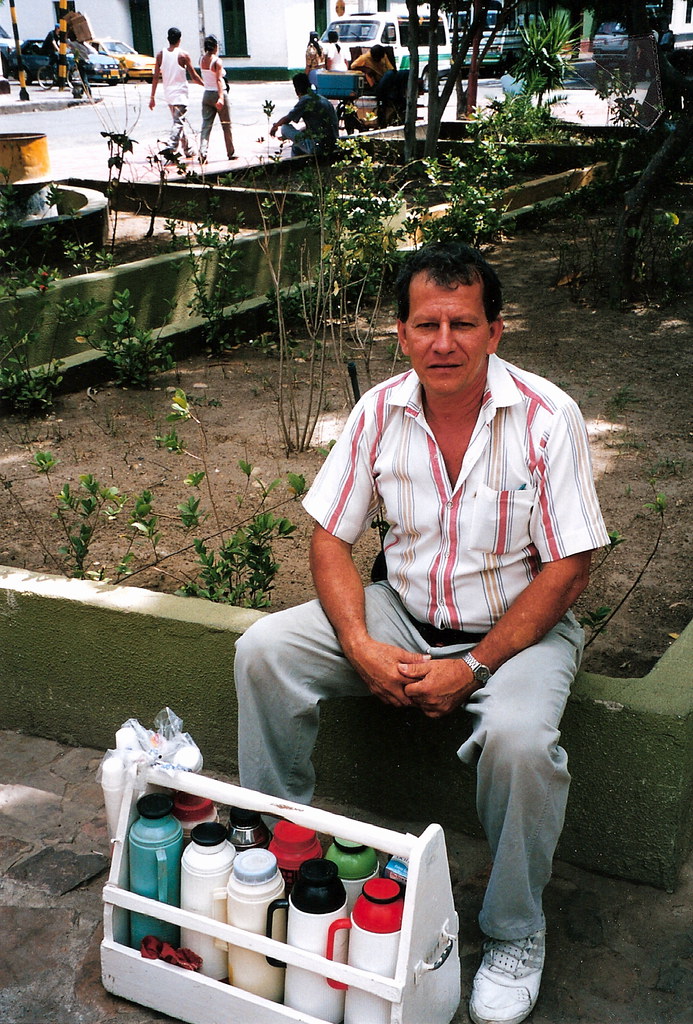 Colombia
Smooth coffee beans from Colombia, widely liked for balanced flavour.
 Bahamas
Modern decorative ornament inspired by Bahamian beaches.
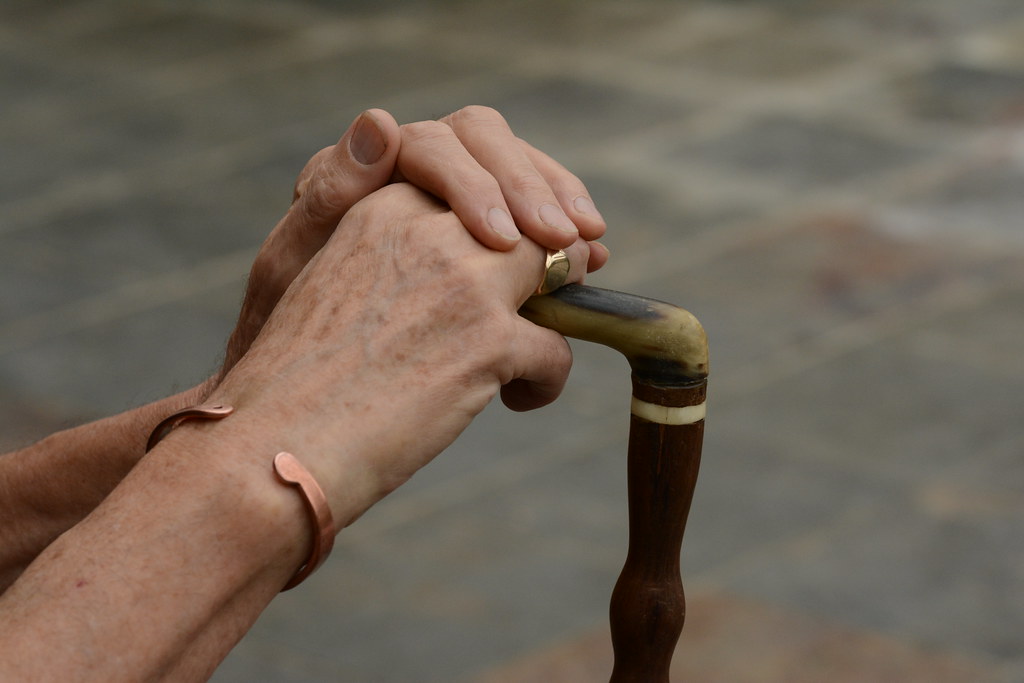 Zambia
Copper accessory reflecting Zambia’s copperbelt heritage.
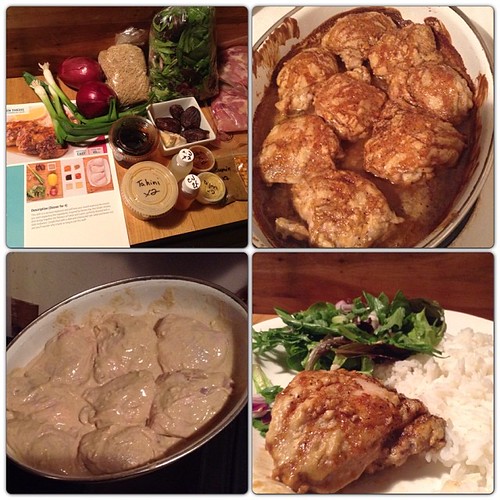 Iraq
Iraq
Thick syrup made from dates, used for breakfast and baking.
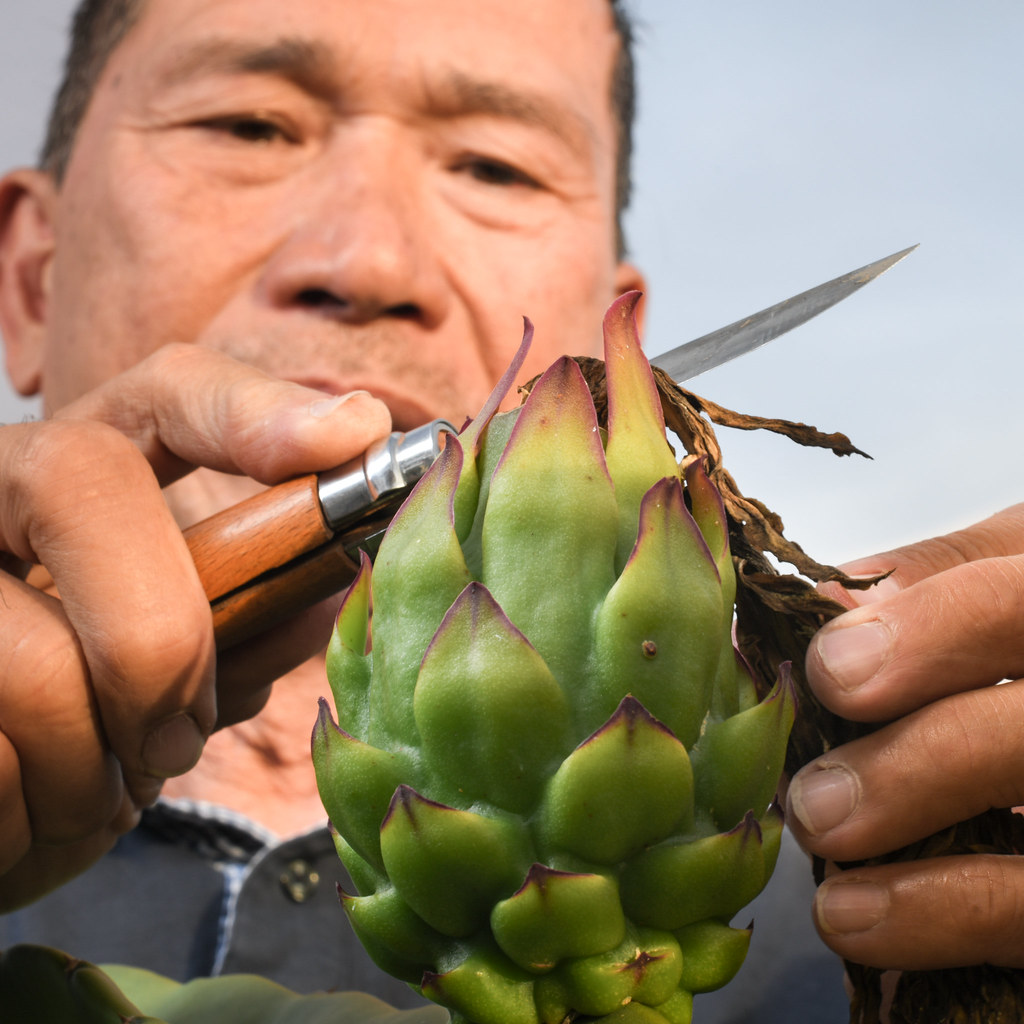 Philippines
I would put Dried mango on the list for Philippines because it is the kind of thing that feels useful once you are home, not just another airport purchase. I would buy a couple of packets: one to open while travelling and one to bring home unopened, because snacks have a habit of disappearing before the flight. The reason it works is that it gives you a quick reminder of the trip without needing to keep a fragile ornament safe forever.
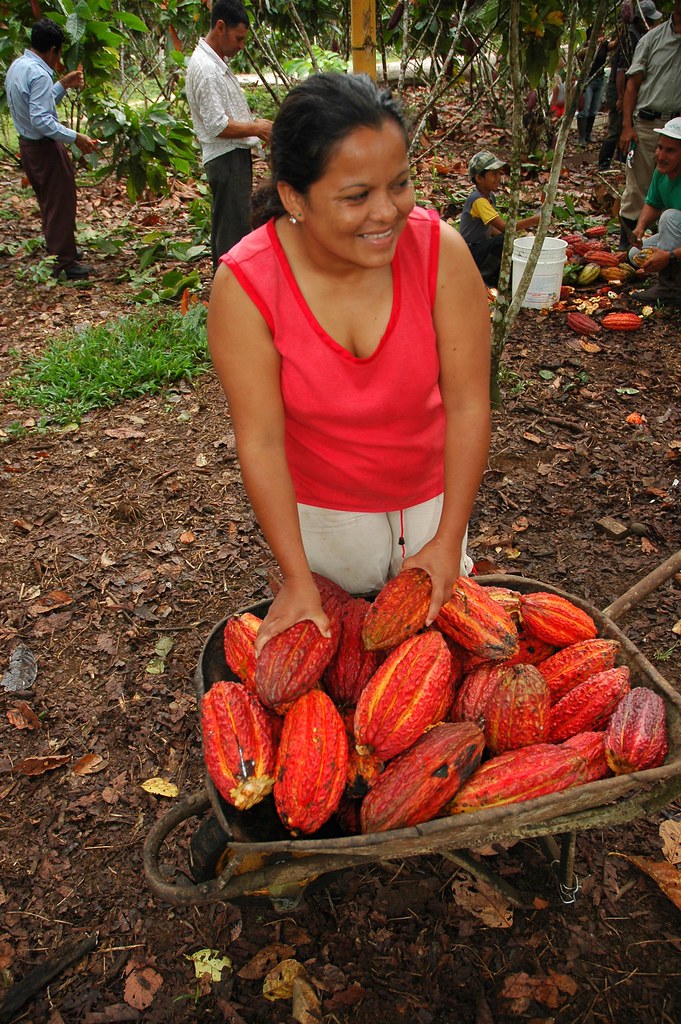 Ecuador
Dark chocolate made from fine aroma cacao varieties.
 Nicaragua
Well-known Nicaraguan rum brand with aged expressions.
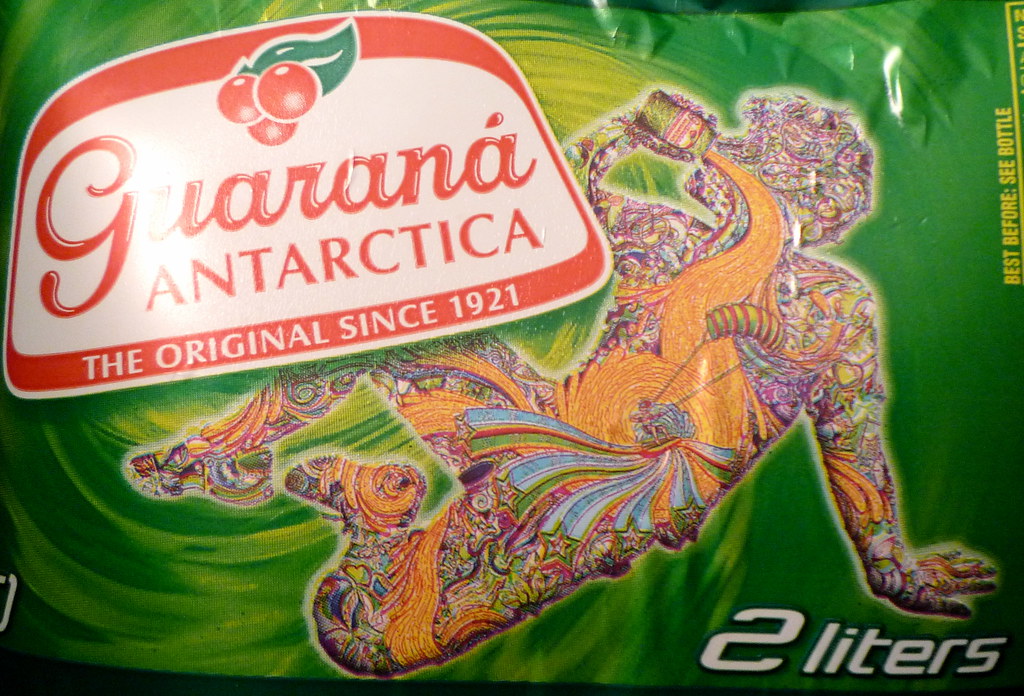 Brazil
Sweet Brazilian soda made with guaraná flavouring.
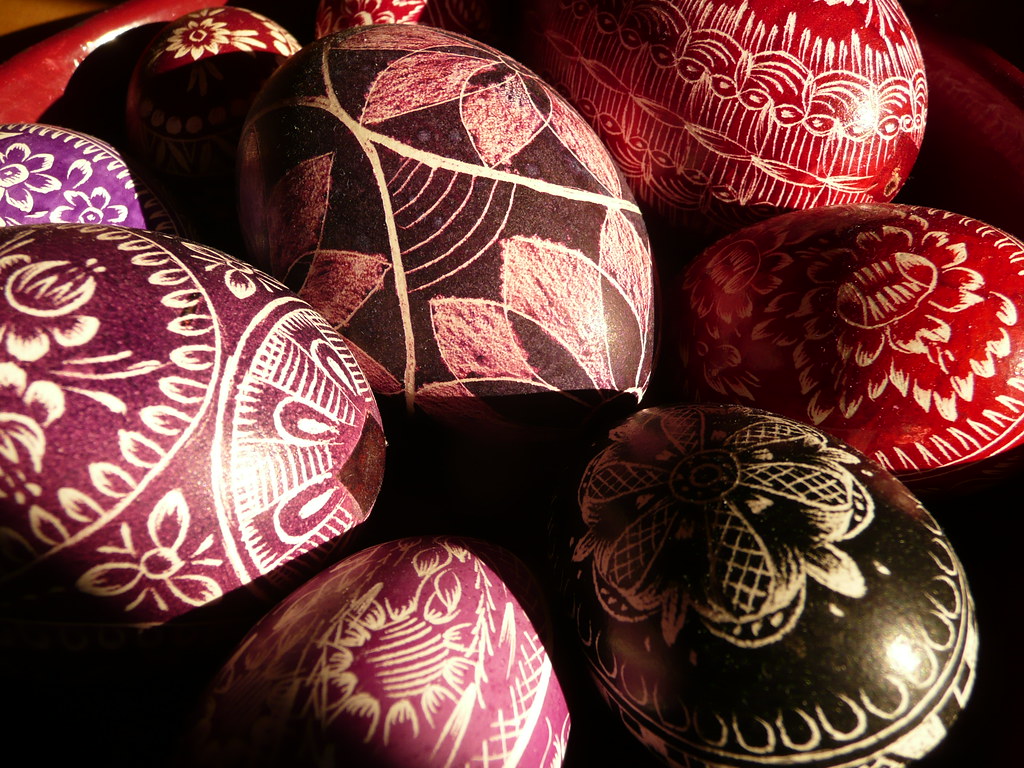 Romania
Decorative painted eggs inspired by Romanian Easter traditions.
 Egypt
Egypt
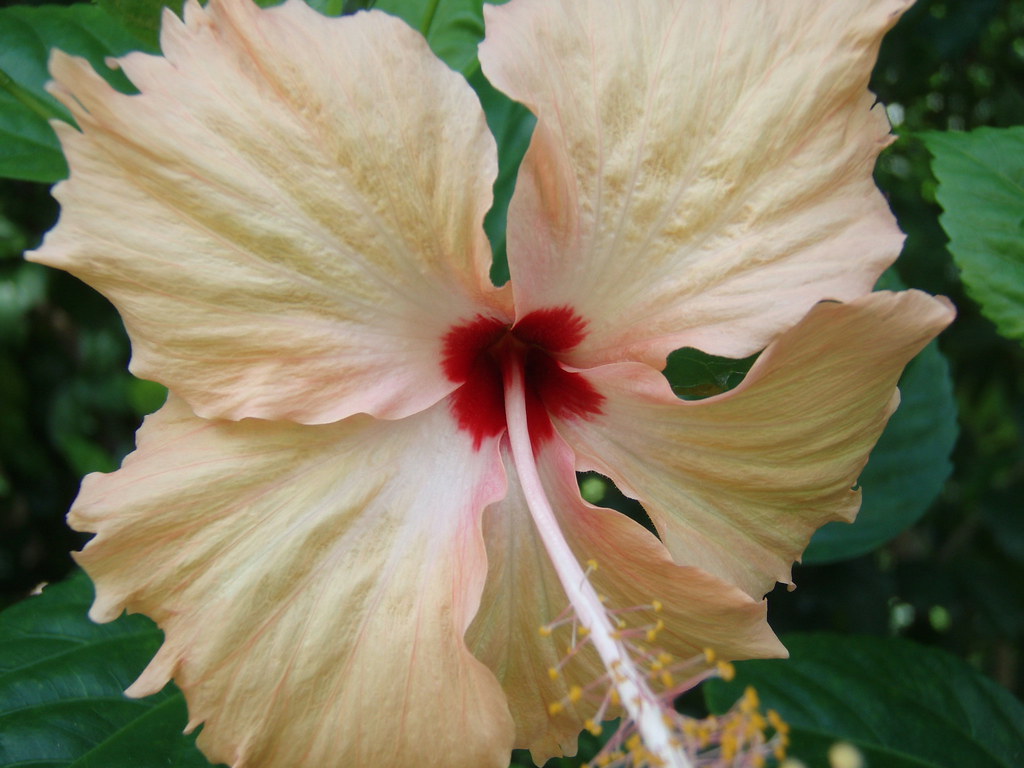
Tart red hibiscus infusion served hot or cold in Egypt.
 Iceland
Warm lopapeysa-style wool hat or sweater inspired by Icelandic knitting.
 Côte d’Ivoire
Chocolate made with cocoa from Côte d'Ivoire, one of the world’s major origins.
 Ghana
Ghana
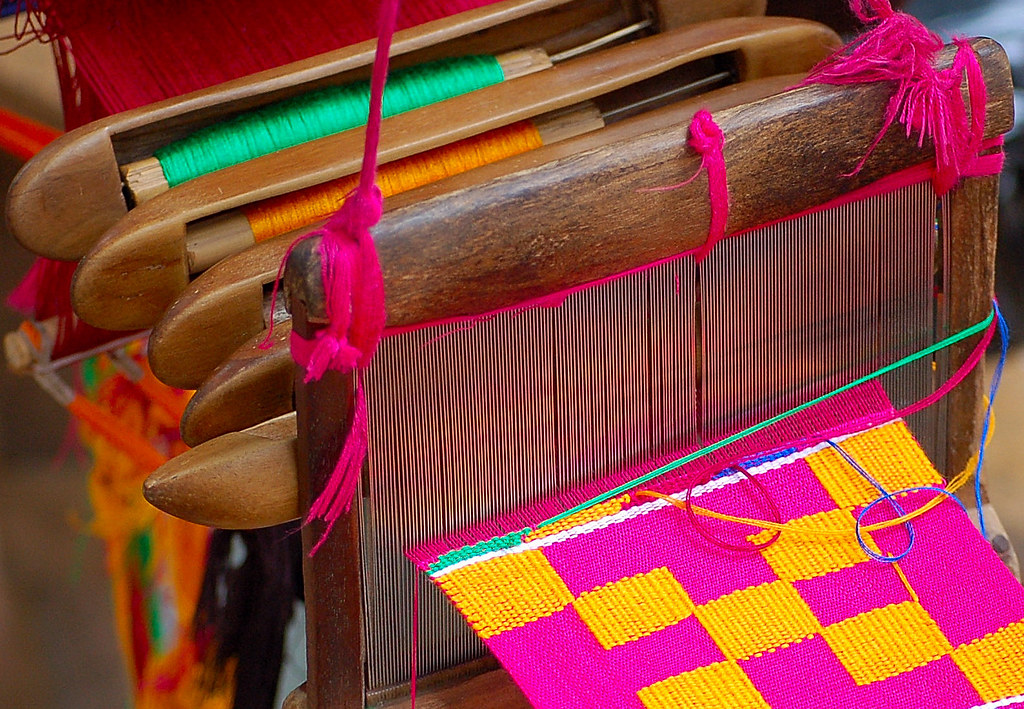
When I think of an easy, crowd-pleasing thing to bring back from Ghana, kente cloth scarf is a good pick because it does not need much explanation when you hand it over. I would avoid the obvious tourist print and look for something with a local pattern, fabric or cut that still works with normal clothes back in the UK. I would rate it higher when it is locally made, clearly labelled and easy to use at home, and lower when it is just tourist packaging.
 Laos
Laos
Coffee from the Bolaven Plateau, often robust and chocolatey.
 Malawi
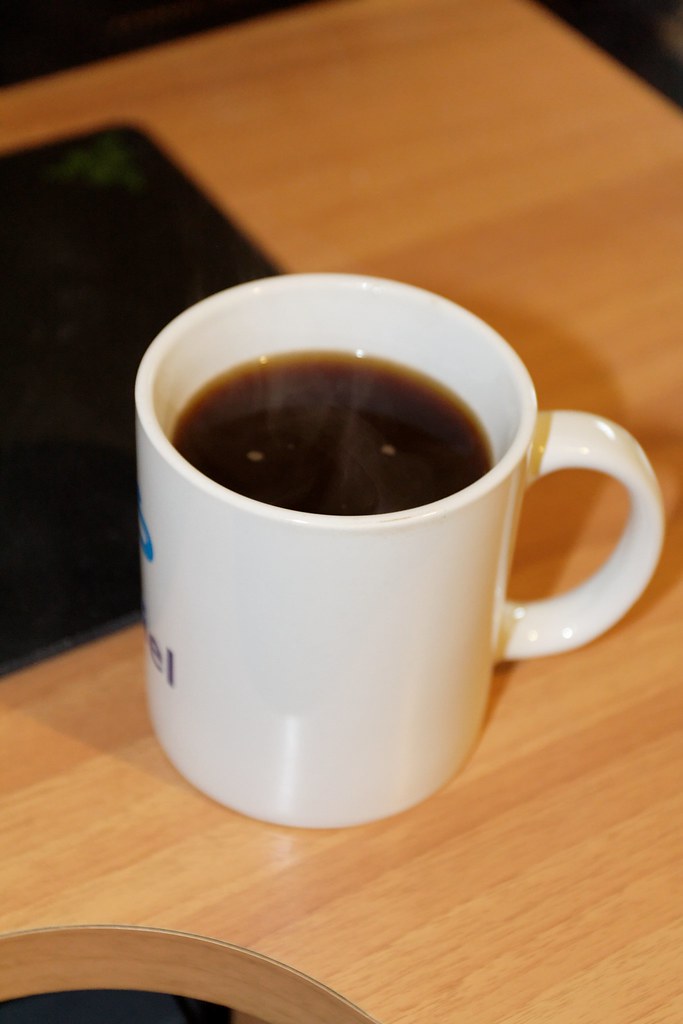
Small-origin speciality coffee, often bright and sweet.
 India
India
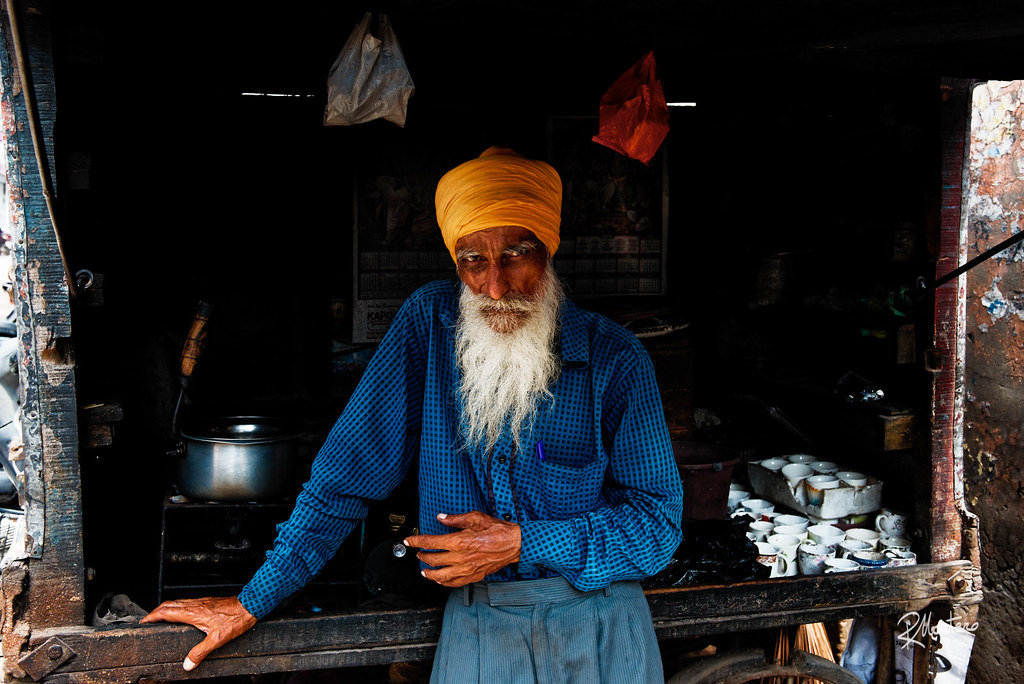
I would put Masala chai tea on the list for India because it is the kind of thing that feels useful once you are home, not just another airport purchase. It is a good one because people can try it slowly at home, and it makes a nicer gift than a mug with a place name printed on it. The reason it works is that it gives you a quick reminder of the trip without needing to keep a fragile ornament safe forever.
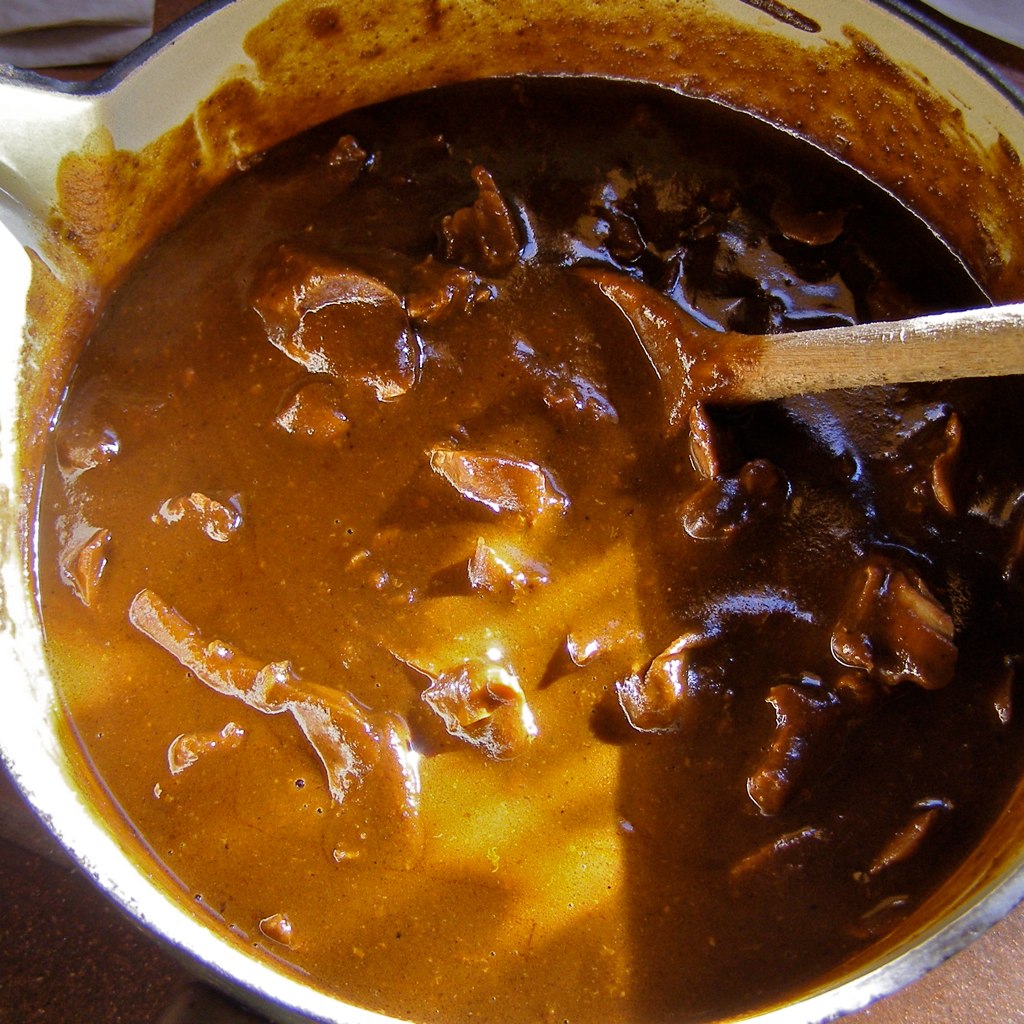 Mexico
I would put Mole paste on the list for Mexico because it is the kind of thing that feels useful once you are home, not just another airport purchase. The best version is usually the sealed jar, tin or packet from a normal supermarket, spice stall or food hall, not the most expensive tourist version. The reason it works is that it gives you a quick reminder of the trip without needing to keep a fragile ornament safe forever.
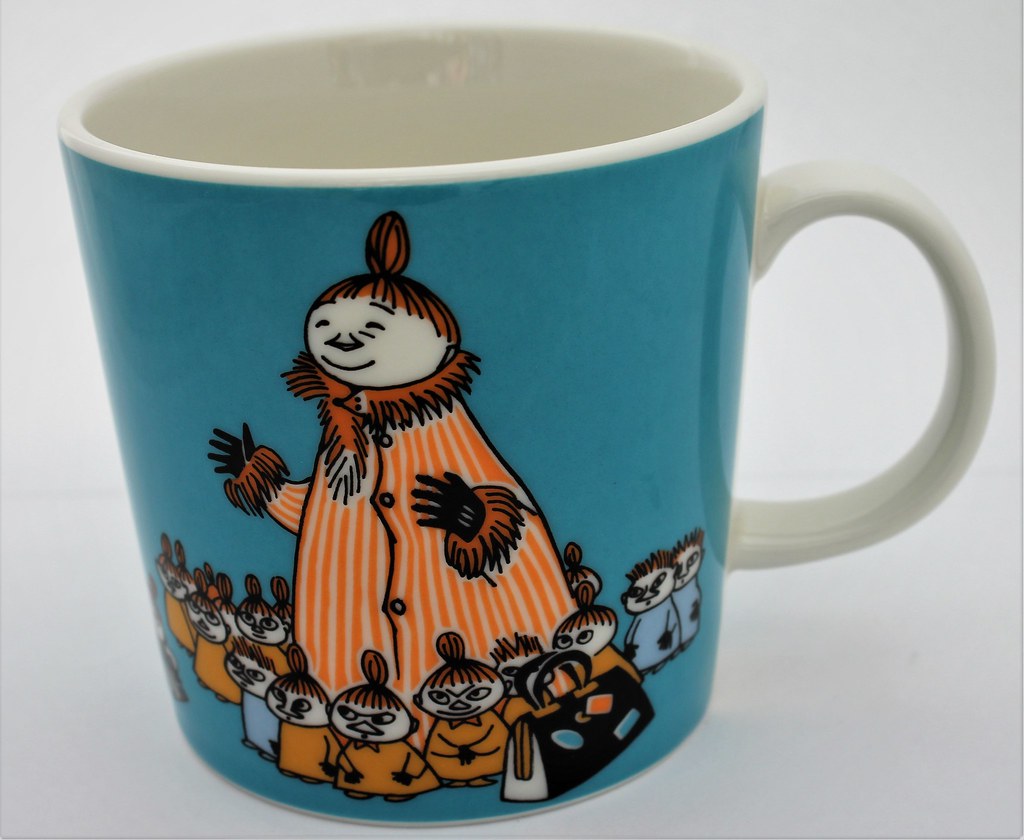 Finland
Moomin mug is worth adding because it feels like something you actually noticed while travelling through Finland, rather than a generic souvenir. The trick is to choose the simple, well-made version. Small craft items look better on a shelf when they are not too shiny or mass-produced. The ideal version is modestly priced, not too bulky, and good enough that you would buy it again even without the holiday memory.
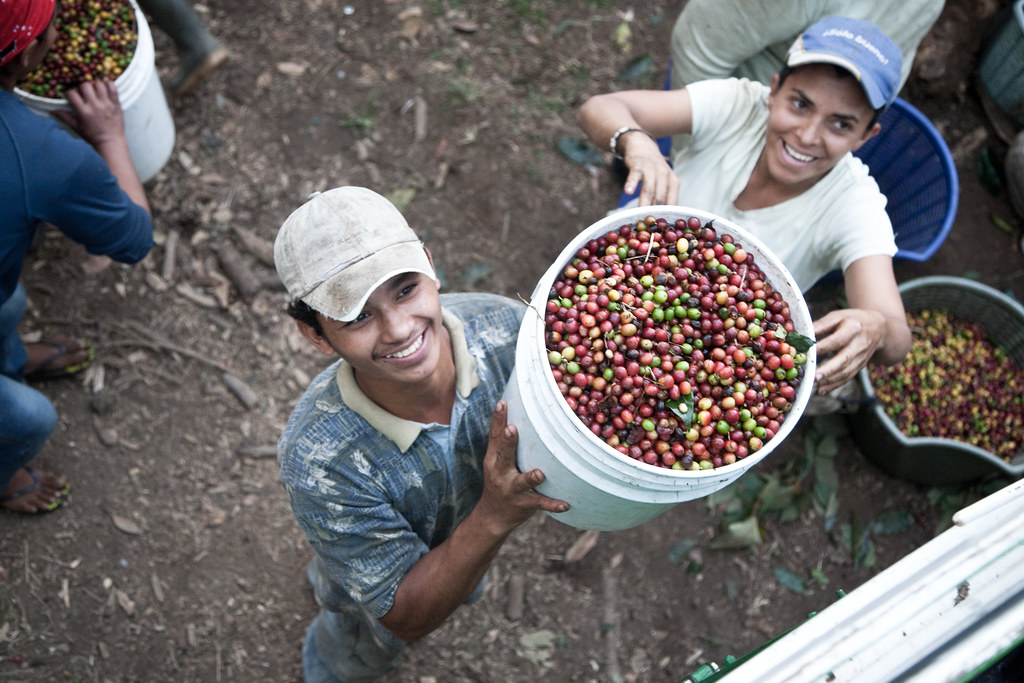 Nicaragua
Coffee beans from Matagalpa or Jinotega, often smooth and chocolatey.
Dry-cured ham from Montenegro, usually served thinly sliced.
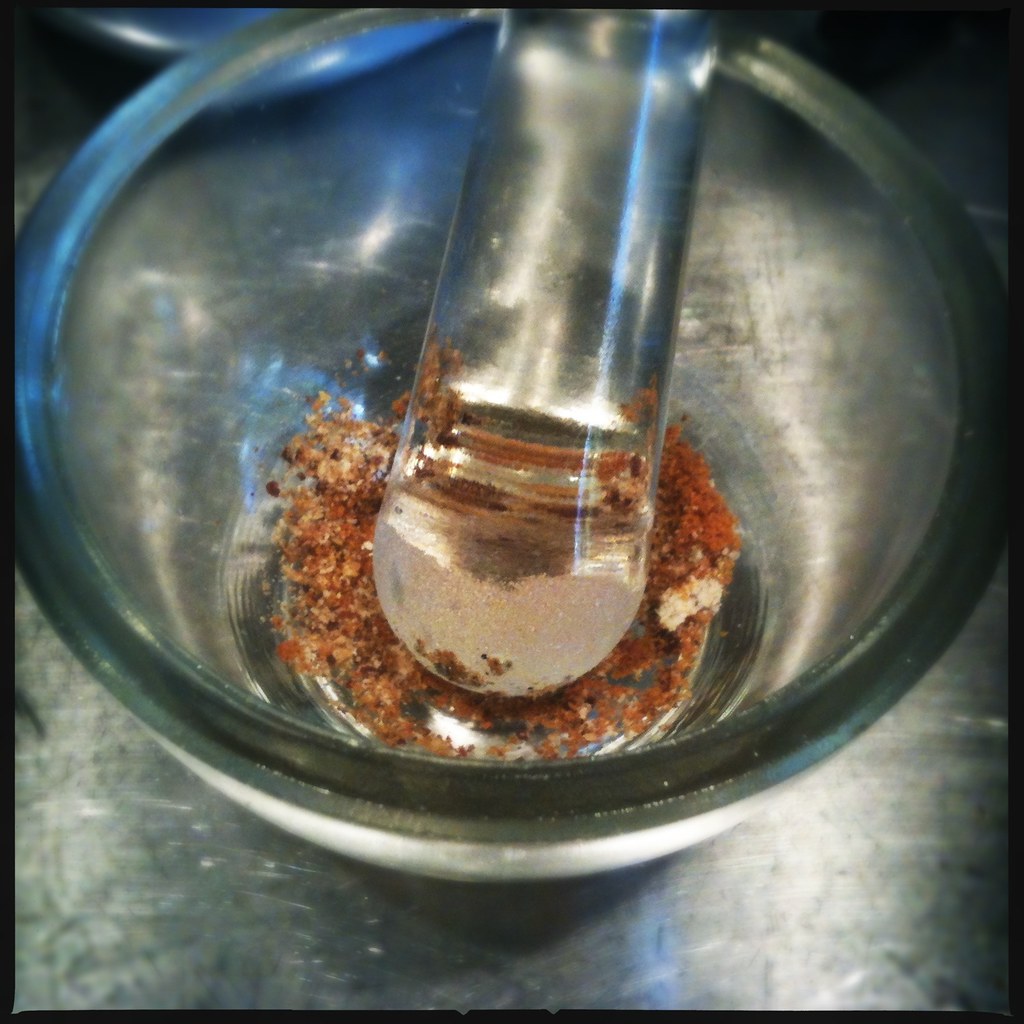 Cameroon
I would put Penja white pepper on the list for Cameroon because it is the kind of thing that feels useful once you are home, not just another airport purchase. The best version is usually the sealed jar, tin or packet from a normal supermarket, spice stall or food hall, not the most expensive tourist version. The reason it works is that it gives you a quick reminder of the trip without needing to keep a fragile ornament safe forever.
 Mozambique
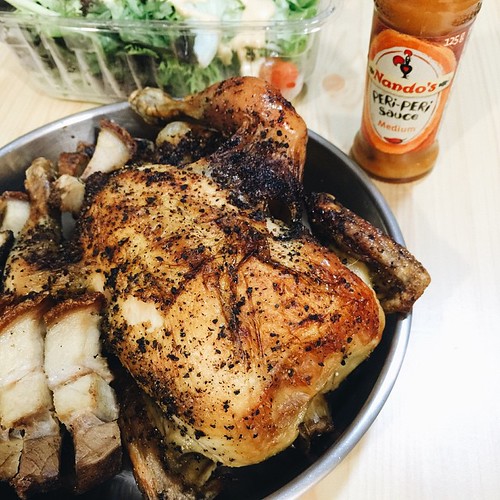
Fiery chilli sauce linked to Mozambican and Portuguese cooking.
 Haiti
Haiti
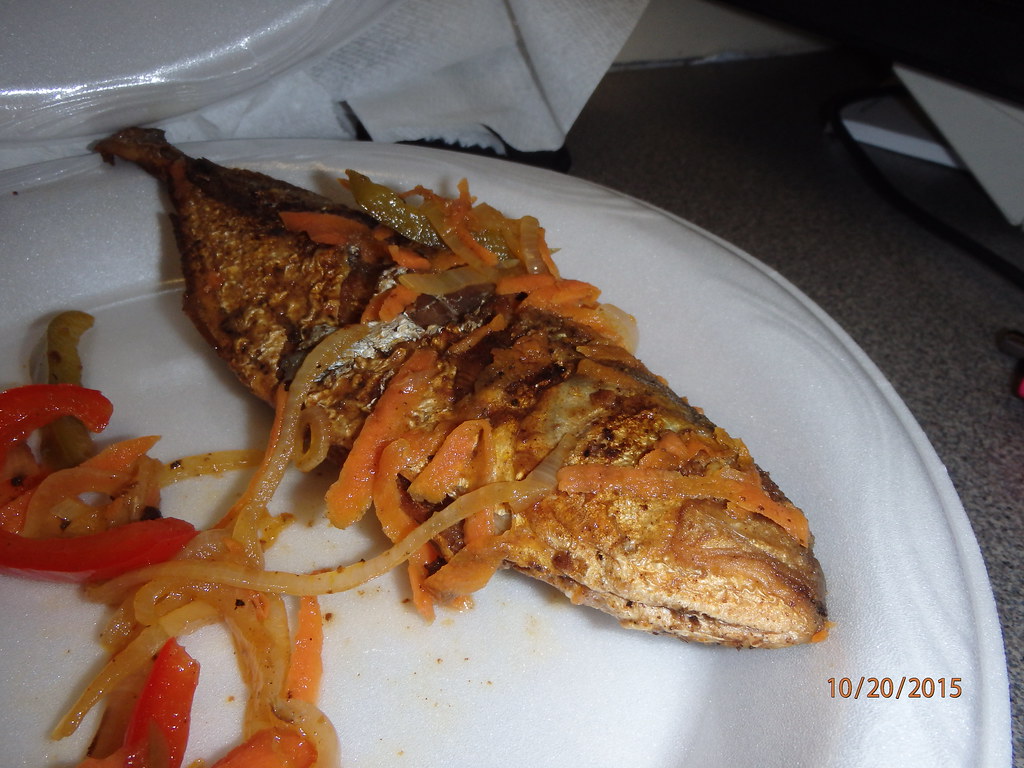
Spicy pickled cabbage and carrot condiment for fried foods and rice dishes.
 Taiwan
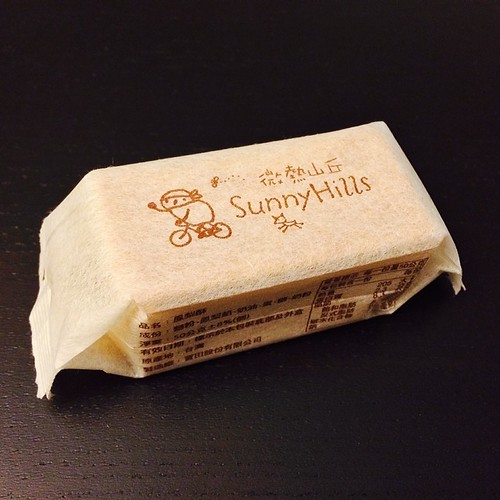
I would put Pineapple cakes on the list for Taiwan because it is the kind of thing that feels useful once you are home, not just another airport purchase. Look for a boxed version with a decent date on it, especially if you are buying it near the start of the trip rather than at the airport. The reason it works is that it gives you a quick reminder of the trip without needing to keep a fragile ornament safe forever.
 Qatar
Qatar
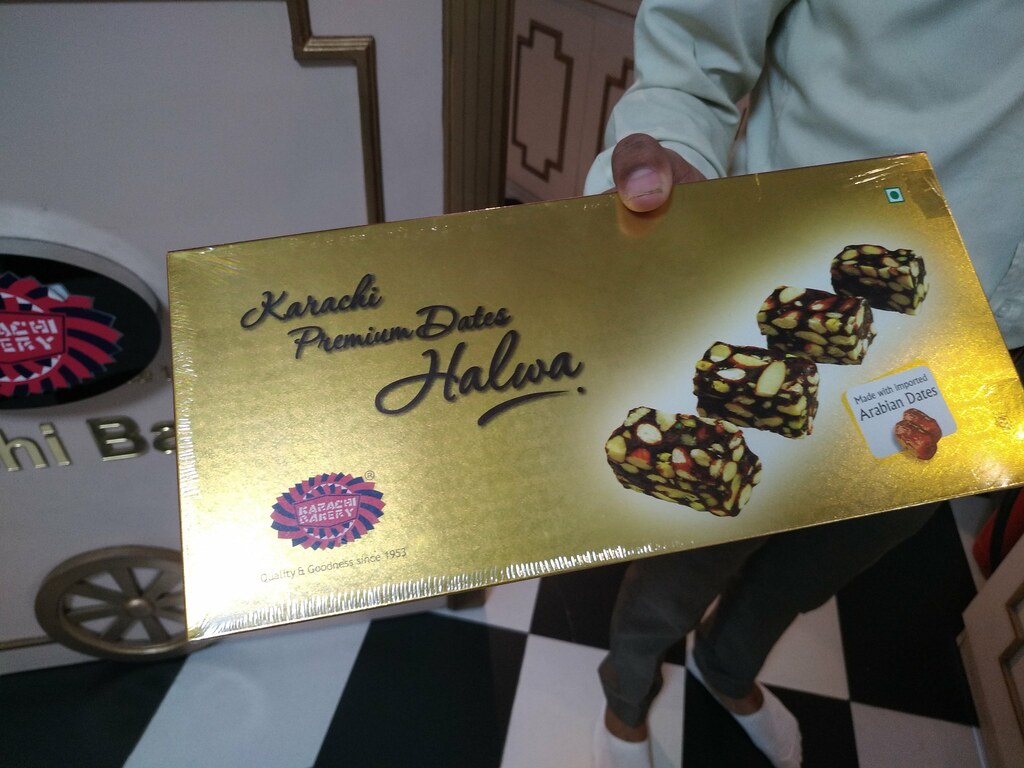
Decorative box of stuffed or plain dates, popular as a Gulf gift.
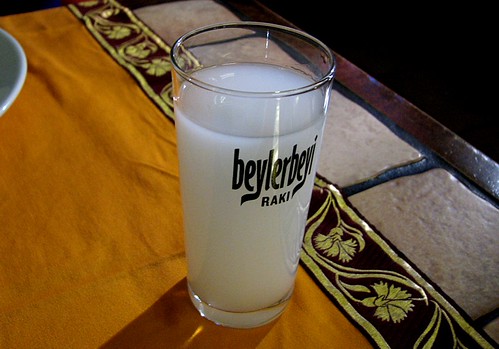 Turkey
Aniseed spirit often served with water and meze.
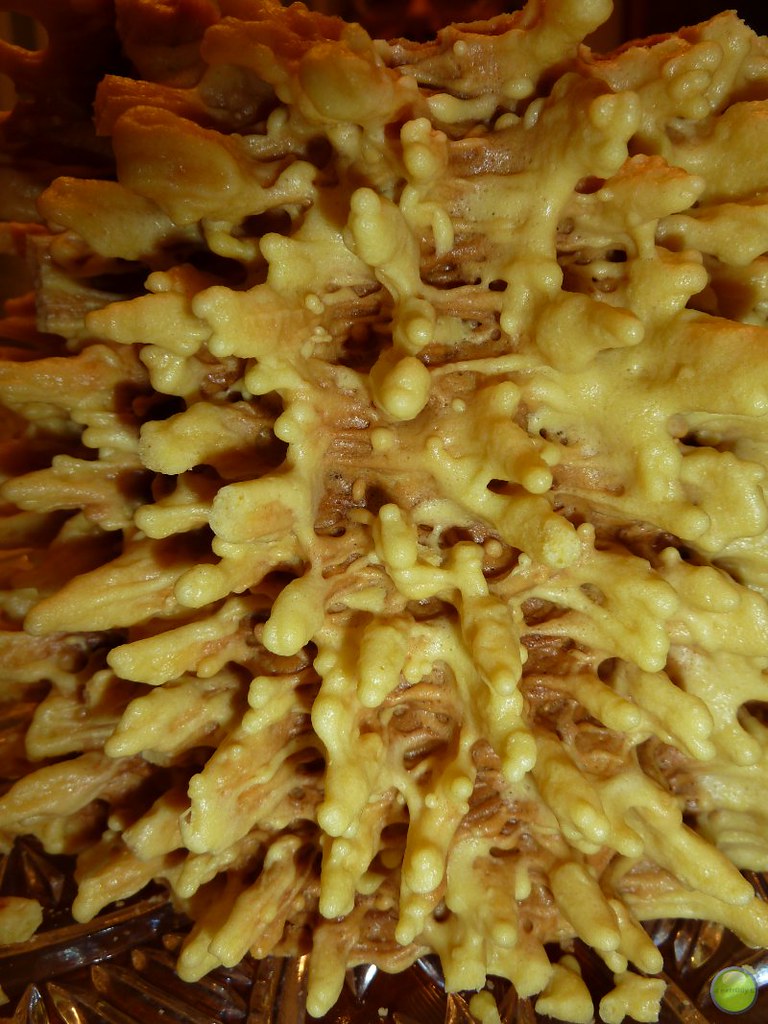 Lithuania
Tree-shaped spit cake served at celebrations.
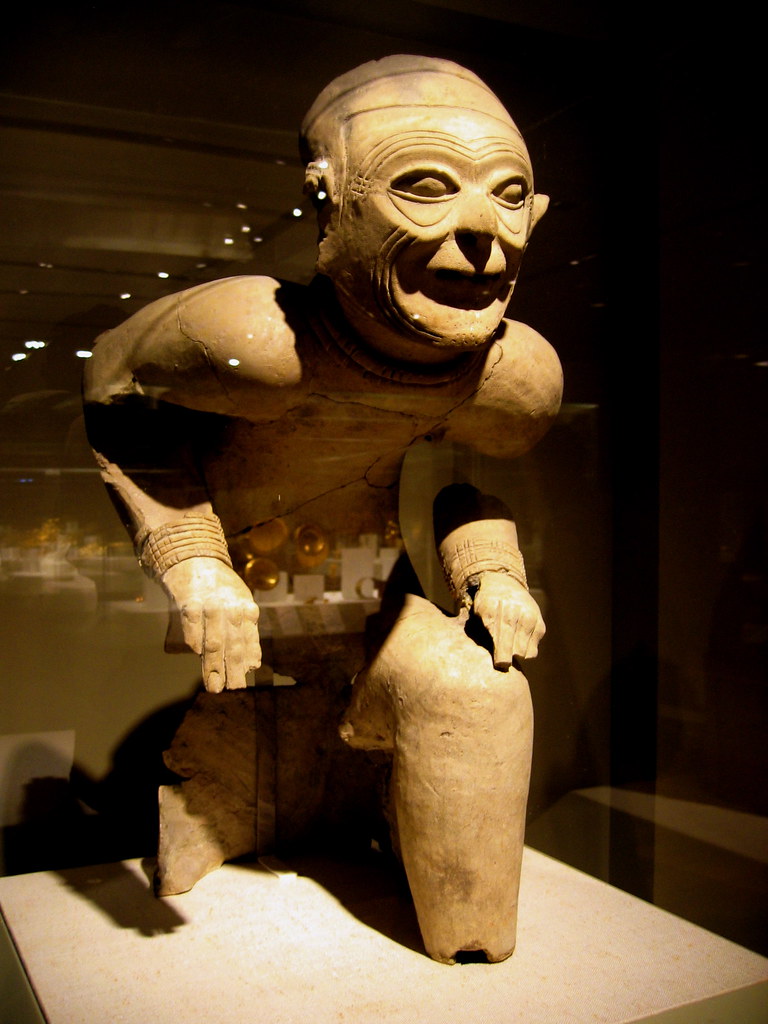 Kiribati
Modern beach-style necklace inspired by island craft.
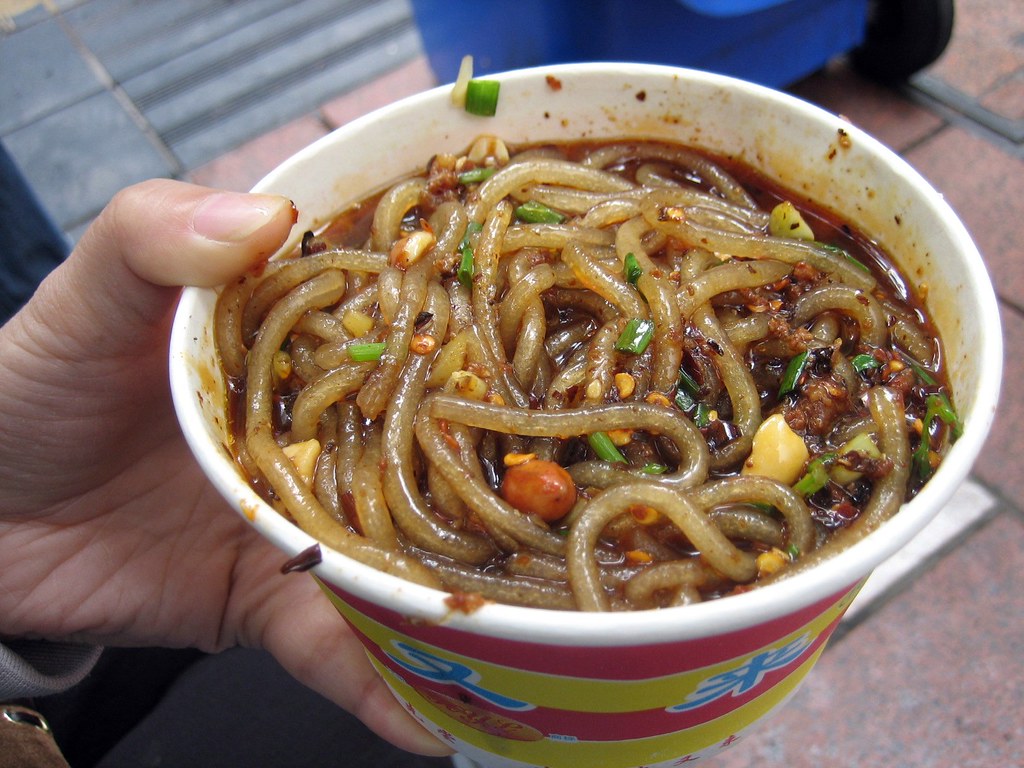 China
China
This is exactly the sort of thing I like bringing back from China: small enough to fit in a bag, but specific enough to remind you where you bought it. The best version is usually the sealed jar, tin or packet from a normal supermarket, spice stall or food hall, not the most expensive tourist version. It is also the kind of thing you can talk about when someone asks what you brought back, because there is usually a little story attached to where you found it.
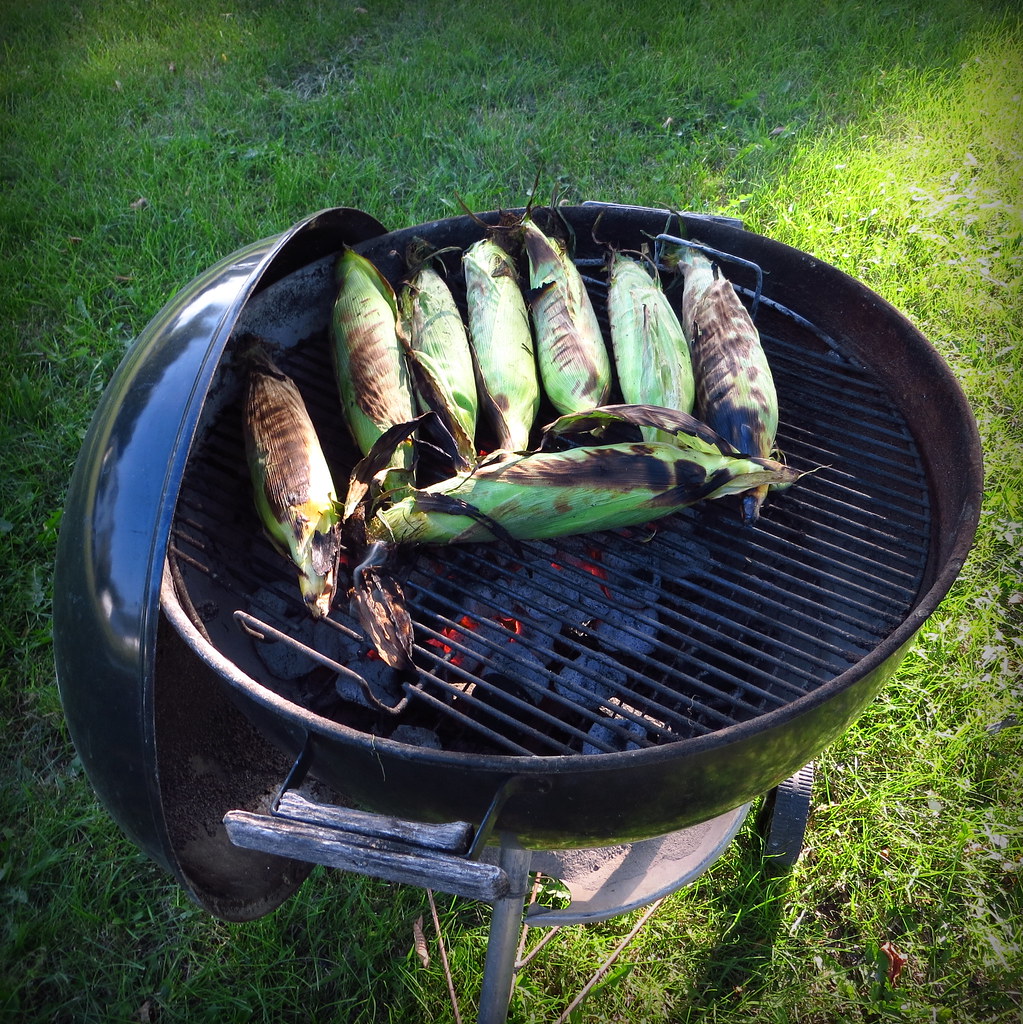 Spain
Spain
I would put Smoked paprika pimentón on the list for Spain because it is the kind of thing that feels useful once you are home, not just another airport purchase. The best version is usually the sealed jar, tin or packet from a normal supermarket, spice stall or food hall, not the most expensive tourist version. The reason it works is that it gives you a quick reminder of the trip without needing to keep a fragile ornament safe forever.
 Netherlands
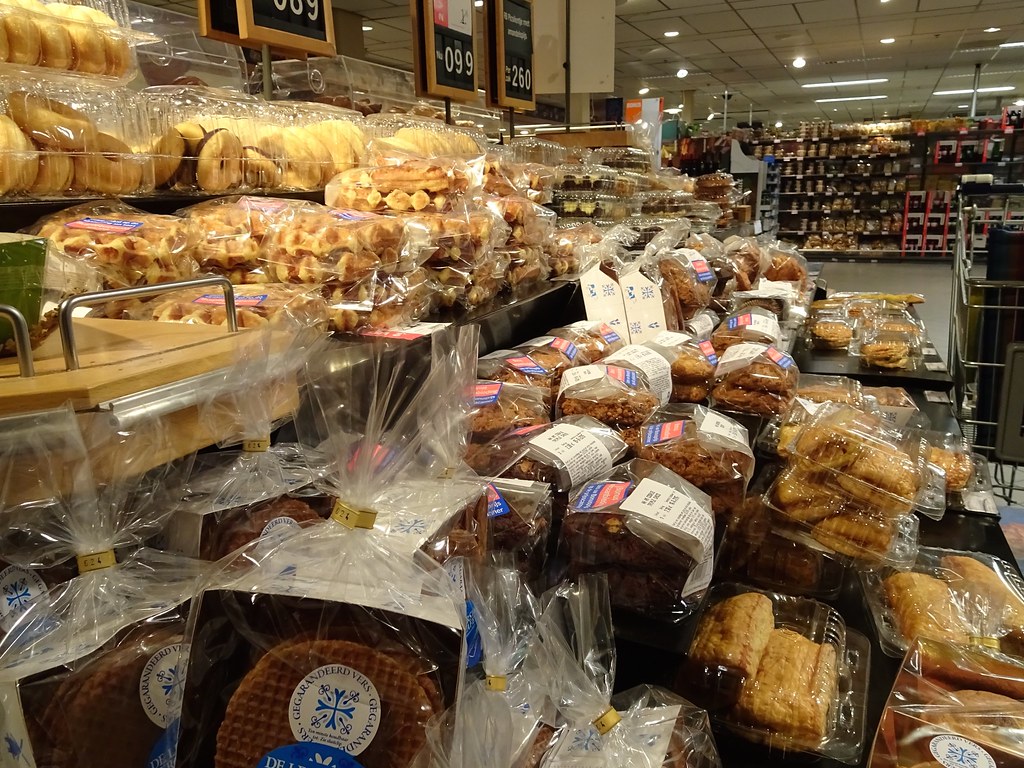
I would put Stroopwafels on the list for Netherlands because it is the kind of thing that feels useful once you are home, not just another airport purchase. Biscuits and dry breads are good because they survive the journey and are easy to share at work or with family. The reason it works is that it gives you a quick reminder of the trip without needing to keep a fragile ornament safe forever.
 Switzerland
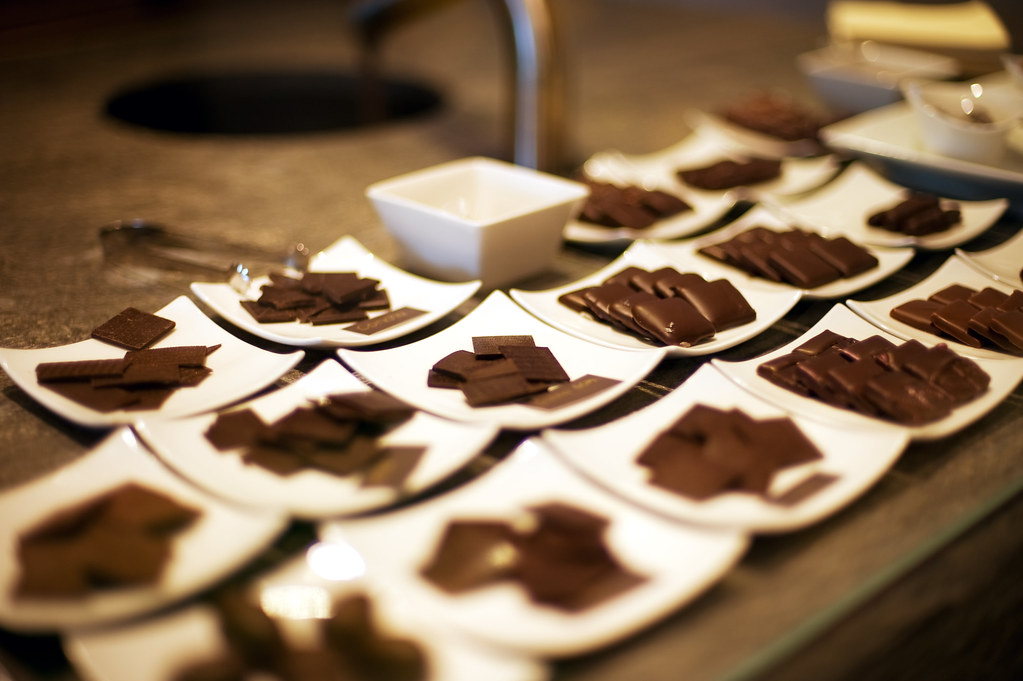
High-quality milk or dark chocolate bars from Swiss makers.
 Uruguay
Bold red wine made from Uruguay’s signature grape.
 Australia
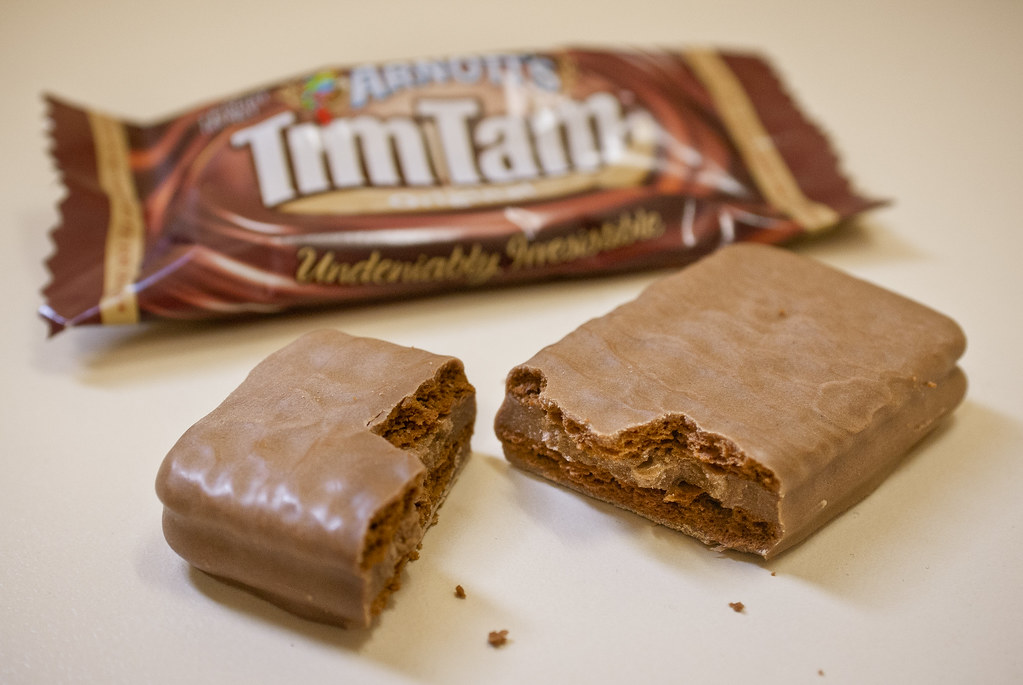
I would put Tim Tam biscuits on the list for Australia because it is the kind of thing that feels useful once you are home, not just another airport purchase. I would buy a couple of packets: one to open while travelling and one to bring home unopened, because snacks have a habit of disappearing before the flight. The reason it works is that it gives you a quick reminder of the trip without needing to keep a fragile ornament safe forever.
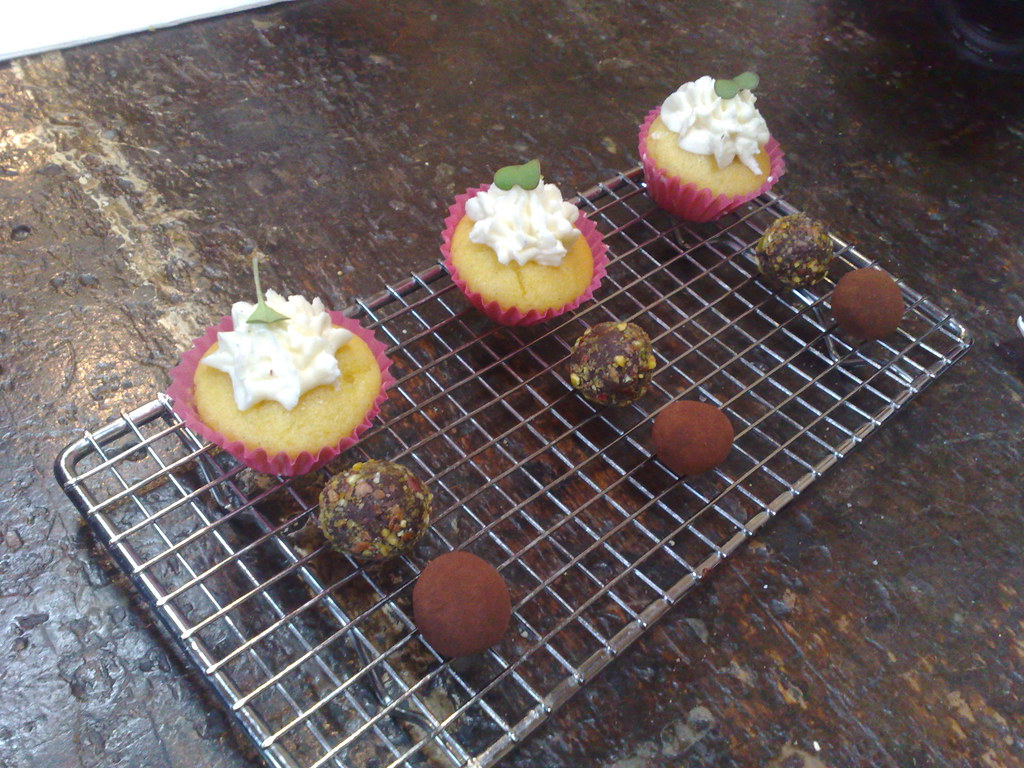 Vanuatu
Vanilla pods or extract from Vanuatu’s island producers.
 Australia
Yeast extract spread with a salty savoury flavour.
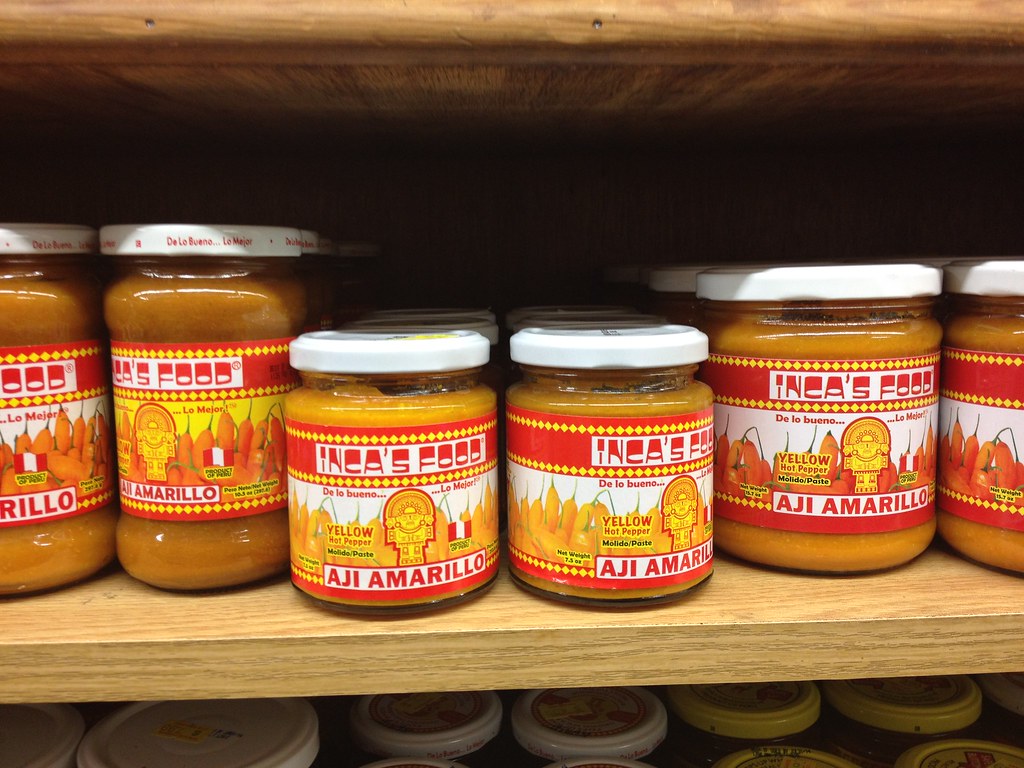 Peru
Peru
This is exactly the sort of thing I like bringing back from Peru: small enough to fit in a bag, but specific enough to remind you where you bought it. The best version is usually the sealed jar, tin or packet from a normal supermarket, spice stall or food hall, not the most expensive tourist version. It is also the kind of thing you can talk about when someone asks what you brought back, because there is usually a little story attached to where you found it.
When I think of an easy, crowd-pleasing thing to bring back from Pakistan, ajrak scarf is a good pick because it does not need much explanation when you hand it over. I would avoid the obvious tourist print and look for something with a local pattern, fabric or cut that still works with normal clothes back in the UK. I would rate it higher when it is locally made, clearly labelled and easy to use at home, and lower when it is just tourist packaging.
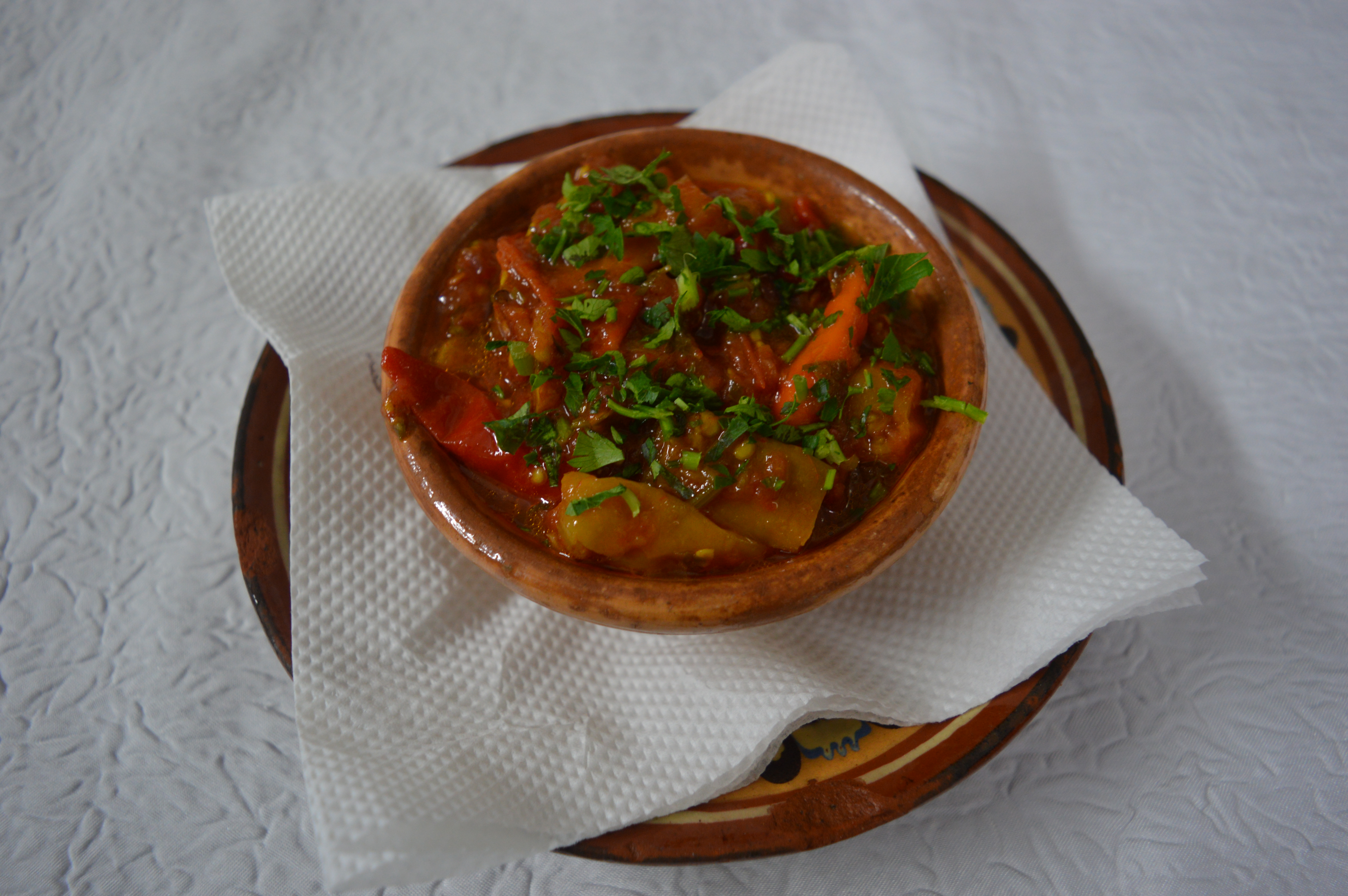 Serbia
Roasted red pepper relish eaten with bread, meat or cheese.
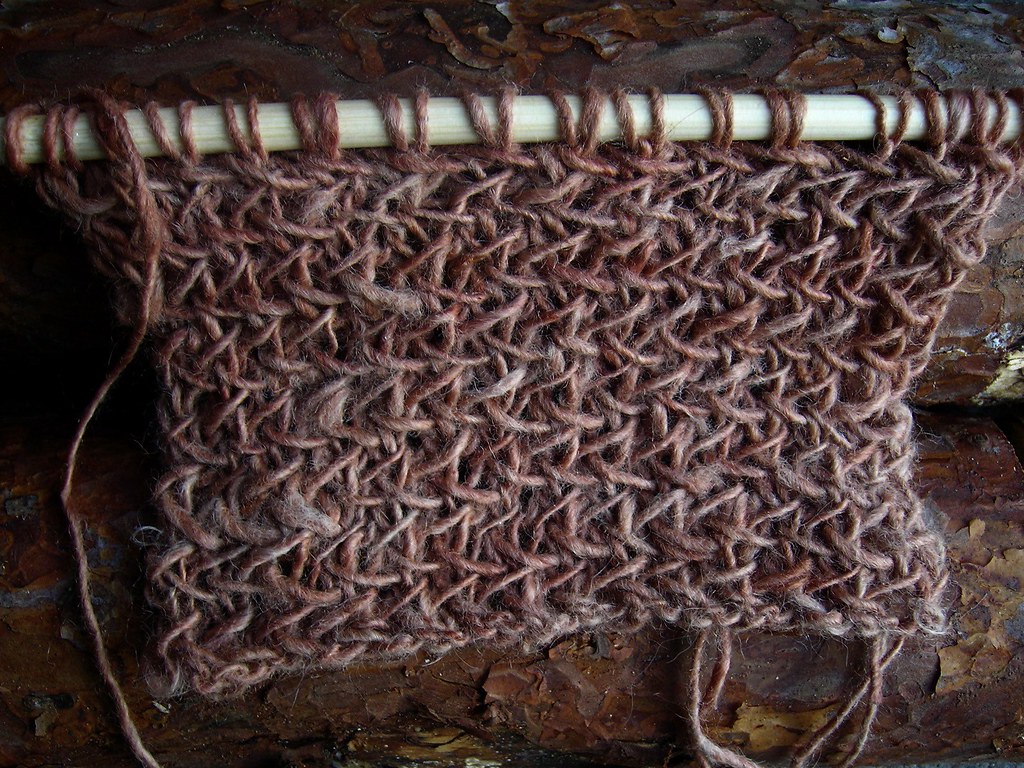 Peru
Peru
When I think of an easy, crowd-pleasing thing to bring back from Peru, alpaca scarf is a good pick because it does not need much explanation when you hand it over. I would avoid the obvious tourist print and look for something with a local pattern, fabric or cut that still works with normal clothes back in the UK. I would rate it higher when it is locally made, clearly labelled and easy to use at home, and lower when it is just tourist packaging.
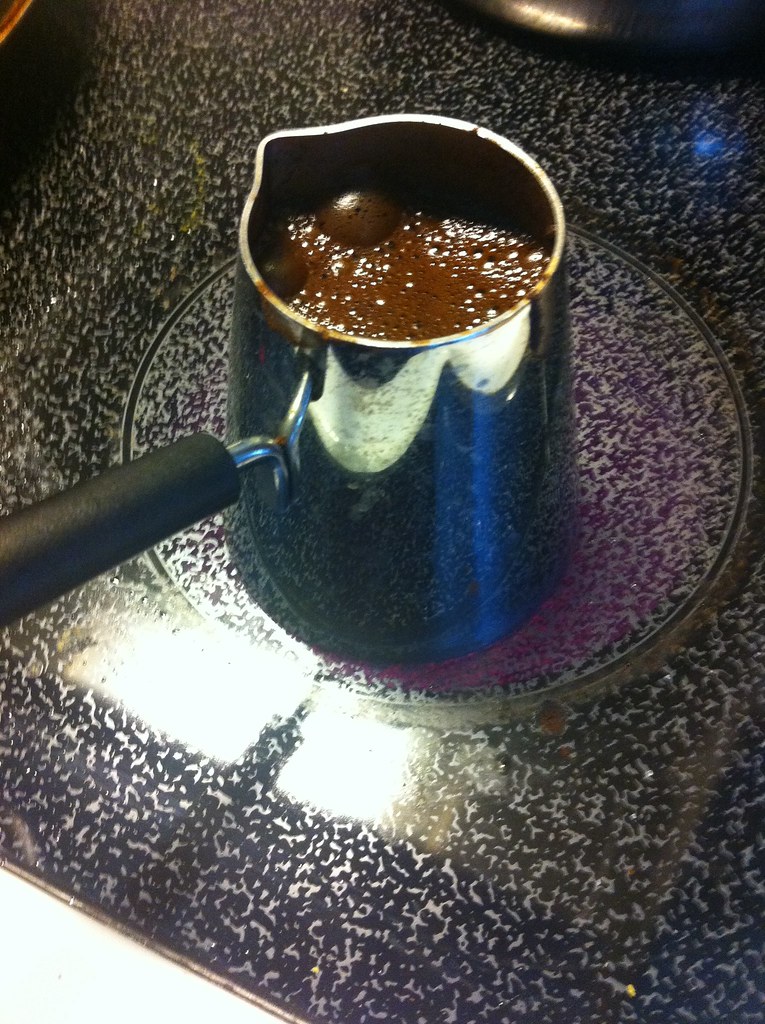 Saudi Arabia
Light-roasted coffee with cardamom for traditional gahwa-style serving.
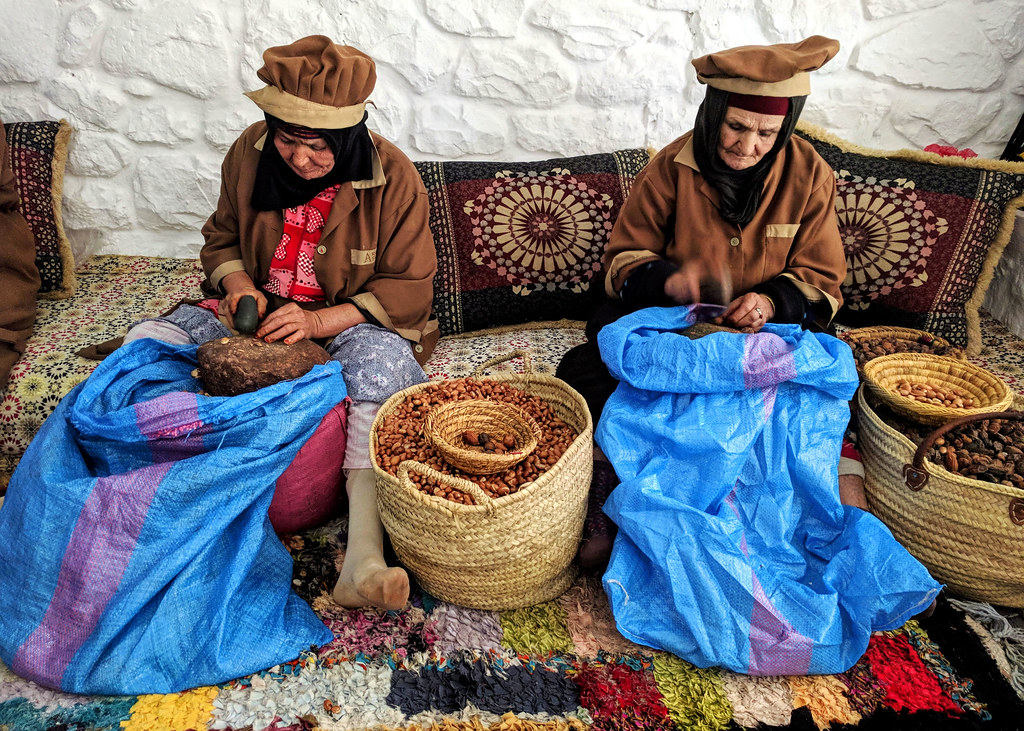 Morocco
I would put Argan oil on the list for Morocco because it is the kind of thing that feels useful once you are home, not just another airport purchase. Oils and vinegars work well when the bottle is small, sealed and wrapped in clothing inside checked luggage. The reason it works is that it gives you a quick reminder of the trip without needing to keep a fragile ornament safe forever.
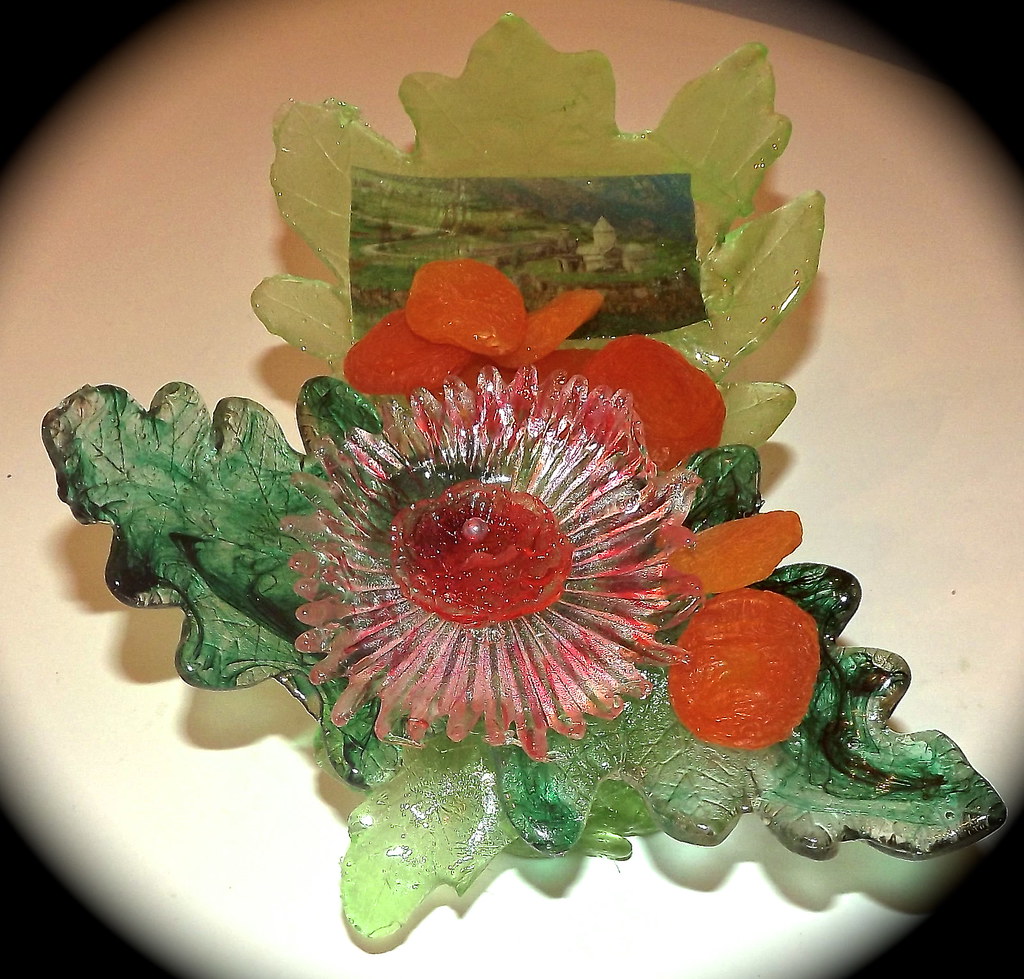 Armenia
I would put Armenian dried apricots on the list for Armenia because it is the kind of thing that feels useful once you are home, not just another airport purchase. I would buy a couple of packets: one to open while travelling and one to bring home unopened, because snacks have a habit of disappearing before the flight. The reason it works is that it gives you a quick reminder of the trip without needing to keep a fragile ornament safe forever.
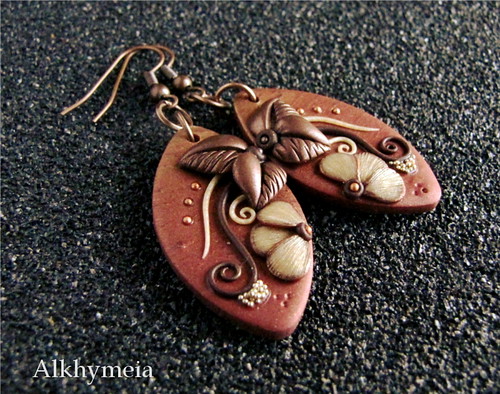 Italy
Italy
When I think of an easy, crowd-pleasing thing to bring back from Italy, artisanal pasta is a good pick because it does not need much explanation when you hand it over. Grains, pasta and rice are not glamorous, but they are useful, cheap and often taste different from the UK supermarket version. I would rate it higher when it is locally made, clearly labelled and easy to use at home, and lower when it is just tourist packaging.
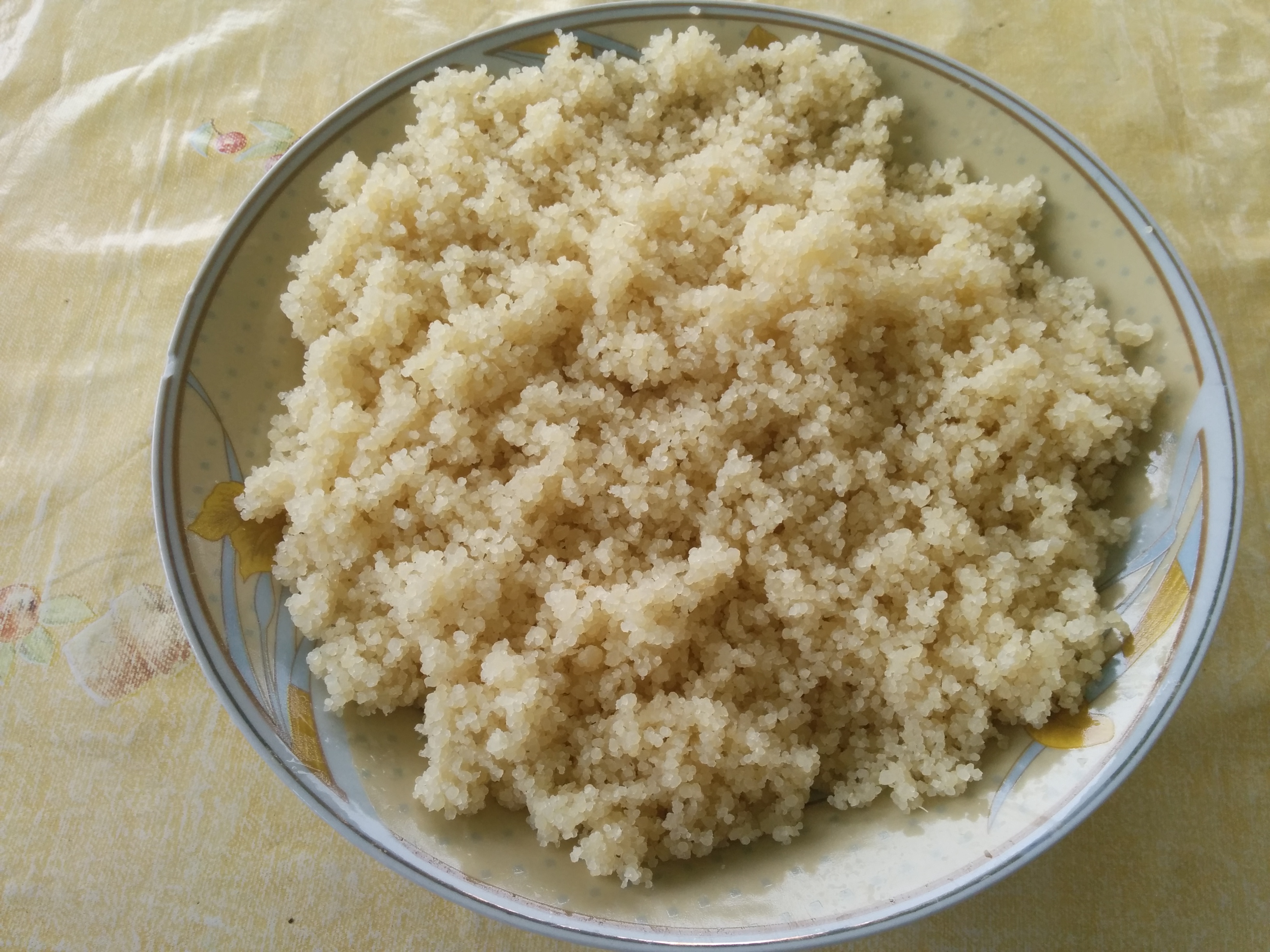 Côte d’Ivoire
Cassava couscous used with grilled fish, chicken and sauces.
 Bahamas
I would put Bahamian rum cake on the list for Bahamas because it is the kind of thing that feels useful once you are home, not just another airport purchase. Look for a boxed version with a decent date on it, especially if you are buying it near the start of the trip rather than at the airport. The reason it works is that it gives you a quick reminder of the trip without needing to keep a fragile ornament safe forever.
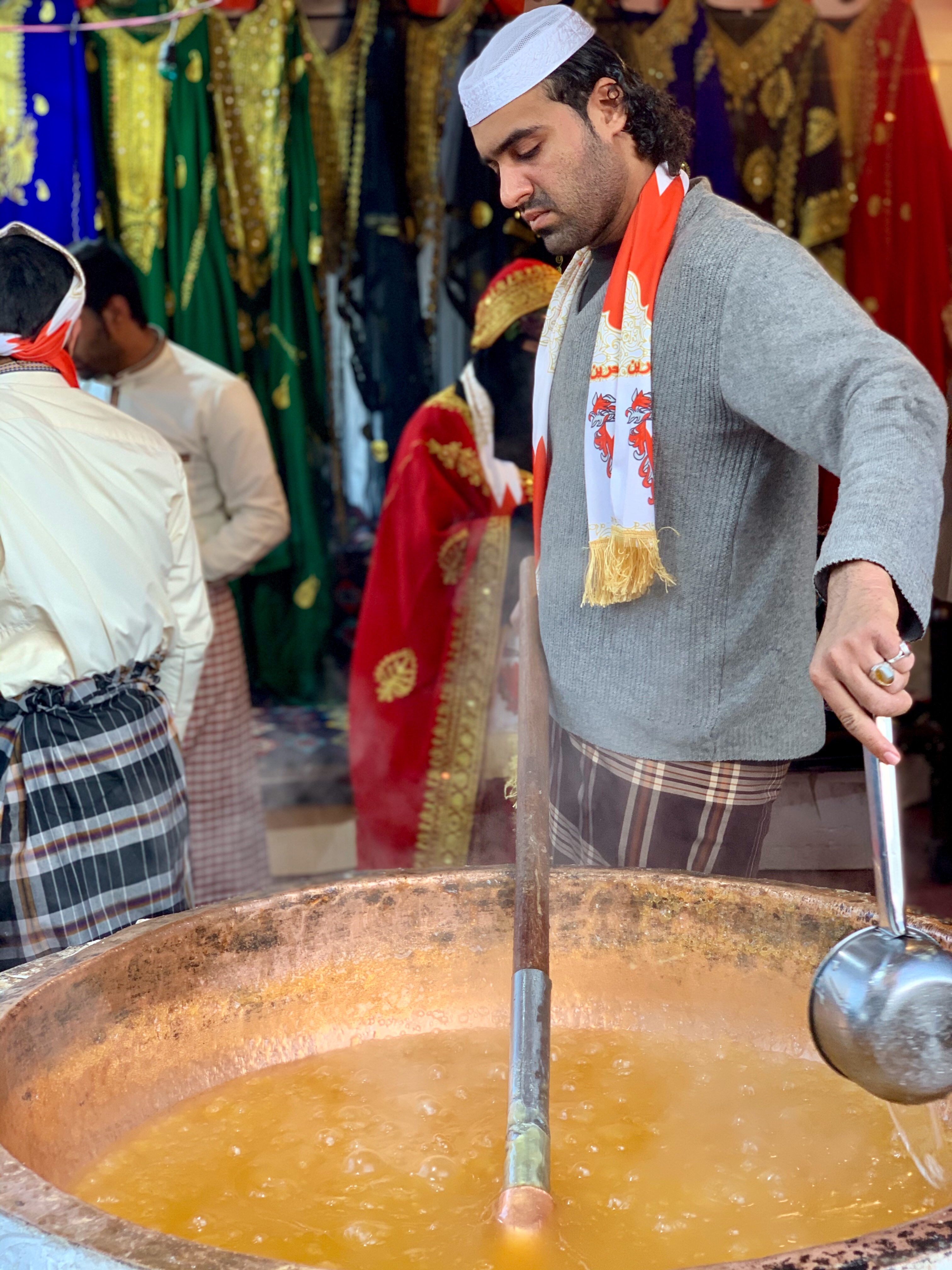 Bahrain
I would put Bahraini halwa on the list for Bahrain because it is the kind of thing that feels useful once you are home, not just another airport purchase. Look for a boxed version with a decent date on it, especially if you are buying it near the start of the trip rather than at the airport. The reason it works is that it gives you a quick reminder of the trip without needing to keep a fragile ornament safe forever.
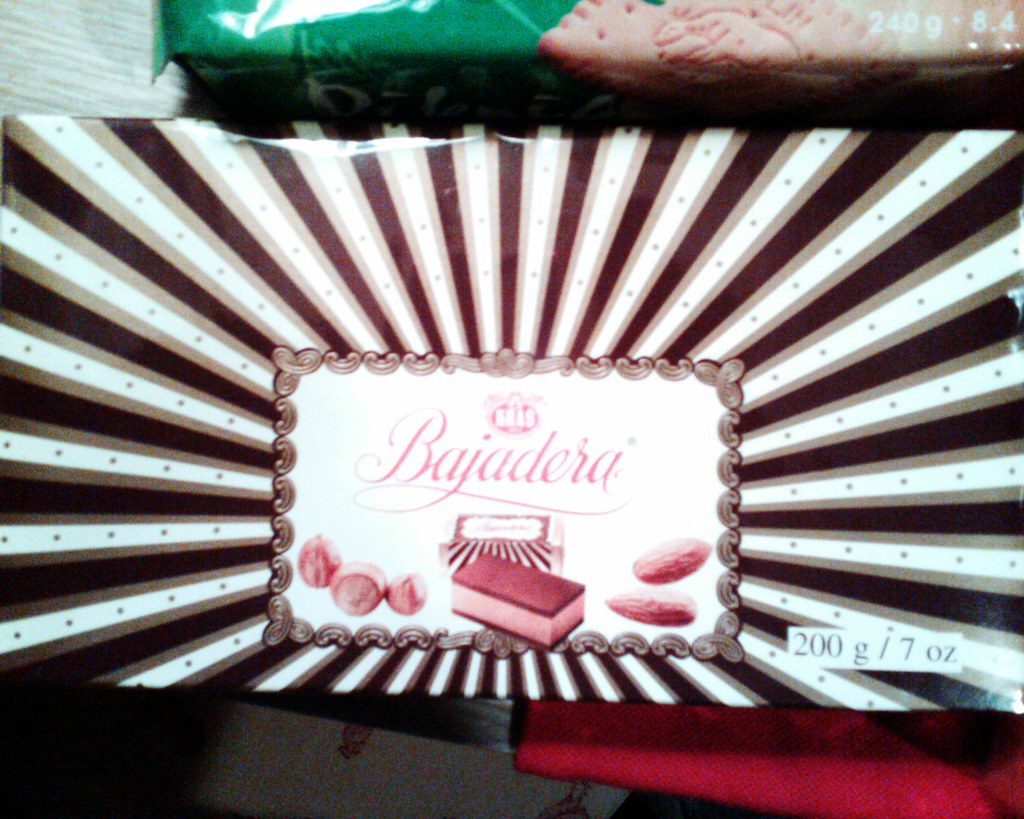 Croatia
When I think of an easy, crowd-pleasing thing to bring back from Croatia, Bajadera chocolates is a good pick because it does not need much explanation when you hand it over. Look for a boxed version with a decent date on it, especially if you are buying it near the start of the trip rather than at the airport. I would rate it higher when it is locally made, clearly labelled and easy to use at home, and lower when it is just tourist packaging.
 Indonesia
When I think of an easy, crowd-pleasing thing to bring back from Indonesia, batik shirt is a good pick because it does not need much explanation when you hand it over. I would avoid the obvious tourist print and look for something with a local pattern, fabric or cut that still works with normal clothes back in the UK. I would rate it higher when it is locally made, clearly labelled and easy to use at home, and lower when it is just tourist packaging.
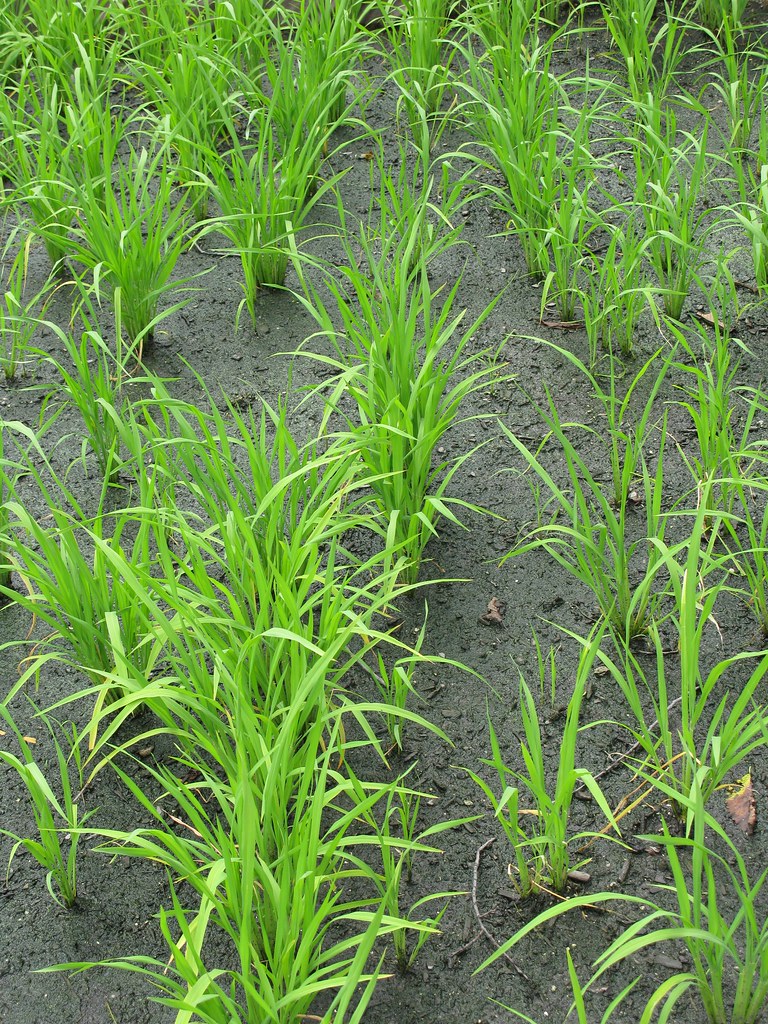 Bhutan
I would put Bhutanese red rice on the list for Bhutan because it is the kind of thing that feels useful once you are home, not just another airport purchase. Grains, pasta and rice are not glamorous, but they are useful, cheap and often taste different from the UK supermarket version. The reason it works is that it gives you a quick reminder of the trip without needing to keep a fragile ornament safe forever.
 India
India
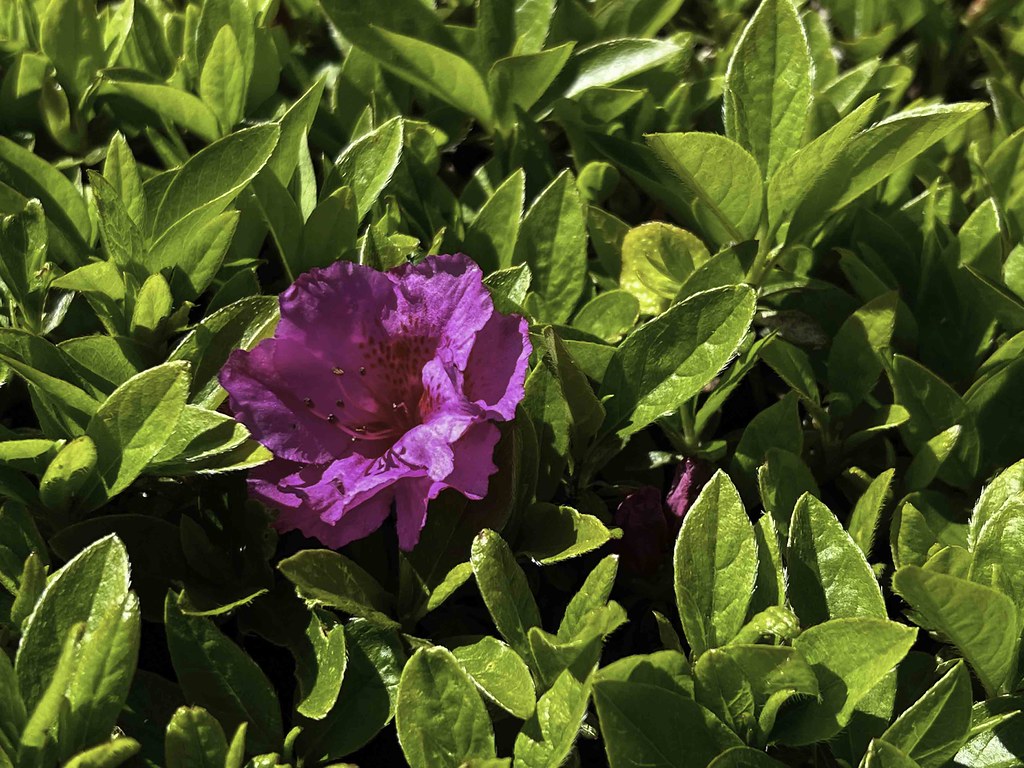
When I think of an easy, crowd-pleasing thing to bring back from India, block-printed cotton scarf is a good pick because it does not need much explanation when you hand it over. I would avoid the obvious tourist print and look for something with a local pattern, fabric or cut that still works with normal clothes back in the UK. I would rate it higher when it is locally made, clearly labelled and easy to use at home, and lower when it is just tourist packaging.
 Bosnia & Herzegovina
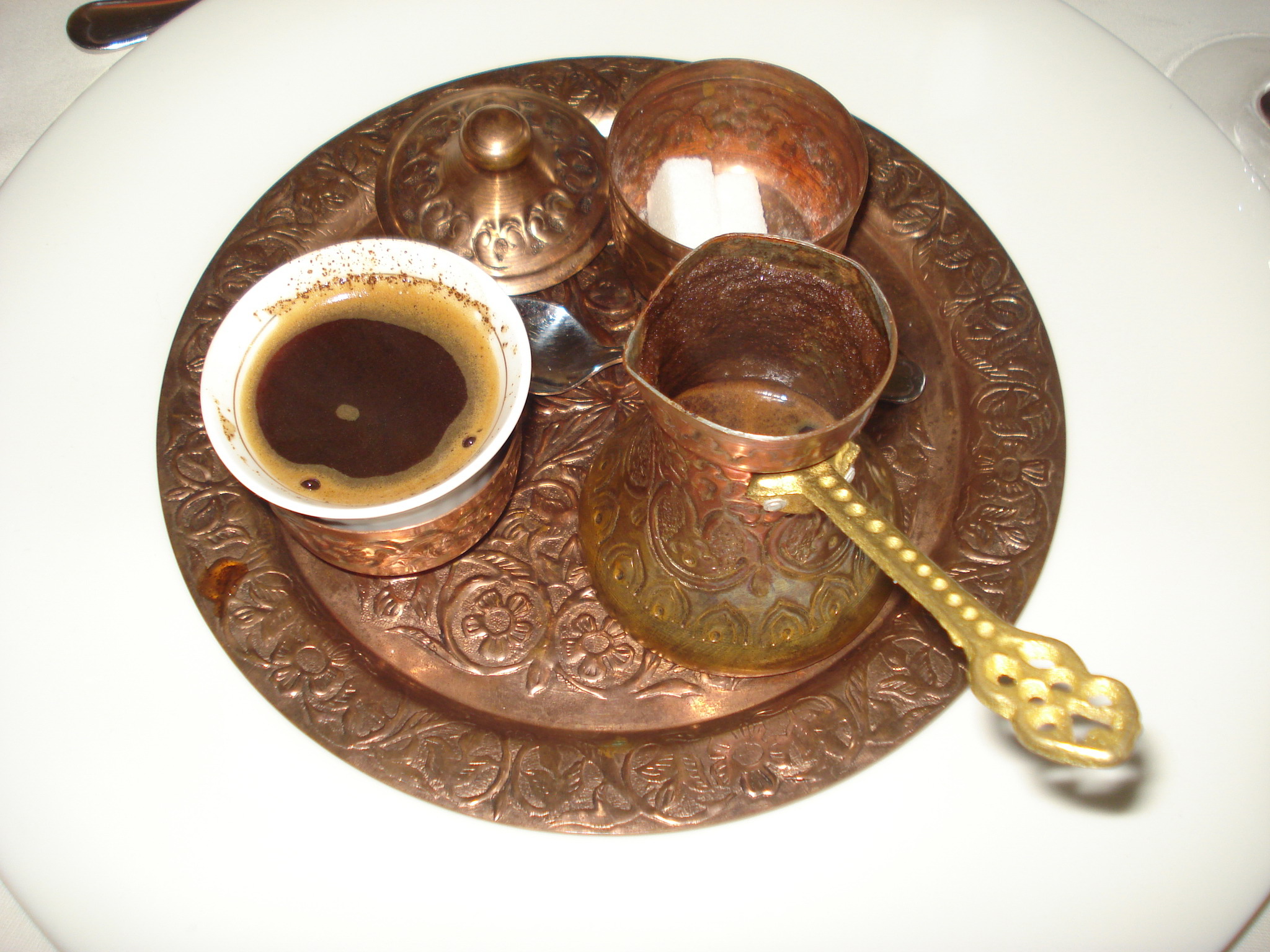
I would put Bosnian coffee set on the list for Bosnia and Herzegovina because it is the kind of thing that feels useful once you are home, not just another airport purchase. It is a good one because people can try it slowly at home, and it makes a nicer gift than a mug with a place name printed on it. The reason it works is that it gives you a quick reminder of the trip without needing to keep a fragile ornament safe forever.
 Botswana
This is exactly the sort of thing I like bringing back from Botswana: small enough to fit in a bag, but specific enough to remind you where you bought it. The trick is to choose the simple, well-made version. Small craft items look better on a shelf when they are not too shiny or mass-produced. It is also the kind of thing you can talk about when someone asks what you brought back, because there is usually a little story attached to where you found it.
 Bulgaria
I would put Bulgarian rose oil perfume on the list for Bulgaria because it is the kind of thing that feels useful once you are home, not just another airport purchase. Small bottles are best. A local scent, soap or oil feels personal, but it is still easy to pack and usually does not cost airport-perfume money. The reason it works is that it gives you a quick reminder of the trip without needing to keep a fragile ornament safe forever.
 Trinidad & Tobago
Caribbean curry powder used in roti, stews and marinades.
 Chile
Chile
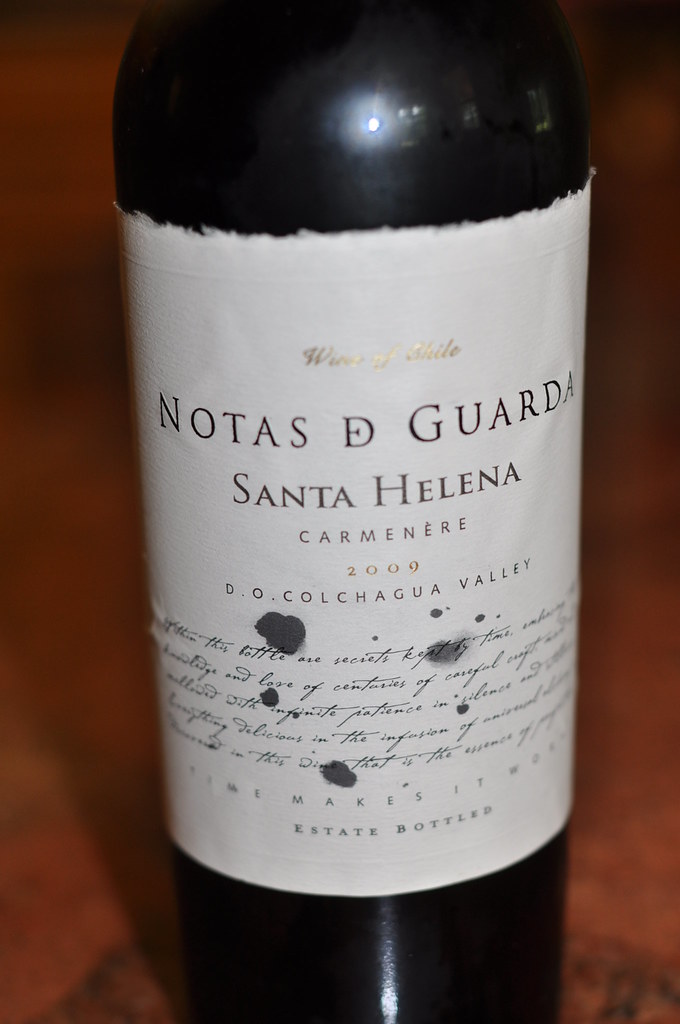
This is exactly the sort of thing I like bringing back from Chile: small enough to fit in a bag, but specific enough to remind you where you bought it. Wine is a great memory of a meal, but I would wrap it carefully and only carry it when the luggage situation makes sense. It is also the kind of thing you can talk about when someone asks what you brought back, because there is usually a little story attached to where you found it.
 Sri Lanka
This is exactly the sort of thing I like bringing back from Sri Lanka: small enough to fit in a bag, but specific enough to remind you where you bought it. The best version is usually the sealed jar, tin or packet from a normal supermarket, spice stall or food hall, not the most expensive tourist version. It is also the kind of thing you can talk about when someone asks what you brought back, because there is usually a little story attached to where you found it.
 Cyprus
Sweet Cypriot dessert wine with a long history, made from sun-dried grapes.
 Bosnia & Herzegovina
Copper coffee pot džezva is worth adding because it feels like something you actually noticed while travelling through Bosnia and Herzegovina, rather than a generic souvenir. The trick is to choose the simple, well-made version. Small craft items look better on a shelf when they are not too shiny or mass-produced. The ideal version is modestly priced, not too bulky, and good enough that you would buy it again even without the holiday memory.
 Cuba
Cuba
I would put Cuban coffee on the list for Cuba because it is the kind of thing that feels useful once you are home, not just another airport purchase. It is a good one because people can try it slowly at home, and it makes a nicer gift than a mug with a place name printed on it. The reason it works is that it gives you a quick reminder of the trip without needing to keep a fragile ornament safe forever.
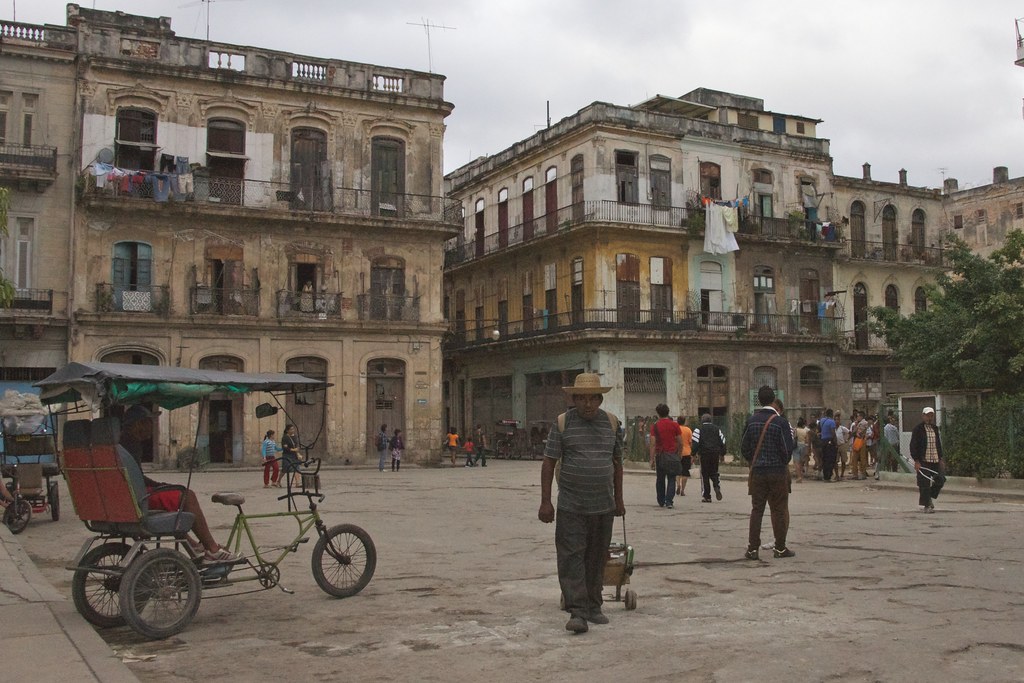 Cuba
Cuba
When I think of an easy, crowd-pleasing thing to bring back from Cuba, Cuban rum is a good pick because it does not need much explanation when you hand it over. For alcohol, I would only bring this back if it is sealed properly and comfortably within the UK allowance; otherwise it is better as a UK-buy link. I would rate it higher when it is locally made, clearly labelled and easy to use at home, and lower when it is just tourist packaging.
 Algeria
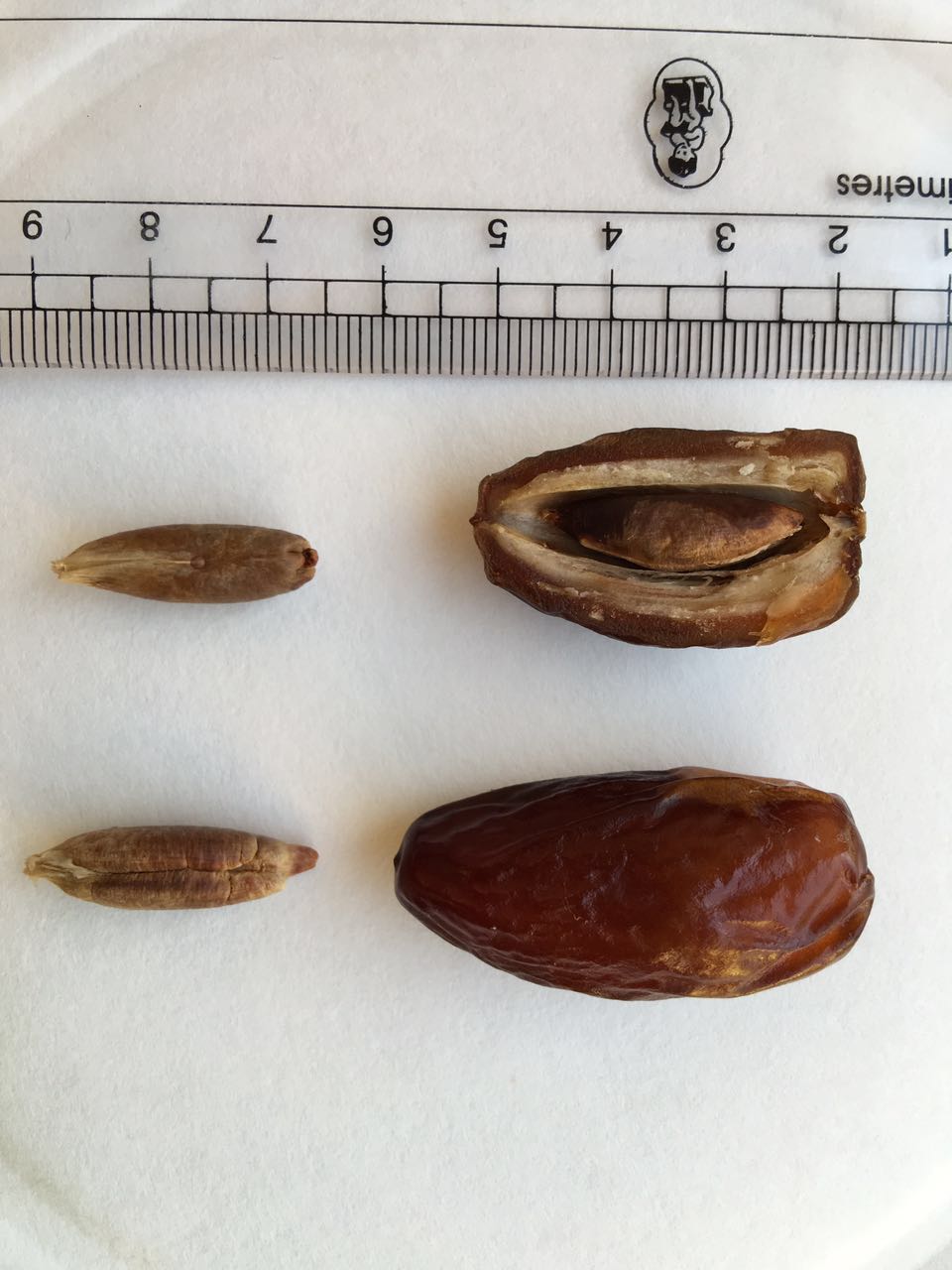
I would put Deglet Nour dates on the list for Algeria because it is the kind of thing that feels useful once you are home, not just another airport purchase. Fresh produce can be tricky, so the practical choice is dried, preserved or packaged versions that keep well. The reason it works is that it gives you a quick reminder of the trip without needing to keep a fragile ornament safe forever.
 France
I would put Dijon mustard on the list for France because it is the kind of thing that feels useful once you are home, not just another airport purchase. The best version is usually the sealed jar, tin or packet from a normal supermarket, spice stall or food hall, not the most expensive tourist version. The reason it works is that it gives you a quick reminder of the trip without needing to keep a fragile ornament safe forever.
 Thailand
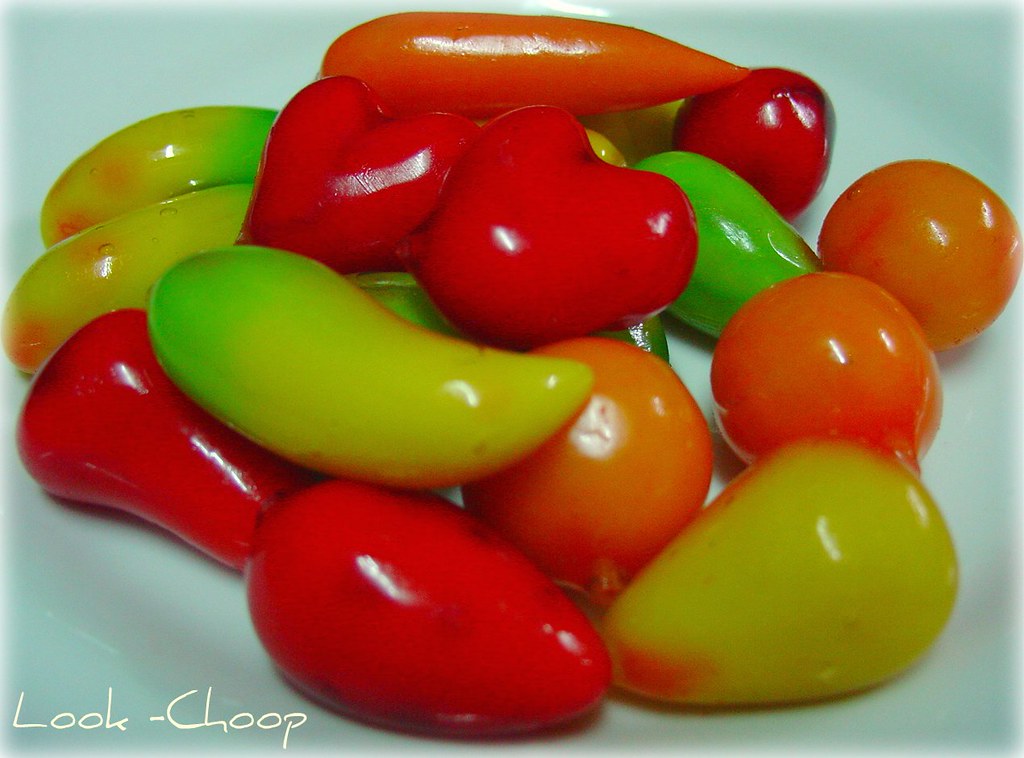
This is exactly the sort of thing I like bringing back from Thailand: small enough to fit in a bag, but specific enough to remind you where you bought it. I would buy a couple of packets: one to open while travelling and one to bring home unopened, because snacks have a habit of disappearing before the flight. It is also the kind of thing you can talk about when someone asks what you brought back, because there is usually a little story attached to where you found it.
 Egypt
Egypt
I would put Egyptian hibiscus karkade tea on the list for Egypt because it is the kind of thing that feels useful once you are home, not just another airport purchase. It is a good one because people can try it slowly at home, and it makes a nicer gift than a mug with a place name printed on it. The reason it works is that it gives you a quick reminder of the trip without needing to keep a fragile ornament safe forever.
 Finland
I would put Fazer chocolate on the list for Finland because it is the kind of thing that feels useful once you are home, not just another airport purchase. Look for a boxed version with a decent date on it, especially if you are buying it near the start of the trip rather than at the airport. The reason it works is that it gives you a quick reminder of the trip without needing to keep a fragile ornament safe forever.
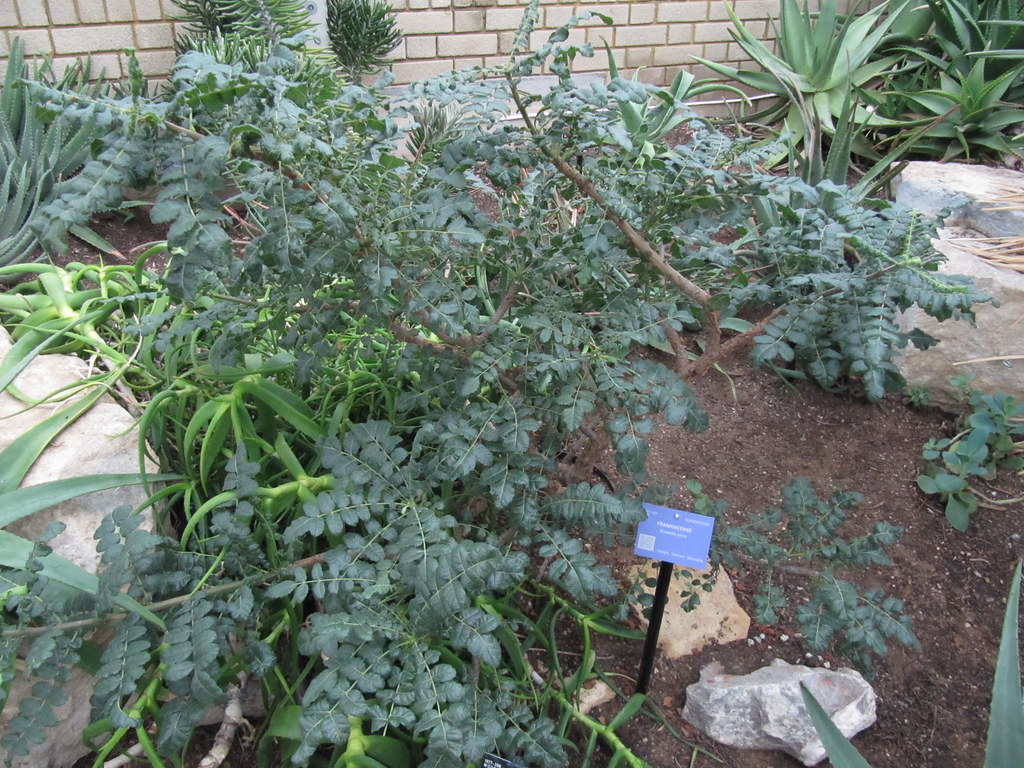 Oman
Oman
Aromatic resin burned as incense, strongly associated with Oman’s Dhofar region.
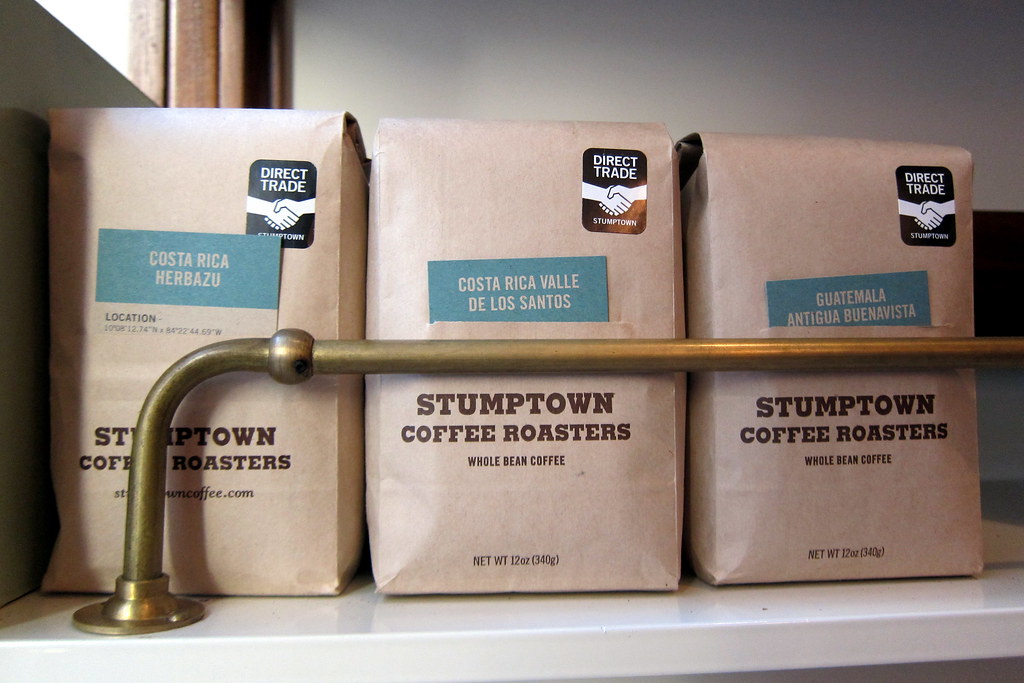 Panama
Premium Panamanian coffee variety known for floral aroma and high auction prices.
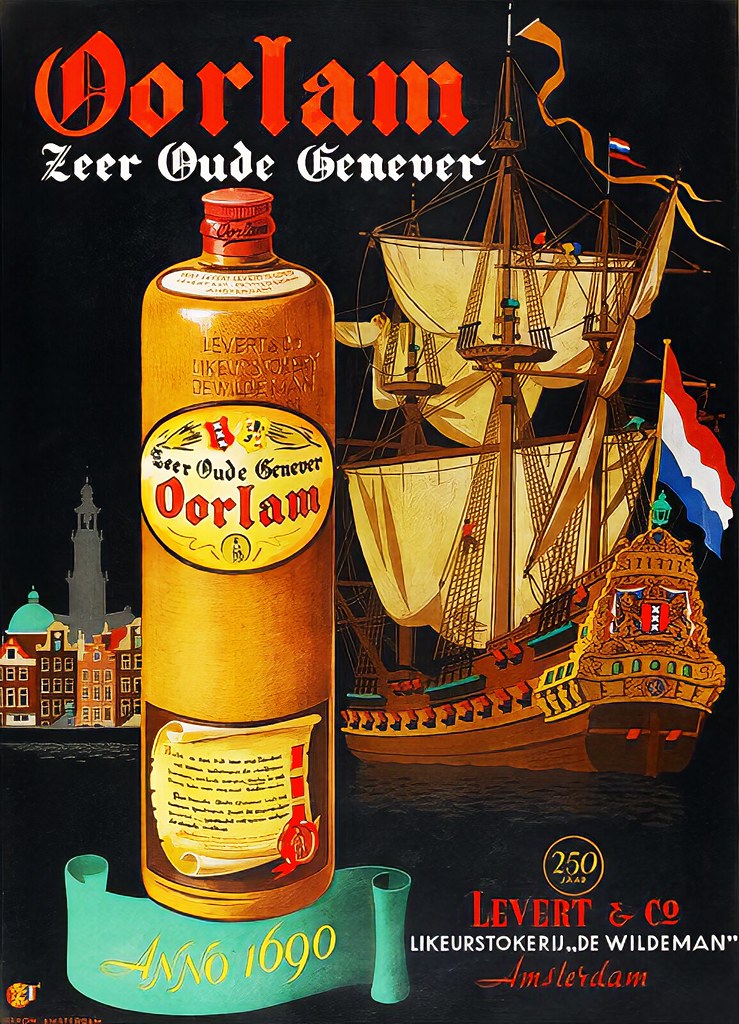 Netherlands
Dutch juniper spirit, historical predecessor to gin.
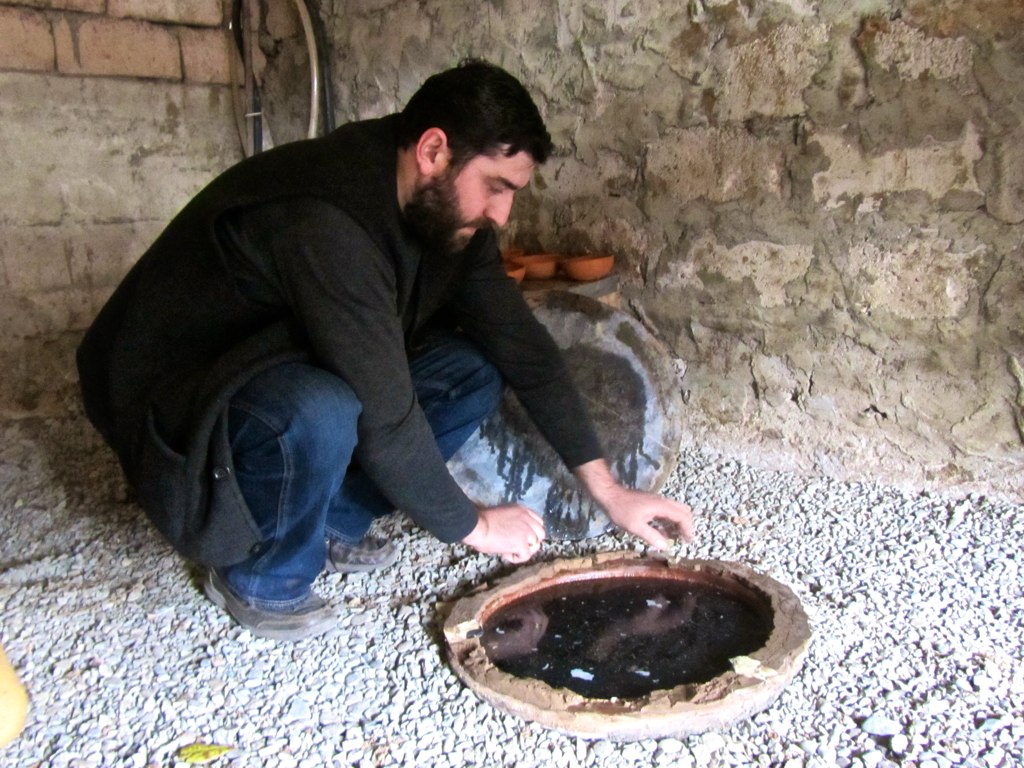 Georgia
When I think of an easy, crowd-pleasing thing to bring back from Georgia, Georgian qvevri wine is a good pick because it does not need much explanation when you hand it over. Wine is a great memory of a meal, but I would wrap it carefully and only carry it when the luggage situation makes sense. I would rate it higher when it is locally made, clearly labelled and easy to use at home, and lower when it is just tourist packaging.
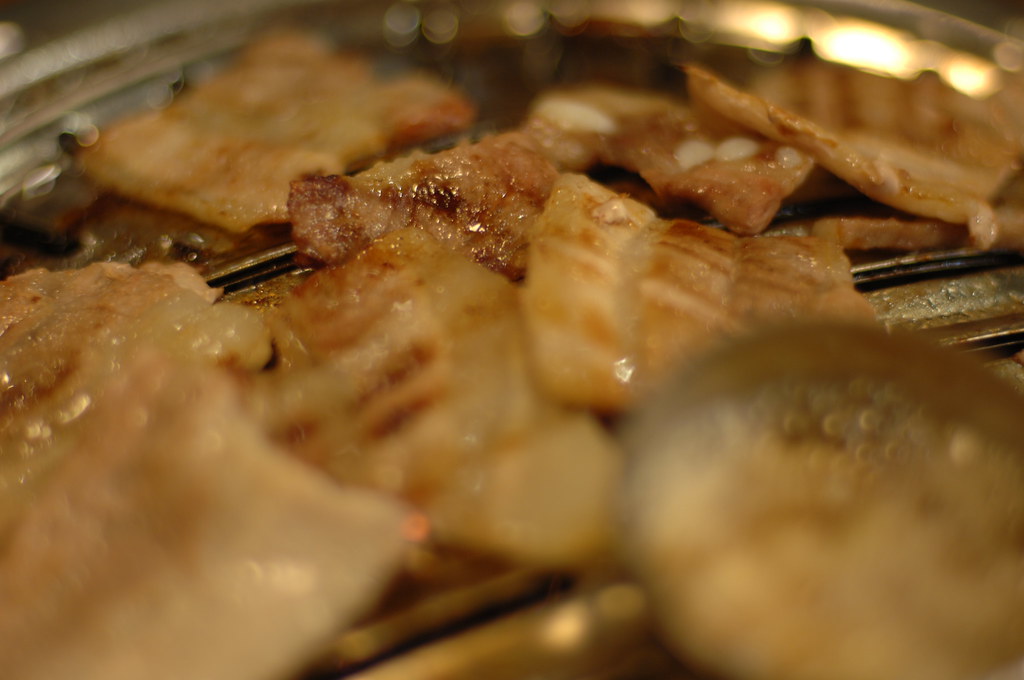 South Korea
I would put Gochujang paste on the list for South Korea because it is the kind of thing that feels useful once you are home, not just another airport purchase. The best version is usually the sealed jar, tin or packet from a normal supermarket, spice stall or food hall, not the most expensive tourist version. The reason it works is that it gives you a quick reminder of the trip without needing to keep a fragile ornament safe forever.
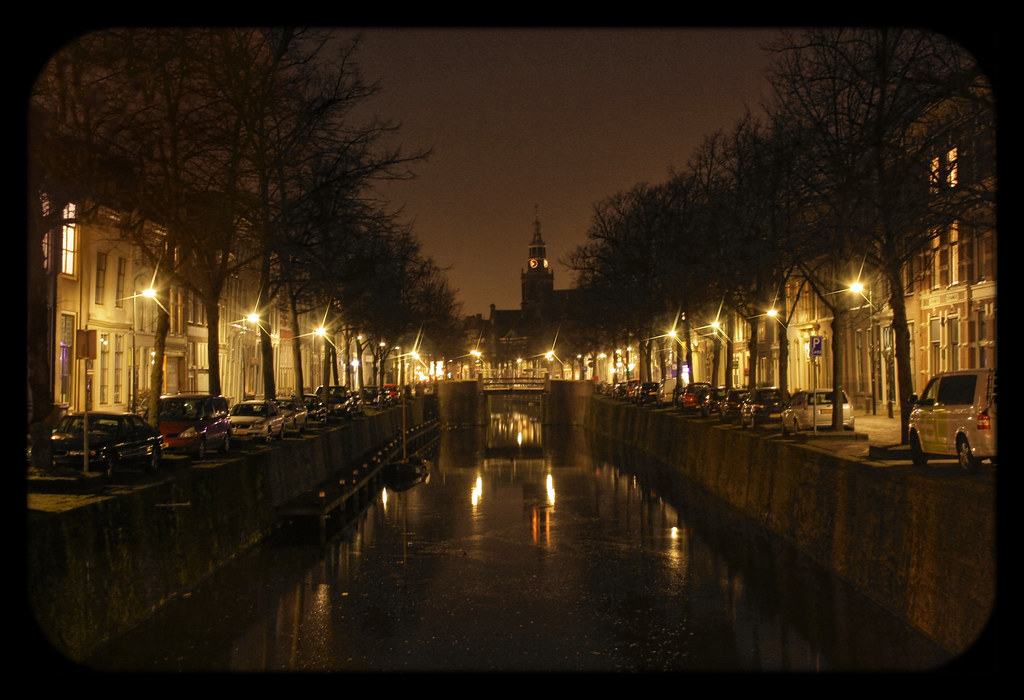 Netherlands
When I think of an easy, crowd-pleasing thing to bring back from Netherlands, Gouda cheese is a good pick because it does not need much explanation when you hand it over. This is more of a buy-in-the-UK idea now unless current food rules clearly allow it. It still belongs in the database because people search for it after tasting it abroad. I would rate it higher when it is locally made, clearly labelled and easy to use at home, and lower when it is just tourist packaging.
 Greece
I would put Greek mountain tea on the list for Greece because it is the kind of thing that feels useful once you are home, not just another airport purchase. It is a good one because people can try it slowly at home, and it makes a nicer gift than a mug with a place name printed on it. The reason it works is that it gives you a quick reminder of the trip without needing to keep a fragile ornament safe forever.
 Israel
Sesame-based sweet, often vanilla, chocolate or pistachio flavoured.
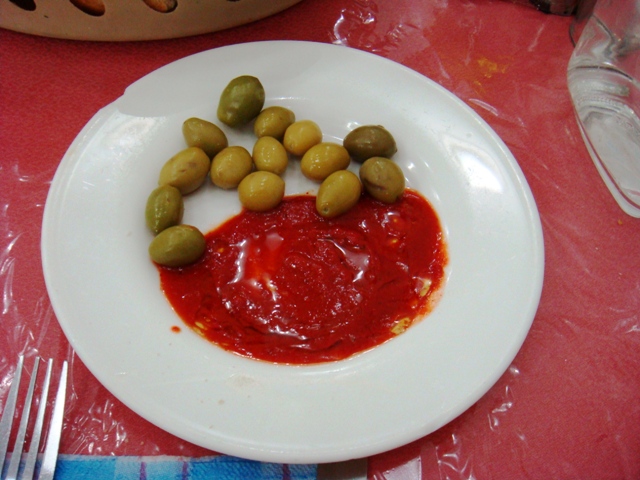 Tunisia
I would put Harissa paste on the list for Tunisia because it is the kind of thing that feels useful once you are home, not just another airport purchase. The best version is usually the sealed jar, tin or packet from a normal supermarket, spice stall or food hall, not the most expensive tourist version. The reason it works is that it gives you a quick reminder of the trip without needing to keep a fragile ornament safe forever.
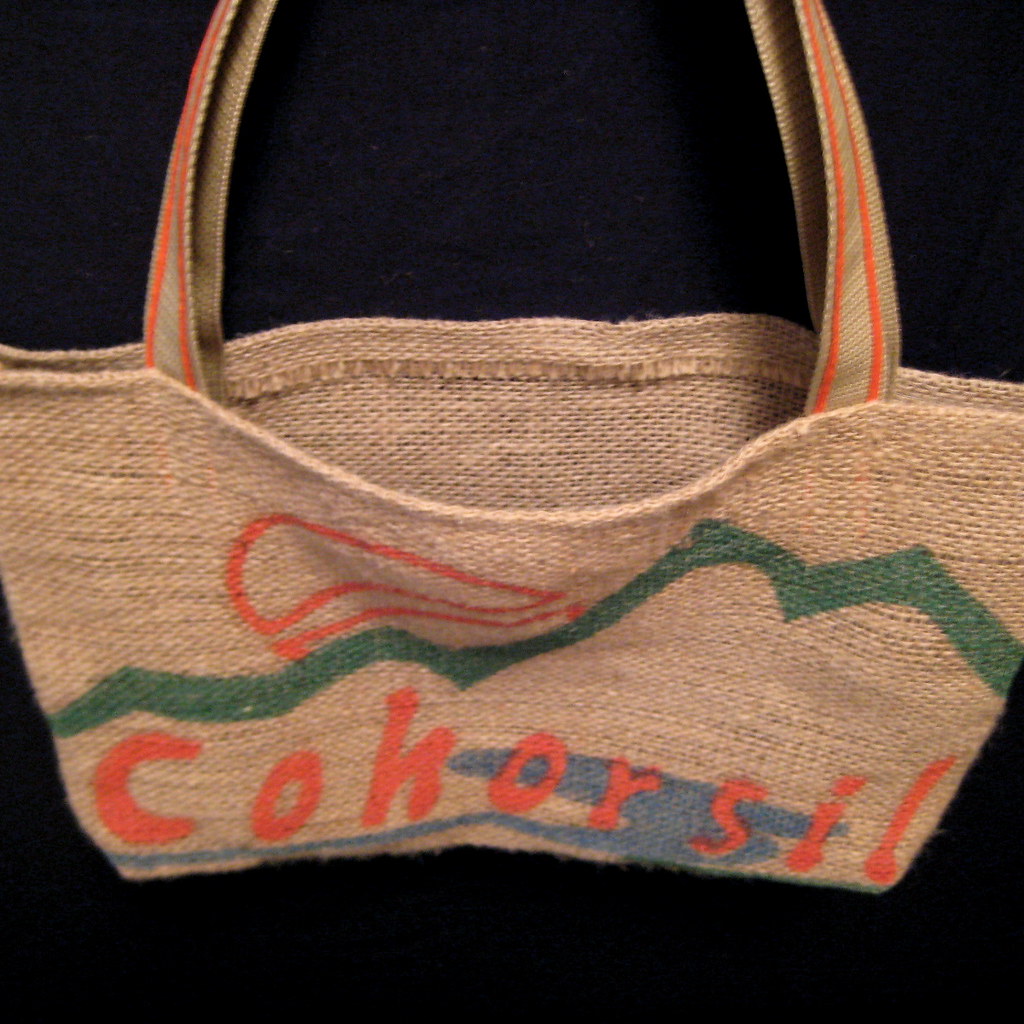 Honduras
Central American coffee, often chocolatey and balanced.
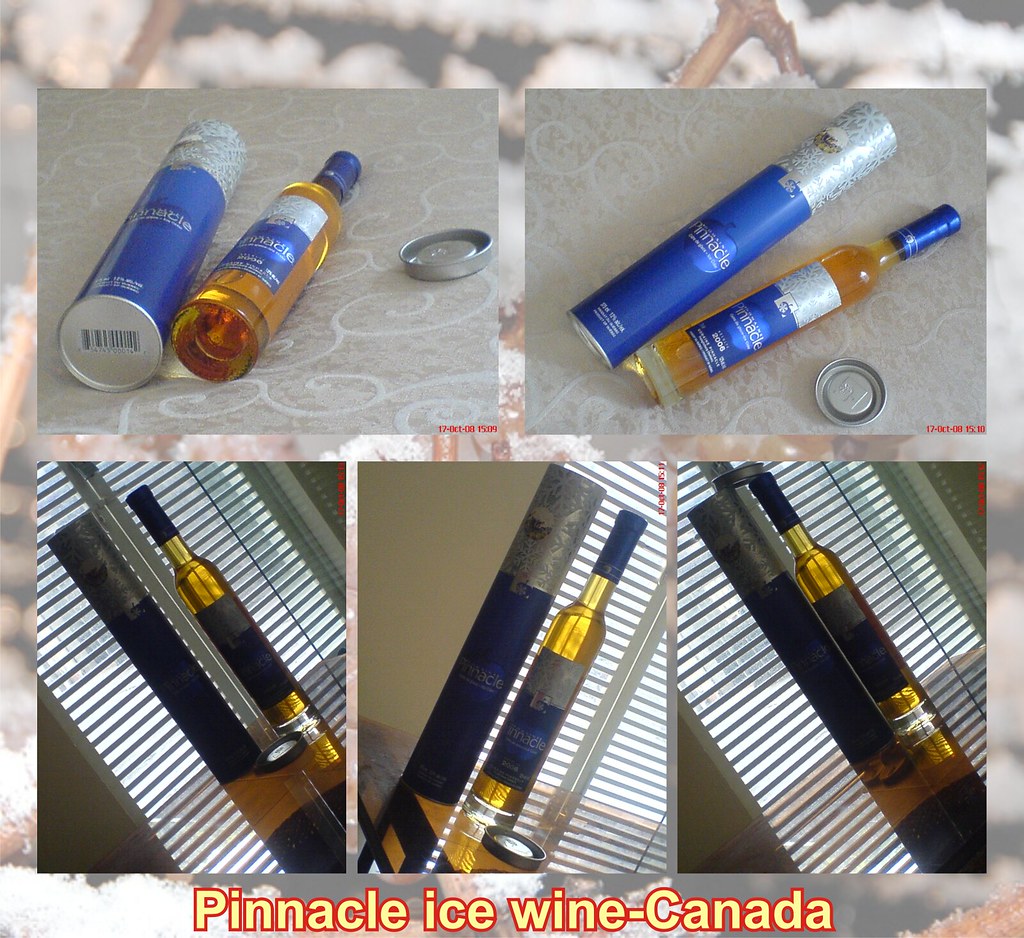 Canada
This is exactly the sort of thing I like bringing back from Canada: small enough to fit in a bag, but specific enough to remind you where you bought it. Wine is a great memory of a meal, but I would wrap it carefully and only carry it when the luggage situation makes sense. It is also the kind of thing you can talk about when someone asks what you brought back, because there is usually a little story attached to where you found it.
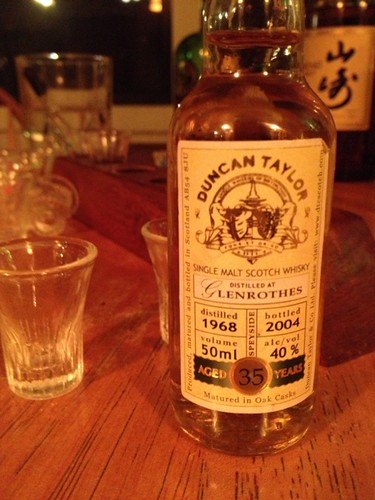 Ireland
I would put Irish whiskey miniature on the list for Ireland because it is the kind of thing that feels useful once you are home, not just another airport purchase. For alcohol, I would only bring this back if it is sealed properly and comfortably within the UK allowance; otherwise it is better as a UK-buy link. The reason it works is that it gives you a quick reminder of the trip without needing to keep a fragile ornament safe forever.
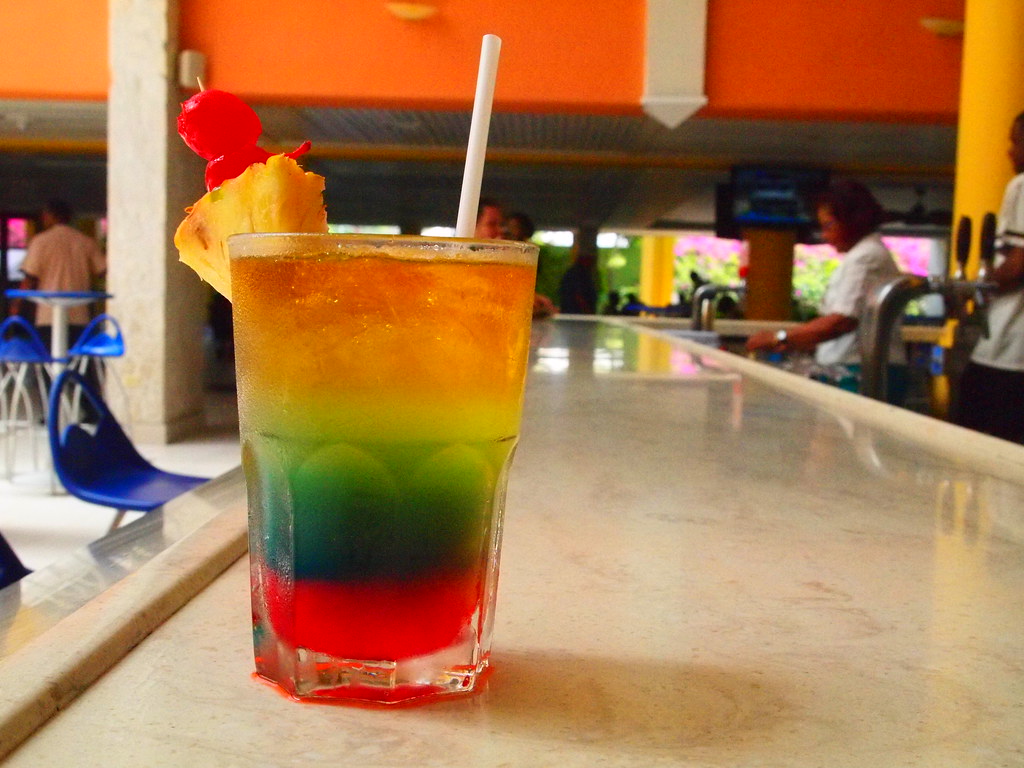 Jamaica
When I think of an easy, crowd-pleasing thing to bring back from Jamaica, Jamaican rum is a good pick because it does not need much explanation when you hand it over. For alcohol, I would only bring this back if it is sealed properly and comfortably within the UK allowance; otherwise it is better as a UK-buy link. I would rate it higher when it is locally made, clearly labelled and easy to use at home, and lower when it is just tourist packaging.
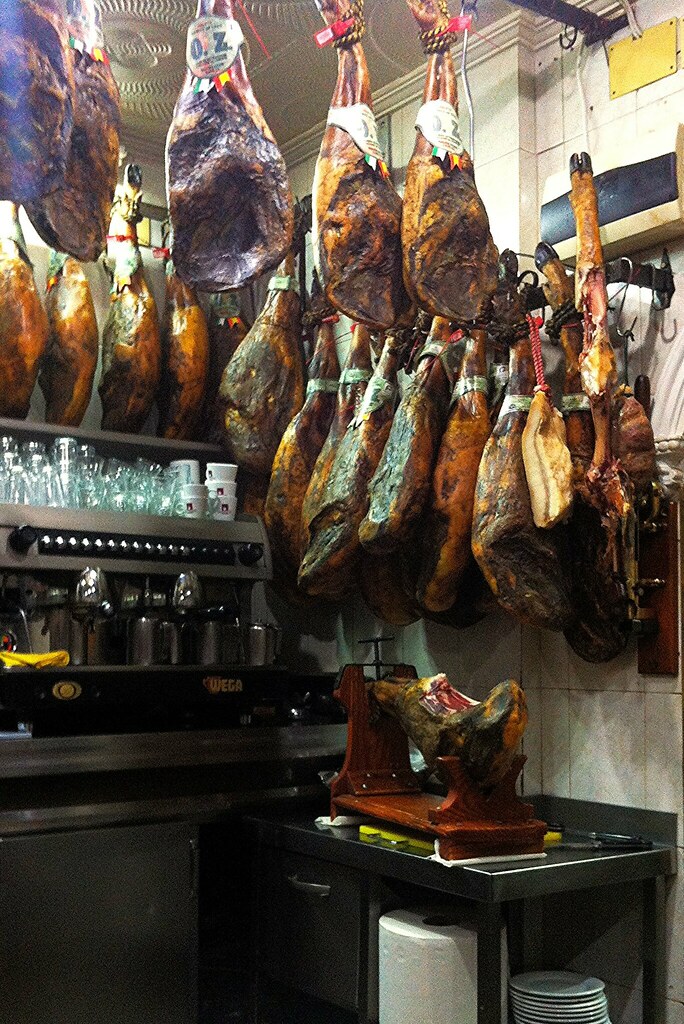 Spain
Spain
Cured Iberian ham with rich, nutty flavour; best sliced thinly.
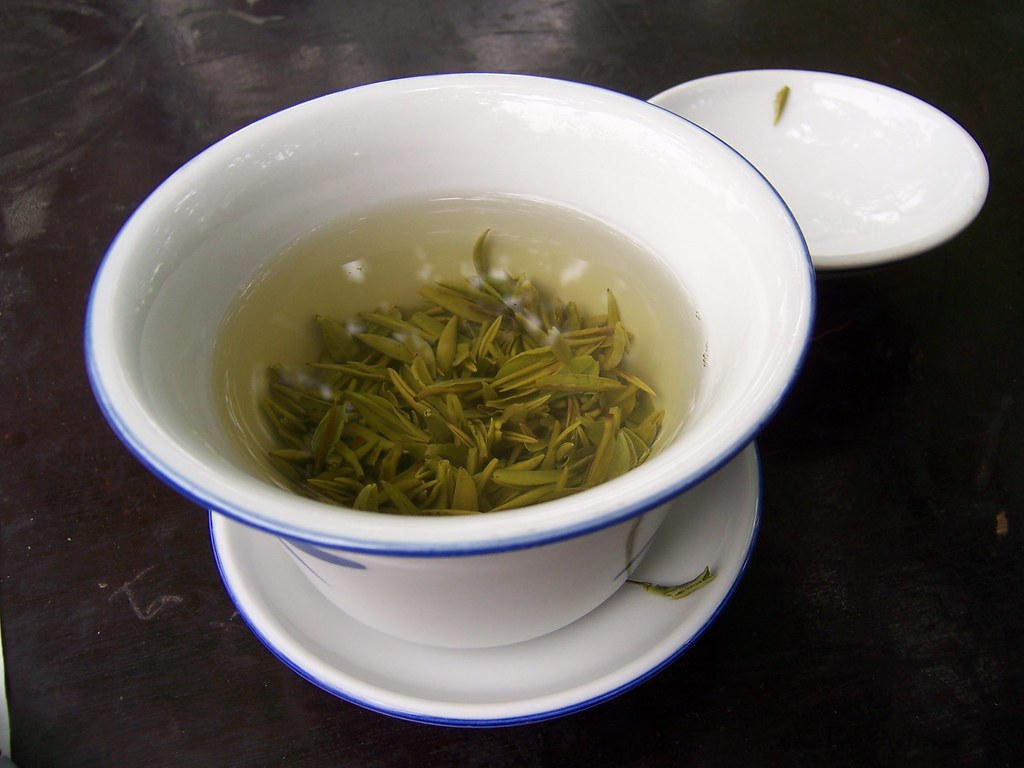 China
China
I would put Jasmine green tea on the list for China because it is the kind of thing that feels useful once you are home, not just another airport purchase. It is a good one because people can try it slowly at home, and it makes a nicer gift than a mug with a place name printed on it. The reason it works is that it gives you a quick reminder of the trip without needing to keep a fragile ornament safe forever.
 Jamaica
This is exactly the sort of thing I like bringing back from Jamaica: small enough to fit in a bag, but specific enough to remind you where you bought it. The best version is usually the sealed jar, tin or packet from a normal supermarket, spice stall or food hall, not the most expensive tourist version. It is also the kind of thing you can talk about when someone asks what you brought back, because there is usually a little story attached to where you found it.
 Malaysia
This is exactly the sort of thing I like bringing back from Malaysia: small enough to fit in a bag, but specific enough to remind you where you bought it. The best version is usually the sealed jar, tin or packet from a normal supermarket, spice stall or food hall, not the most expensive tourist version. It is also the kind of thing you can talk about when someone asks what you brought back, because there is usually a little story attached to where you found it.
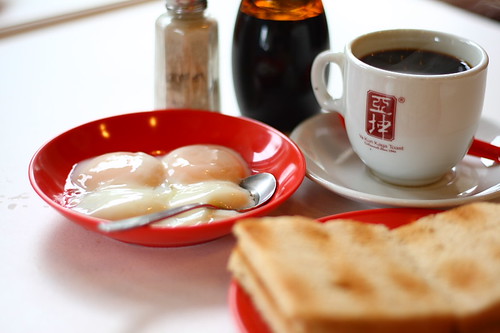 Singapore
I would put Kaya jam on the list for Singapore because it is the kind of thing that feels useful once you are home, not just another airport purchase. The best version is usually the sealed jar, tin or packet from a normal supermarket, spice stall or food hall, not the most expensive tourist version. The reason it works is that it gives you a quick reminder of the trip without needing to keep a fragile ornament safe forever.
 Azerbaijan
Kelaghayi silk scarf is worth adding because it feels like something you actually noticed while travelling through Azerbaijan, rather than a generic souvenir. I would avoid the obvious tourist print and look for something with a local pattern, fabric or cut that still works with normal clothes back in the UK. The ideal version is modestly priced, not too bulky, and good enough that you would buy it again even without the holiday memory.
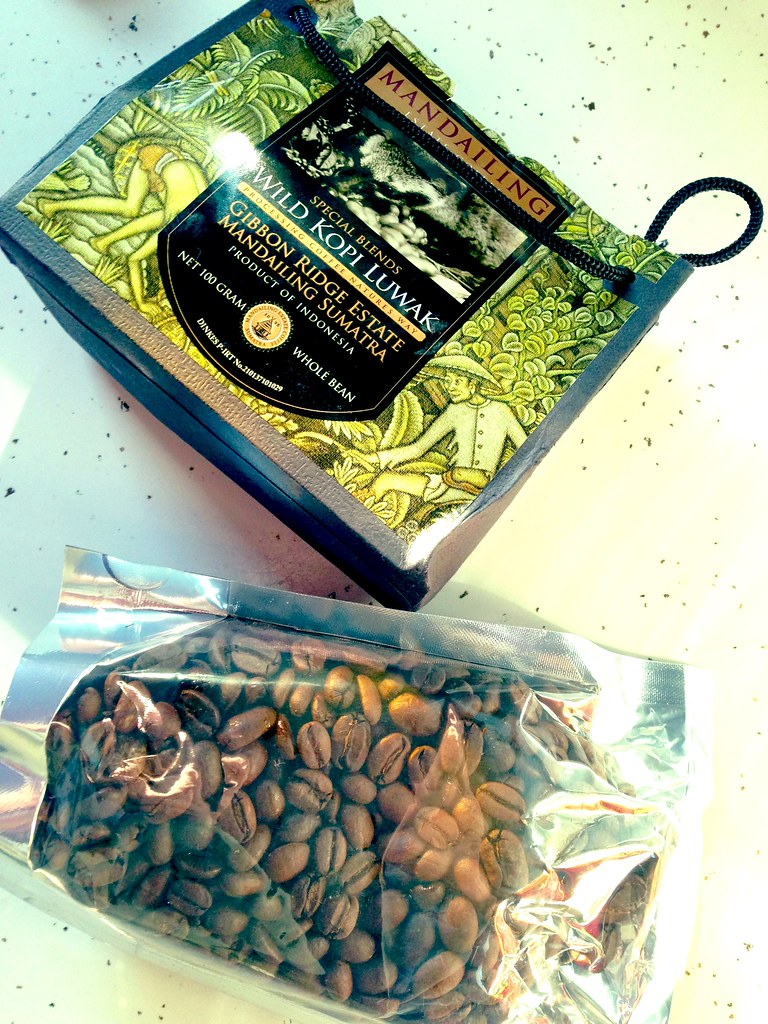 Indonesia
Famous Indonesian coffee style; verify ethical sourcing before buying.
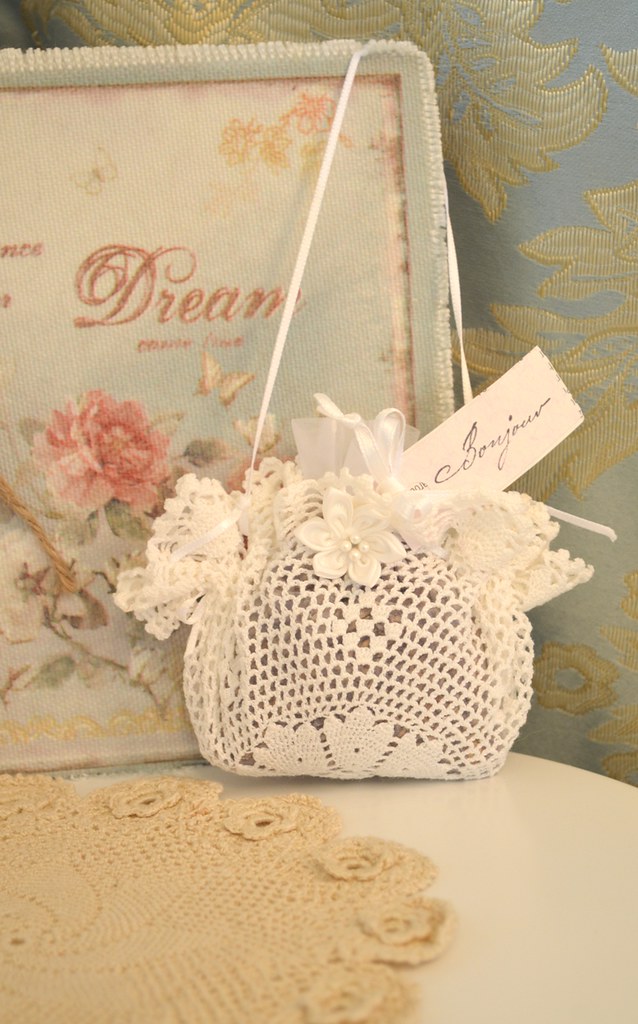 Croatia
Fragrant lavender pouches from Dalmatia, useful for wardrobes and drawers.
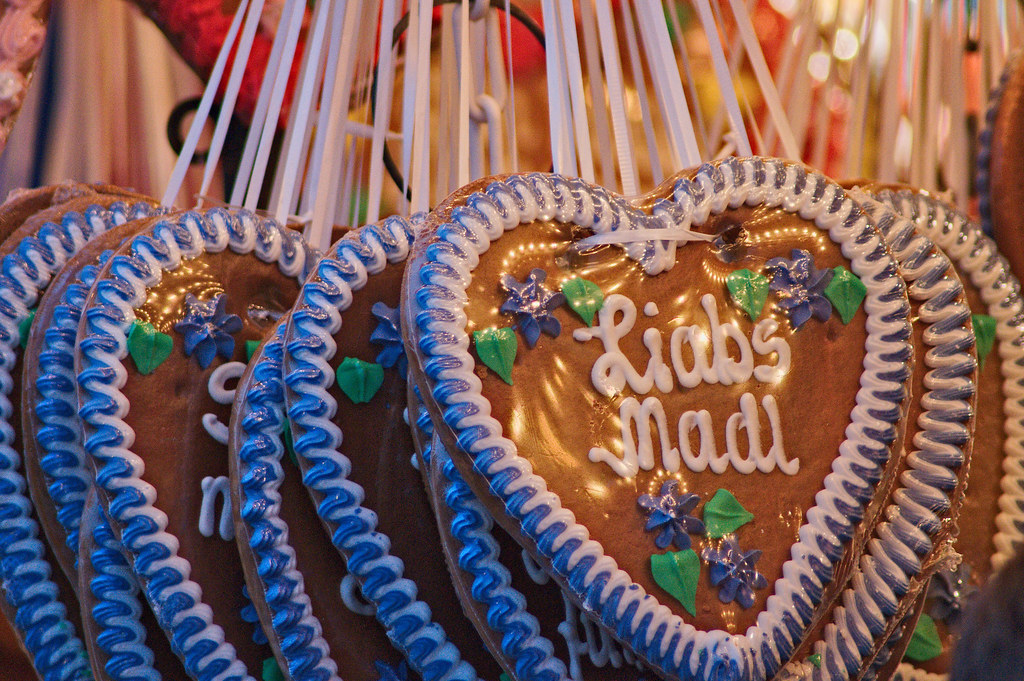 Germany
I would put Lebkuchen gingerbread on the list for Germany because it is the kind of thing that feels useful once you are home, not just another airport purchase. Biscuits and dry breads are good because they survive the journey and are easy to share at work or with family. The reason it works is that it gives you a quick reminder of the trip without needing to keep a fragile ornament safe forever.
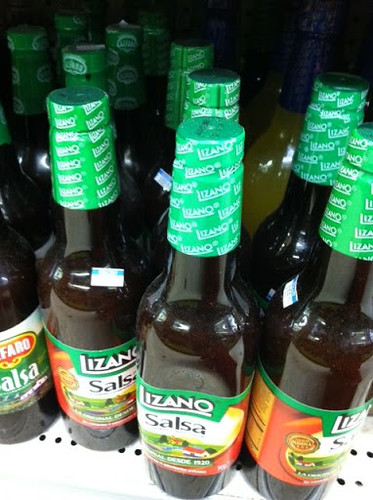 Costa Rica
This is exactly the sort of thing I like bringing back from Costa Rica: small enough to fit in a bag, but specific enough to remind you where you bought it. The best version is usually the sealed jar, tin or packet from a normal supermarket, spice stall or food hall, not the most expensive tourist version. It is also the kind of thing you can talk about when someone asks what you brought back, because there is usually a little story attached to where you found it.
 Argentina
When I think of an easy, crowd-pleasing thing to bring back from Argentina, Malbec wine is a good pick because it does not need much explanation when you hand it over. Wine is a great memory of a meal, but I would wrap it carefully and only carry it when the luggage situation makes sense. I would rate it higher when it is locally made, clearly labelled and easy to use at home, and lower when it is just tourist packaging.
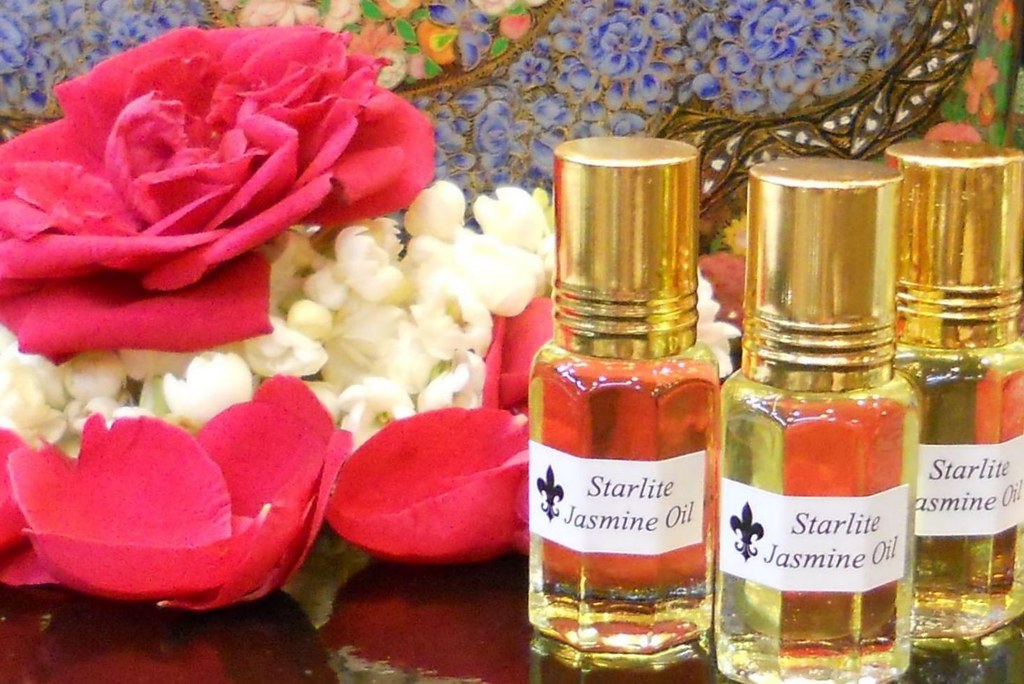 Botswana
Light cosmetic oil made from marula seeds, common in southern Africa.
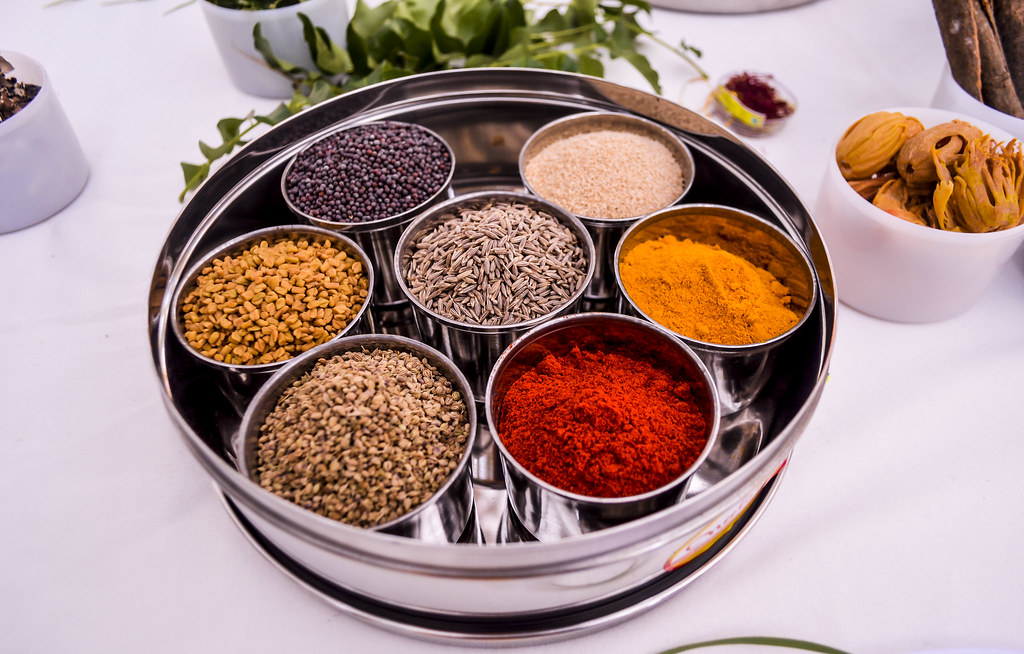 India
India
Spice blend for making sweet, milky Indian chai at home.
 Japan
Japan
Finely ground green tea powder for tea, lattes, baking and desserts.
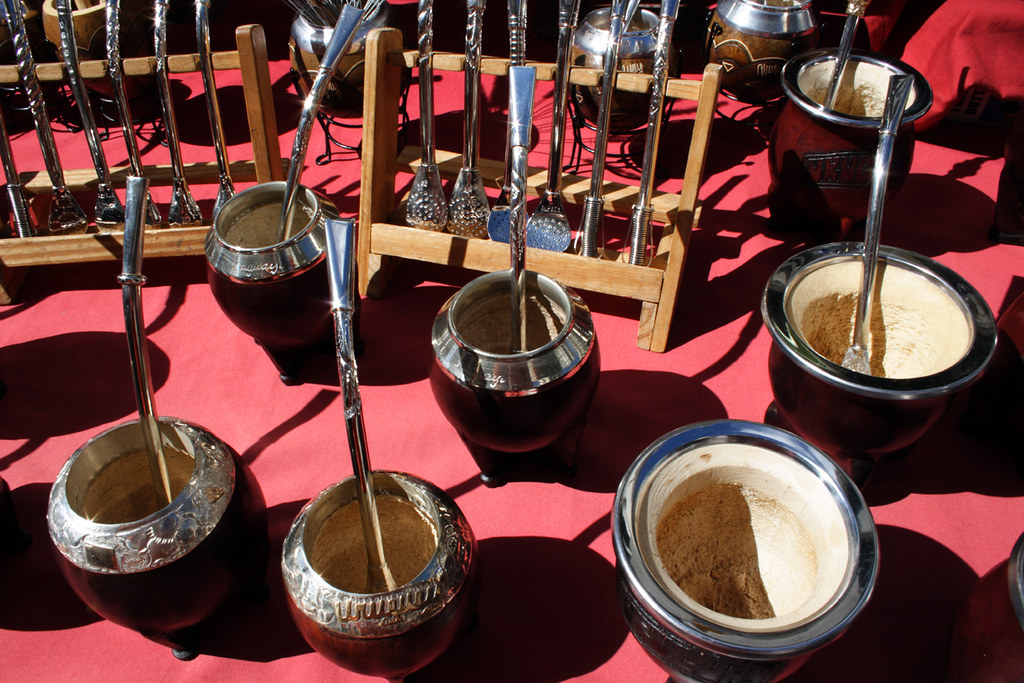 Argentina
This is exactly the sort of thing I like bringing back from Argentina: small enough to fit in a bag, but specific enough to remind you where you bought it. It is a good one because people can try it slowly at home, and it makes a nicer gift than a mug with a place name printed on it. It is also the kind of thing you can talk about when someone asks what you brought back, because there is usually a little story attached to where you found it.
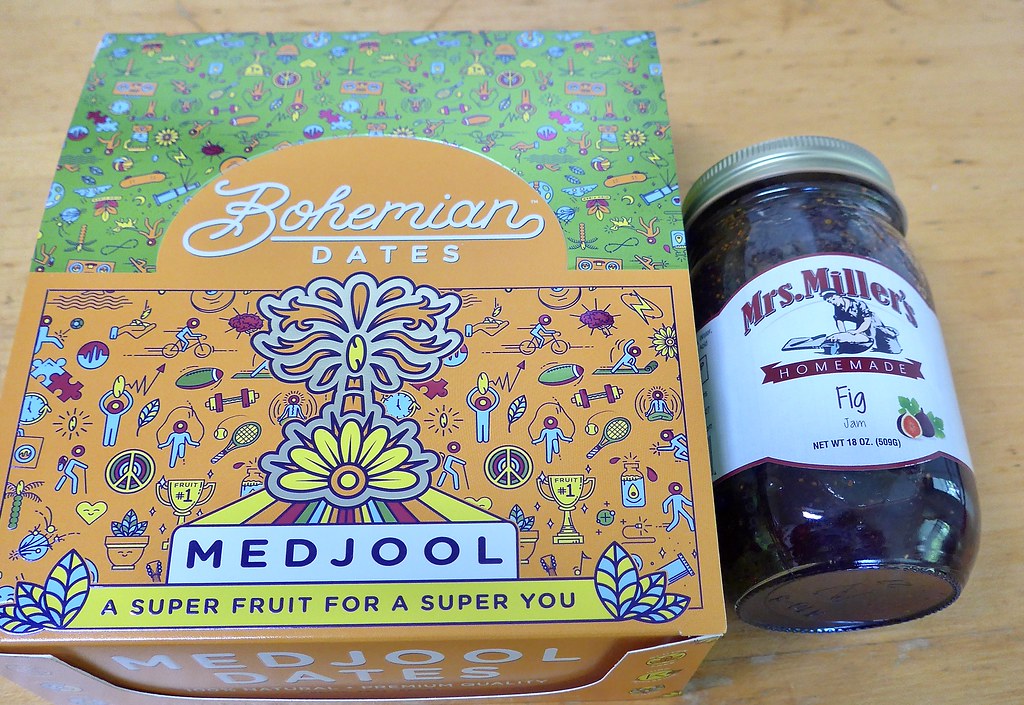 Jordan
When I think of an easy, crowd-pleasing thing to bring back from Jordan, Medjool dates is a good pick because it does not need much explanation when you hand it over. Fresh produce can be tricky, so the practical choice is dried, preserved or packaged versions that keep well. I would rate it higher when it is locally made, clearly labelled and easy to use at home, and lower when it is just tourist packaging.
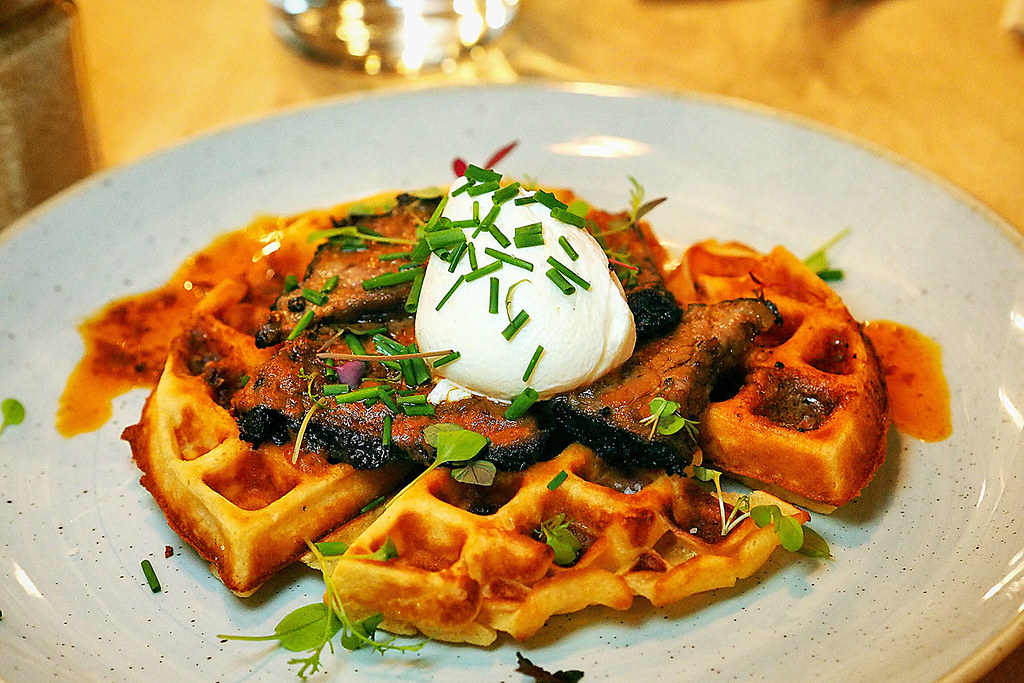 Chile
Chile
I would put Merkén smoked chilli on the list for Chile because it is the kind of thing that feels useful once you are home, not just another airport purchase. The best version is usually the sealed jar, tin or packet from a normal supermarket, spice stall or food hall, not the most expensive tourist version. The reason it works is that it gives you a quick reminder of the trip without needing to keep a fragile ornament safe forever.
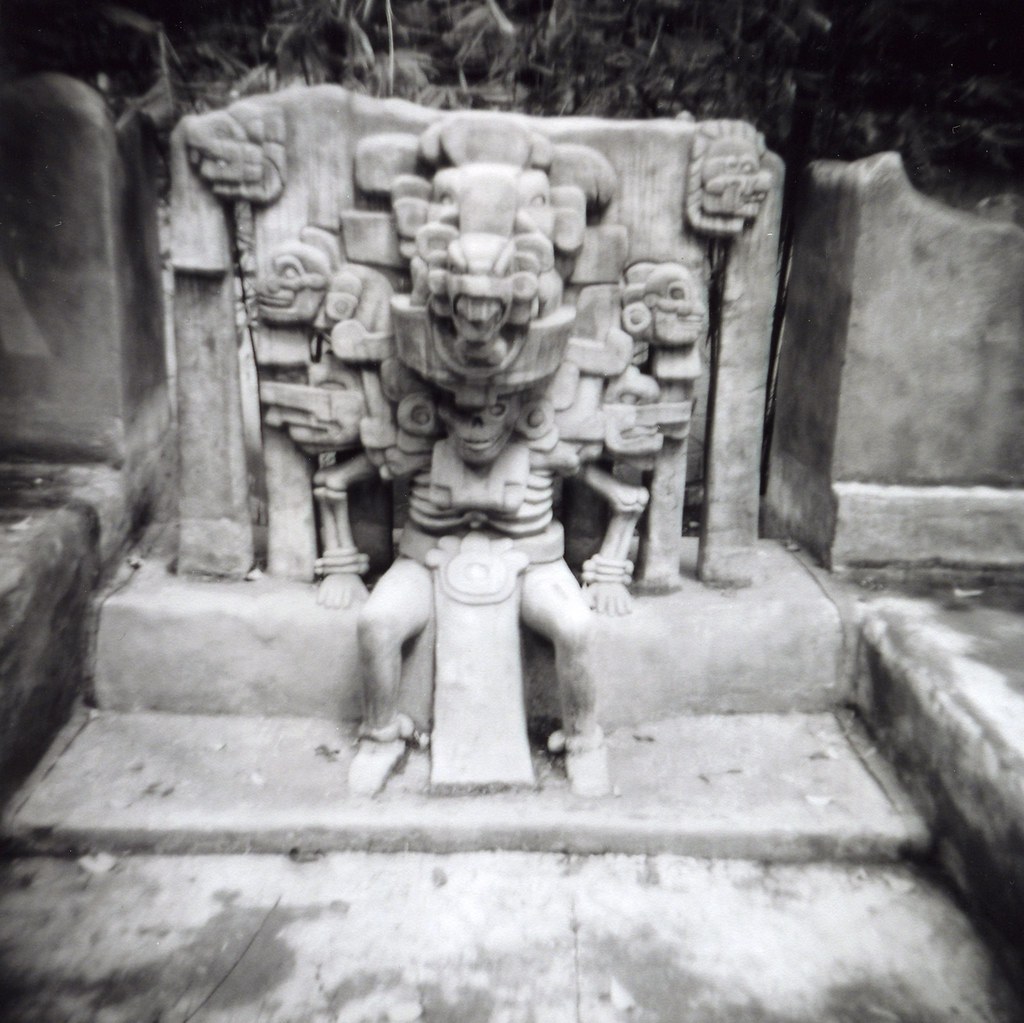 Mexico
This is exactly the sort of thing I like bringing back from Mexico: small enough to fit in a bag, but specific enough to remind you where you bought it. The best version is usually the sealed jar, tin or packet from a normal supermarket, spice stall or food hall, not the most expensive tourist version. It is also the kind of thing you can talk about when someone asks what you brought back, because there is usually a little story attached to where you found it.
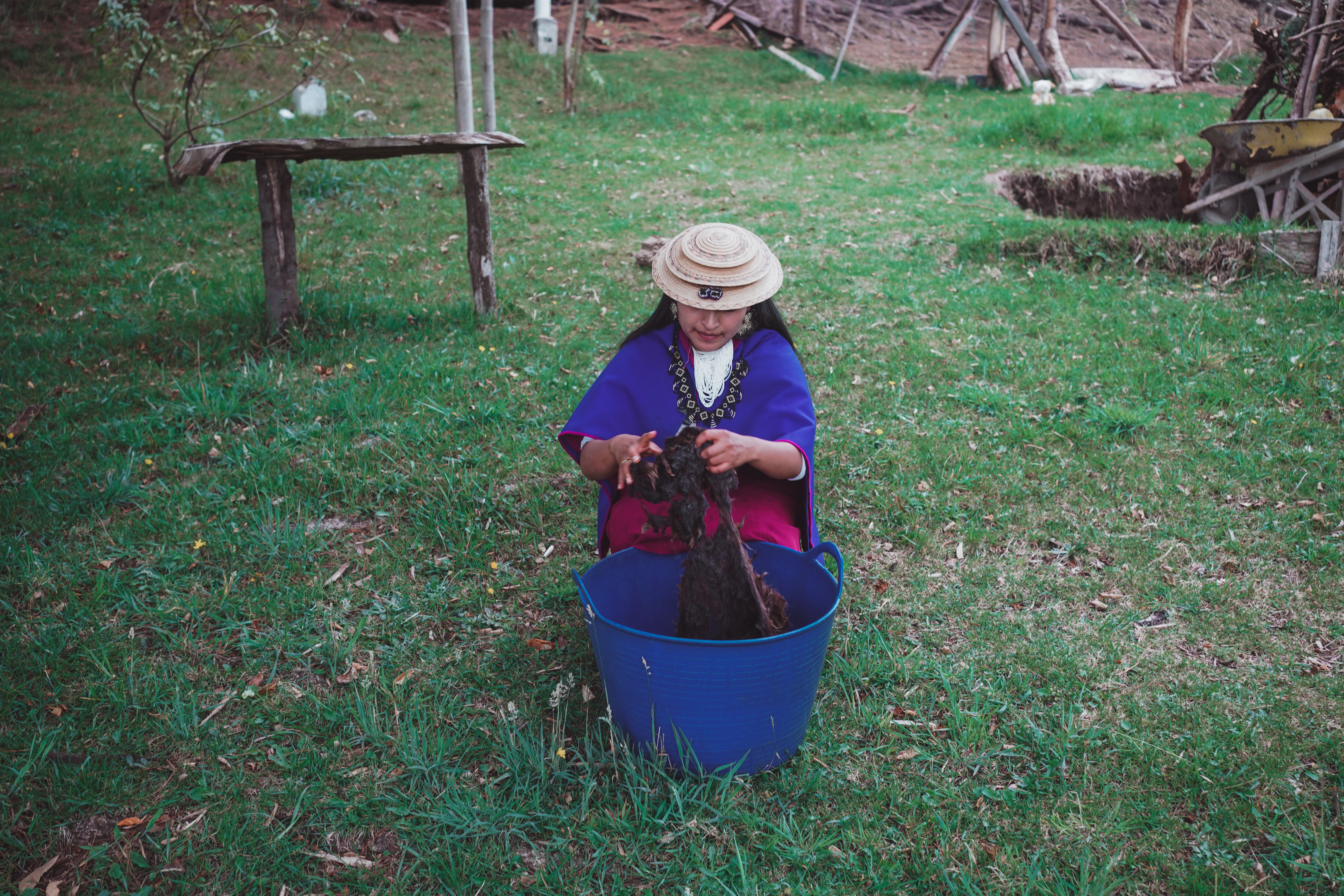 Colombia
Mochila woven bag is worth adding because it feels like something you actually noticed while travelling through Colombia, rather than a generic souvenir. I would avoid the obvious tourist print and look for something with a local pattern, fabric or cut that still works with normal clothes back in the UK. The ideal version is modestly priced, not too bulky, and good enough that you would buy it again even without the holiday memory.
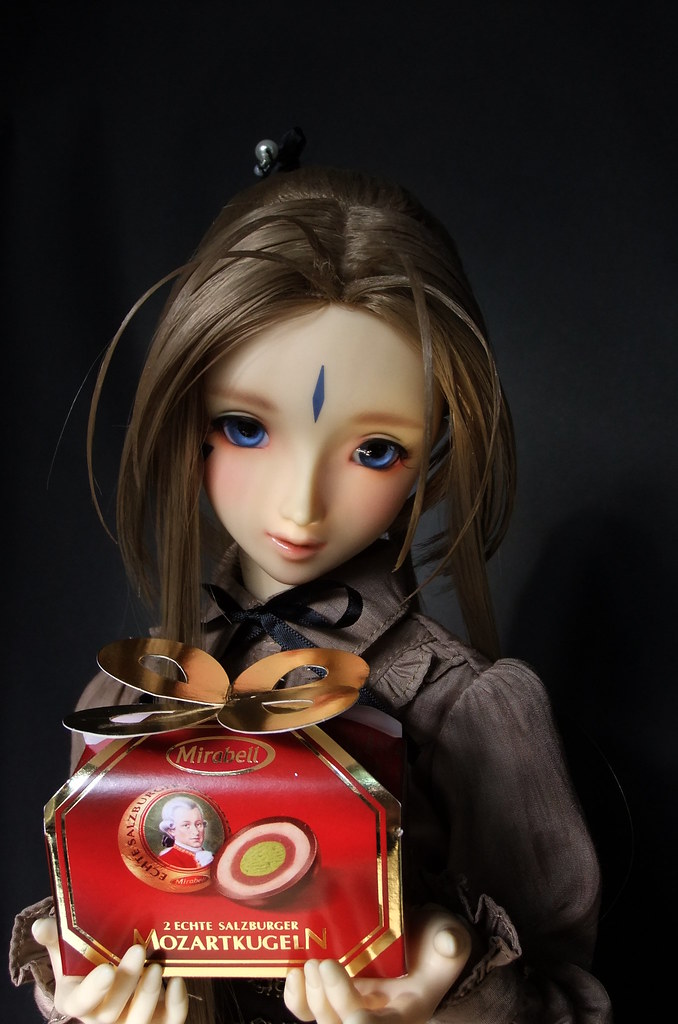 Austria
I would put Mozartkugel chocolates on the list for Austria because it is the kind of thing that feels useful once you are home, not just another airport purchase. Look for a boxed version with a decent date on it, especially if you are buying it near the start of the trip rather than at the airport. The reason it works is that it gives you a quick reminder of the trip without needing to keep a fragile ornament safe forever.
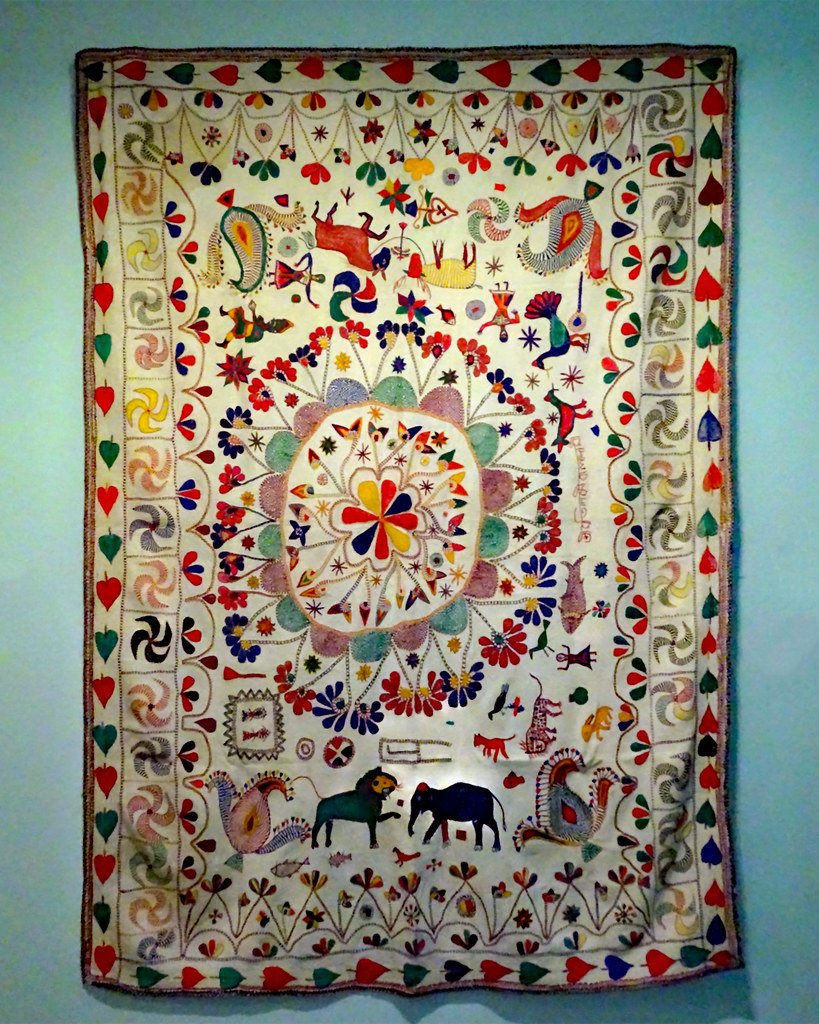 Bangladesh
I would put Nakshi kantha embroidered textile on the list for Bangladesh because it is the kind of thing that feels useful once you are home, not just another airport purchase. The trick is to choose the simple, well-made version. Small craft items look better on a shelf when they are not too shiny or mass-produced. The reason it works is that it gives you a quick reminder of the trip without needing to keep a fragile ornament safe forever.
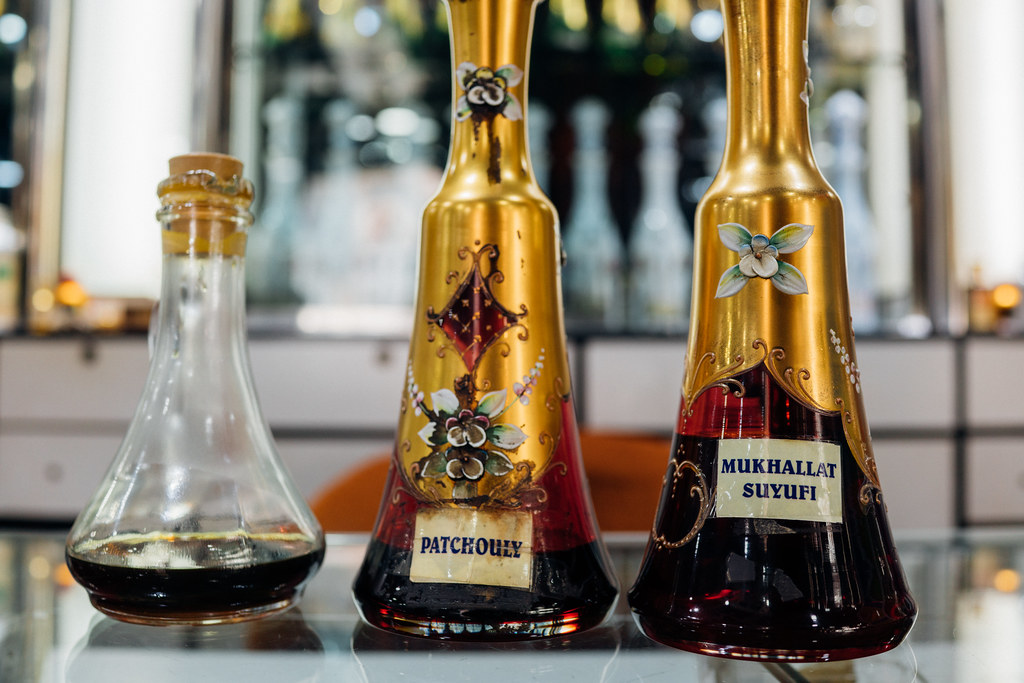 Saudi Arabia
When I think of an easy, crowd-pleasing thing to bring back from Saudi Arabia, oud perfume oil is a good pick because it does not need much explanation when you hand it over. Small bottles are best. A local scent, soap or oil feels personal, but it is still easy to pack and usually does not cost airport-perfume money. I would rate it higher when it is locally made, clearly labelled and easy to use at home, and lower when it is just tourist packaging.
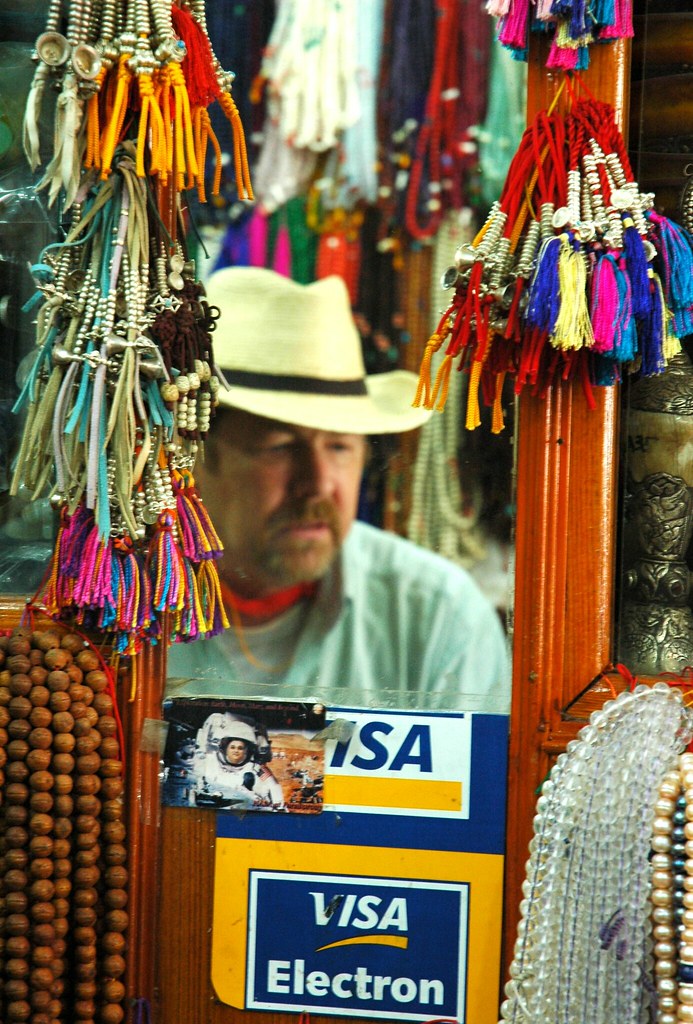 Panama
Despite the name, often associated with travel through Panama; check origin if authenticity matters.
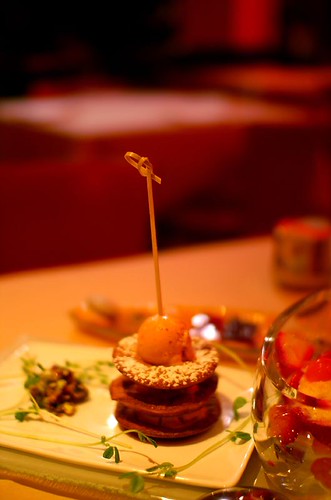 Italy
Italy
This is exactly the sort of thing I like bringing back from Italy: small enough to fit in a bag, but specific enough to remind you where you bought it. Look for a boxed version with a decent date on it, especially if you are buying it near the start of the trip rather than at the airport. It is also the kind of thing you can talk about when someone asks what you brought back, because there is usually a little story attached to where you found it.
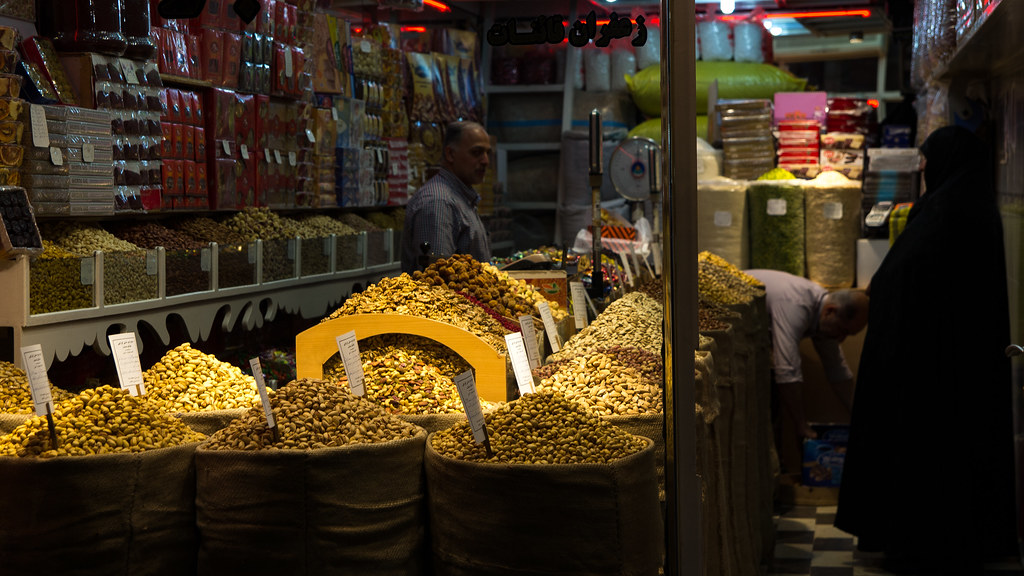 Iran
Iran
When I think of an easy, crowd-pleasing thing to bring back from Iran, pistachios is a good pick because it does not need much explanation when you hand it over. I would buy a couple of packets: one to open while travelling and one to bring home unopened, because snacks have a habit of disappearing before the flight. I would rate it higher when it is locally made, clearly labelled and easy to use at home, and lower when it is just tourist packaging.
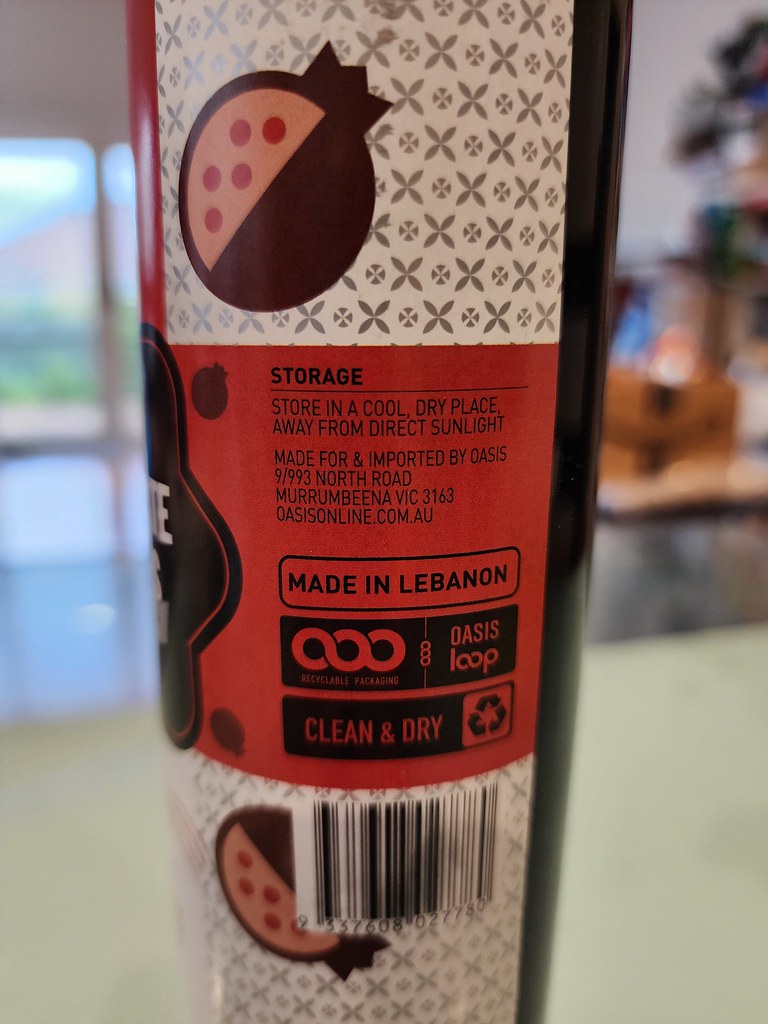 Lebanon
This is exactly the sort of thing I like bringing back from Lebanon: small enough to fit in a bag, but specific enough to remind you where you bought it. The best version is usually the sealed jar, tin or packet from a normal supermarket, spice stall or food hall, not the most expensive tourist version. It is also the kind of thing you can talk about when someone asks what you brought back, because there is usually a little story attached to where you found it.
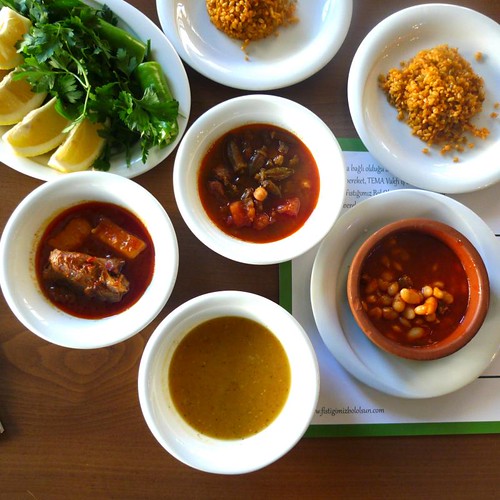 Turkey
When I think of an easy, crowd-pleasing thing to bring back from Türkiye, pomegranate molasses is a good pick because it does not need much explanation when you hand it over. The best version is usually the sealed jar, tin or packet from a normal supermarket, spice stall or food hall, not the most expensive tourist version. I would rate it higher when it is locally made, clearly labelled and easy to use at home, and lower when it is just tourist packaging.
 Portugal
When I think of an easy, crowd-pleasing thing to bring back from Portugal, port wine is a good pick because it does not need much explanation when you hand it over. Wine is a great memory of a meal, but I would wrap it carefully and only carry it when the luggage situation makes sense. I would rate it higher when it is locally made, clearly labelled and easy to use at home, and lower when it is just tourist packaging.
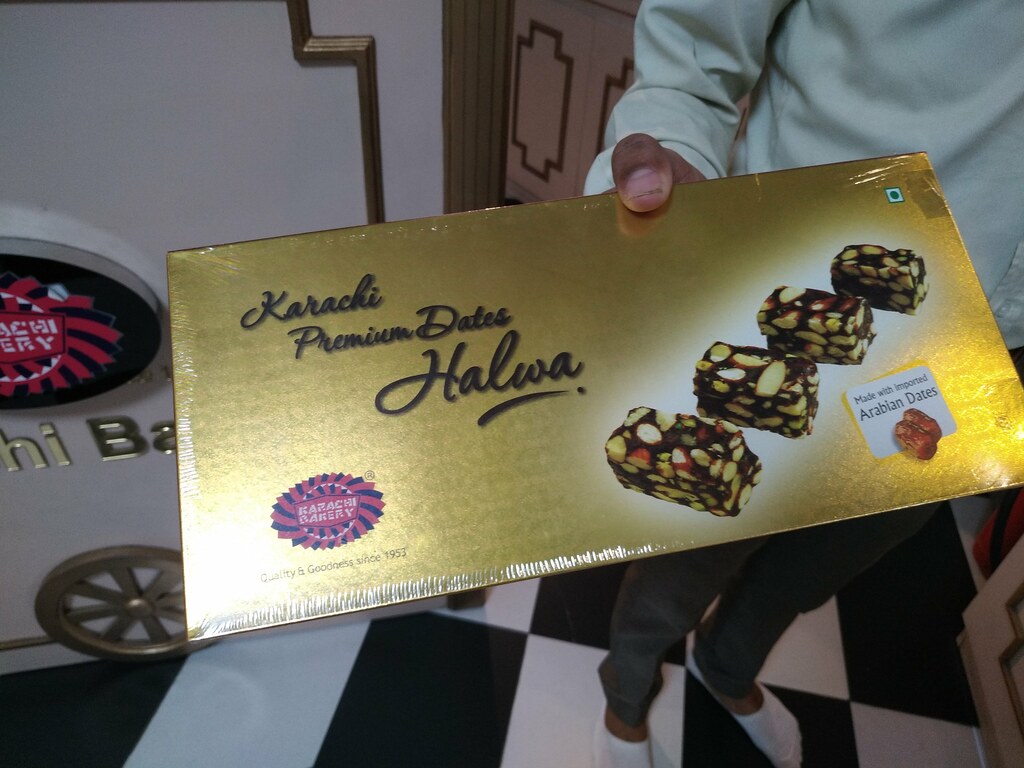 Saudi Arabia
I would put Premium dates on the list for Saudi Arabia because it is the kind of thing that feels useful once you are home, not just another airport purchase. Fresh produce can be tricky, so the practical choice is dried, preserved or packaged versions that keep well. The reason it works is that it gives you a quick reminder of the trip without needing to keep a fragile ornament safe forever.
 Austria
This is exactly the sort of thing I like bringing back from Austria: small enough to fit in a bag, but specific enough to remind you where you bought it. Oils and vinegars work well when the bottle is small, sealed and wrapped in clothing inside checked luggage. It is also the kind of thing you can talk about when someone asks what you brought back, because there is usually a little story attached to where you found it.
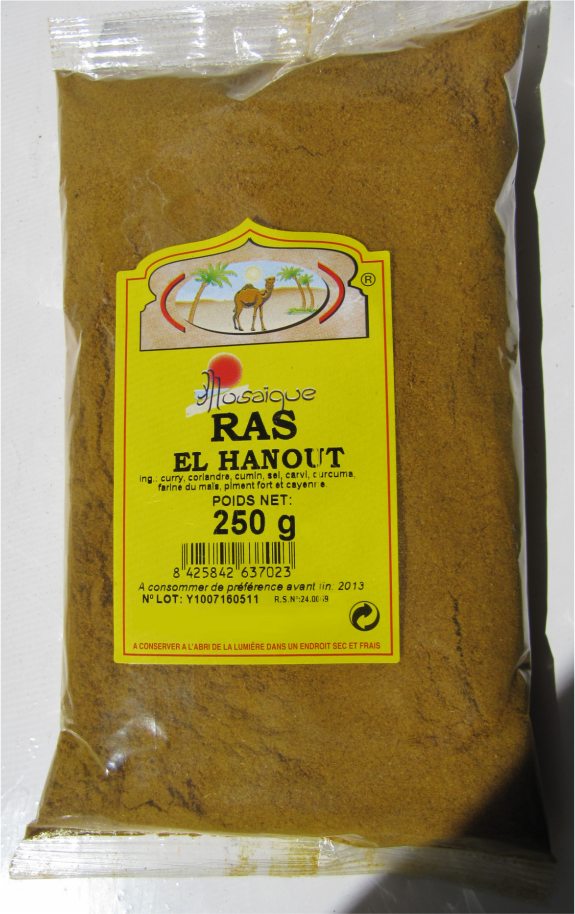 Morocco
This is exactly the sort of thing I like bringing back from Morocco: small enough to fit in a bag, but specific enough to remind you where you bought it. The best version is usually the sealed jar, tin or packet from a normal supermarket, spice stall or food hall, not the most expensive tourist version. It is also the kind of thing you can talk about when someone asks what you brought back, because there is usually a little story attached to where you found it.
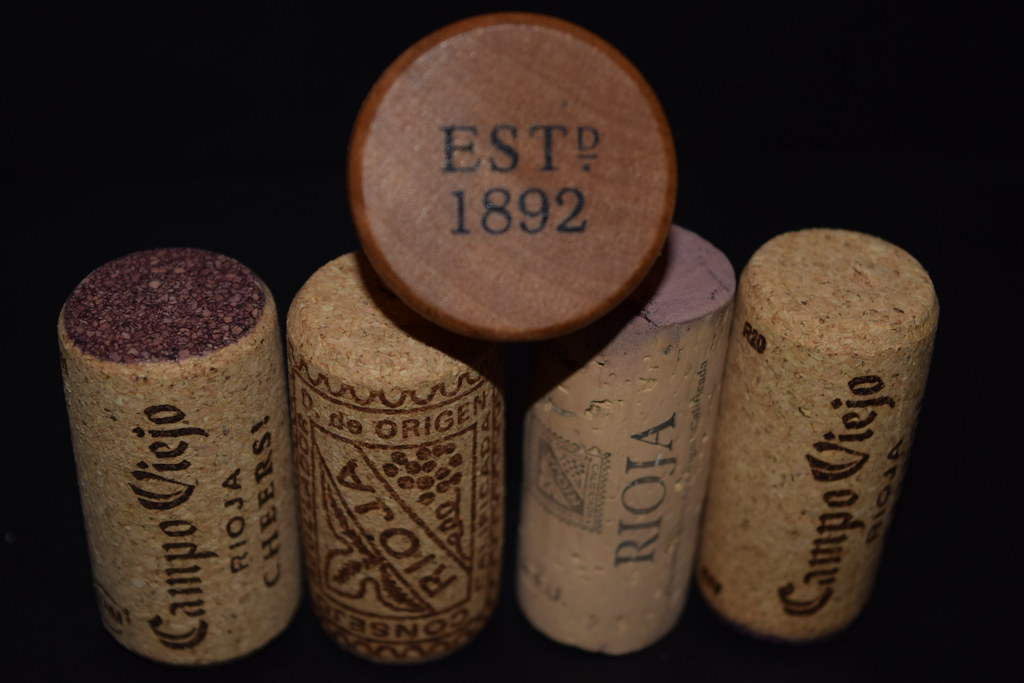 Spain
Spain
Rioja wine is worth adding because it feels like something you actually noticed while travelling through Spain, rather than a generic souvenir. Wine is a great memory of a meal, but I would wrap it carefully and only carry it when the luggage situation makes sense. The ideal version is modestly priced, not too bulky, and good enough that you would buy it again even without the holiday memory.
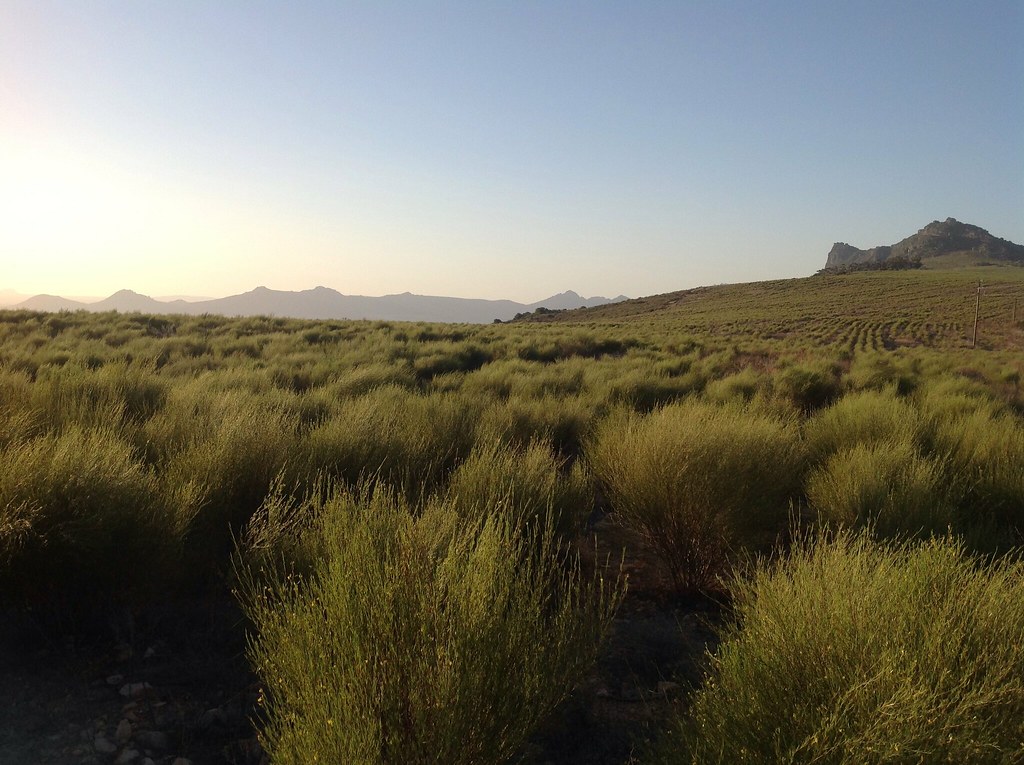 South Africa
I would put Rooibos tea on the list for South Africa because it is the kind of thing that feels useful once you are home, not just another airport purchase. It is a good one because people can try it slowly at home, and it makes a nicer gift than a mug with a place name printed on it. The reason it works is that it gives you a quick reminder of the trip without needing to keep a fragile ornament safe forever.
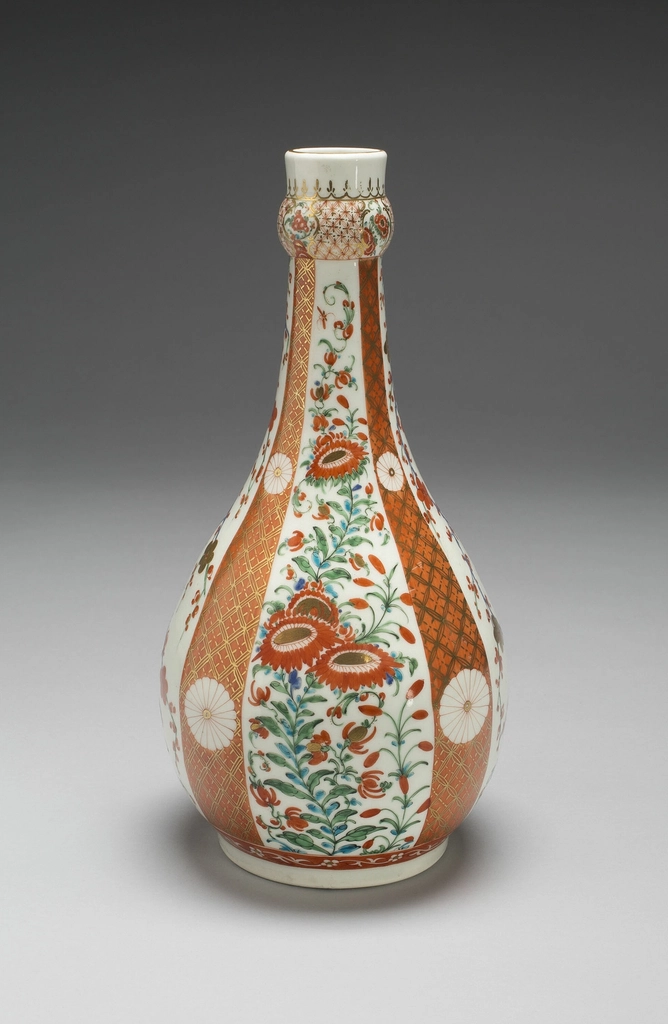 Iran
Iran
This is exactly the sort of thing I like bringing back from Iran: small enough to fit in a bag, but specific enough to remind you where you bought it. The best version is usually the sealed jar, tin or packet from a normal supermarket, spice stall or food hall, not the most expensive tourist version. It is also the kind of thing you can talk about when someone asks what you brought back, because there is usually a little story attached to where you found it.
This is exactly the sort of thing I like bringing back from Ghana: small enough to fit in a bag, but specific enough to remind you where you bought it. The best version is usually the sealed jar, tin or packet from a normal supermarket, spice stall or food hall, not the most expensive tourist version. It is also the kind of thing you can talk about when someone asks what you brought back, because there is usually a little story attached to where you found it.
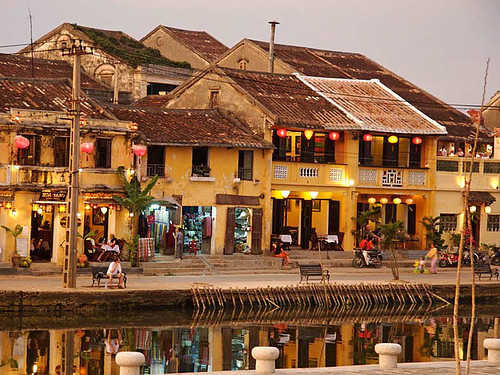 Vietnam
Silk lantern is worth adding because it feels like something you actually noticed while travelling through Vietnam, rather than a generic souvenir. The trick is to choose the simple, well-made version. Small craft items look better on a shelf when they are not too shiny or mass-produced. The ideal version is modestly priced, not too bulky, and good enough that you would buy it again even without the holiday memory.
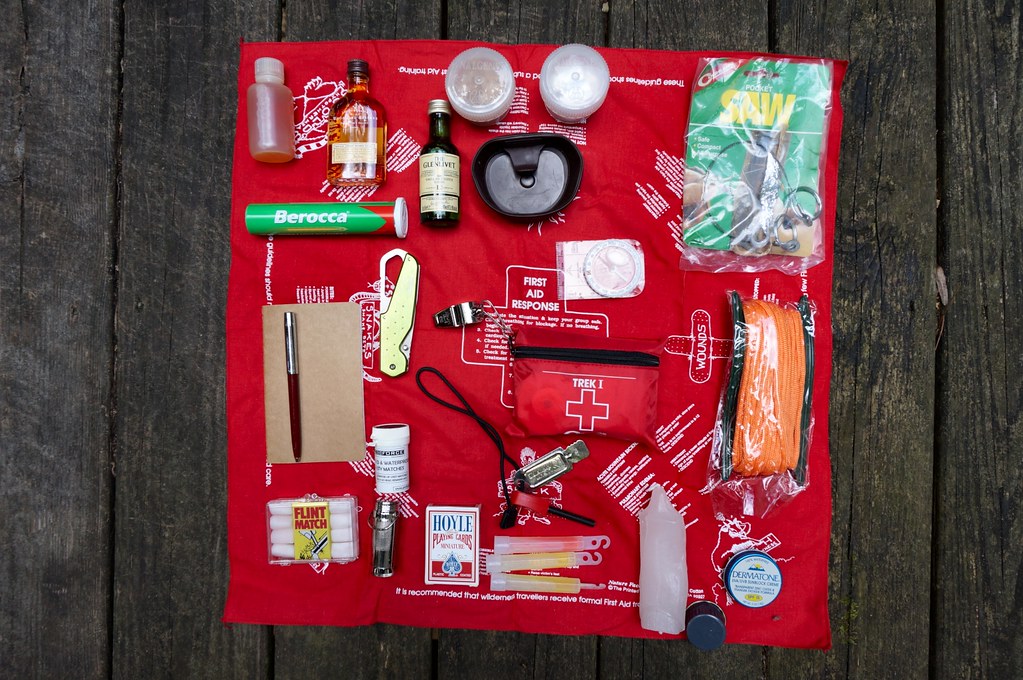 United Kingdom
Single malt whisky miniature is worth adding because it feels like something you actually noticed while travelling through United Kingdom, rather than a generic souvenir. For alcohol, I would only bring this back if it is sealed properly and comfortably within the UK allowance; otherwise it is better as a UK-buy link. The ideal version is modestly priced, not too bulky, and good enough that you would buy it again even without the holiday memory.
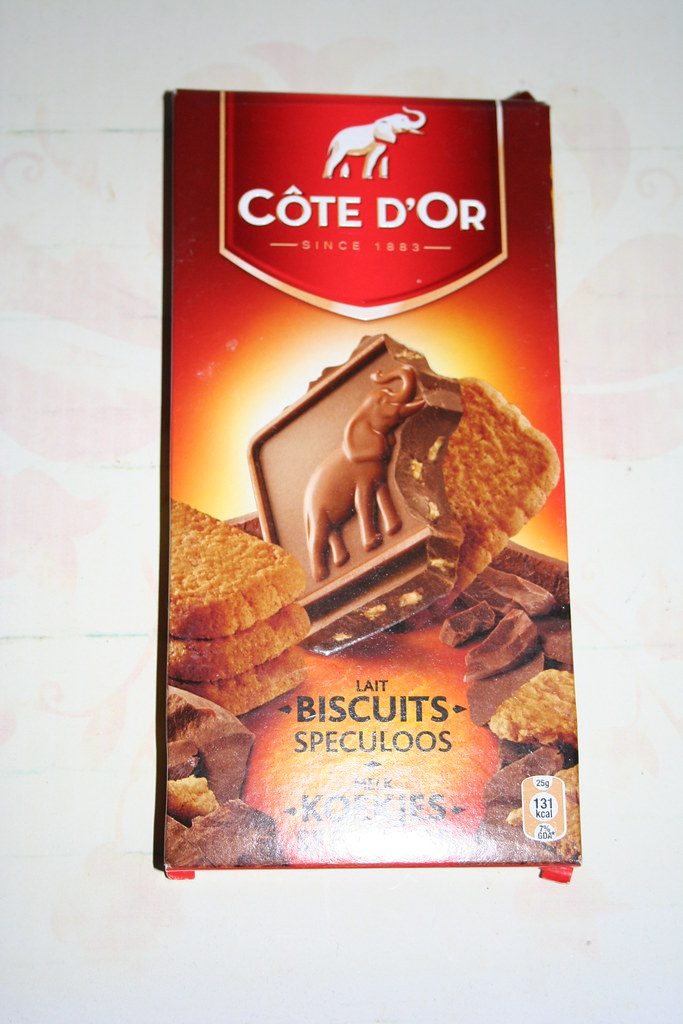 Belgium
This is exactly the sort of thing I like bringing back from Belgium: small enough to fit in a bag, but specific enough to remind you where you bought it. Biscuits and dry breads are good because they survive the journey and are easy to share at work or with family. It is also the kind of thing you can talk about when someone asks what you brought back, because there is usually a little story attached to where you found it.
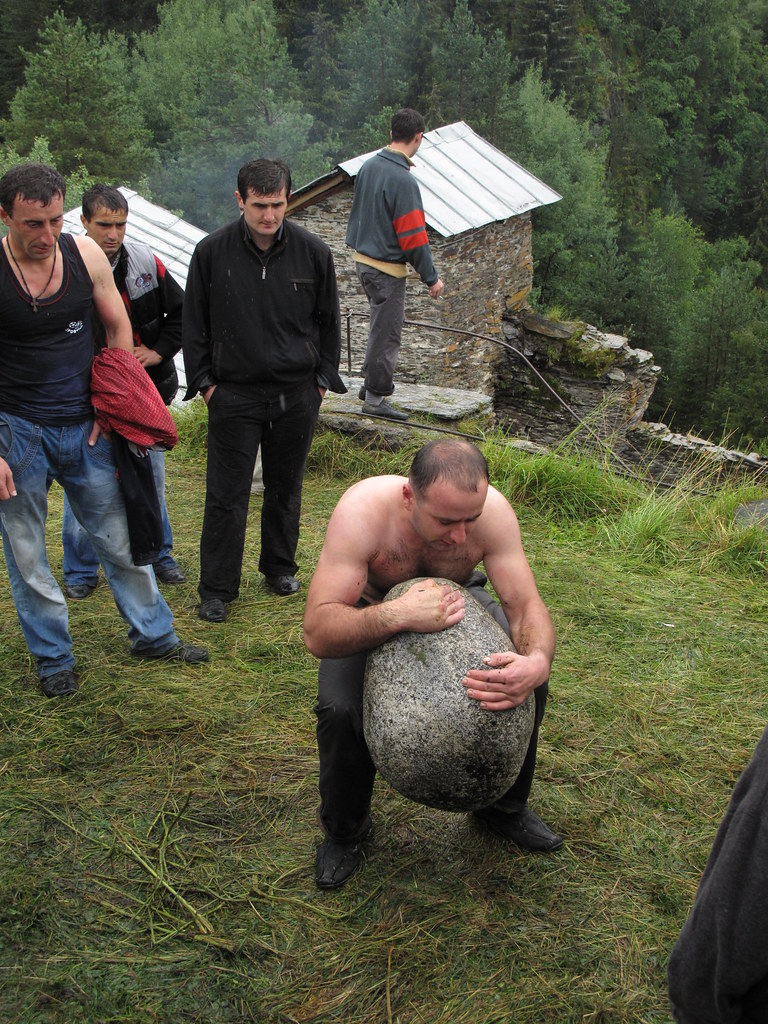 Georgia
I would put Svaneti salt on the list for Georgia because it is the kind of thing that feels useful once you are home, not just another airport purchase. The best version is usually the sealed jar, tin or packet from a normal supermarket, spice stall or food hall, not the most expensive tourist version. The reason it works is that it gives you a quick reminder of the trip without needing to keep a fragile ornament safe forever.
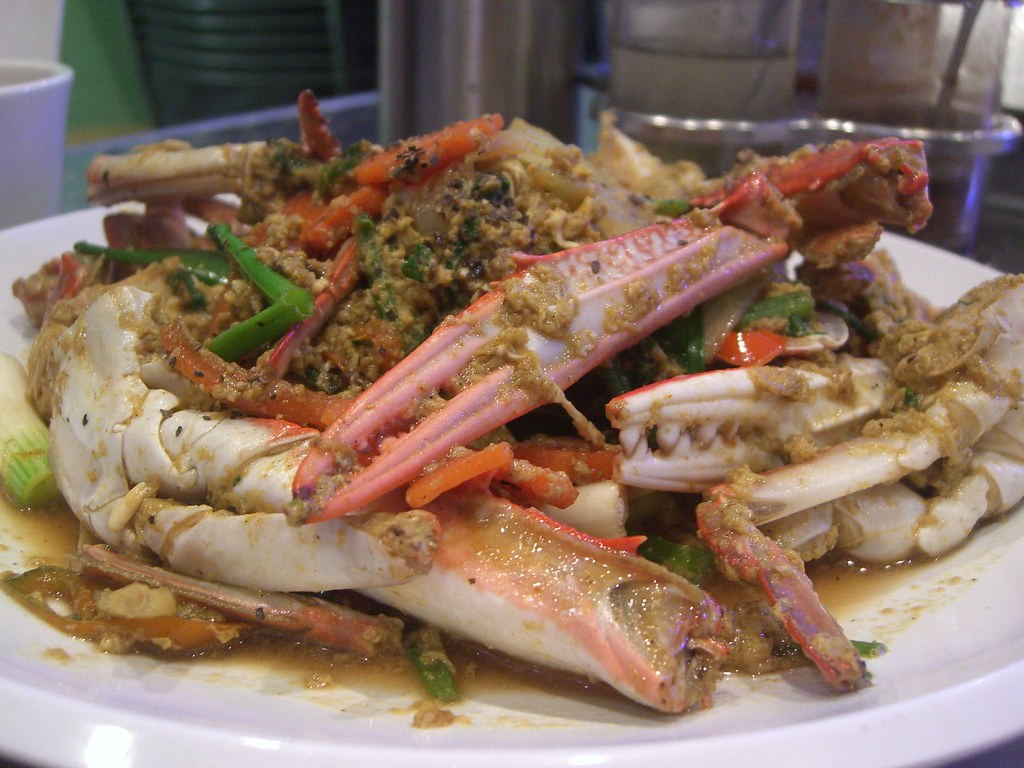 Thailand
I would put Thai curry paste on the list for Thailand because it is the kind of thing that feels useful once you are home, not just another airport purchase. The best version is usually the sealed jar, tin or packet from a normal supermarket, spice stall or food hall, not the most expensive tourist version. The reason it works is that it gives you a quick reminder of the trip without needing to keep a fragile ornament safe forever.
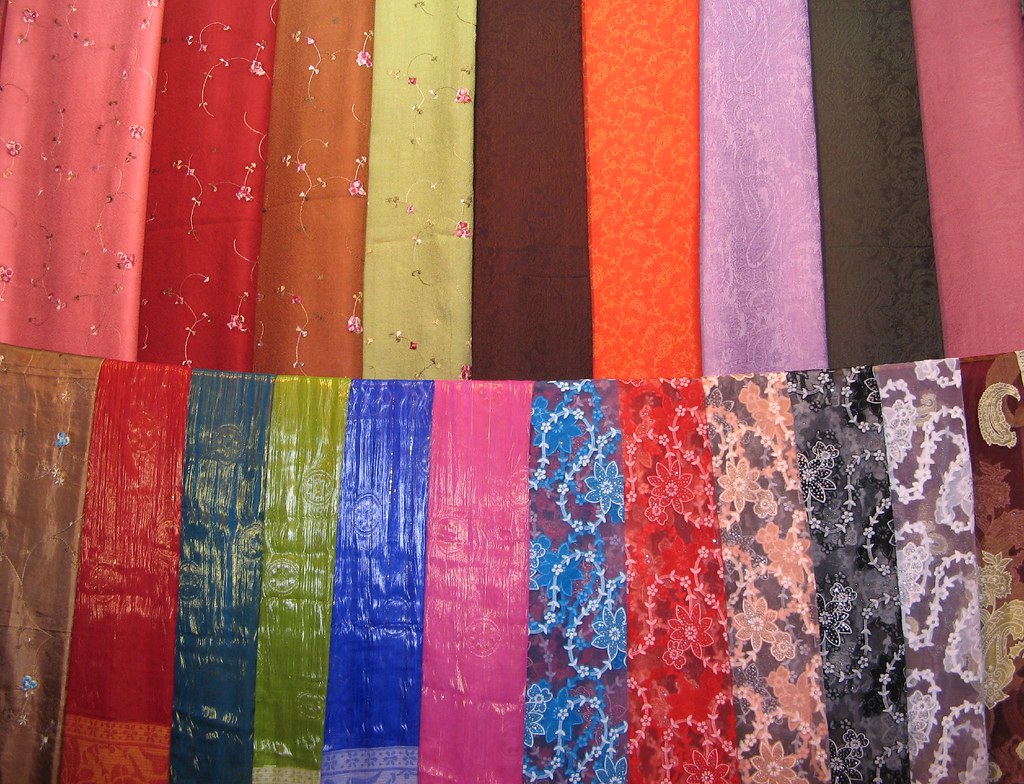 Thailand
When I think of an easy, crowd-pleasing thing to bring back from Thailand, Thai silk scarf is a good pick because it does not need much explanation when you hand it over. I would avoid the obvious tourist print and look for something with a local pattern, fabric or cut that still works with normal clothes back in the UK. I would rate it higher when it is locally made, clearly labelled and easy to use at home, and lower when it is just tourist packaging.
 Portugal
This is exactly the sort of thing I like bringing back from Portugal: small enough to fit in a bag, but specific enough to remind you where you bought it. Tins and sealed products are the easiest version. Fresh or chilled fish is usually not worth the hassle unless you have checked the rules. It is also the kind of thing you can talk about when someone asks what you brought back, because there is usually a little story attached to where you found it.
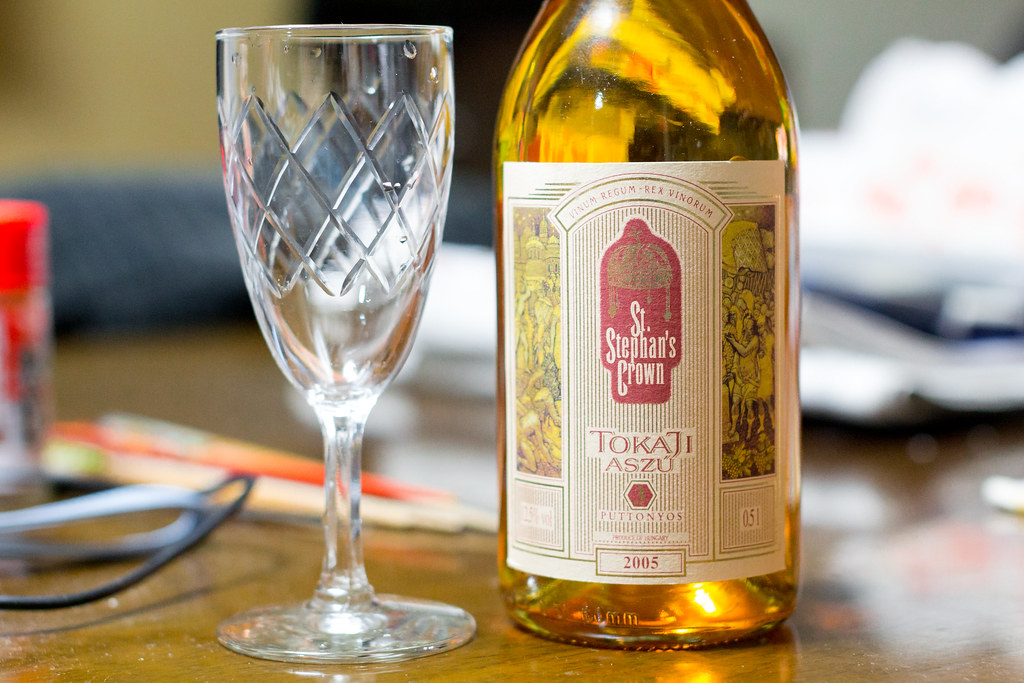 Hungary
Famous Hungarian sweet wine made with botrytised grapes.
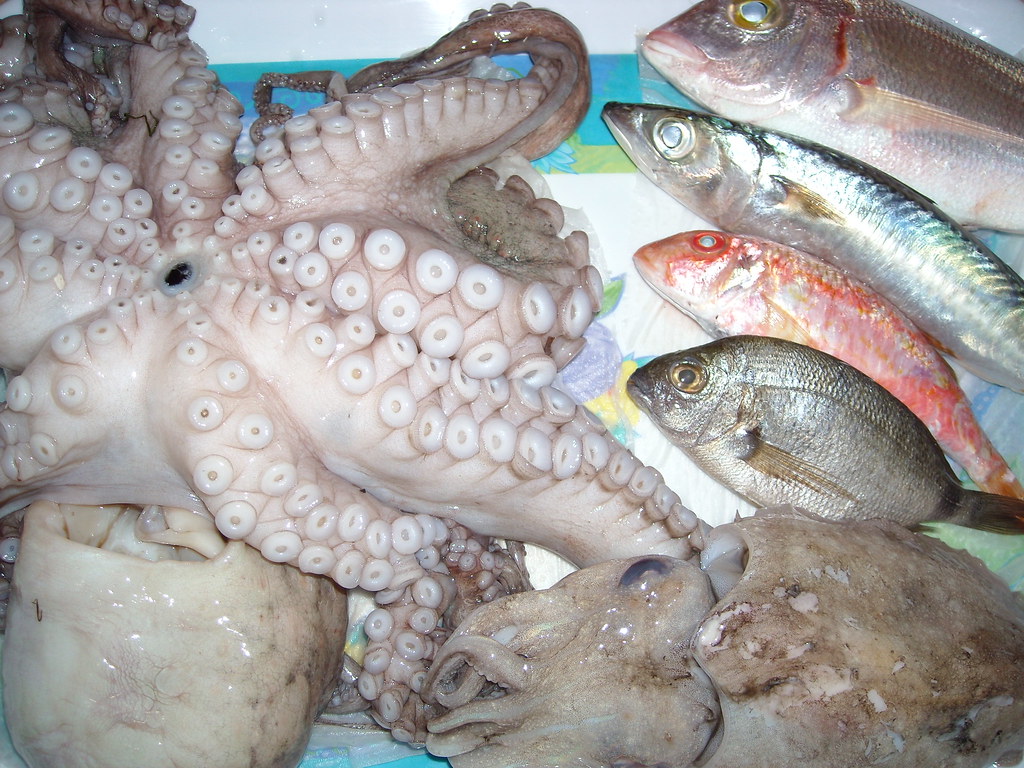 Tunisia
This is exactly the sort of thing I like bringing back from Tunisia: small enough to fit in a bag, but specific enough to remind you where you bought it. Oils and vinegars work well when the bottle is small, sealed and wrapped in clothing inside checked luggage. It is also the kind of thing you can talk about when someone asks what you brought back, because there is usually a little story attached to where you found it.
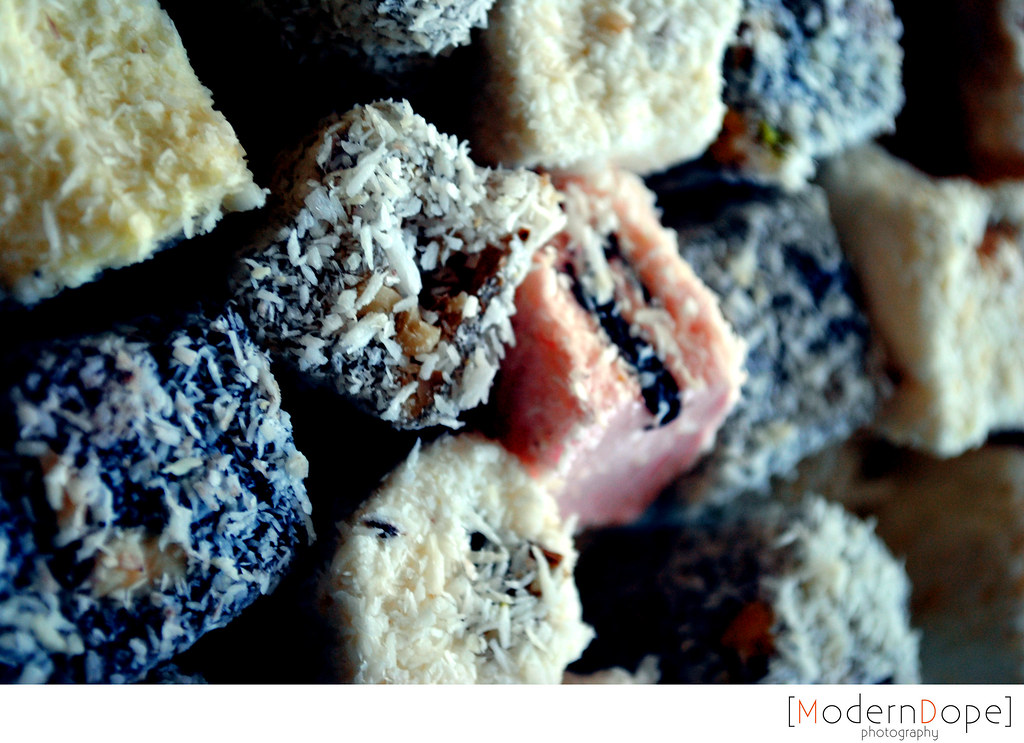 Turkey
I would put Turkish delight lokum on the list for Türkiye because it is the kind of thing that feels useful once you are home, not just another airport purchase. Look for a boxed version with a decent date on it, especially if you are buying it near the start of the trip rather than at the airport. The reason it works is that it gives you a quick reminder of the trip without needing to keep a fragile ornament safe forever.
 Uganda
Vanilla beans or extract from Uganda’s growing vanilla industry.
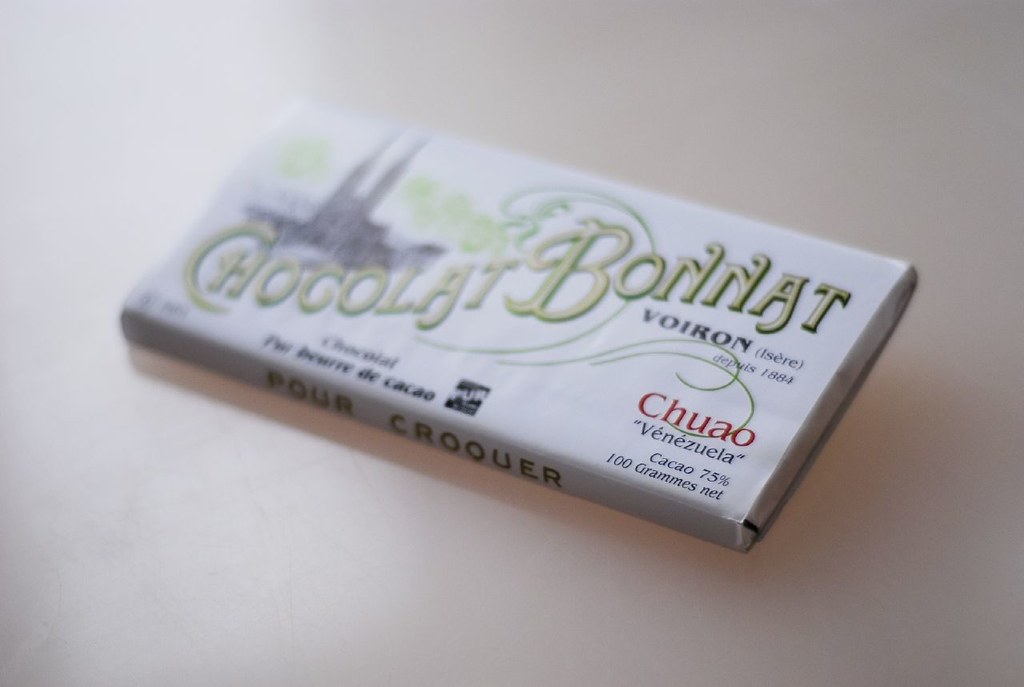 Venezuela
Chocolate made with Venezuelan cacao, often rich and aromatic.
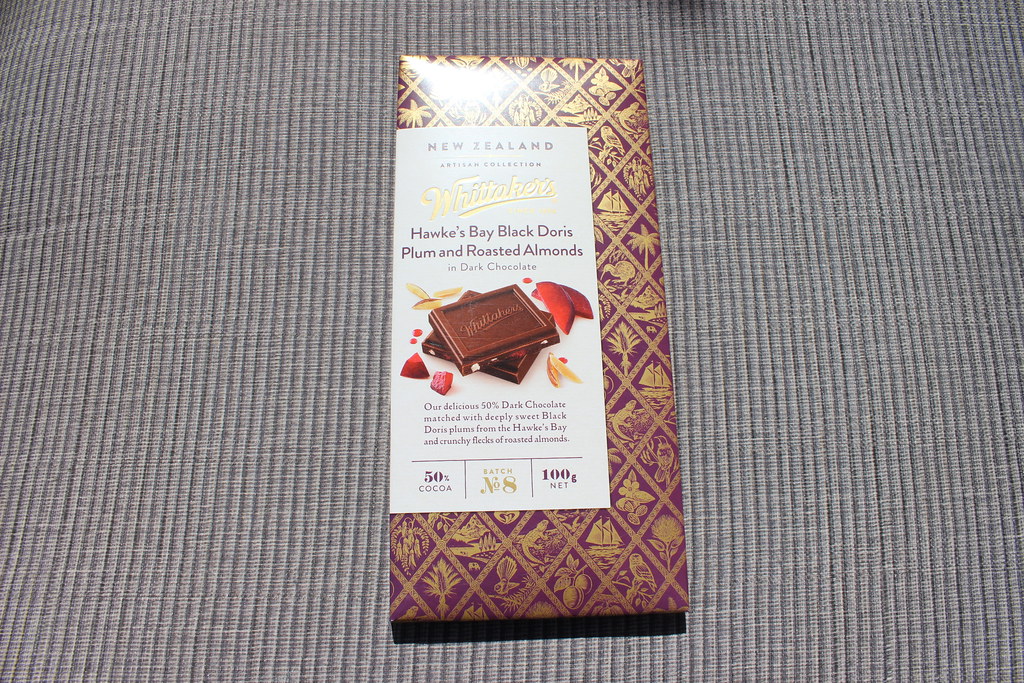 New Zealand
This is exactly the sort of thing I like bringing back from New Zealand: small enough to fit in a bag, but specific enough to remind you where you bought it. Look for a boxed version with a decent date on it, especially if you are buying it near the start of the trip rather than at the airport. It is also the kind of thing you can talk about when someone asks what you brought back, because there is usually a little story attached to where you found it.
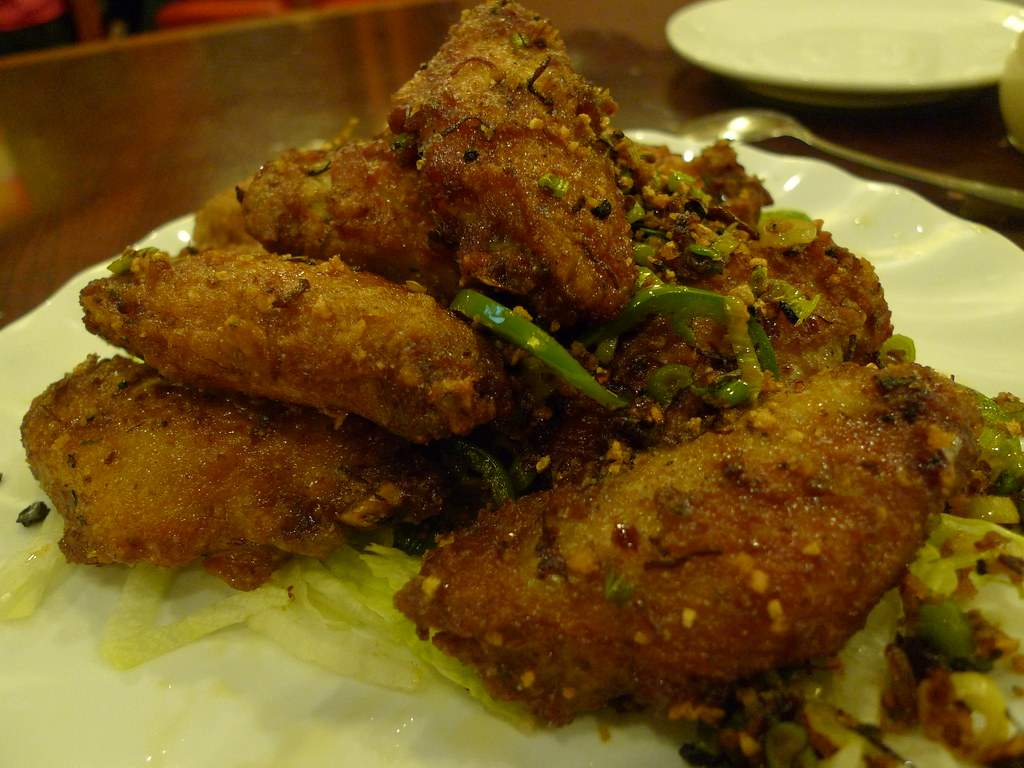 Hong Kong SAR China
Luxury chilli-seafood condiment used for stir-fries, noodles and dim sum.
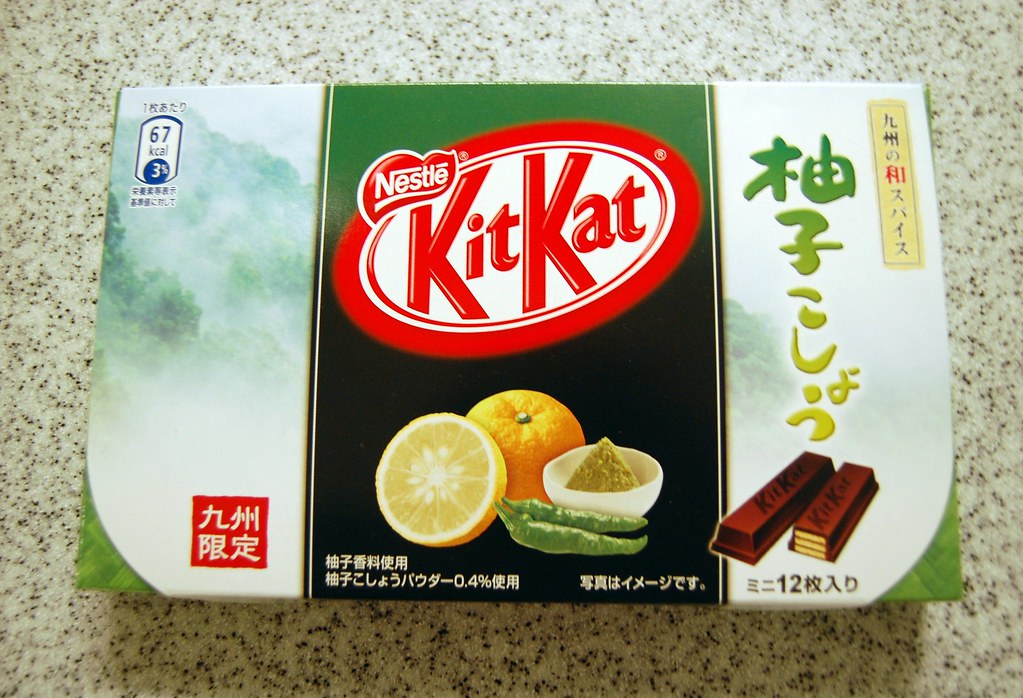 Japan
Japan
This is exactly the sort of thing I like bringing back from Japan: small enough to fit in a bag, but specific enough to remind you where you bought it. The best version is usually the sealed jar, tin or packet from a normal supermarket, spice stall or food hall, not the most expensive tourist version. It is also the kind of thing you can talk about when someone asks what you brought back, because there is usually a little story attached to where you found it.
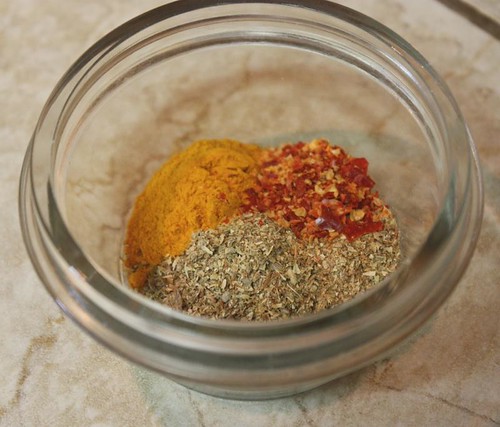 Jordan
I would put Za’atar spice blend on the list for Jordan because it is the kind of thing that feels useful once you are home, not just another airport purchase. The best version is usually the sealed jar, tin or packet from a normal supermarket, spice stall or food hall, not the most expensive tourist version. The reason it works is that it gives you a quick reminder of the trip without needing to keep a fragile ornament safe forever.
 Australia
Aboriginal art print is worth adding because it feels like something you actually noticed while travelling through Australia, rather than a generic souvenir. The trick is to choose the simple, well-made version. Small craft items look better on a shelf when they are not too shiny or mass-produced. The ideal version is modestly priced, not too bulky, and good enough that you would buy it again even without the holiday memory.
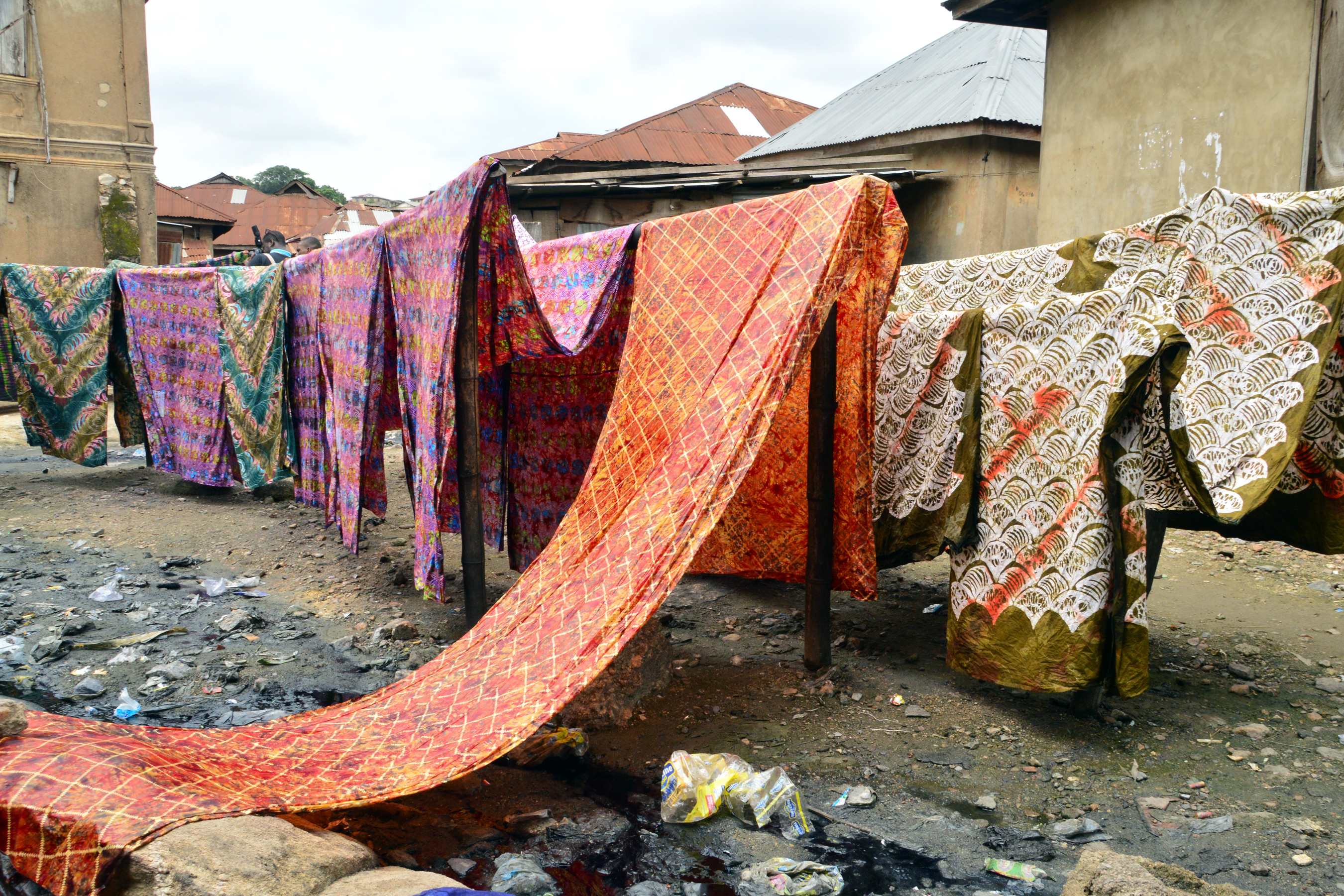 Nigeria
When I think of an easy, crowd-pleasing thing to bring back from Nigeria, adire fabric scarf is a good pick because it does not need much explanation when you hand it over. I would avoid the obvious tourist print and look for something with a local pattern, fabric or cut that still works with normal clothes back in the UK. I would rate it higher when it is locally made, clearly labelled and easy to use at home, and lower when it is just tourist packaging.
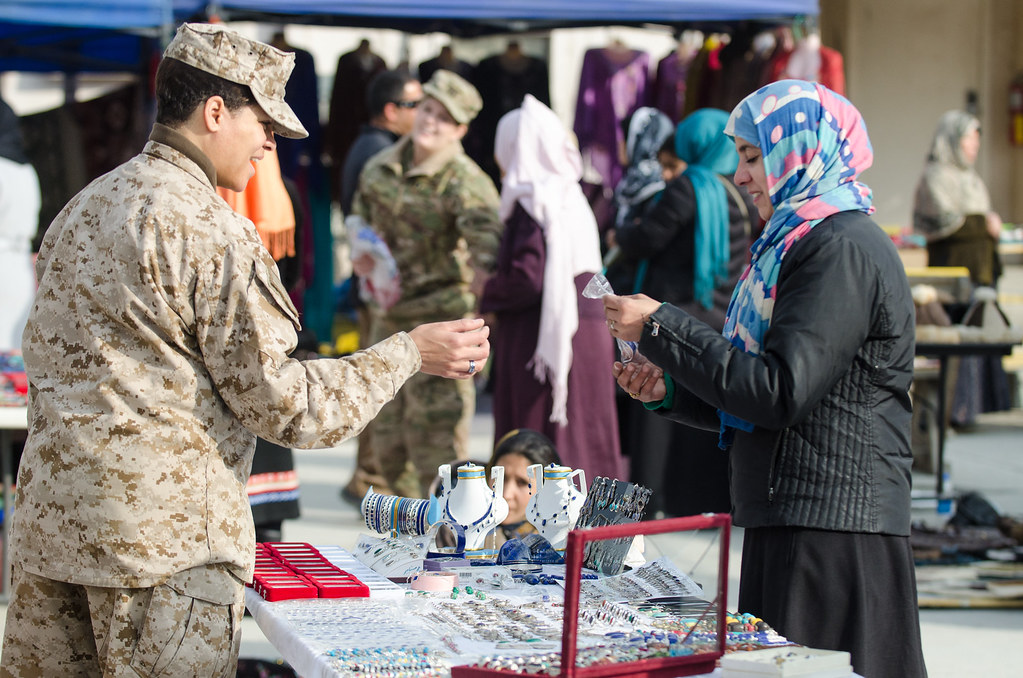 Afghanistan
Afghan embroidered scarf is worth adding because it feels like something you actually noticed while travelling through Afghanistan, rather than a generic souvenir. I would avoid the obvious tourist print and look for something with a local pattern, fabric or cut that still works with normal clothes back in the UK. The ideal version is modestly priced, not too bulky, and good enough that you would buy it again even without the holiday memory.
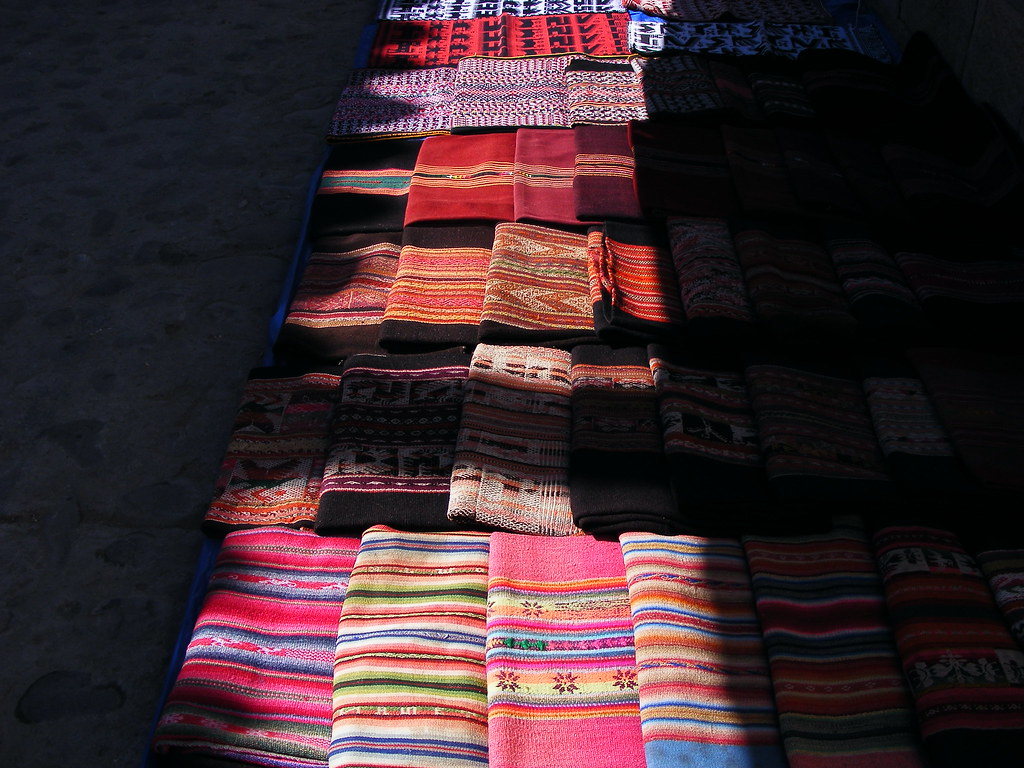 Bolivia
Colourful Andean woven pouch or cloth inspired by traditional aguayo patterns.
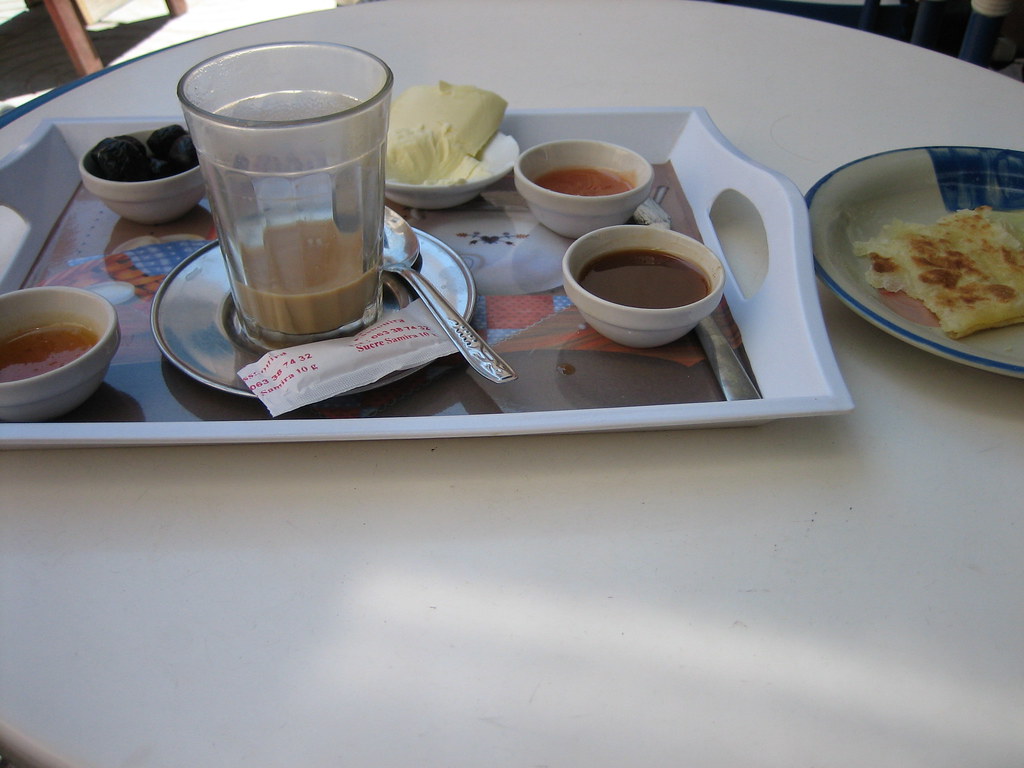 Morocco
Amlou almond spread is worth adding because it feels like something you actually noticed while travelling through Morocco, rather than a generic souvenir. Look for a boxed version with a decent date on it, especially if you are buying it near the start of the trip rather than at the airport. The ideal version is modestly priced, not too bulky, and good enough that you would buy it again even without the holiday memory.
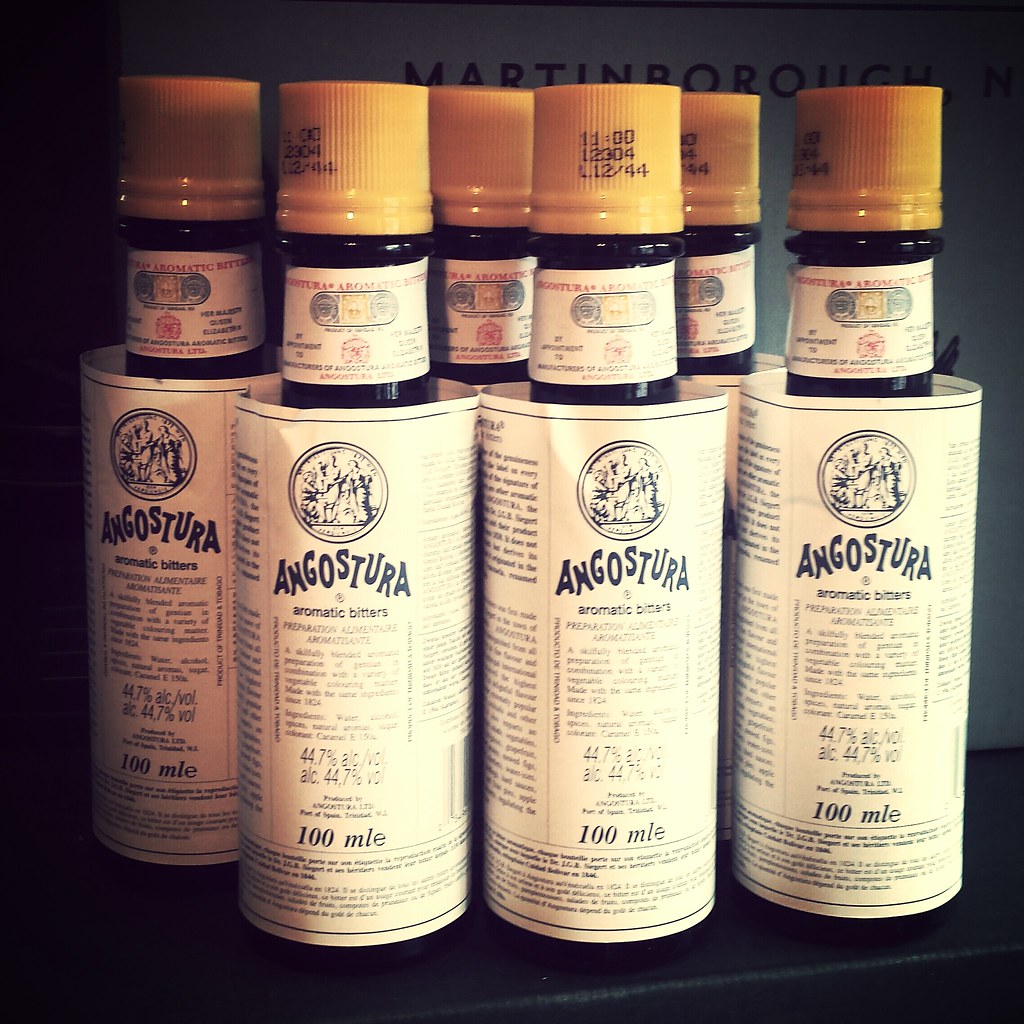 Trinidad & Tobago
Concentrated aromatic bitters from Trinidad, essential for cocktails.
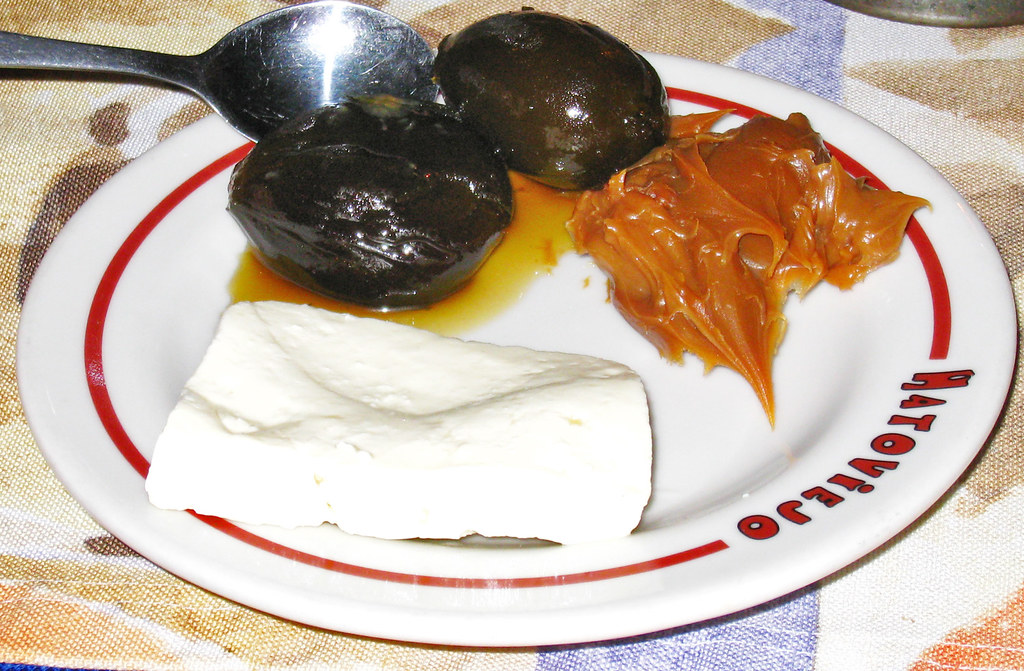 Colombia
This is exactly the sort of thing I like bringing back from Colombia: small enough to fit in a bag, but specific enough to remind you where you bought it. Look for a boxed version with a decent date on it, especially if you are buying it near the start of the trip rather than at the airport. It is also the kind of thing you can talk about when someone asks what you brought back, because there is usually a little story attached to where you found it.
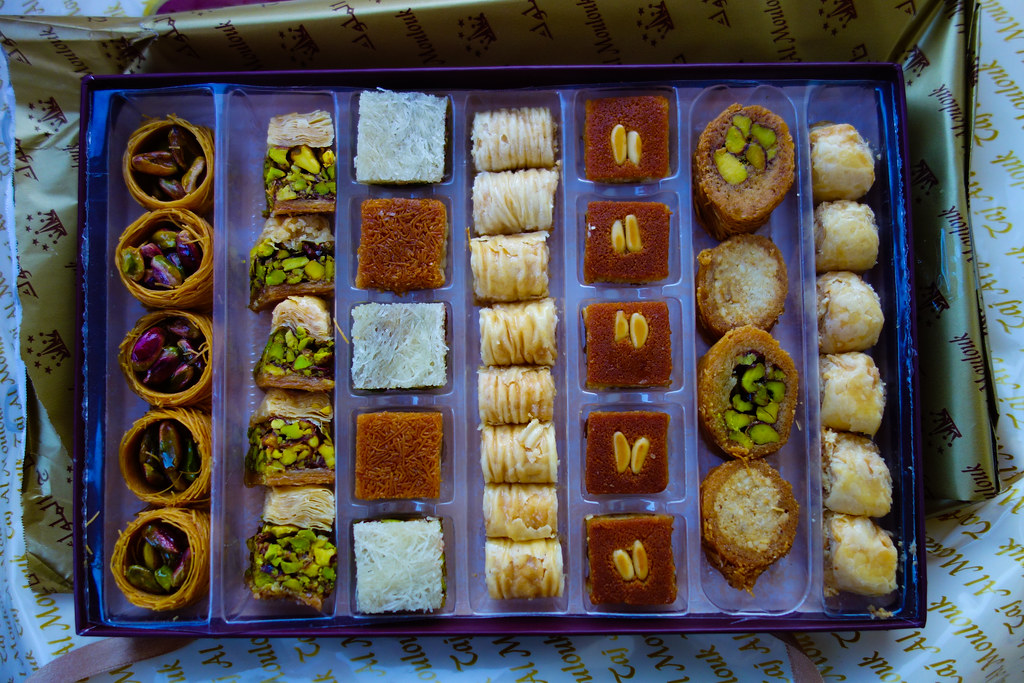 Lebanon
When I think of an easy, crowd-pleasing thing to bring back from Lebanon, baklava box is a good pick because it does not need much explanation when you hand it over. Look for a boxed version with a decent date on it, especially if you are buying it near the start of the trip rather than at the airport. I would rate it higher when it is locally made, clearly labelled and easy to use at home, and lower when it is just tourist packaging.
 South Africa
This is exactly the sort of thing I like bringing back from South Africa: small enough to fit in a bag, but specific enough to remind you where you bought it. This is one to research before packing. If the rules are unclear, treat it as an idea to buy from a legal UK importer instead. It is also the kind of thing you can talk about when someone asks what you brought back, because there is usually a little story attached to where you found it.
 United States
Bourbon miniature is worth adding because it feels like something you actually noticed while travelling through United States, rather than a generic souvenir. For alcohol, I would only bring this back if it is sealed properly and comfortably within the UK allowance; otherwise it is better as a UK-buy link. The ideal version is modestly priced, not too bulky, and good enough that you would buy it again even without the holiday memory.
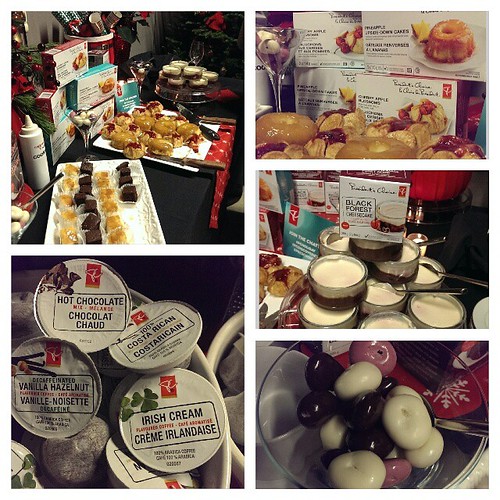 Madagascar
High-quality vanilla pods from Madagascar, excellent for baking.
 Solomon Islands
Small modern wooden carving inspired by island marine life.
 Georgia
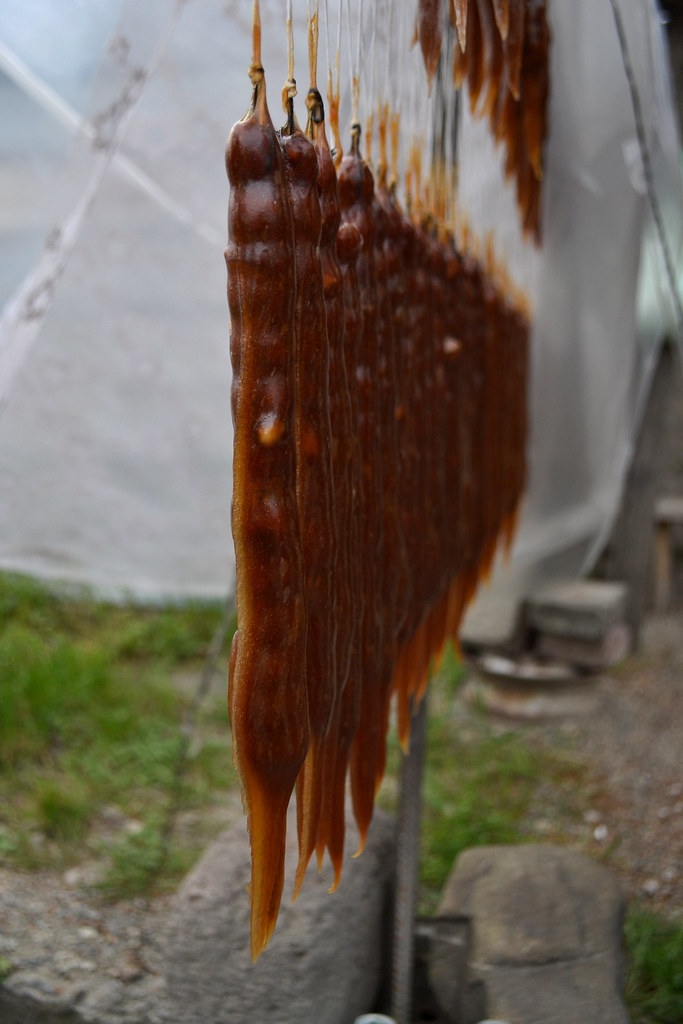
This is exactly the sort of thing I like bringing back from Georgia: small enough to fit in a bag, but specific enough to remind you where you bought it. I would buy a couple of packets: one to open while travelling and one to bring home unopened, because snacks have a habit of disappearing before the flight. It is also the kind of thing you can talk about when someone asks what you brought back, because there is usually a little story attached to where you found it.
 Finland
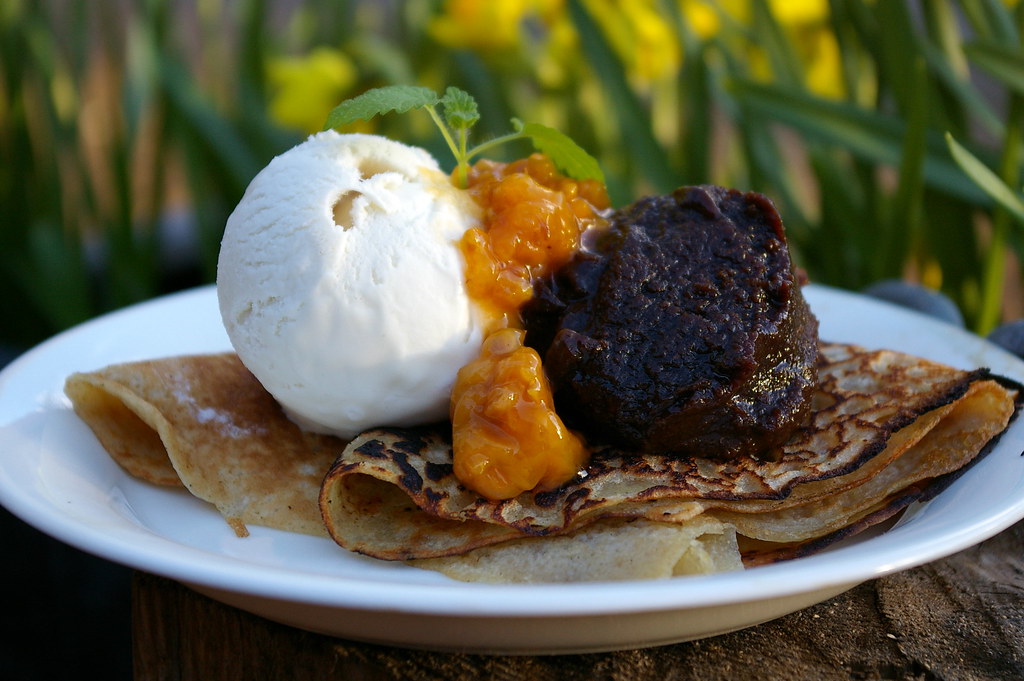
When I think of an easy, crowd-pleasing thing to bring back from Finland, cloudberry jam is a good pick because it does not need much explanation when you hand it over. The best version is usually the sealed jar, tin or packet from a normal supermarket, spice stall or food hall, not the most expensive tourist version. I would rate it higher when it is locally made, clearly labelled and easy to use at home, and lower when it is just tourist packaging.
 Cyprus
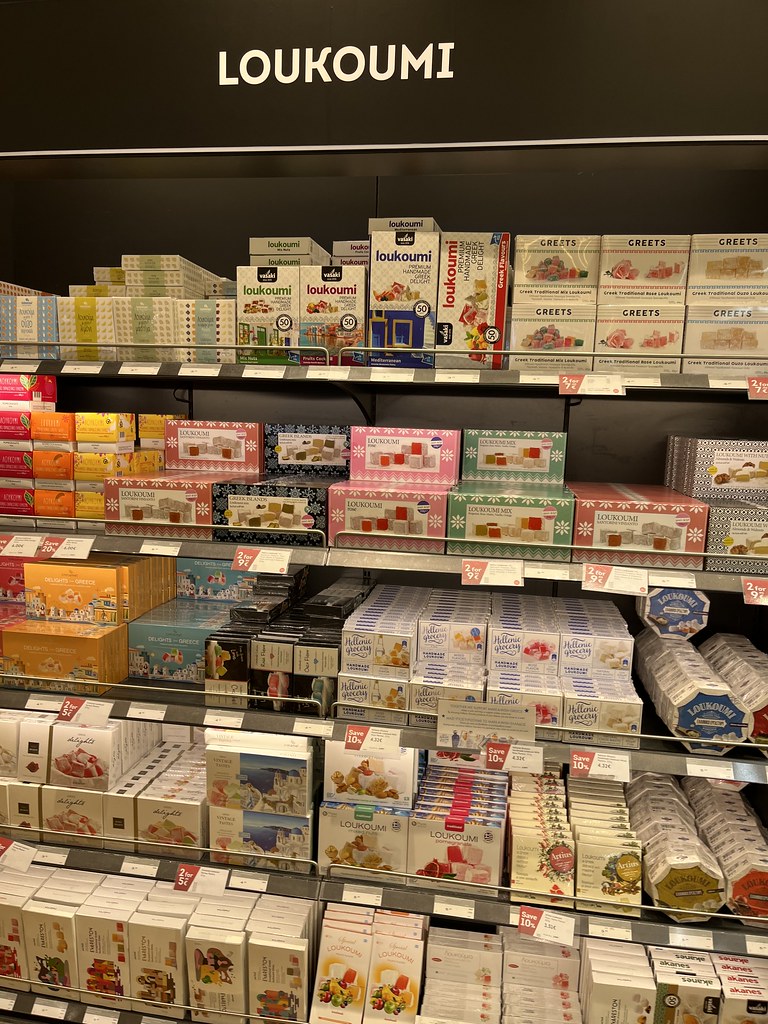
This is exactly the sort of thing I like bringing back from Cyprus: small enough to fit in a bag, but specific enough to remind you where you bought it. Look for a boxed version with a decent date on it, especially if you are buying it near the start of the trip rather than at the airport. It is also the kind of thing you can talk about when someone asks what you brought back, because there is usually a little story attached to where you found it.
 Sweden
When I think of an easy, crowd-pleasing thing to bring back from Sweden, Dala horse ornament is a good pick because it does not need much explanation when you hand it over. The trick is to choose the simple, well-made version. Small craft items look better on a shelf when they are not too shiny or mass-produced. I would rate it higher when it is locally made, clearly labelled and easy to use at home, and lower when it is just tourist packaging.
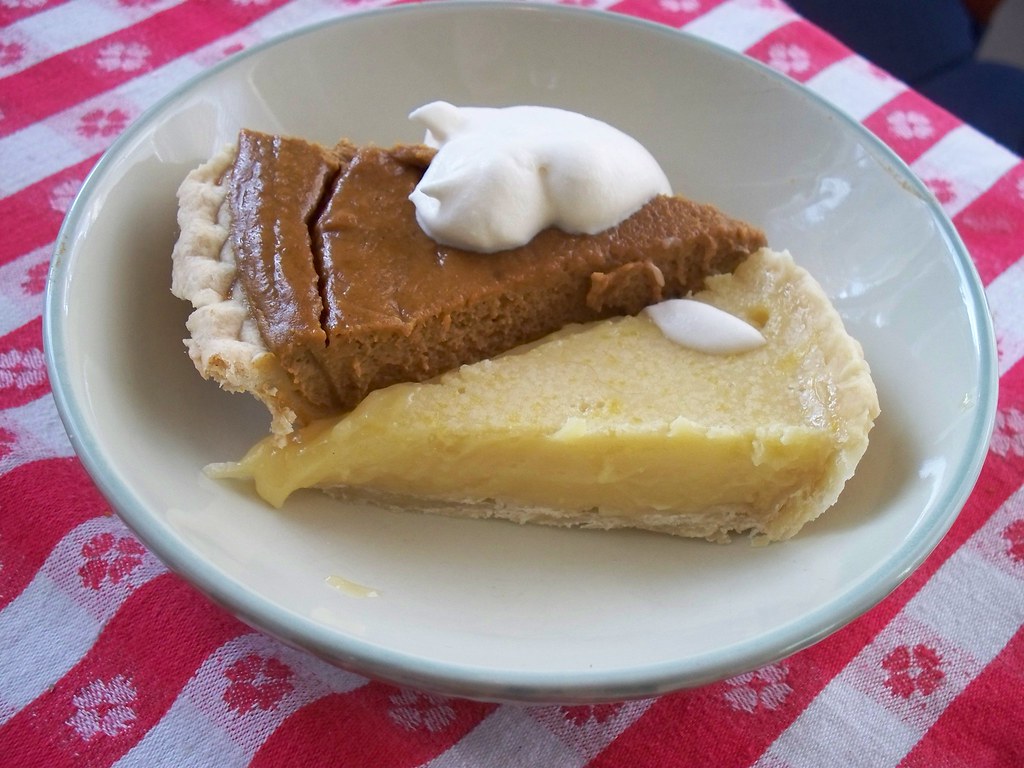 United Arab Emirates
I would put Date-filled chocolates on the list for United Arab Emirates because it is the kind of thing that feels useful once you are home, not just another airport purchase. Look for a boxed version with a decent date on it, especially if you are buying it near the start of the trip rather than at the airport. The reason it works is that it gives you a quick reminder of the trip without needing to keep a fragile ornament safe forever.
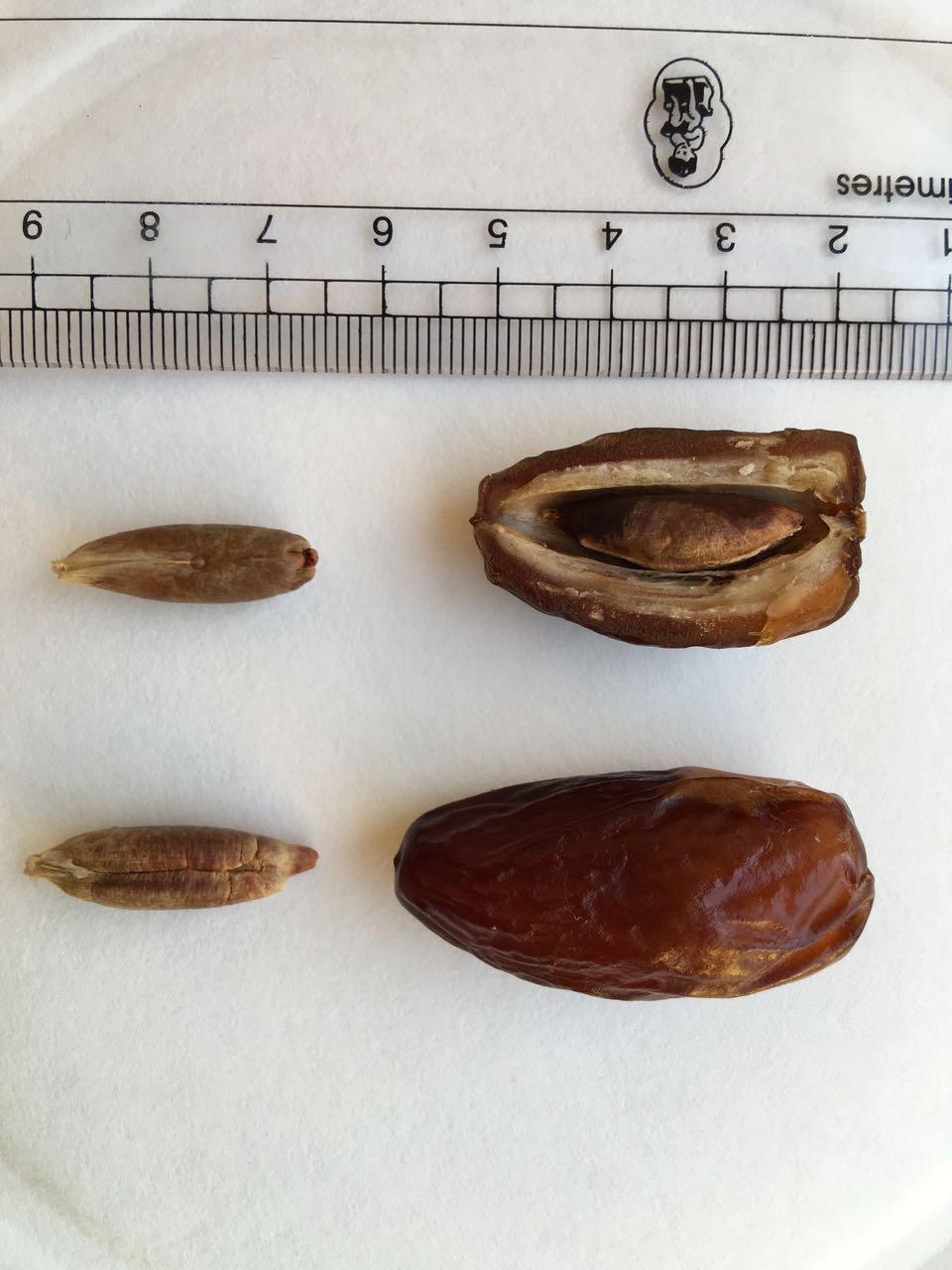 Tunisia
When I think of an easy, crowd-pleasing thing to bring back from Tunisia, deglet nour dates is a good pick because it does not need much explanation when you hand it over. Fresh produce can be tricky, so the practical choice is dried, preserved or packaged versions that keep well. I would rate it higher when it is locally made, clearly labelled and easy to use at home, and lower when it is just tourist packaging.
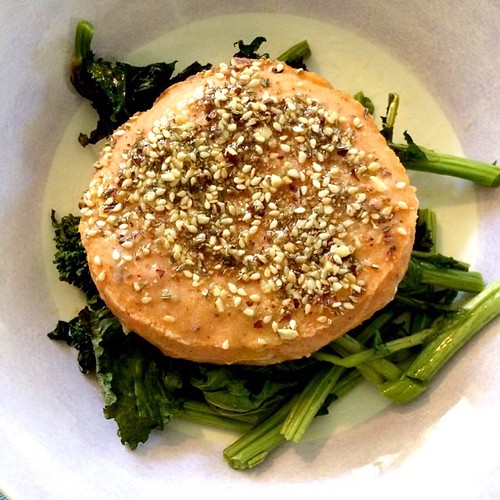 Egypt
Egypt
This is exactly the sort of thing I like bringing back from Egypt: small enough to fit in a bag, but specific enough to remind you where you bought it. The best version is usually the sealed jar, tin or packet from a normal supermarket, spice stall or food hall, not the most expensive tourist version. It is also the kind of thing you can talk about when someone asks what you brought back, because there is usually a little story attached to where you found it.
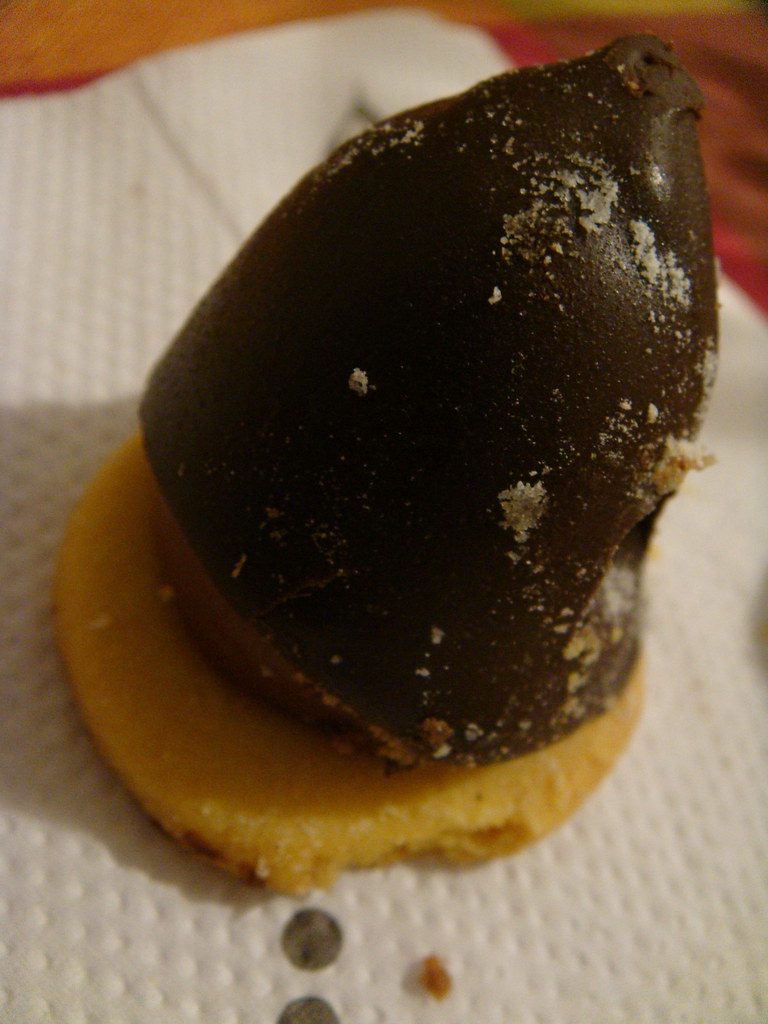 Uruguay
Alfajor-style biscuits filled with dulce de leche.
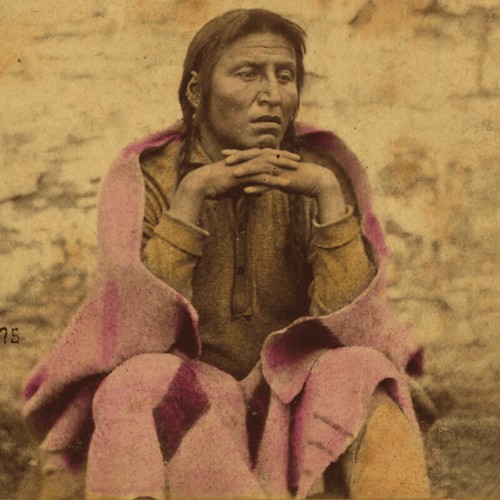 Canada
First Nations art print is worth adding because it feels like something you actually noticed while travelling through Canada, rather than a generic souvenir. The trick is to choose the simple, well-made version. Small craft items look better on a shelf when they are not too shiny or mass-produced. The ideal version is modestly priced, not too bulky, and good enough that you would buy it again even without the holiday memory.
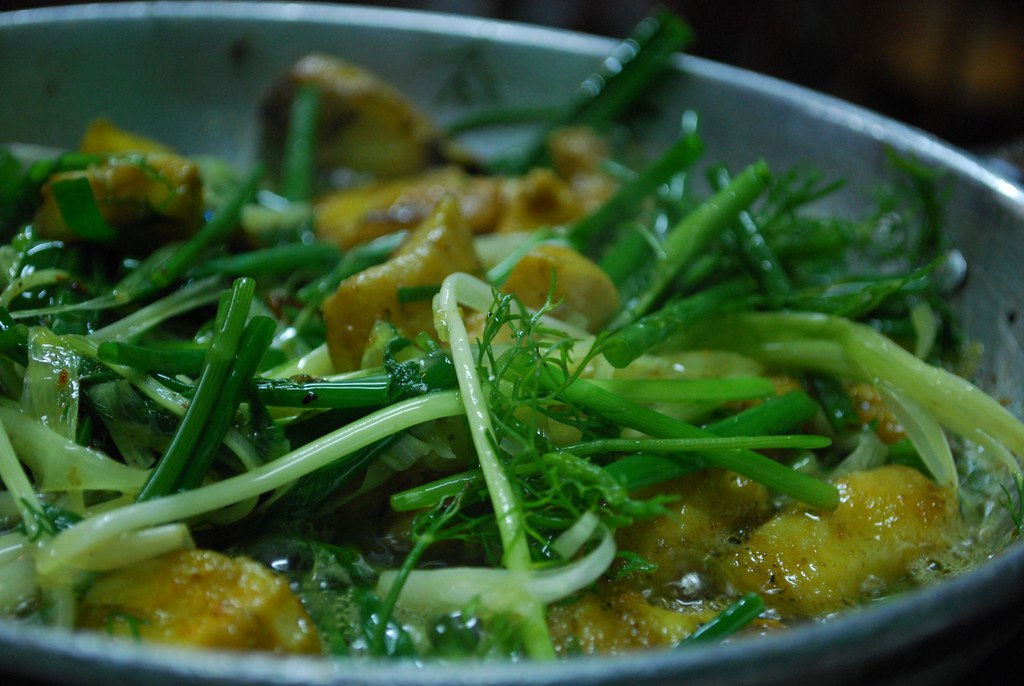 Vietnam
This is exactly the sort of thing I like bringing back from Vietnam: small enough to fit in a bag, but specific enough to remind you where you bought it. Tins and sealed products are the easiest version. Fresh or chilled fish is usually not worth the hassle unless you have checked the rules. It is also the kind of thing you can talk about when someone asks what you brought back, because there is usually a little story attached to where you found it.
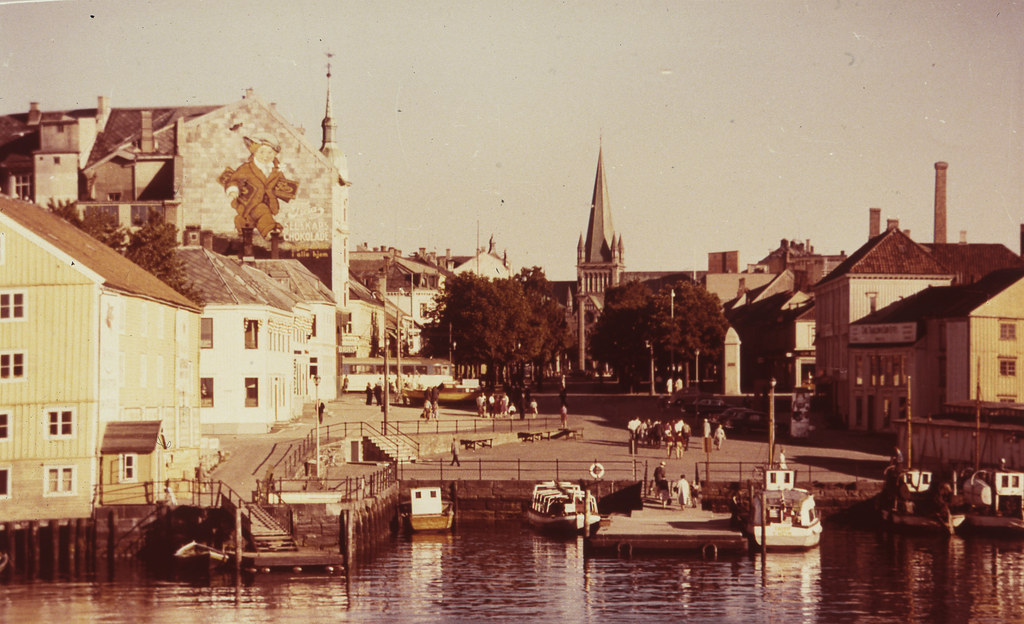 Norway
This is exactly the sort of thing I like bringing back from Norway: small enough to fit in a bag, but specific enough to remind you where you bought it. Look for a boxed version with a decent date on it, especially if you are buying it near the start of the trip rather than at the airport. It is also the kind of thing you can talk about when someone asks what you brought back, because there is usually a little story attached to where you found it.
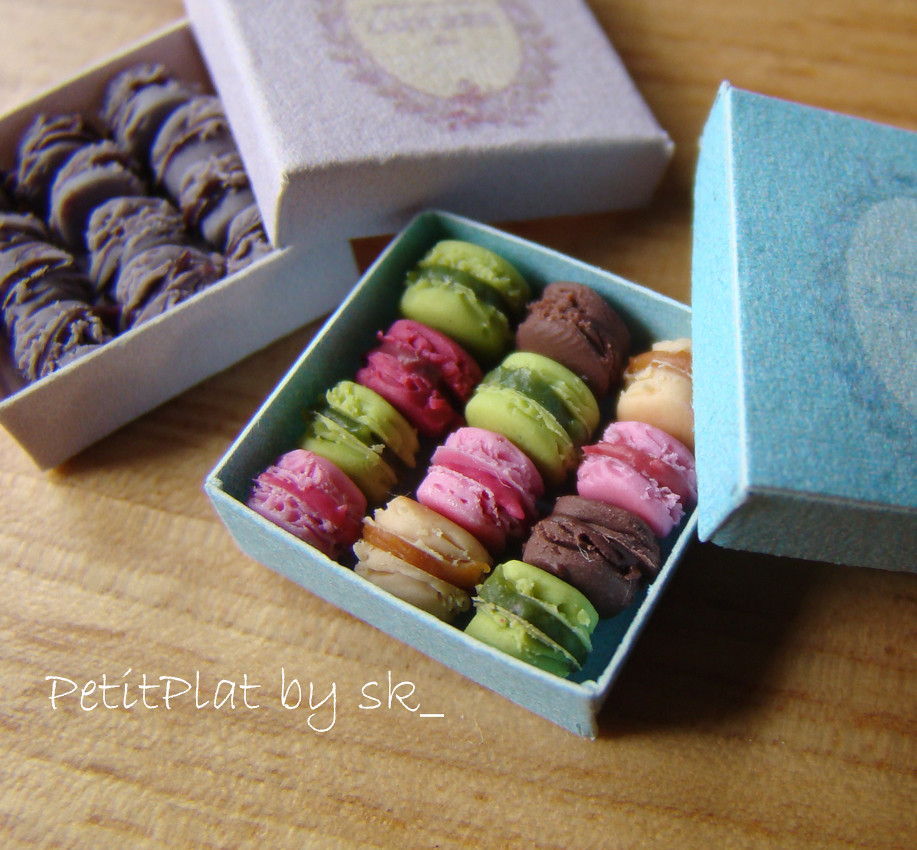 France
This is exactly the sort of thing I like bringing back from France: small enough to fit in a bag, but specific enough to remind you where you bought it. Look for a boxed version with a decent date on it, especially if you are buying it near the start of the trip rather than at the airport. It is also the kind of thing you can talk about when someone asks what you brought back, because there is usually a little story attached to where you found it.
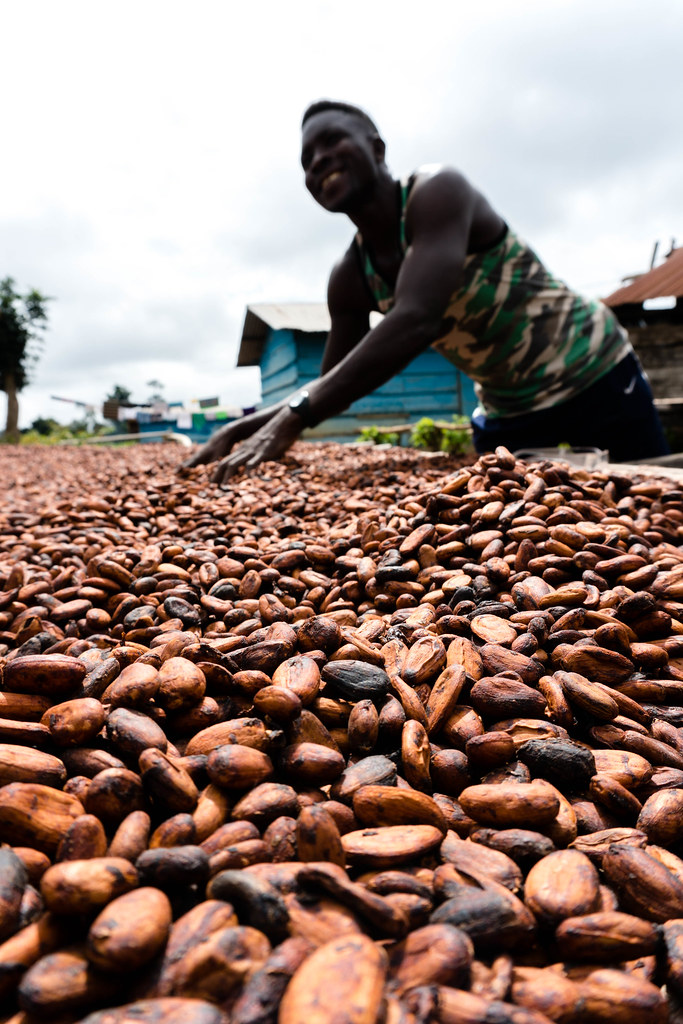 Ghana
Ghana
I would put Ghanaian cocoa chocolate on the list for Ghana because it is the kind of thing that feels useful once you are home, not just another airport purchase. Look for a boxed version with a decent date on it, especially if you are buying it near the start of the trip rather than at the airport. The reason it works is that it gives you a quick reminder of the trip without needing to keep a fragile ornament safe forever.
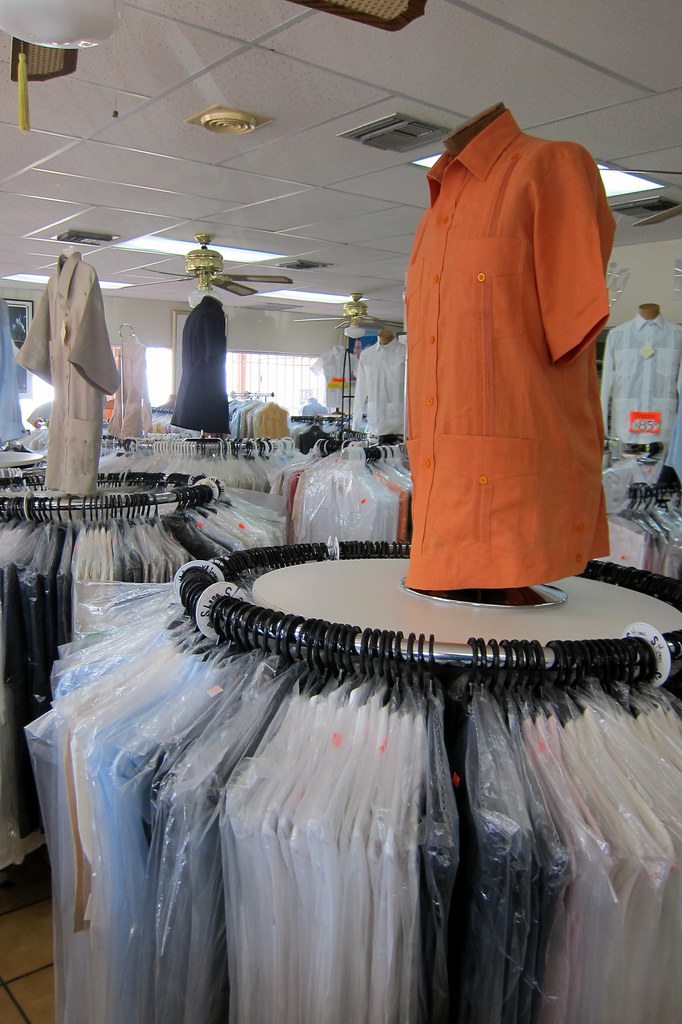 Cuba
Cuba
Guayabera shirt is worth adding because it feels like something you actually noticed while travelling through Cuba, rather than a generic souvenir. I would avoid the obvious tourist print and look for something with a local pattern, fabric or cut that still works with normal clothes back in the UK. The ideal version is modestly priced, not too bulky, and good enough that you would buy it again even without the holiday memory.
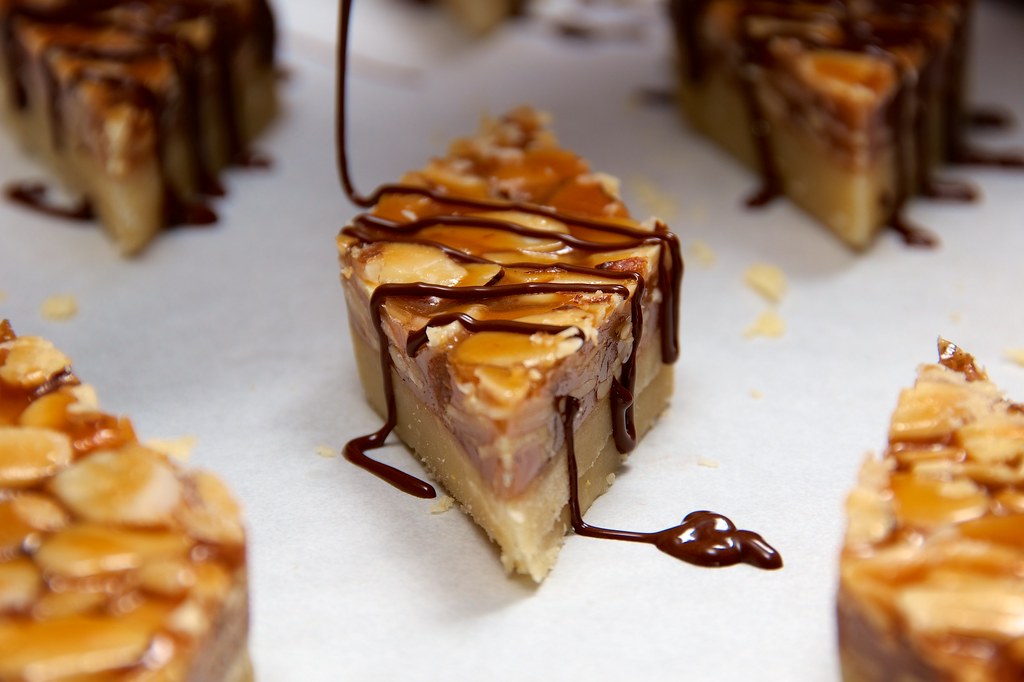 South Korea
When I think of an easy, crowd-pleasing thing to bring back from South Korea, honey butter almonds is a good pick because it does not need much explanation when you hand it over. I would buy a couple of packets: one to open while travelling and one to bring home unopened, because snacks have a habit of disappearing before the flight. I would rate it higher when it is locally made, clearly labelled and easy to use at home, and lower when it is just tourist packaging.
 United States
Regional American chilli sauces from Louisiana, Texas or the Carolinas.
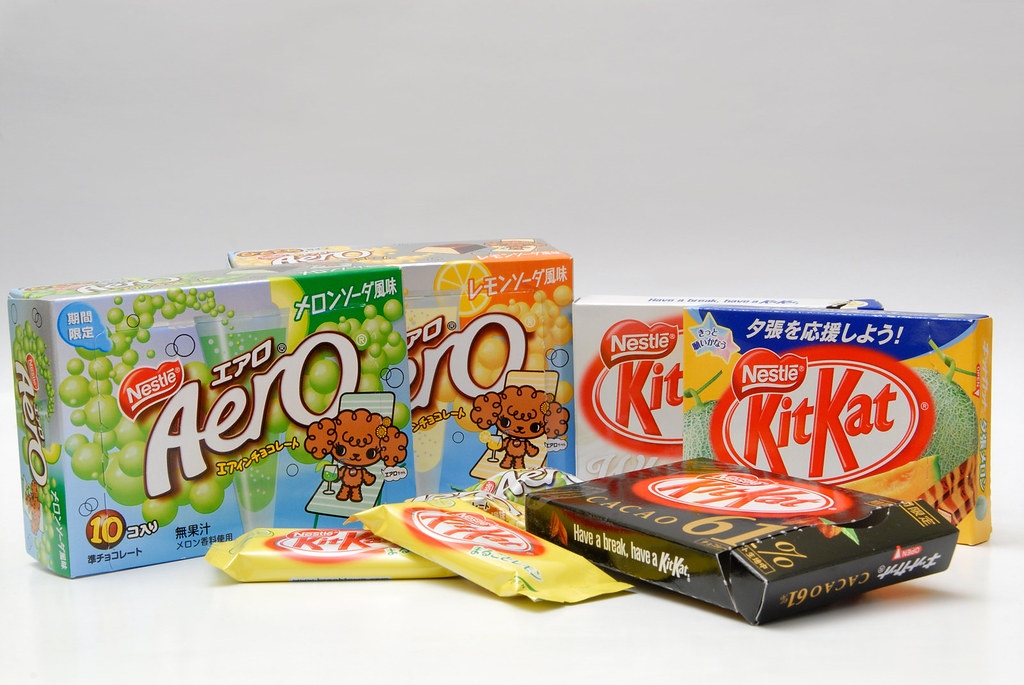 Japan
Japan
When I think of an easy, crowd-pleasing thing to bring back from Japan, Japanese KitKat flavours is a good pick because it does not need much explanation when you hand it over. I would buy a couple of packets: one to open while travelling and one to bring home unopened, because snacks have a habit of disappearing before the flight. I would rate it higher when it is locally made, clearly labelled and easy to use at home, and lower when it is just tourist packaging.
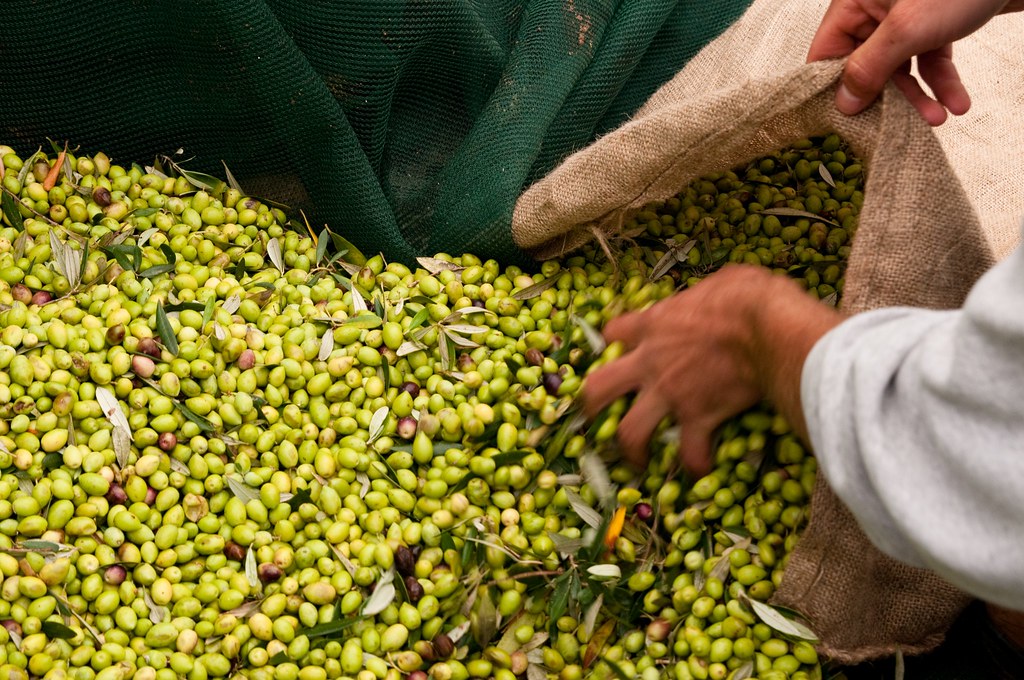 Greece
Purple-brown Greek olives with a rich, fruity flavour.
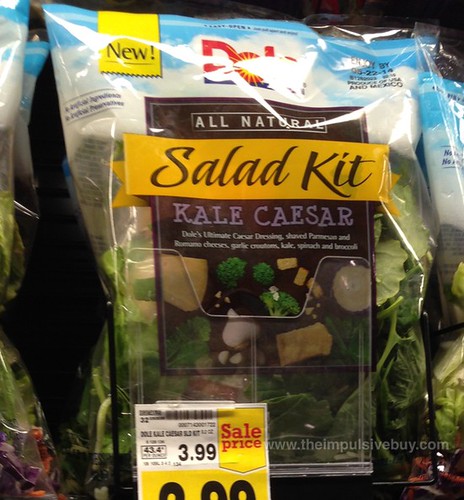 Myanmar (Burma)
Pickled tea leaves and crunchy mix for Burmese tea leaf salad.
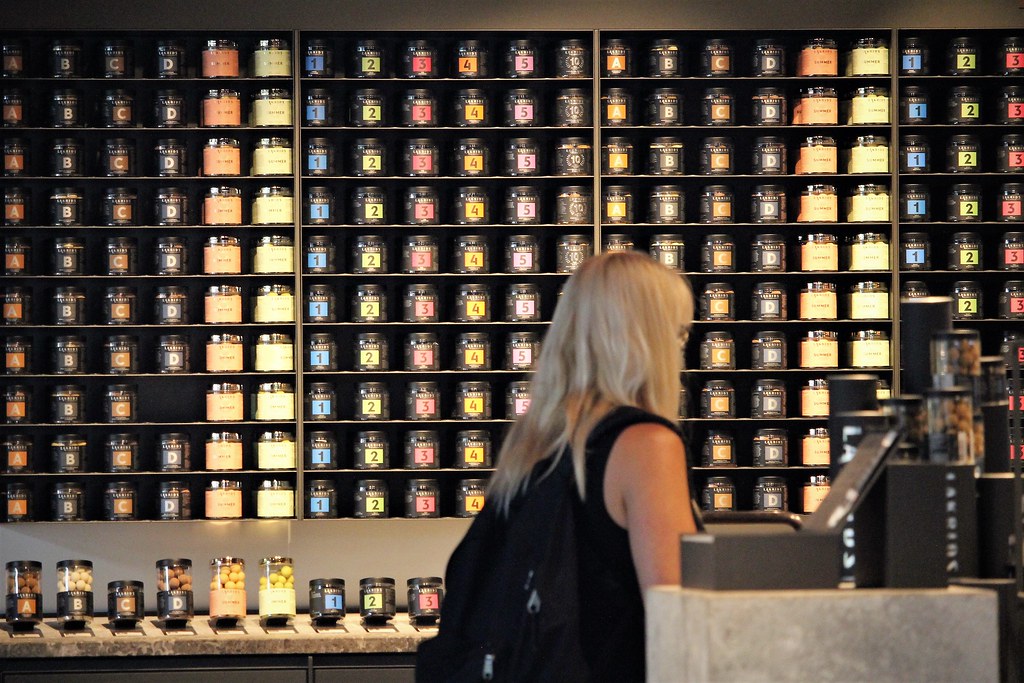 Denmark
Premium sweet or salty liquorice, often chocolate-coated.
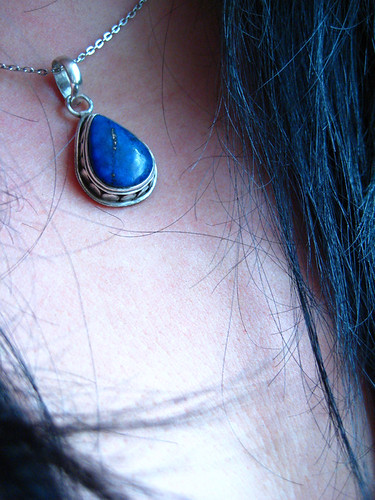 Chile
Chile
When I think of an easy, crowd-pleasing thing to bring back from Chile, lapis lazuli pendant is a good pick because it does not need much explanation when you hand it over. The trick is to choose the simple, well-made version. Small craft items look better on a shelf when they are not too shiny or mass-produced. I would rate it higher when it is locally made, clearly labelled and easy to use at home, and lower when it is just tourist packaging.
 Iceland
Black Icelandic-style sea salt used as a finishing salt.
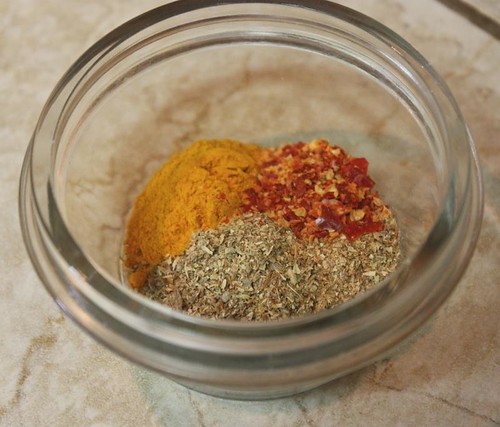 Libya
Libya
Warm chilli-spice seasoning for stews, soups and grilled food.
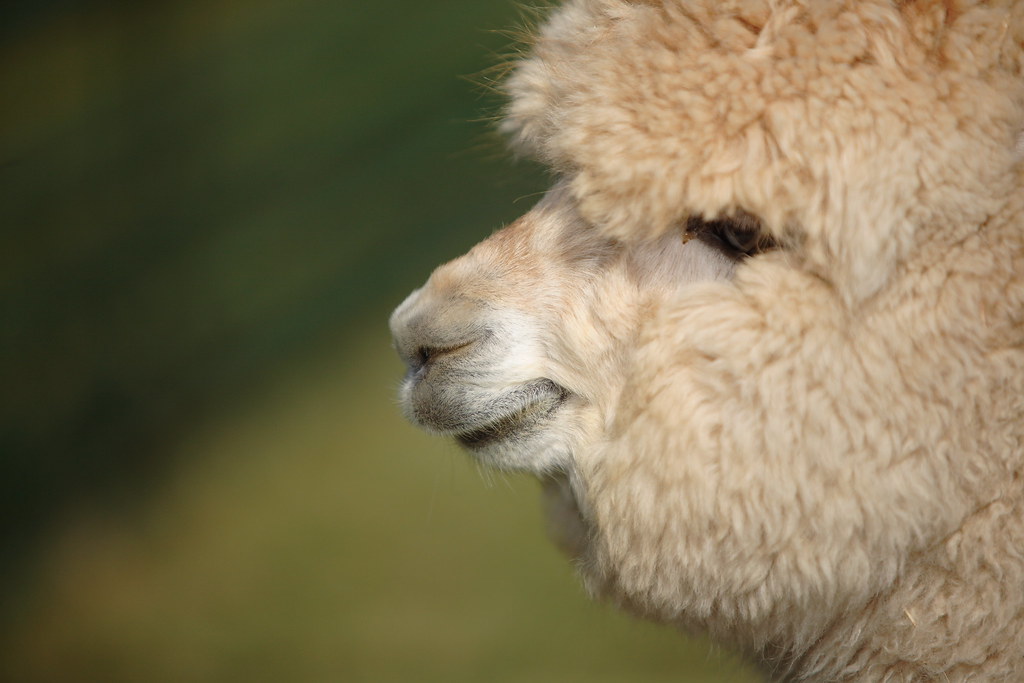 Bolivia
This is exactly the sort of thing I like bringing back from Bolivia: small enough to fit in a bag, but specific enough to remind you where you bought it. I would avoid the obvious tourist print and look for something with a local pattern, fabric or cut that still works with normal clothes back in the UK. It is also the kind of thing you can talk about when someone asks what you brought back, because there is usually a little story attached to where you found it.
This is exactly the sort of thing I like bringing back from Bulgaria: small enough to fit in a bag, but specific enough to remind you where you bought it. Cured meats are popular holiday finds, but they are also the category most likely to get caught by changing import rules. It is also the kind of thing you can talk about when someone asks what you brought back, because there is usually a little story attached to where you found it.
 Bulgaria
Pepper and tomato spread served with bread, cheese or grilled meat.
 Kenya
Kenya
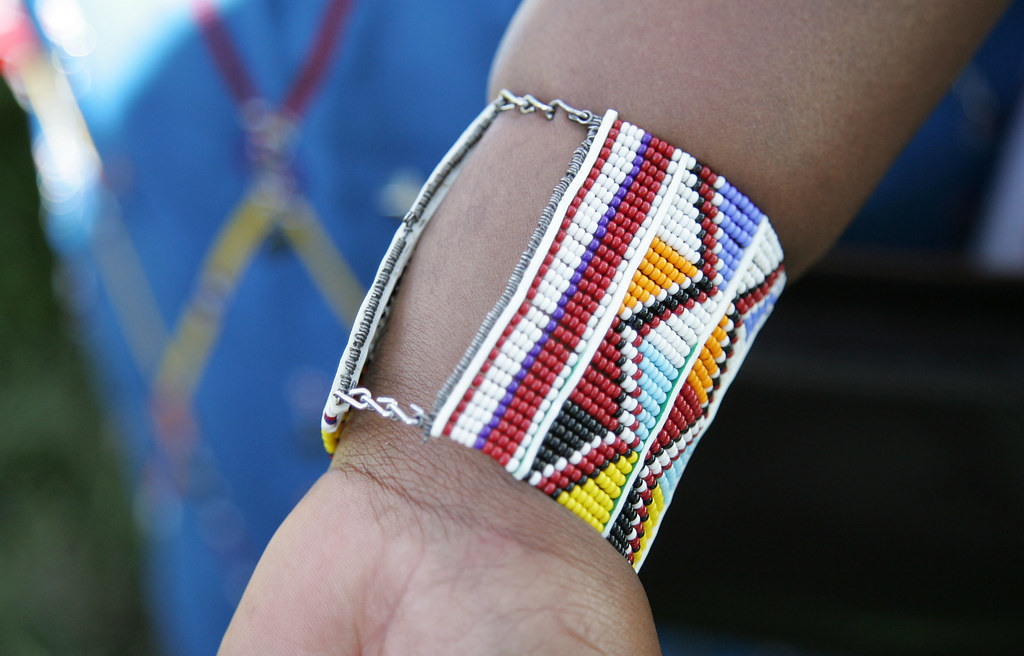
When I think of an easy, crowd-pleasing thing to bring back from Kenya, Maasai bead bracelet is a good pick because it does not need much explanation when you hand it over. The trick is to choose the simple, well-made version. Small craft items look better on a shelf when they are not too shiny or mass-produced. I would rate it higher when it is locally made, clearly labelled and easy to use at home, and lower when it is just tourist packaging.
 India
India
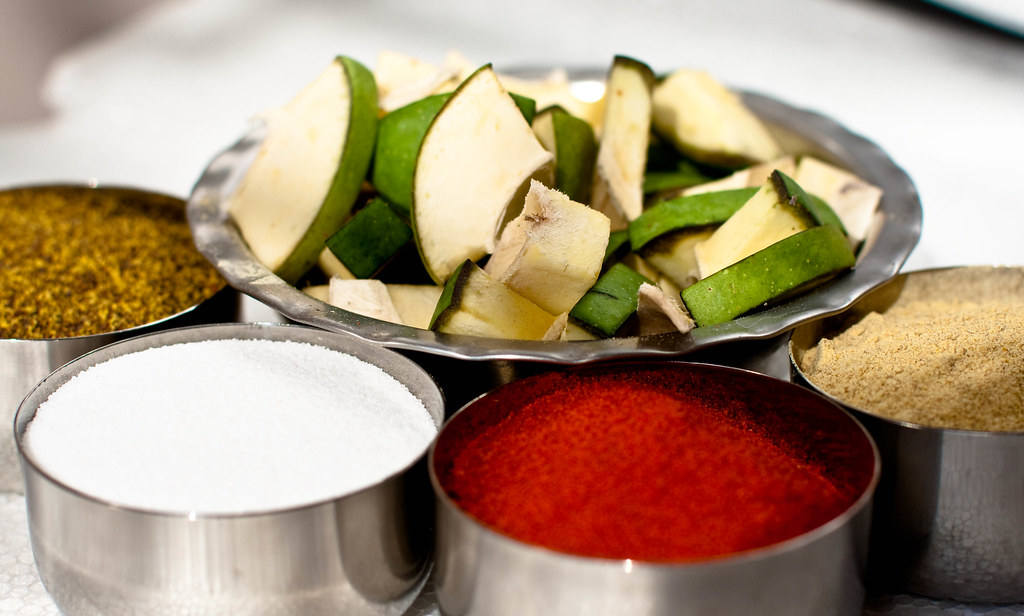
Mango pickle is worth adding because it feels like something you actually noticed while travelling through India, rather than a generic souvenir. The best version is usually the sealed jar, tin or packet from a normal supermarket, spice stall or food hall, not the most expensive tourist version. The ideal version is modestly priced, not too bulky, and good enough that you would buy it again even without the holiday memory.
 Russia
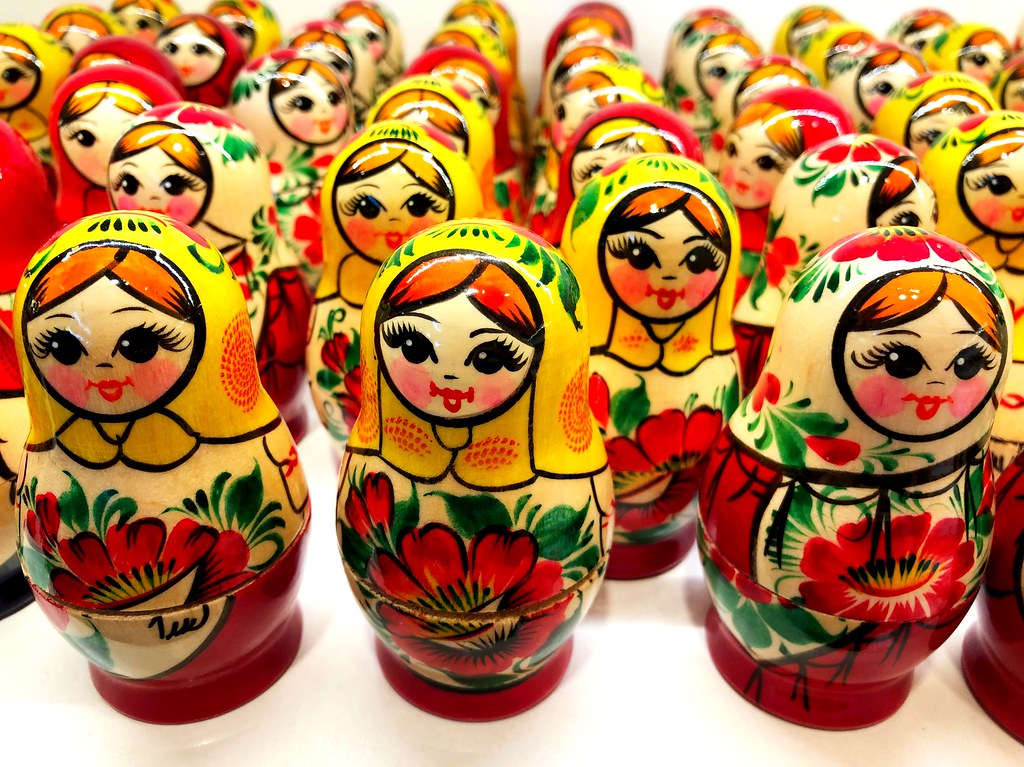
This is exactly the sort of thing I like bringing back from Russia: small enough to fit in a bag, but specific enough to remind you where you bought it. A simple toy works well if it reflects local craft or characters and is not too fragile. It is also the kind of thing you can talk about when someone asks what you brought back, because there is usually a little story attached to where you found it.
 New Zealand
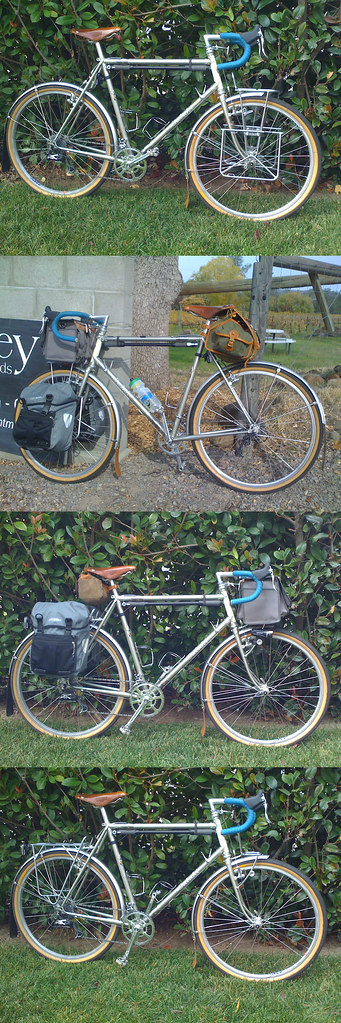
When I think of an easy, crowd-pleasing thing to bring back from New Zealand, merino wool socks is a good pick because it does not need much explanation when you hand it over. I would avoid the obvious tourist print and look for something with a local pattern, fabric or cut that still works with normal clothes back in the UK. I would rate it higher when it is locally made, clearly labelled and easy to use at home, and lower when it is just tourist packaging.
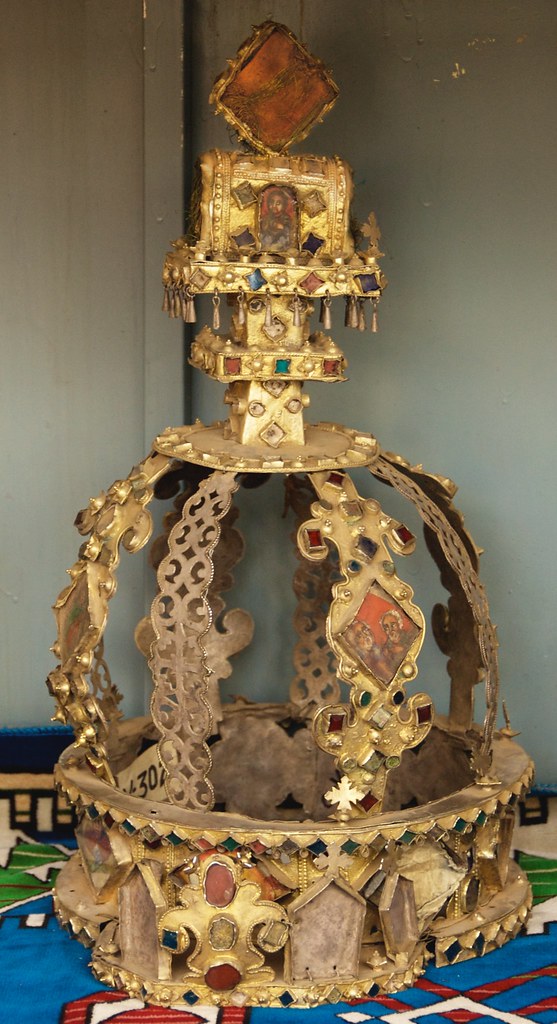 Iran
Iran
Miniature enamel plate is worth adding because it feels like something you actually noticed while travelling through Iran, rather than a generic souvenir. The trick is to choose the simple, well-made version. Small craft items look better on a shelf when they are not too shiny or mass-produced. The ideal version is modestly priced, not too bulky, and good enough that you would buy it again even without the holiday memory.
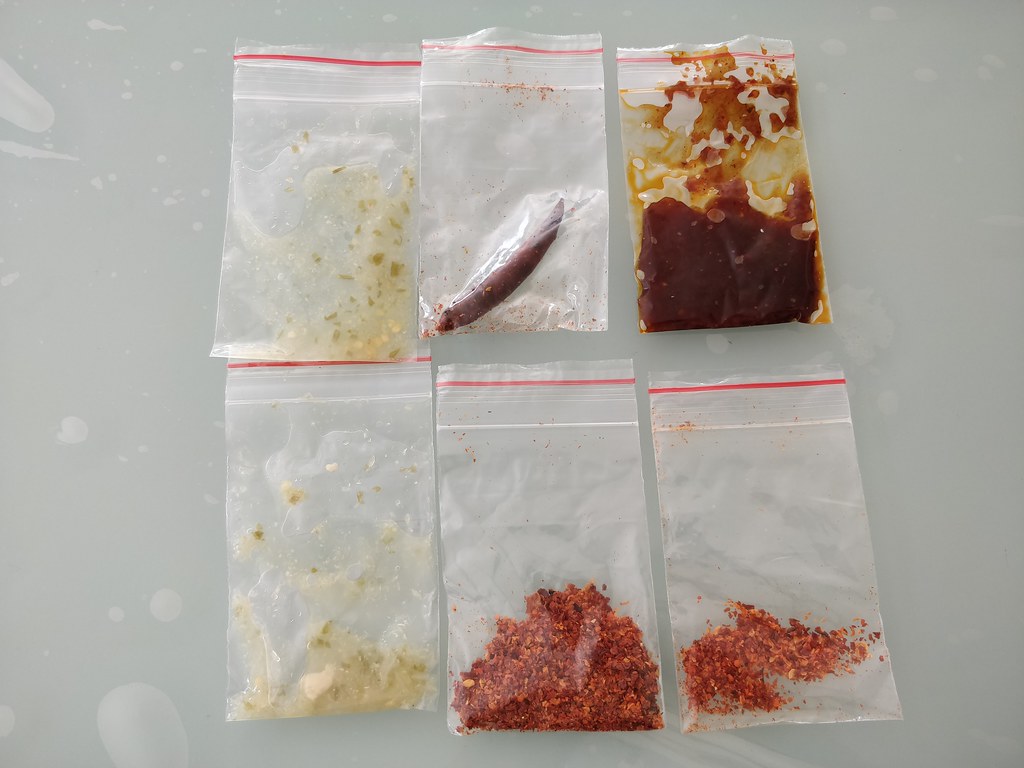 Thailand
Nam prik chilli jam is worth adding because it feels like something you actually noticed while travelling through Thailand, rather than a generic souvenir. The best version is usually the sealed jar, tin or packet from a normal supermarket, spice stall or food hall, not the most expensive tourist version. The ideal version is modestly priced, not too bulky, and good enough that you would buy it again even without the holiday memory.
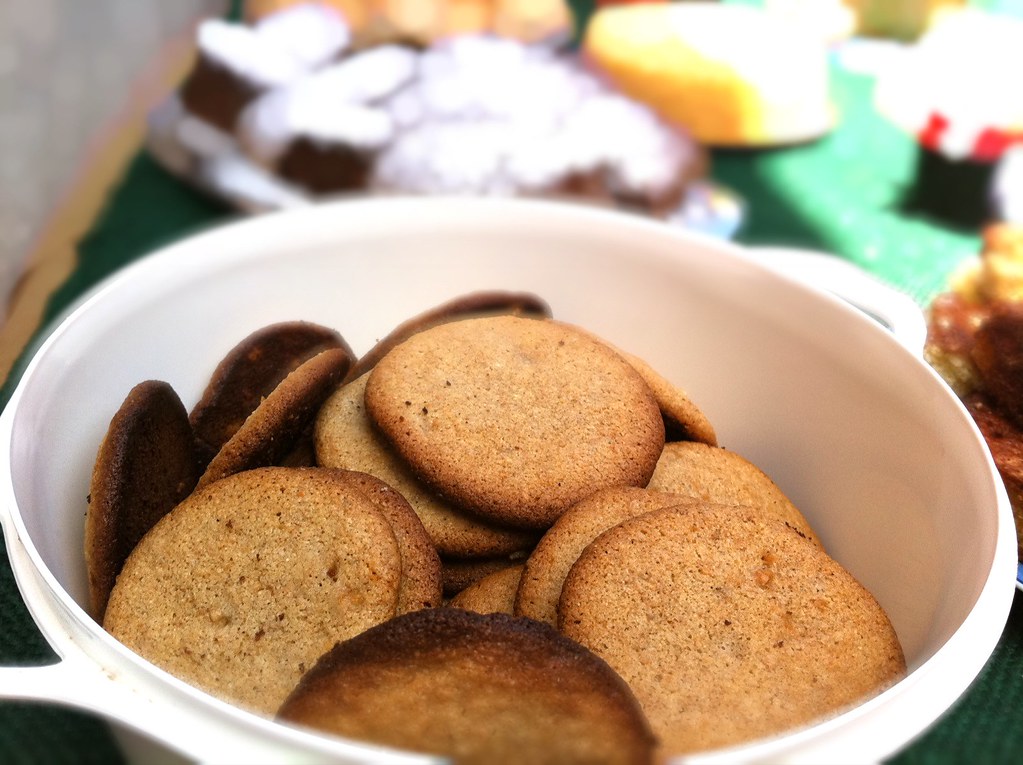 Brazil
This is exactly the sort of thing I like bringing back from Brazil: small enough to fit in a bag, but specific enough to remind you where you bought it. I would buy a couple of packets: one to open while travelling and one to bring home unopened, because snacks have a habit of disappearing before the flight. It is also the kind of thing you can talk about when someone asks what you brought back, because there is usually a little story attached to where you found it.
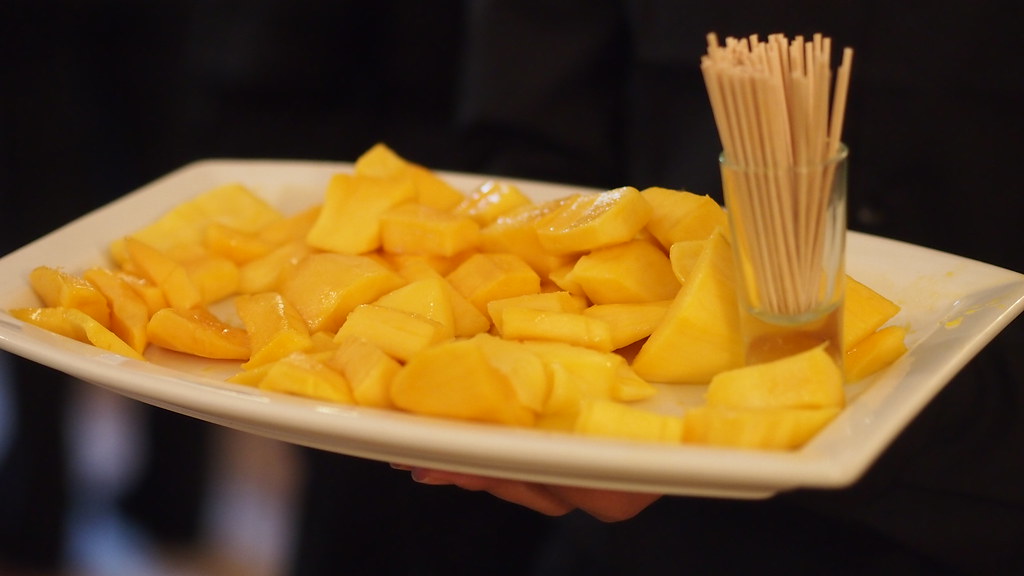 Pakistan
I would put Pakistani mango pickle on the list for Pakistan because it is the kind of thing that feels useful once you are home, not just another airport purchase. The best version is usually the sealed jar, tin or packet from a normal supermarket, spice stall or food hall, not the most expensive tourist version. The reason it works is that it gives you a quick reminder of the trip without needing to keep a fragile ornament safe forever.
 United States
I would put Peanut butter cups on the list for United States because it is the kind of thing that feels useful once you are home, not just another airport purchase. I would buy a couple of packets: one to open while travelling and one to bring home unopened, because snacks have a habit of disappearing before the flight. The reason it works is that it gives you a quick reminder of the trip without needing to keep a fragile ornament safe forever.
Light cotton Turkish bath towel, useful as a beach towel or scarf.
 Poland
I would put Pierniki gingerbread on the list for Poland because it is the kind of thing that feels useful once you are home, not just another airport purchase. Biscuits and dry breads are good because they survive the journey and are easy to share at work or with family. The reason it works is that it gives you a quick reminder of the trip without needing to keep a fragile ornament safe forever.
Kitchen gadget for making Polish dumplings at home.
 Azerbaijan
This is exactly the sort of thing I like bringing back from Azerbaijan: small enough to fit in a bag, but specific enough to remind you where you bought it. The best version is usually the sealed jar, tin or packet from a normal supermarket, spice stall or food hall, not the most expensive tourist version. It is also the kind of thing you can talk about when someone asks what you brought back, because there is usually a little story attached to where you found it.
Grape brandy often homemade or locally bottled in Albania.
 Germany
When I think of an easy, crowd-pleasing thing to bring back from Germany, Riesling wine is a good pick because it does not need much explanation when you hand it over. Wine is a great memory of a meal, but I would wrap it carefully and only carry it when the luggage situation makes sense. I would rate it higher when it is locally made, clearly labelled and easy to use at home, and lower when it is just tourist packaging.
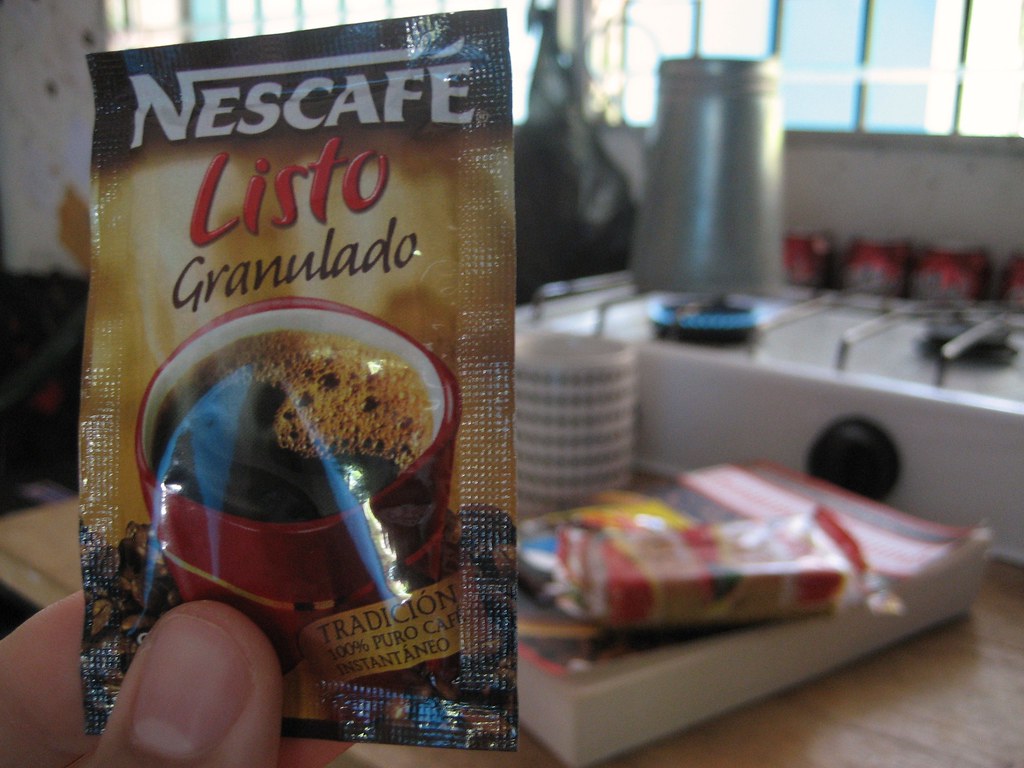 El Salvador
Coffee from volcanic highlands, often sweet and mild.
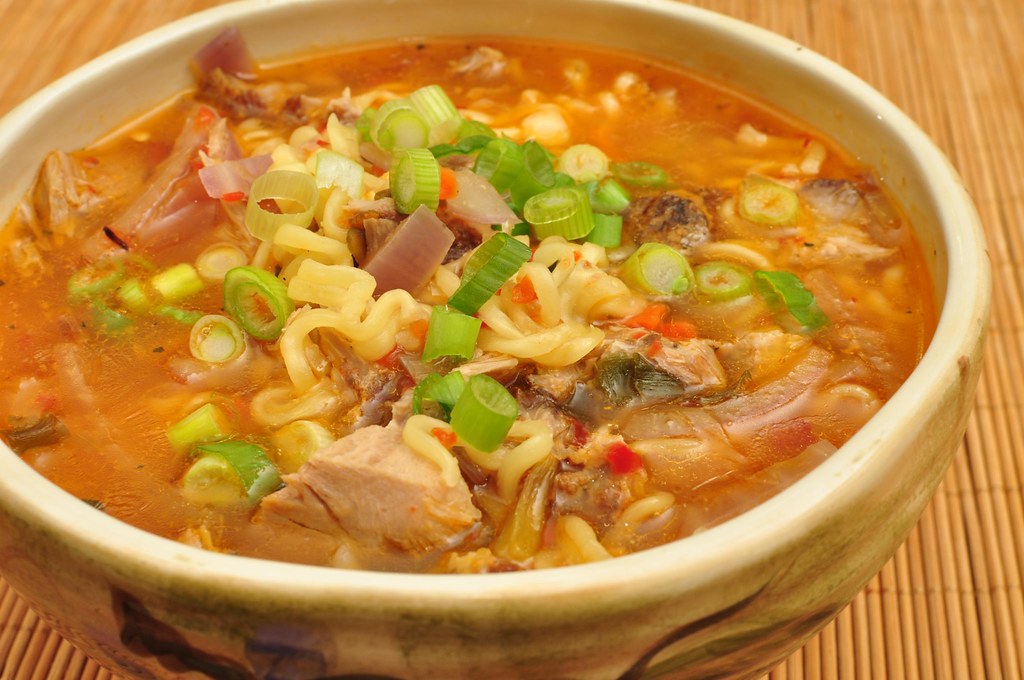 Indonesia
This is exactly the sort of thing I like bringing back from Indonesia: small enough to fit in a bag, but specific enough to remind you where you bought it. The best version is usually the sealed jar, tin or packet from a normal supermarket, spice stall or food hall, not the most expensive tourist version. It is also the kind of thing you can talk about when someone asks what you brought back, because there is usually a little story attached to where you found it.
Traditional sheep/cow cheese from the Sharr mountains.
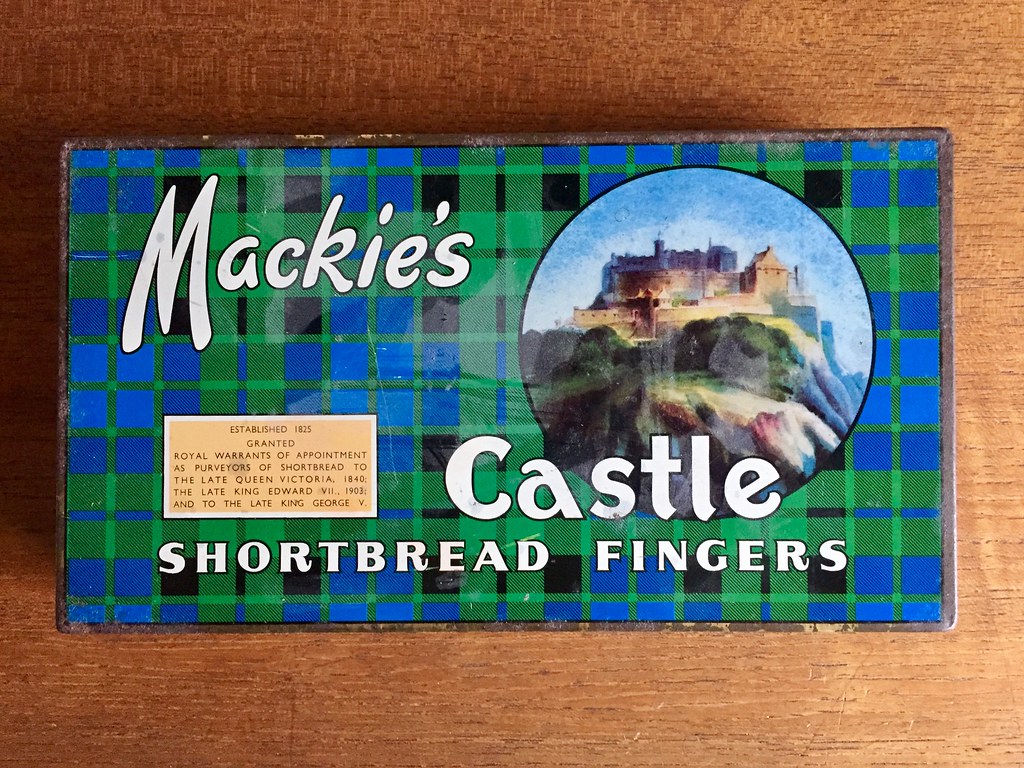 United Kingdom
This is exactly the sort of thing I like bringing back from United Kingdom: small enough to fit in a bag, but specific enough to remind you where you bought it. Biscuits and dry breads are good because they survive the journey and are easy to share at work or with family. It is also the kind of thing you can talk about when someone asks what you brought back, because there is usually a little story attached to where you found it.
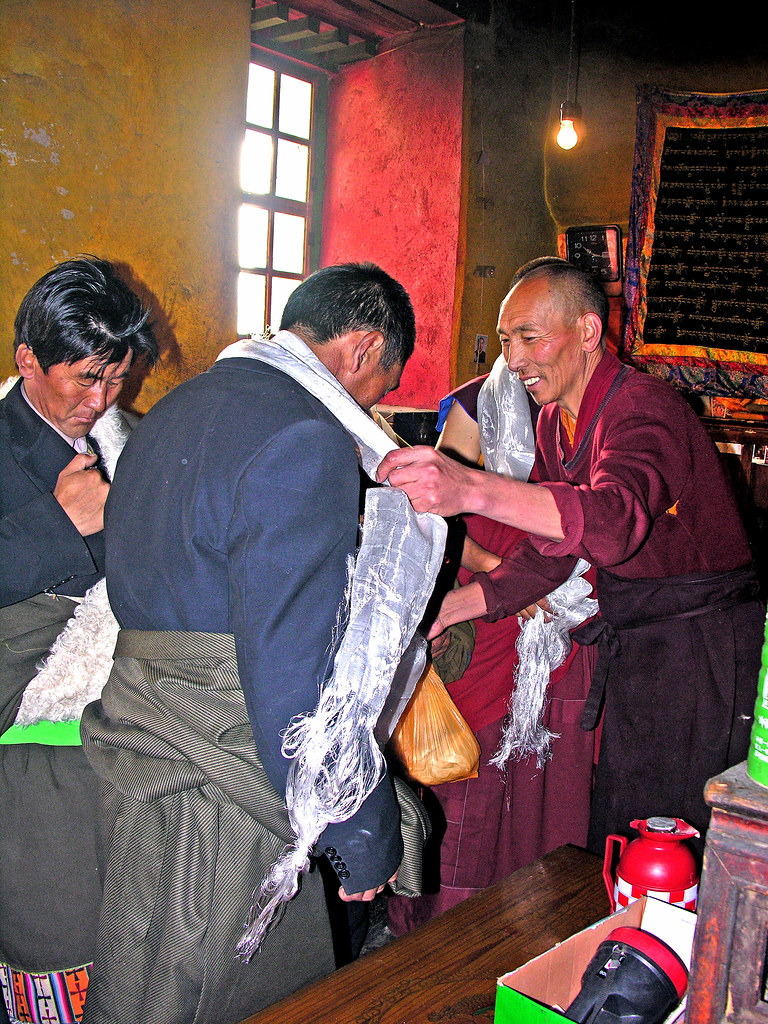 China
China
When I think of an easy, crowd-pleasing thing to bring back from China, silk scarf is a good pick because it does not need much explanation when you hand it over. I would avoid the obvious tourist print and look for something with a local pattern, fabric or cut that still works with normal clothes back in the UK. I would rate it higher when it is locally made, clearly labelled and easy to use at home, and lower when it is just tourist packaging.
 Singapore
When I think of an easy, crowd-pleasing thing to bring back from Singapore, Singapore laksa paste is a good pick because it does not need much explanation when you hand it over. The best version is usually the sealed jar, tin or packet from a normal supermarket, spice stall or food hall, not the most expensive tourist version. I would rate it higher when it is locally made, clearly labelled and easy to use at home, and lower when it is just tourist packaging.
 Switzerland
When I think of an easy, crowd-pleasing thing to bring back from Switzerland, Swiss army knife keyring is a good pick because it does not need much explanation when you hand it over. The trick is to choose the simple, well-made version. Small craft items look better on a shelf when they are not too shiny or mass-produced. I would rate it higher when it is locally made, clearly labelled and easy to use at home, and lower when it is just tourist packaging.
 Vanuatu
Coffee from Vanuatu’s Tanna island, unusual and giftable.
 Croatia
This is exactly the sort of thing I like bringing back from Croatia: small enough to fit in a bag, but specific enough to remind you where you bought it. Oils and vinegars work well when the bottle is small, sealed and wrapped in clothing inside checked luggage. It is also the kind of thing you can talk about when someone asks what you brought back, because there is usually a little story attached to where you found it.
 Spain
Spain
This is exactly the sort of thing I like bringing back from Spain: small enough to fit in a bag, but specific enough to remind you where you bought it. Look for a boxed version with a decent date on it, especially if you are buying it near the start of the trip rather than at the airport. It is also the kind of thing you can talk about when someone asks what you brought back, because there is usually a little story attached to where you found it.
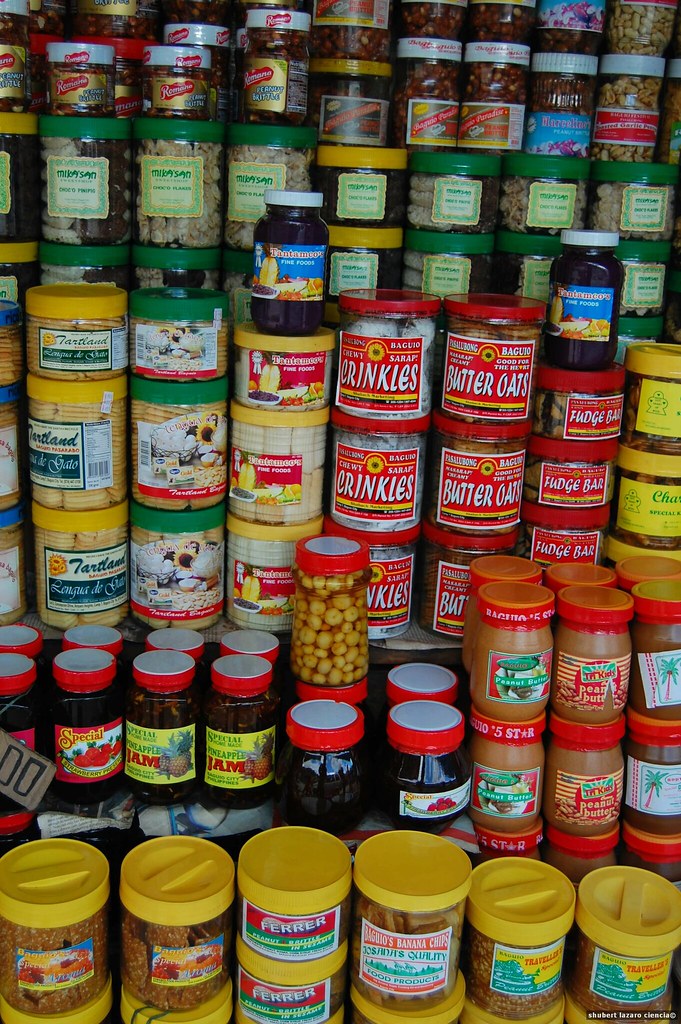 Philippines
This is exactly the sort of thing I like bringing back from Philippines: small enough to fit in a bag, but specific enough to remind you where you bought it. Look for a boxed version with a decent date on it, especially if you are buying it near the start of the trip rather than at the airport. It is also the kind of thing you can talk about when someone asks what you brought back, because there is usually a little story attached to where you found it.
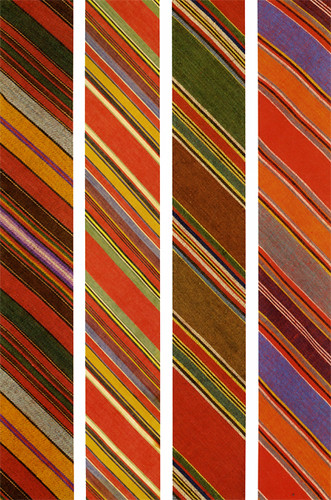 Ethiopia
Woven cotton netela scarf is worth adding because it feels like something you actually noticed while travelling through Ethiopia, rather than a generic souvenir. I would avoid the obvious tourist print and look for something with a local pattern, fabric or cut that still works with normal clothes back in the UK. The ideal version is modestly priced, not too bulky, and good enough that you would buy it again even without the holiday memory.
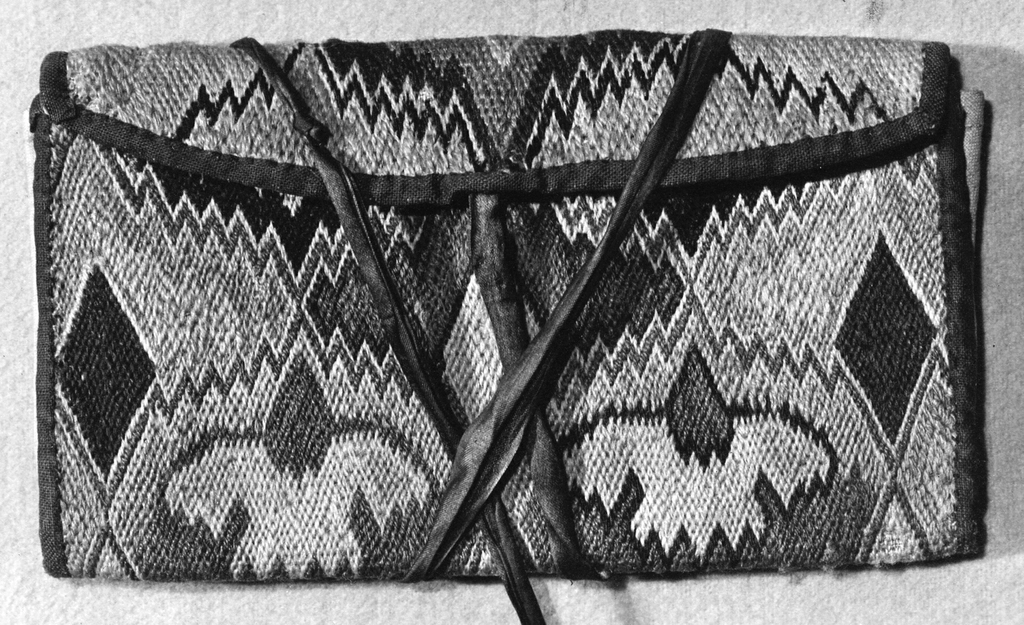 Bhutan
When I think of an easy, crowd-pleasing thing to bring back from Bhutan, woven kira textile pouch is a good pick because it does not need much explanation when you hand it over. The trick is to choose the simple, well-made version. Small craft items look better on a shelf when they are not too shiny or mass-produced. I would rate it higher when it is locally made, clearly labelled and easy to use at home, and lower when it is just tourist packaging.
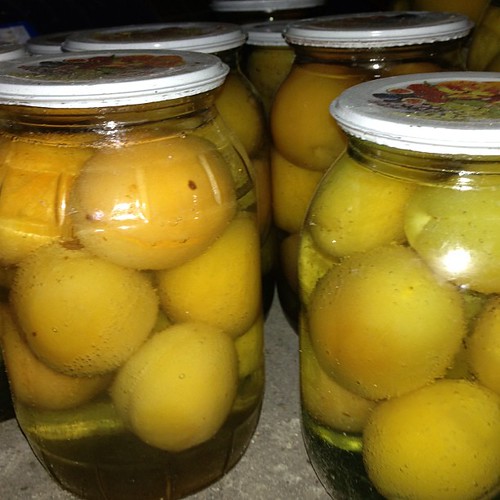 Armenia
Sweet apricot jam or dried apricots, reflecting Armenia’s iconic fruit.
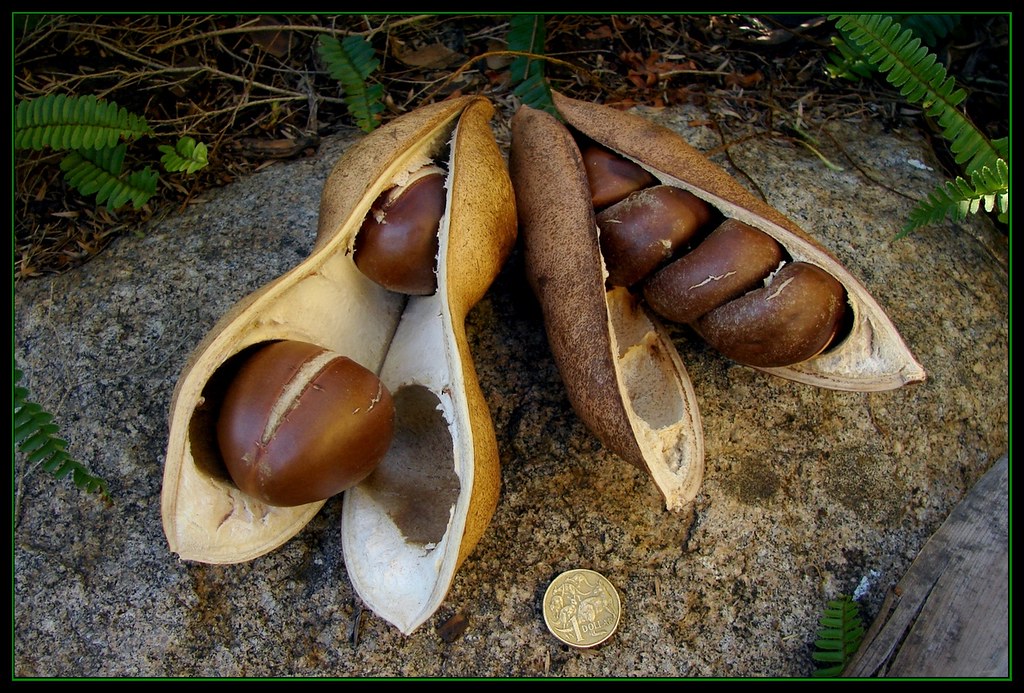 Australia
When I think of an easy, crowd-pleasing thing to bring back from Australia, Australian macadamia nuts is a good pick because it does not need much explanation when you hand it over. I would buy a couple of packets: one to open while travelling and one to bring home unopened, because snacks have a habit of disappearing before the flight. I would rate it higher when it is locally made, clearly labelled and easy to use at home, and lower when it is just tourist packaging.
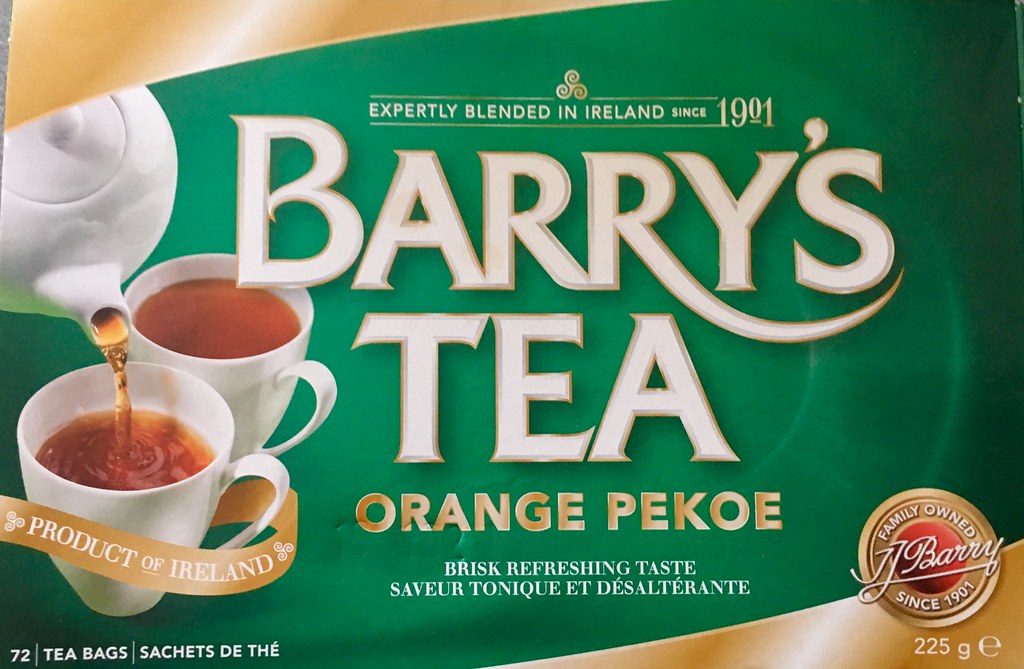 Ireland
Barry's tea is worth adding because it feels like something you actually noticed while travelling through Ireland, rather than a generic souvenir. It is a good one because people can try it slowly at home, and it makes a nicer gift than a mug with a place name printed on it. The ideal version is modestly priced, not too bulky, and good enough that you would buy it again even without the holiday memory.
 Sri Lanka
Batik sarong is worth adding because it feels like something you actually noticed while travelling through Sri Lanka, rather than a generic souvenir. I would avoid the obvious tourist print and look for something with a local pattern, fabric or cut that still works with normal clothes back in the UK. The ideal version is modestly priced, not too bulky, and good enough that you would buy it again even without the holiday memory.
 Malaysia
Batik scarf is worth adding because it feels like something you actually noticed while travelling through Malaysia, rather than a generic souvenir. I would avoid the obvious tourist print and look for something with a local pattern, fabric or cut that still works with normal clothes back in the UK. The ideal version is modestly priced, not too bulky, and good enough that you would buy it again even without the holiday memory.
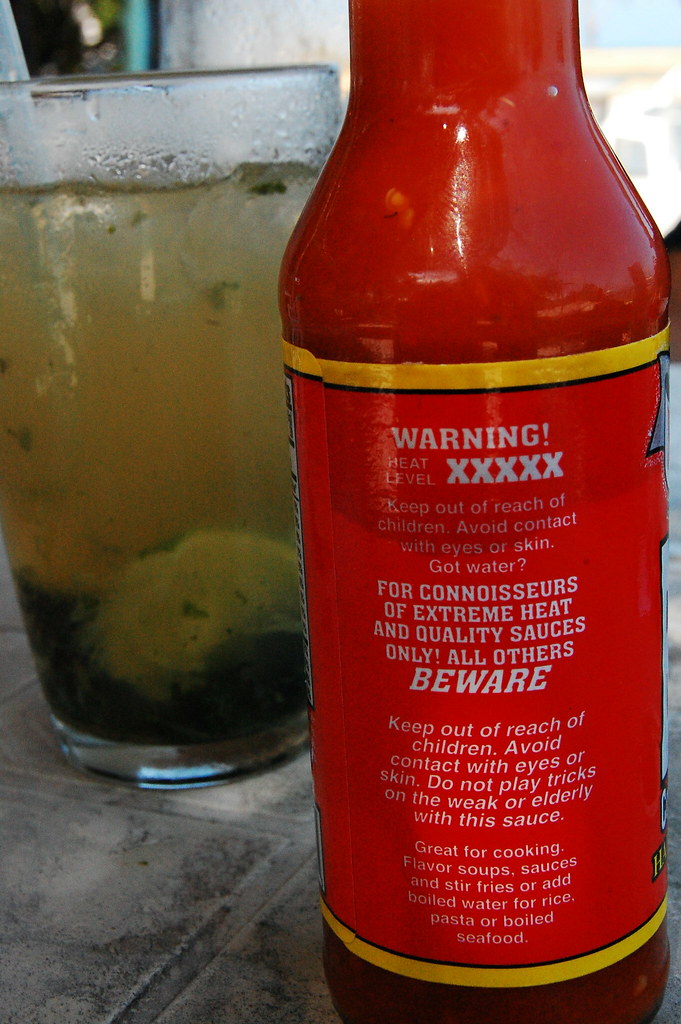 Belize
I would put Belizean hot pepper sauce on the list for Belize because it is the kind of thing that feels useful once you are home, not just another airport purchase. The best version is usually the sealed jar, tin or packet from a normal supermarket, spice stall or food hall, not the most expensive tourist version. The reason it works is that it gives you a quick reminder of the trip without needing to keep a fragile ornament safe forever.
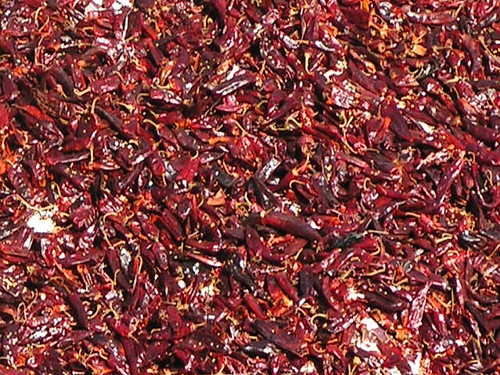 Ethiopia
Warm chilli spice blend used in Ethiopian stews and lentil dishes.
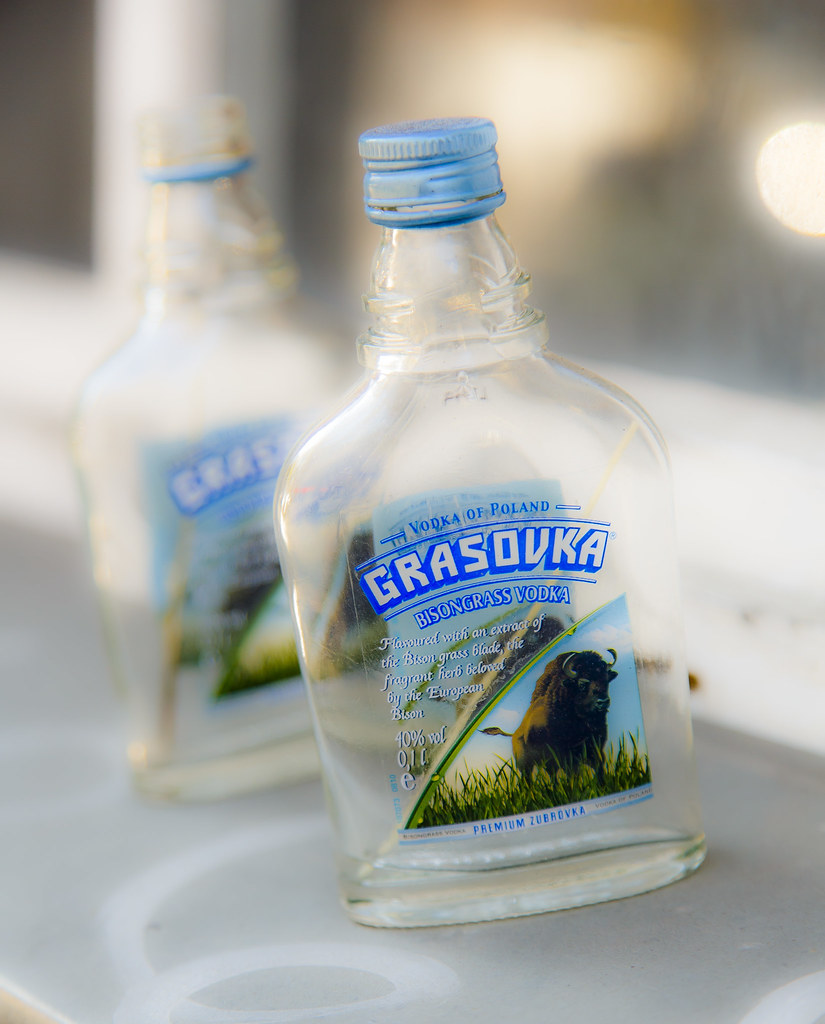 Poland
When I think of an easy, crowd-pleasing thing to bring back from Poland, bison grass vodka is a good pick because it does not need much explanation when you hand it over. For alcohol, I would only bring this back if it is sealed properly and comfortably within the UK allowance; otherwise it is better as a UK-buy link. I would rate it higher when it is locally made, clearly labelled and easy to use at home, and lower when it is just tourist packaging.
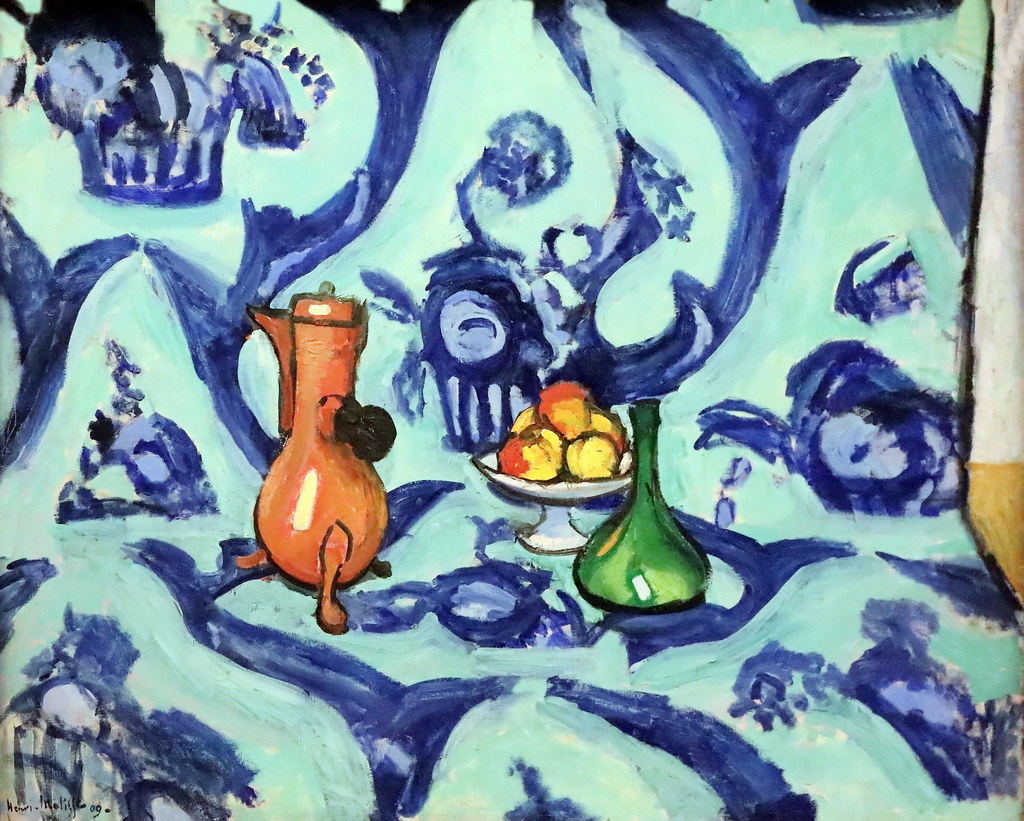 Georgia
Blue tablecloth supra cloth is worth adding because it feels like something you actually noticed while travelling through Georgia, rather than a generic souvenir. The trick is to choose the simple, well-made version. Small craft items look better on a shelf when they are not too shiny or mass-produced. The ideal version is modestly priced, not too bulky, and good enough that you would buy it again even without the holiday memory.
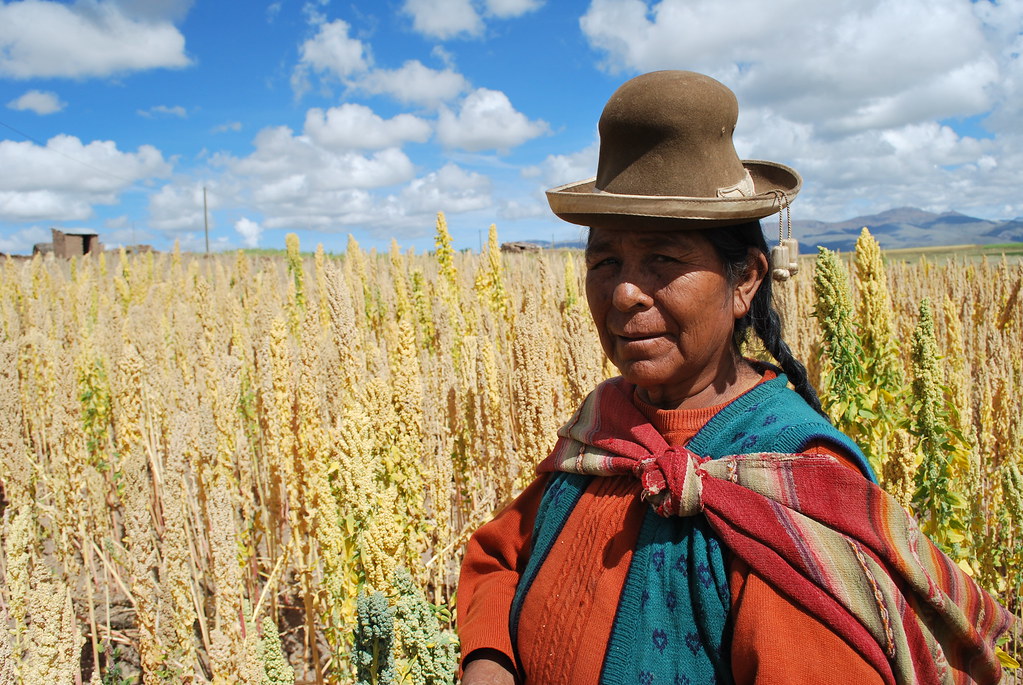 Bolivia
I would put Bolivian quinoa on the list for Bolivia because it is the kind of thing that feels useful once you are home, not just another airport purchase. Grains, pasta and rice are not glamorous, but they are useful, cheap and often taste different from the UK supermarket version. The reason it works is that it gives you a quick reminder of the trip without needing to keep a fragile ornament safe forever.
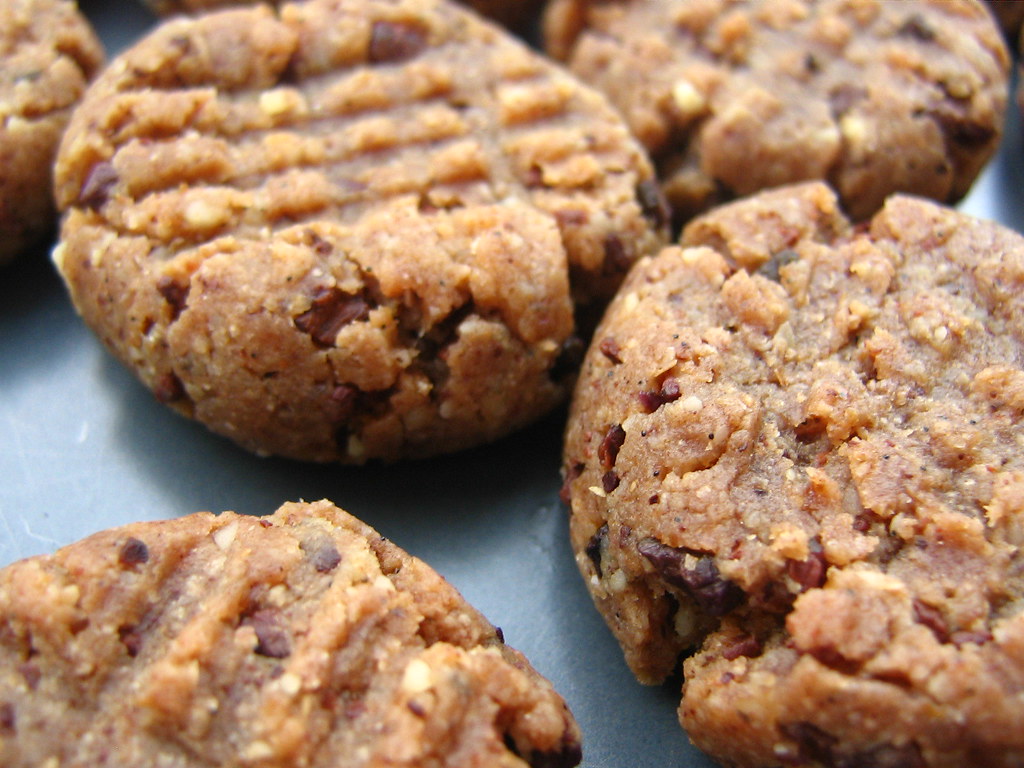 Dominican Republic
Pure cacao balls grated into hot chocolate drinks.
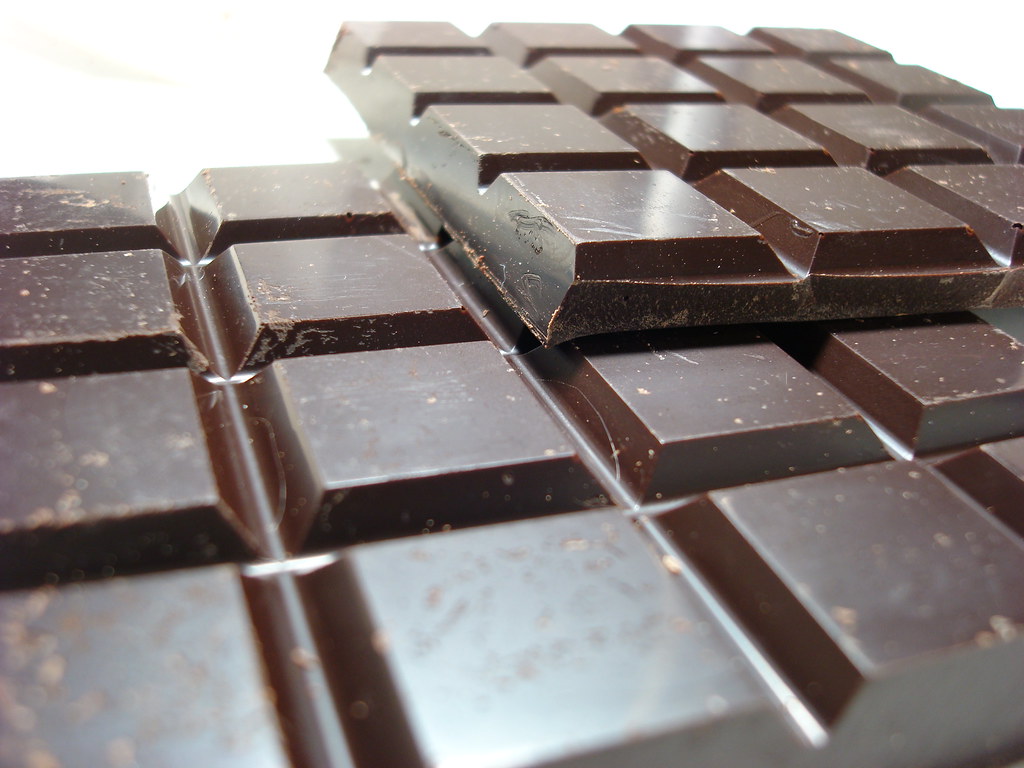 Costa Rica
When I think of an easy, crowd-pleasing thing to bring back from Costa Rica, cacao chocolate bar is a good pick because it does not need much explanation when you hand it over. Look for a boxed version with a decent date on it, especially if you are buying it near the start of the trip rather than at the airport. I would rate it higher when it is locally made, clearly labelled and easy to use at home, and lower when it is just tourist packaging.
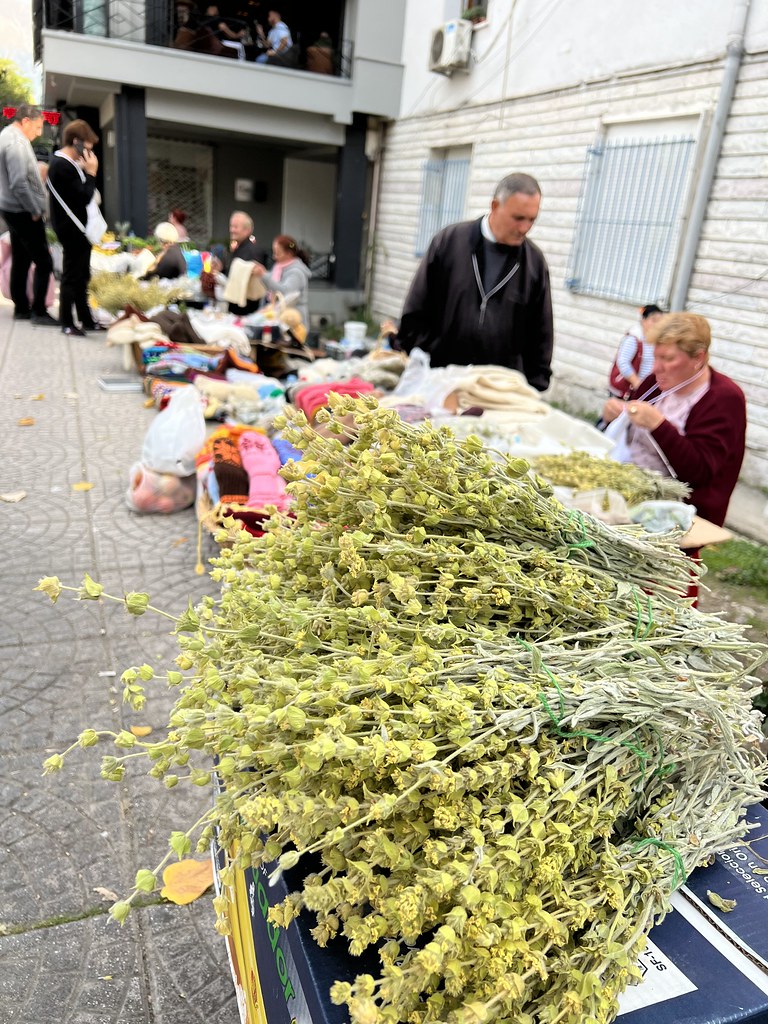 Albania
I would put Çaj mali mountain tea on the list for Albania because it is the kind of thing that feels useful once you are home, not just another airport purchase. It is a good one because people can try it slowly at home, and it makes a nicer gift than a mug with a place name printed on it. The reason it works is that it gives you a quick reminder of the trip without needing to keep a fragile ornament safe forever.
 Cameroon
This is exactly the sort of thing I like bringing back from Cameroon: small enough to fit in a bag, but specific enough to remind you where you bought it. The best version is usually the sealed jar, tin or packet from a normal supermarket, spice stall or food hall, not the most expensive tourist version. It is also the kind of thing you can talk about when someone asks what you brought back, because there is usually a little story attached to where you found it.
 Kenya
Kenya
This is exactly the sort of thing I like bringing back from Kenya: small enough to fit in a bag, but specific enough to remind you where you bought it. The best version is usually the sealed jar, tin or packet from a normal supermarket, spice stall or food hall, not the most expensive tourist version. It is also the kind of thing you can talk about when someone asks what you brought back, because there is usually a little story attached to where you found it.
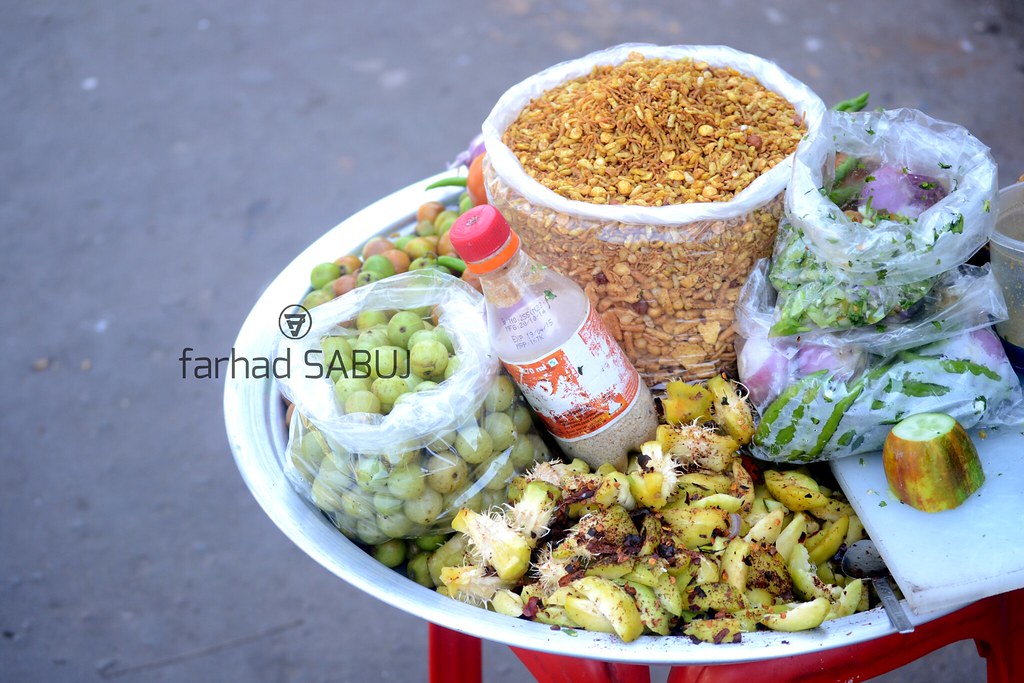 Bangladesh
This is exactly the sort of thing I like bringing back from Bangladesh: small enough to fit in a bag, but specific enough to remind you where you bought it. I would buy a couple of packets: one to open while travelling and one to bring home unopened, because snacks have a habit of disappearing before the flight. It is also the kind of thing you can talk about when someone asks what you brought back, because there is usually a little story attached to where you found it.
 Nigeria
This is exactly the sort of thing I like bringing back from Nigeria: small enough to fit in a bag, but specific enough to remind you where you bought it. I would buy a couple of packets: one to open while travelling and one to bring home unopened, because snacks have a habit of disappearing before the flight. It is also the kind of thing you can talk about when someone asks what you brought back, because there is usually a little story attached to where you found it.
 Portugal
Cork wallet is worth adding because it feels like something you actually noticed while travelling through Portugal, rather than a generic souvenir. The trick is to choose the simple, well-made version. Small craft items look better on a shelf when they are not too shiny or mass-produced. The ideal version is modestly priced, not too bulky, and good enough that you would buy it again even without the holiday memory.
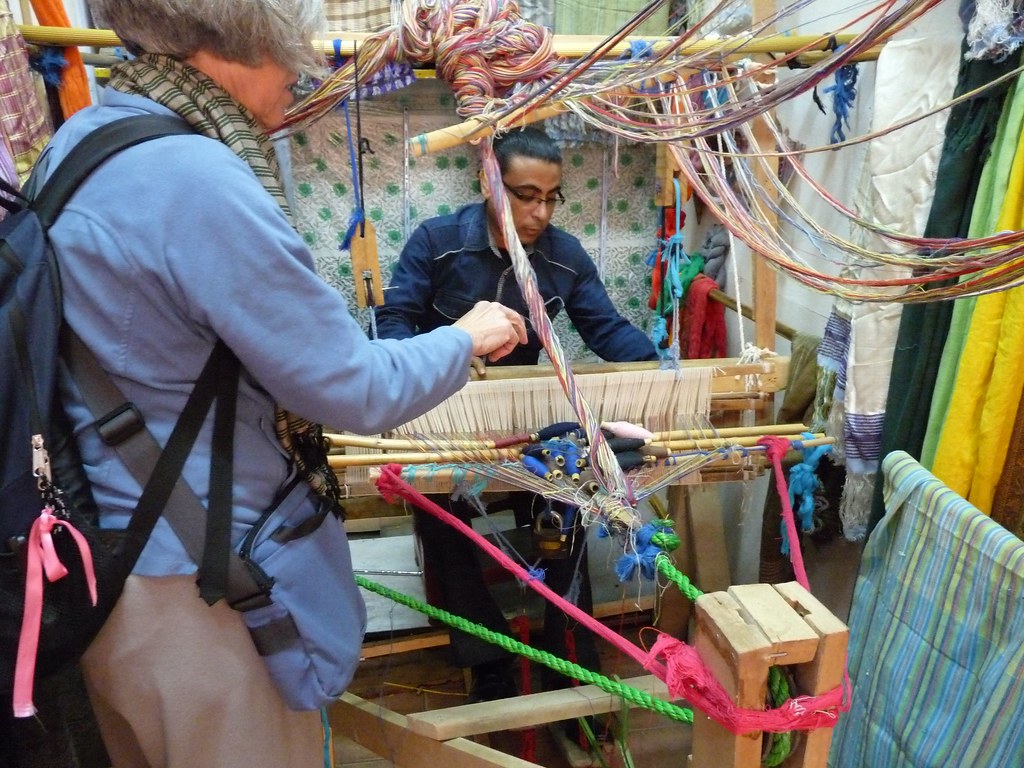 Egypt
Egypt
When I think of an easy, crowd-pleasing thing to bring back from Egypt, cotton scarf is a good pick because it does not need much explanation when you hand it over. I would avoid the obvious tourist print and look for something with a local pattern, fabric or cut that still works with normal clothes back in the UK. I would rate it higher when it is locally made, clearly labelled and easy to use at home, and lower when it is just tourist packaging.
 Denmark
When I think of an easy, crowd-pleasing thing to bring back from Denmark, Danish design candle holder is a good pick because it does not need much explanation when you hand it over. The trick is to choose the simple, well-made version. Small craft items look better on a shelf when they are not too shiny or mass-produced. I would rate it higher when it is locally made, clearly labelled and easy to use at home, and lower when it is just tourist packaging.
 Bahrain
When I think of an easy, crowd-pleasing thing to bring back from Bahrain, dates stuffed with nuts is a good pick because it does not need much explanation when you hand it over. I would buy a couple of packets: one to open while travelling and one to bring home unopened, because snacks have a habit of disappearing before the flight. I would rate it higher when it is locally made, clearly labelled and easy to use at home, and lower when it is just tourist packaging.
 Jordan
This is exactly the sort of thing I like bringing back from Jordan: small enough to fit in a bag, but specific enough to remind you where you bought it. Small bottles are best. A local scent, soap or oil feels personal, but it is still easy to pack and usually does not cost airport-perfume money. It is also the kind of thing you can talk about when someone asks what you brought back, because there is usually a little story attached to where you found it.
 Netherlands
Delft blue ornament is worth adding because it feels like something you actually noticed while travelling through Netherlands, rather than a generic souvenir. The trick is to choose the simple, well-made version. Small craft items look better on a shelf when they are not too shiny or mass-produced. The ideal version is modestly priced, not too bulky, and good enough that you would buy it again even without the holiday memory.
 Mauritius
Rich cane sugar for baking, coffee and cocktails.
 Chile
Chile
Dulce de leche manjar is worth adding because it feels like something you actually noticed while travelling through Chile, rather than a generic souvenir. Look for a boxed version with a decent date on it, especially if you are buying it near the start of the trip rather than at the airport. The ideal version is modestly priced, not too bulky, and good enough that you would buy it again even without the holiday memory.
 United Kingdom
I would put English breakfast tea on the list for United Kingdom because it is the kind of thing that feels useful once you are home, not just another airport purchase. It is a good one because people can try it slowly at home, and it makes a nicer gift than a mug with a place name printed on it. The reason it works is that it gives you a quick reminder of the trip without needing to keep a fragile ornament safe forever.
 Turkey
Evil eye nazar charm is worth adding because it feels like something you actually noticed while travelling through Türkiye, rather than a generic souvenir. The trick is to choose the simple, well-made version. Small craft items look better on a shelf when they are not too shiny or mass-produced. The ideal version is modestly priced, not too bulky, and good enough that you would buy it again even without the holiday memory.
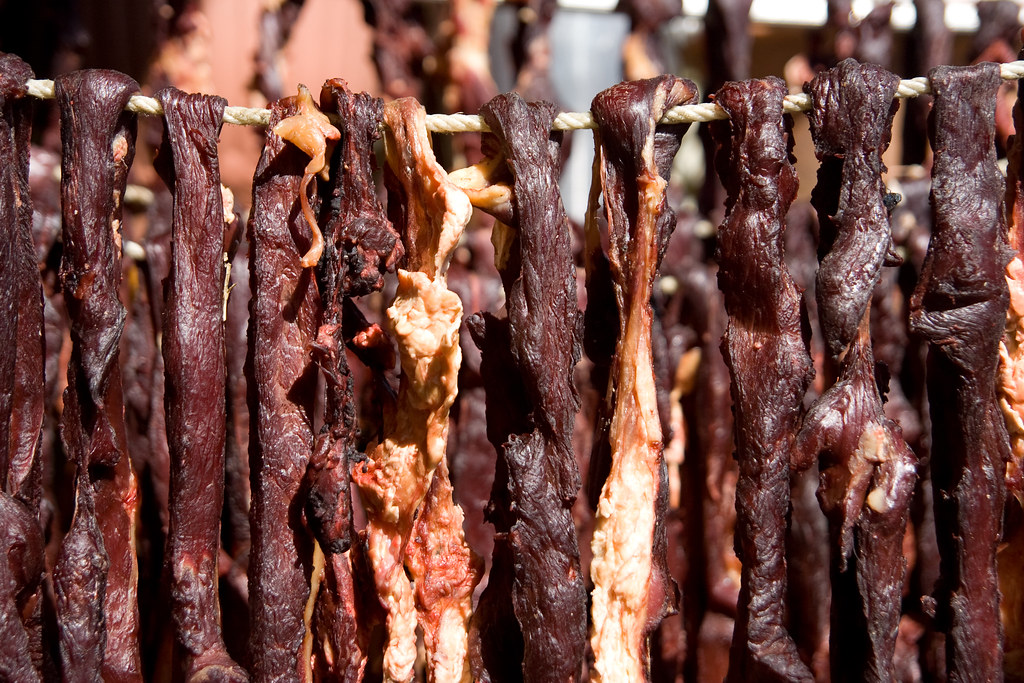 Bhutan
Ezay chilli paste is worth adding because it feels like something you actually noticed while travelling through Bhutan, rather than a generic souvenir. The best version is usually the sealed jar, tin or packet from a normal supermarket, spice stall or food hall, not the most expensive tourist version. The ideal version is modestly priced, not too bulky, and good enough that you would buy it again even without the holiday memory.
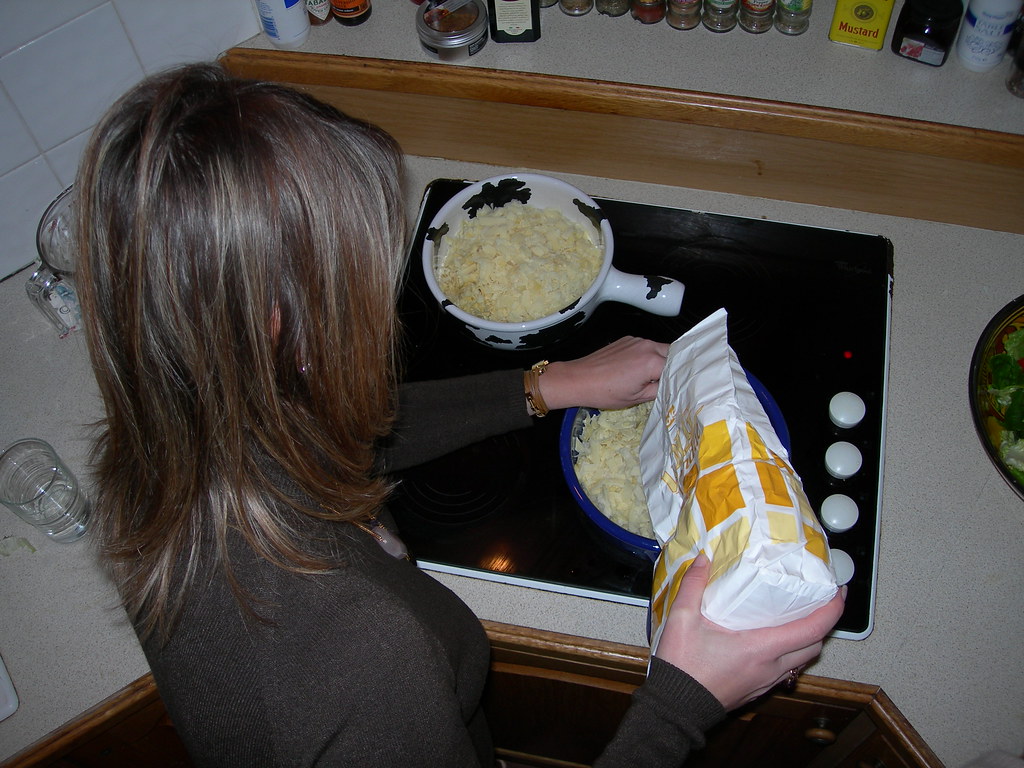 Switzerland
This is exactly the sort of thing I like bringing back from Switzerland: small enough to fit in a bag, but specific enough to remind you where you bought it. This is more of a buy-in-the-UK idea now unless current food rules clearly allow it. It still belongs in the database because people search for it after tasting it abroad. It is also the kind of thing you can talk about when someone asks what you brought back, because there is usually a little story attached to where you found it.
 Austria
Grüner Veltliner wine is worth adding because it feels like something you actually noticed while travelling through Austria, rather than a generic souvenir. Wine is a great memory of a meal, but I would wrap it carefully and only carry it when the luggage situation makes sense. The ideal version is modestly priced, not too bulky, and good enough that you would buy it again even without the holiday memory.
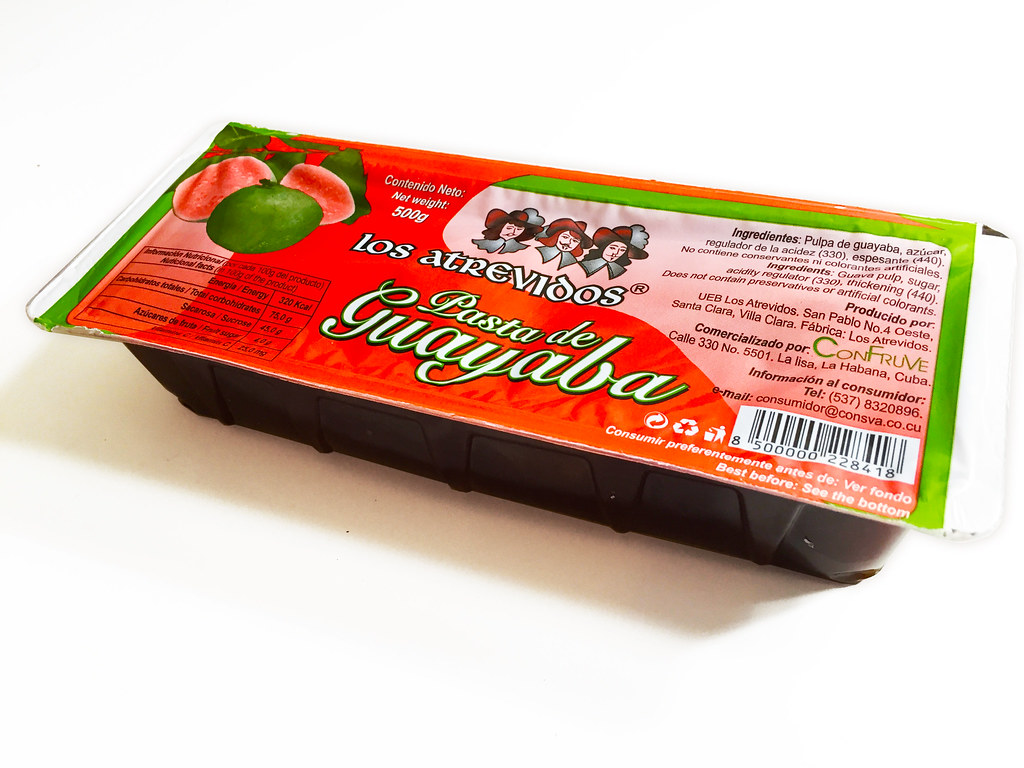 Cuba
Cuba
This is exactly the sort of thing I like bringing back from Cuba: small enough to fit in a bag, but specific enough to remind you where you bought it. Look for a boxed version with a decent date on it, especially if you are buying it near the start of the trip rather than at the airport. It is also the kind of thing you can talk about when someone asks what you brought back, because there is usually a little story attached to where you found it.
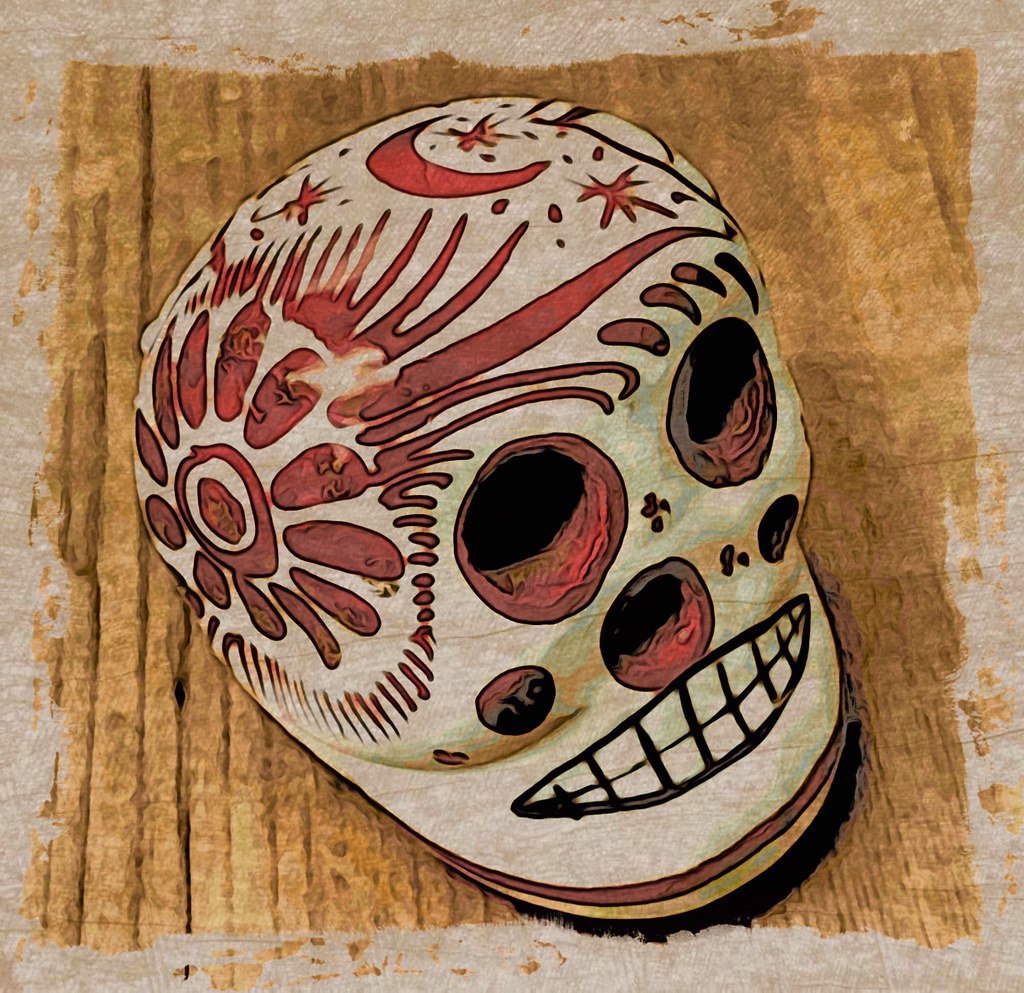 Mexico
Hand-painted ceramic skull is worth adding because it feels like something you actually noticed while travelling through Mexico, rather than a generic souvenir. The trick is to choose the simple, well-made version. Small craft items look better on a shelf when they are not too shiny or mass-produced. The ideal version is modestly priced, not too bulky, and good enough that you would buy it again even without the holiday memory.
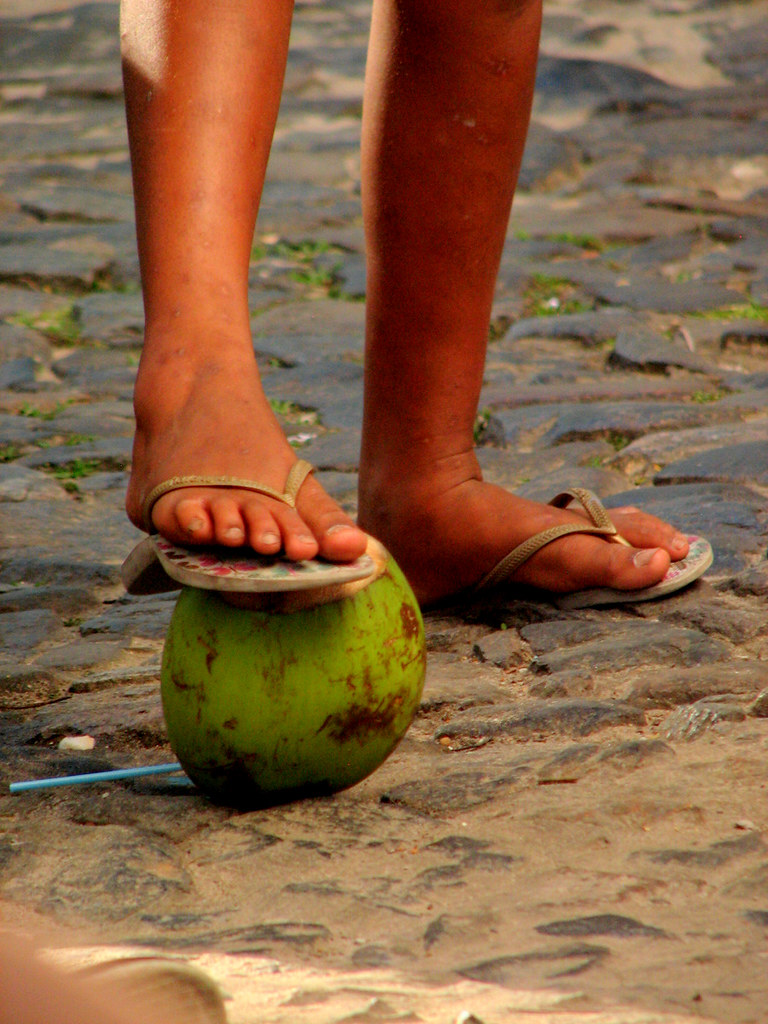 Brazil
Havaianas flip-flops is worth adding because it feels like something you actually noticed while travelling through Brazil, rather than a generic souvenir. I would avoid the obvious tourist print and look for something with a local pattern, fabric or cut that still works with normal clothes back in the UK. The ideal version is modestly priced, not too bulky, and good enough that you would buy it again even without the holiday memory.
 Nepal
Nepal
Pink rock salt used in grinders, slabs or bath salts.
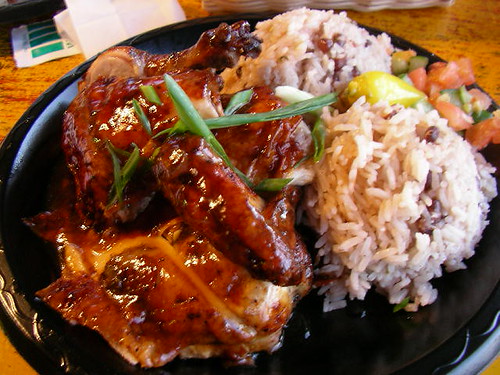 Jamaica
Hot pepper sauce is worth adding because it feels like something you actually noticed while travelling through Jamaica, rather than a generic souvenir. The best version is usually the sealed jar, tin or packet from a normal supermarket, spice stall or food hall, not the most expensive tourist version. The ideal version is modestly priced, not too bulky, and good enough that you would buy it again even without the holiday memory.
 Pakistan
Kashmiri chai mix is worth adding because it feels like something you actually noticed while travelling through Pakistan, rather than a generic souvenir. It is a good one because people can try it slowly at home, and it makes a nicer gift than a mug with a place name printed on it. The ideal version is modestly priced, not too bulky, and good enough that you would buy it again even without the holiday memory.
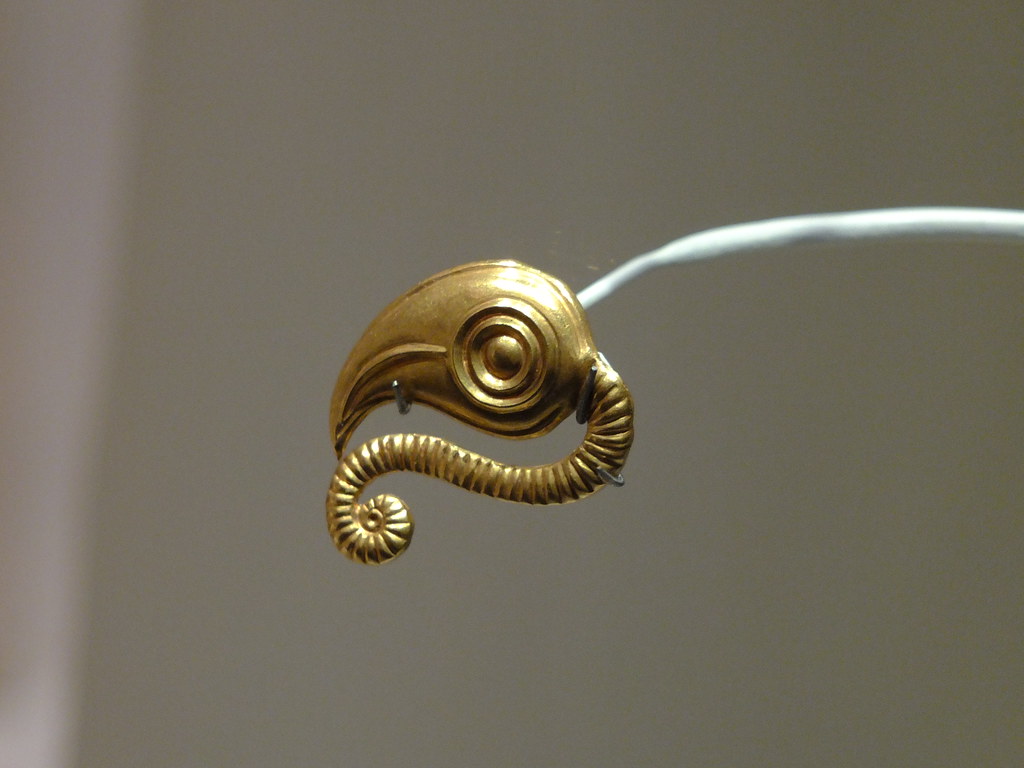 Afghanistan
This is exactly the sort of thing I like bringing back from Afghanistan: small enough to fit in a bag, but specific enough to remind you where you bought it. The trick is to choose the simple, well-made version. Small craft items look better on a shelf when they are not too shiny or mass-produced. It is also the kind of thing you can talk about when someone asks what you brought back, because there is usually a little story attached to where you found it.
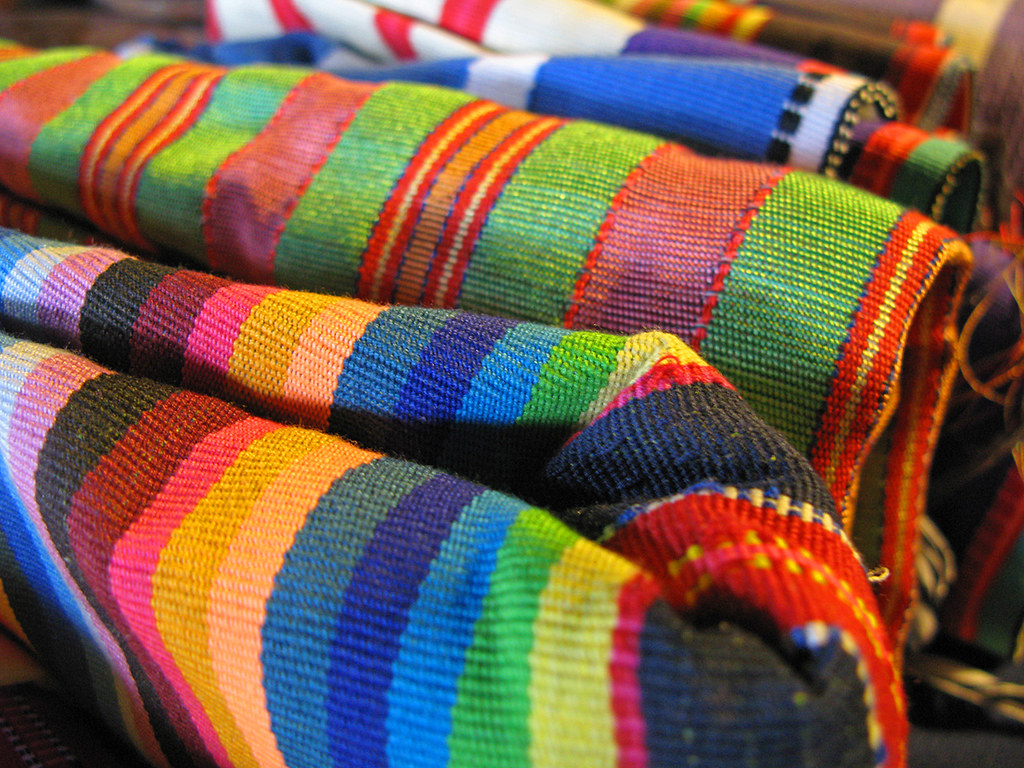 Samoa
Samoa
Colourful wrap skirt or cloth worn across Polynesia.
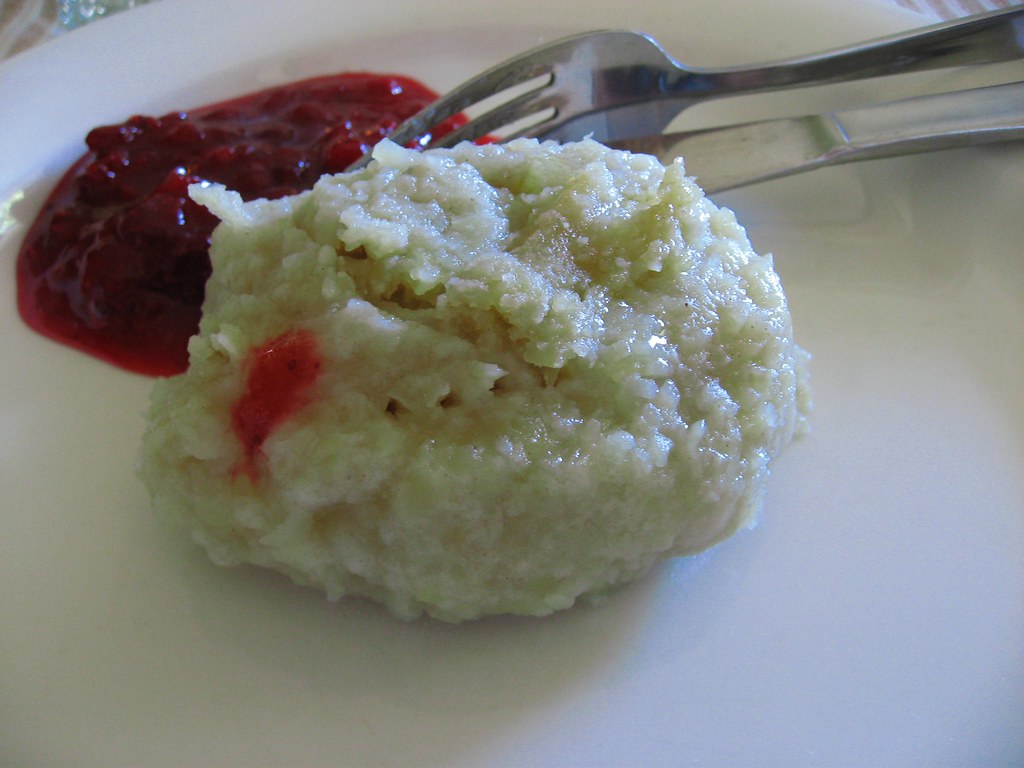 Sweden
I would put Lingonberry jam on the list for Sweden because it is the kind of thing that feels useful once you are home, not just another airport purchase. The best version is usually the sealed jar, tin or packet from a normal supermarket, spice stall or food hall, not the most expensive tourist version. The reason it works is that it gives you a quick reminder of the trip without needing to keep a fragile ornament safe forever.
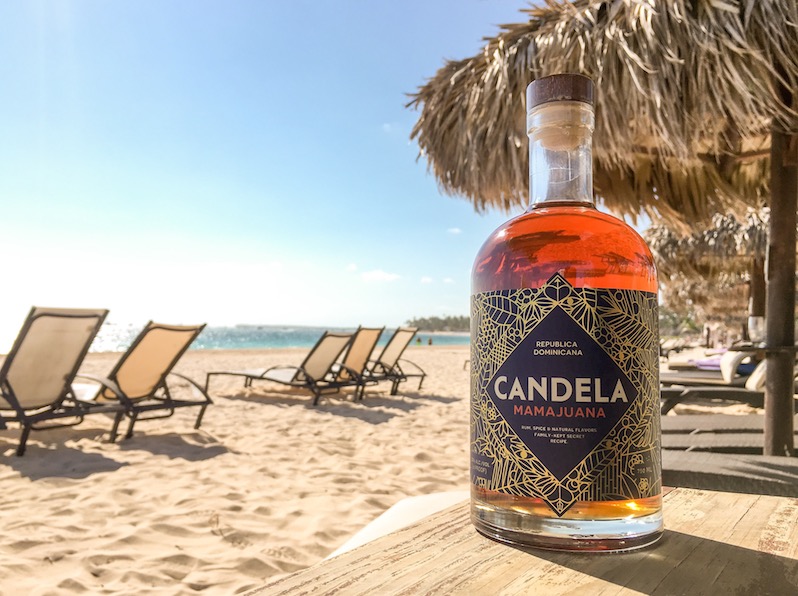 Dominican Republic
Dominican spiced rum drink infused with bark, herbs and honey.
When I think of an easy, crowd-pleasing thing to bring back from Greece, mastiha liqueur is a good pick because it does not need much explanation when you hand it over. For alcohol, I would only bring this back if it is sealed properly and comfortably within the UK allowance; otherwise it is better as a UK-buy link. I would rate it higher when it is locally made, clearly labelled and easy to use at home, and lower when it is just tourist packaging.
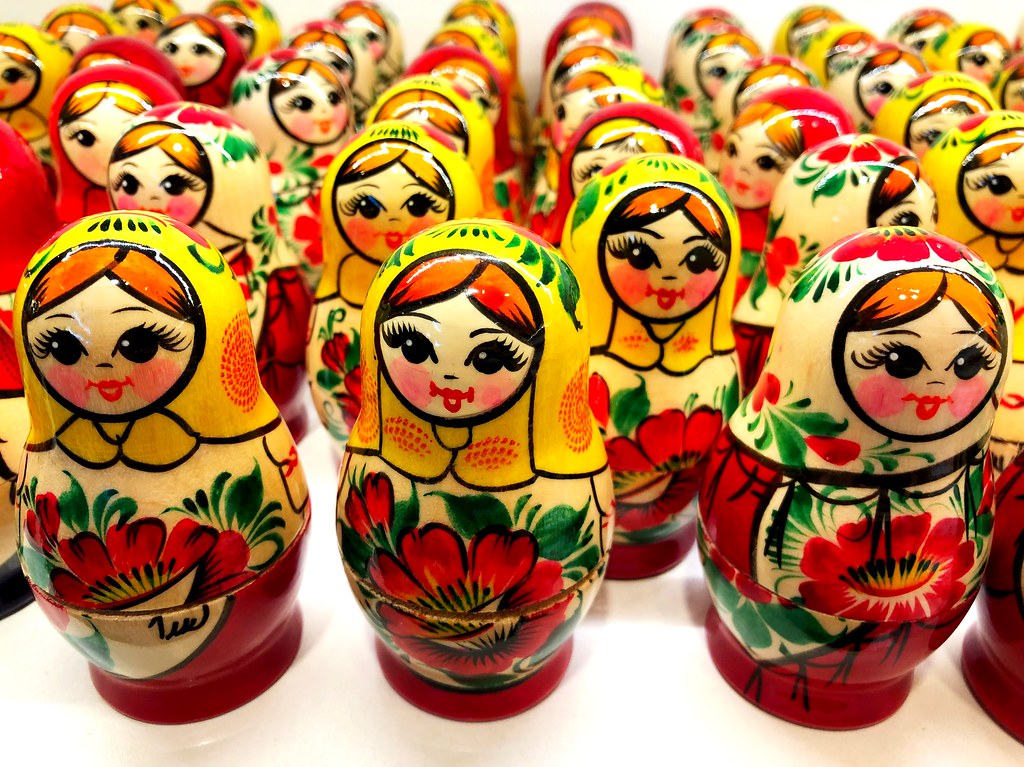 Russia
Nested wooden dolls painted in traditional or novelty designs.
 Mauritius
Sugarcane-based rum from Mauritius, often with vanilla or spice notes.
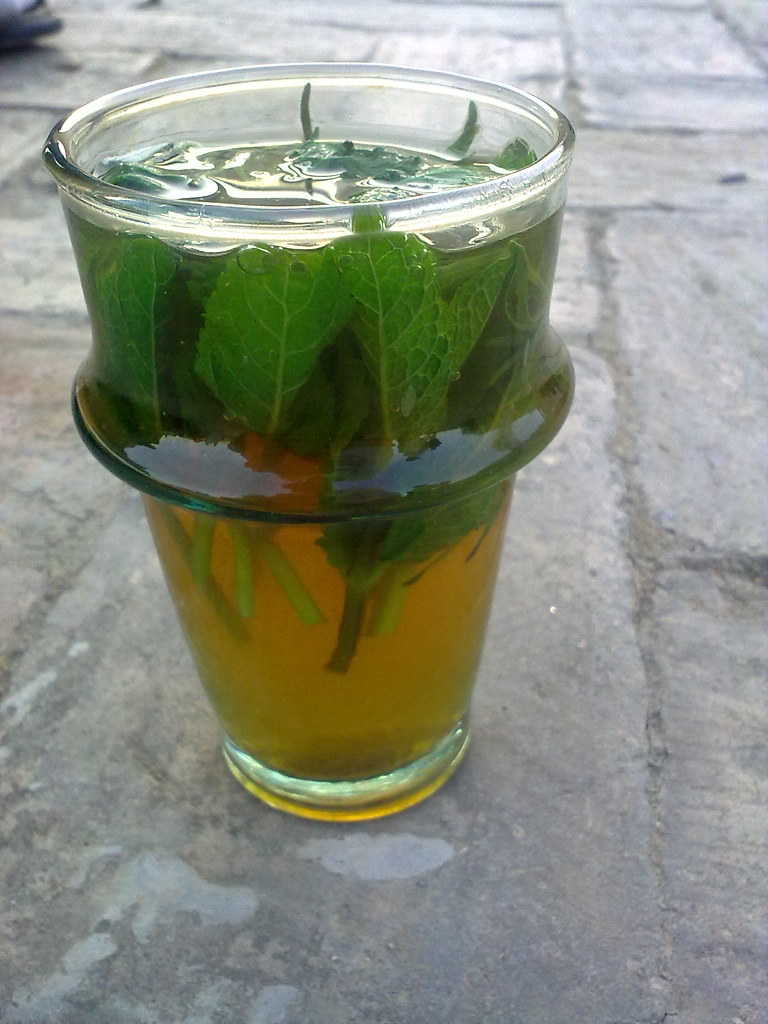 Morocco
When I think of an easy, crowd-pleasing thing to bring back from Morocco, mint tea glasses is a good pick because it does not need much explanation when you hand it over. The trick is to choose the simple, well-made version. Small craft items look better on a shelf when they are not too shiny or mass-produced. I would rate it higher when it is locally made, clearly labelled and easy to use at home, and lower when it is just tourist packaging.
 Moldova
Good-value red or white wine from Moldova’s historic wine regions.
 Norway
When I think of an easy, crowd-pleasing thing to bring back from Norway, Norwegian wool socks is a good pick because it does not need much explanation when you hand it over. I would avoid the obvious tourist print and look for something with a local pattern, fabric or cut that still works with normal clothes back in the UK. I would rate it higher when it is locally made, clearly labelled and easy to use at home, and lower when it is just tourist packaging.
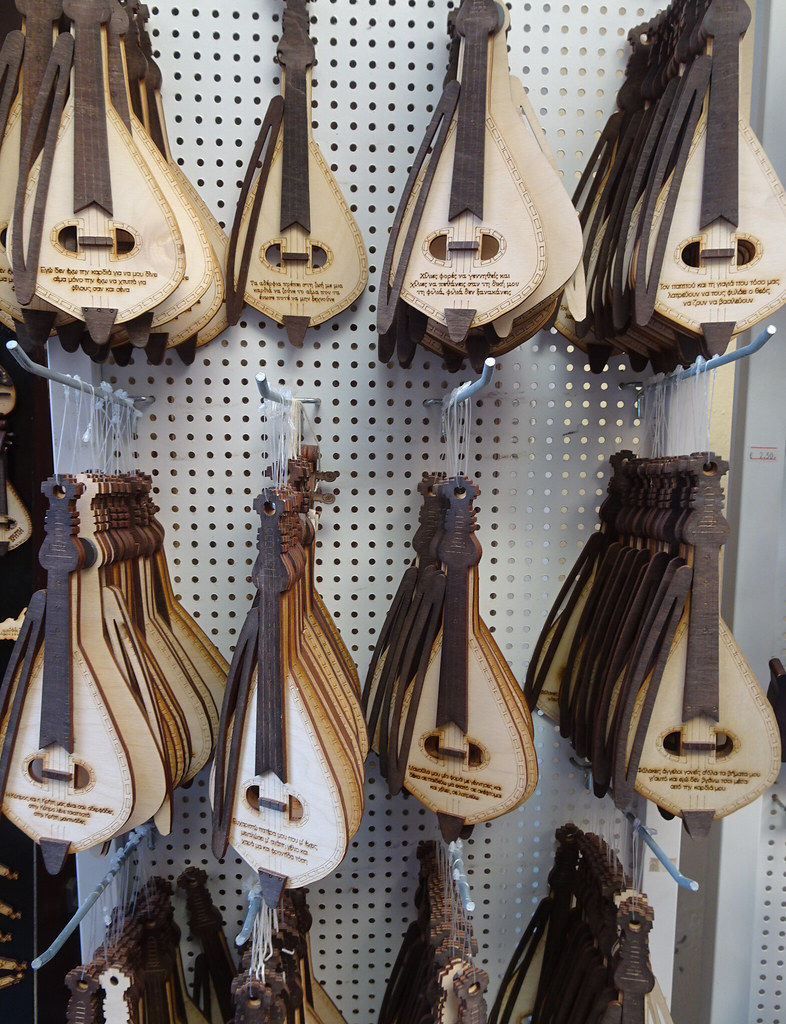 Namibia
Leather accessory often sold in Namibia; choose ethical/legal sources.
 Cambodia
This is exactly the sort of thing I like bringing back from Cambodia: small enough to fit in a bag, but specific enough to remind you where you bought it. The best version is usually the sealed jar, tin or packet from a normal supermarket, spice stall or food hall, not the most expensive tourist version. It is also the kind of thing you can talk about when someone asks what you brought back, because there is usually a little story attached to where you found it.
 Portugal
I would put Pastel de nata mix on the list for Portugal because it is the kind of thing that feels useful once you are home, not just another airport purchase. Look for a boxed version with a decent date on it, especially if you are buying it near the start of the trip rather than at the airport. The reason it works is that it gives you a quick reminder of the trip without needing to keep a fragile ornament safe forever.
 Peru
Peru
I would put Peruvian quinoa on the list for Peru because it is the kind of thing that feels useful once you are home, not just another airport purchase. Grains, pasta and rice are not glamorous, but they are useful, cheap and often taste different from the UK supermarket version. The reason it works is that it gives you a quick reminder of the trip without needing to keep a fragile ornament safe forever.
 South Africa
When I think of an easy, crowd-pleasing thing to bring back from South Africa, pinotage wine is a good pick because it does not need much explanation when you hand it over. Wine is a great memory of a meal, but I would wrap it carefully and only carry it when the luggage situation makes sense. I would rate it higher when it is locally made, clearly labelled and easy to use at home, and lower when it is just tourist packaging.
 Romania
Thick unsweetened plum preserve, often eaten with bread or pancakes.
 Poland
This is exactly the sort of thing I like bringing back from Poland: small enough to fit in a bag, but specific enough to remind you where you bought it. The best version is usually the sealed jar, tin or packet from a normal supermarket, spice stall or food hall, not the most expensive tourist version. It is also the kind of thing you can talk about when someone asks what you brought back, because there is usually a little story attached to where you found it.
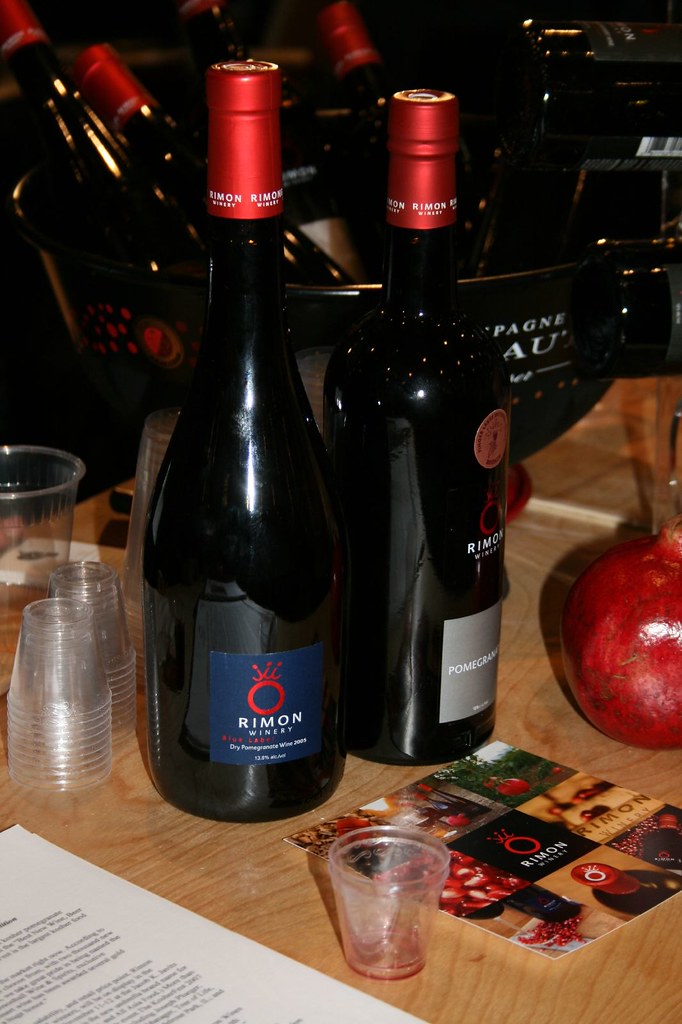 Armenia
This is exactly the sort of thing I like bringing back from Armenia: small enough to fit in a bag, but specific enough to remind you where you bought it. Wine is a great memory of a meal, but I would wrap it carefully and only carry it when the luggage situation makes sense. It is also the kind of thing you can talk about when someone asks what you brought back, because there is usually a little story attached to where you found it.
 France
When I think of an easy, crowd-pleasing thing to bring back from France, Provence lavender soap is a good pick because it does not need much explanation when you hand it over. Small bottles are best. A local scent, soap or oil feels personal, but it is still easy to pack and usually does not cost airport-perfume money. I would rate it higher when it is locally made, clearly labelled and easy to use at home, and lower when it is just tourist packaging.
Bosnian-style Turkish delight, often served with coffee.
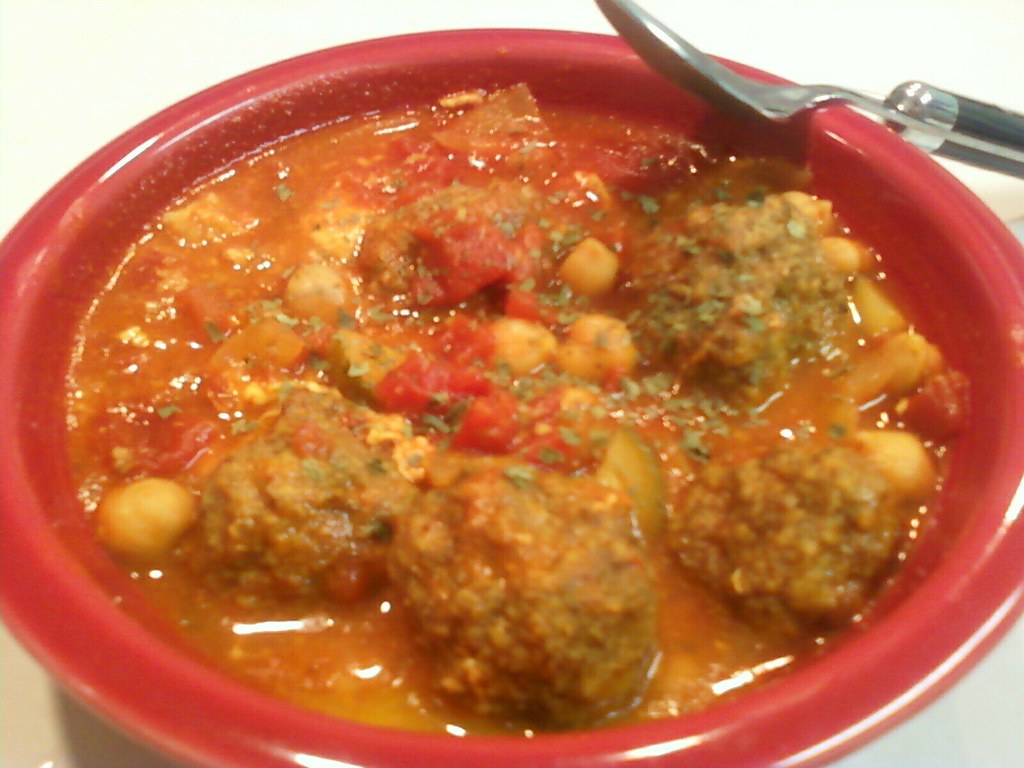 Algeria
This is exactly the sort of thing I like bringing back from Algeria: small enough to fit in a bag, but specific enough to remind you where you bought it. The best version is usually the sealed jar, tin or packet from a normal supermarket, spice stall or food hall, not the most expensive tourist version. It is also the kind of thing you can talk about when someone asks what you brought back, because there is usually a little story attached to where you found it.
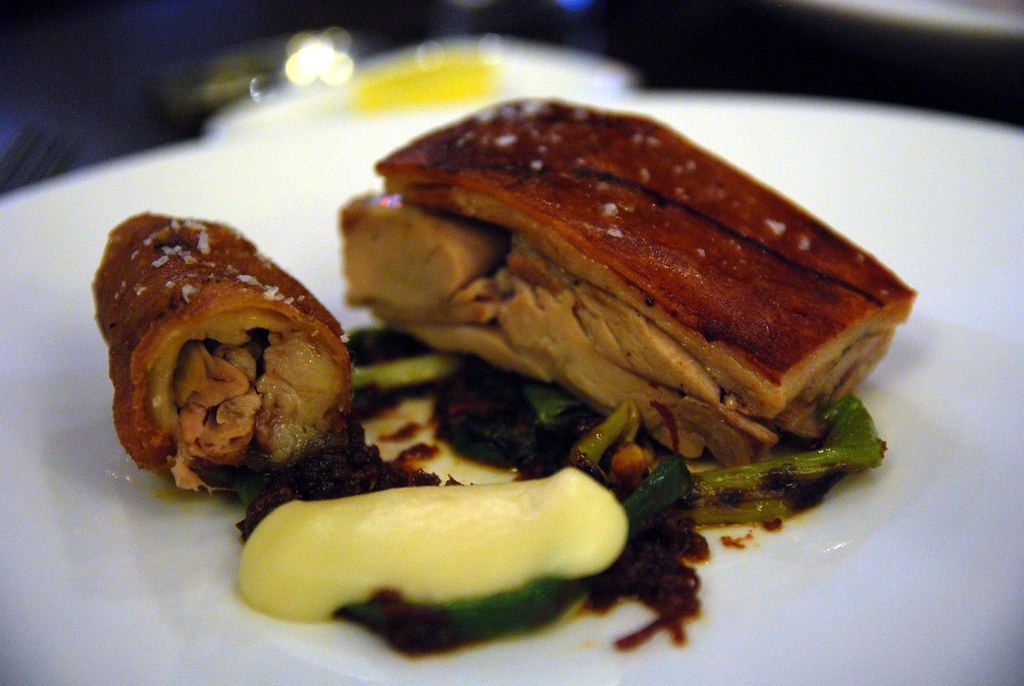 Spain
Spain
When I think of an easy, crowd-pleasing thing to bring back from Spain, sherry vinegar is a good pick because it does not need much explanation when you hand it over. Oils and vinegars work well when the bottle is small, sealed and wrapped in clothing inside checked luggage. I would rate it higher when it is locally made, clearly labelled and easy to use at home, and lower when it is just tourist packaging.
 Taiwan
When I think of an easy, crowd-pleasing thing to bring back from Taiwan, sun cakes is a good pick because it does not need much explanation when you hand it over. Biscuits and dry breads are good because they survive the journey and are easy to share at work or with family. I would rate it higher when it is locally made, clearly labelled and easy to use at home, and lower when it is just tourist packaging.
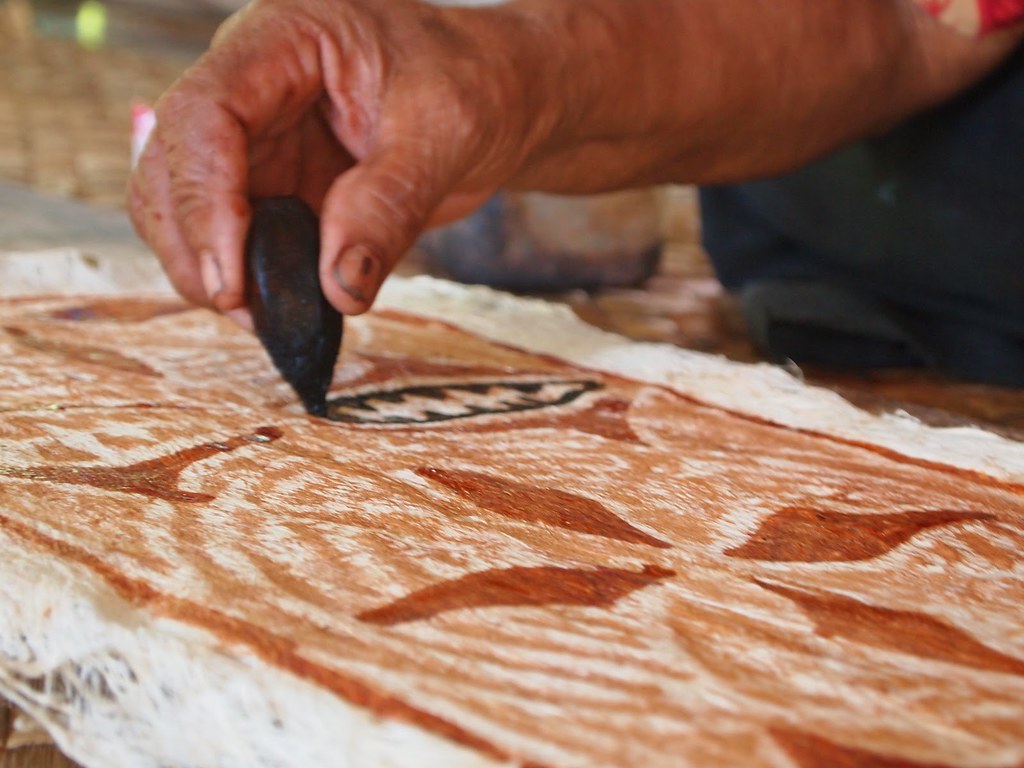 Tonga
Tonga
Decorative barkcloth artwork inspired by Polynesian tapa traditions.
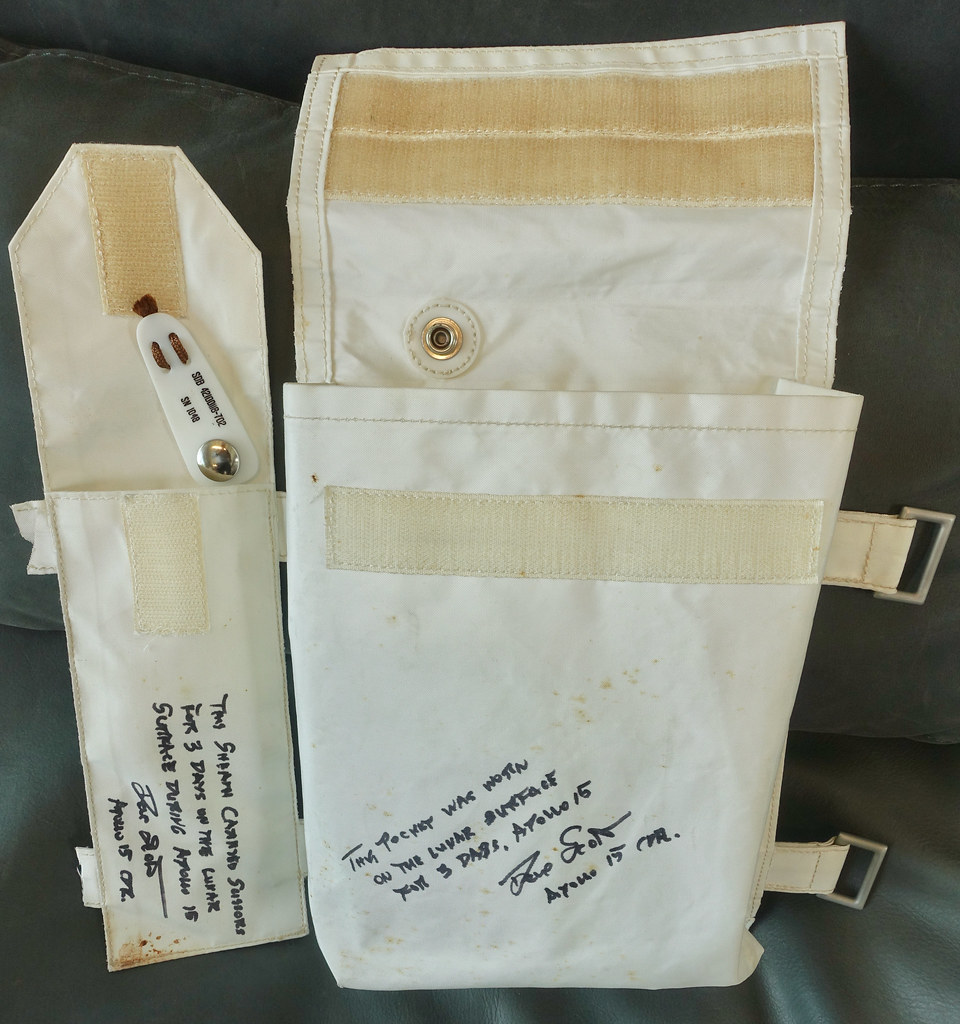 Brunei
When I think of an easy, crowd-pleasing thing to bring back from Brunei, tenunan woven cloth pouch is a good pick because it does not need much explanation when you hand it over. The trick is to choose the simple, well-made version. Small craft items look better on a shelf when they are not too shiny or mass-produced. I would rate it higher when it is locally made, clearly labelled and easy to use at home, and lower when it is just tourist packaging.
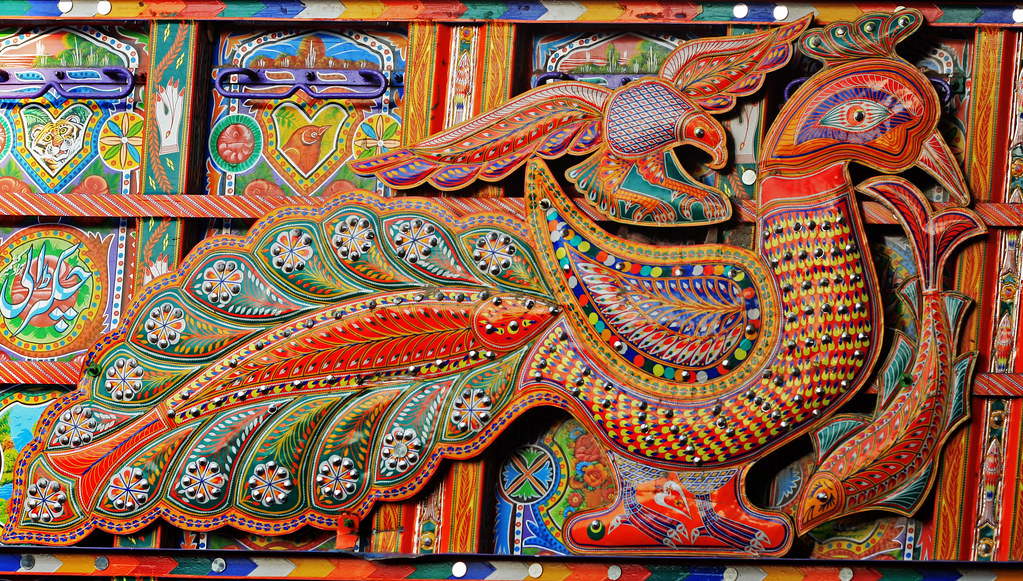 Pakistan
This is exactly the sort of thing I like bringing back from Pakistan: small enough to fit in a bag, but specific enough to remind you where you bought it. The trick is to choose the simple, well-made version. Small craft items look better on a shelf when they are not too shiny or mass-produced. It is also the kind of thing you can talk about when someone asks what you brought back, because there is usually a little story attached to where you found it.
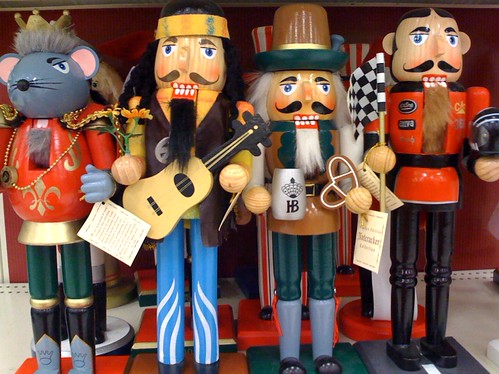 Germany
Wooden nutcracker ornament is worth adding because it feels like something you actually noticed while travelling through Germany, rather than a generic souvenir. The trick is to choose the simple, well-made version. Small craft items look better on a shelf when they are not too shiny or mass-produced. The ideal version is modestly priced, not too bulky, and good enough that you would buy it again even without the holiday memory.
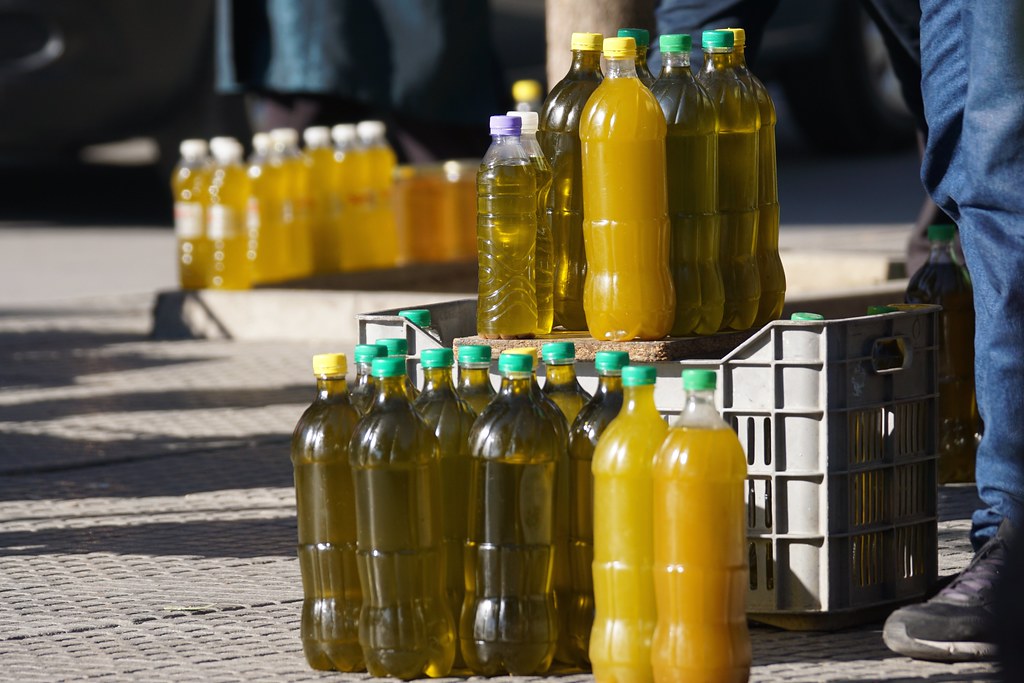 Albania
This is exactly the sort of thing I like bringing back from Albania: small enough to fit in a bag, but specific enough to remind you where you bought it. Oils and vinegars work well when the bottle is small, sealed and wrapped in clothing inside checked luggage. It is also the kind of thing you can talk about when someone asks what you brought back, because there is usually a little story attached to where you found it.
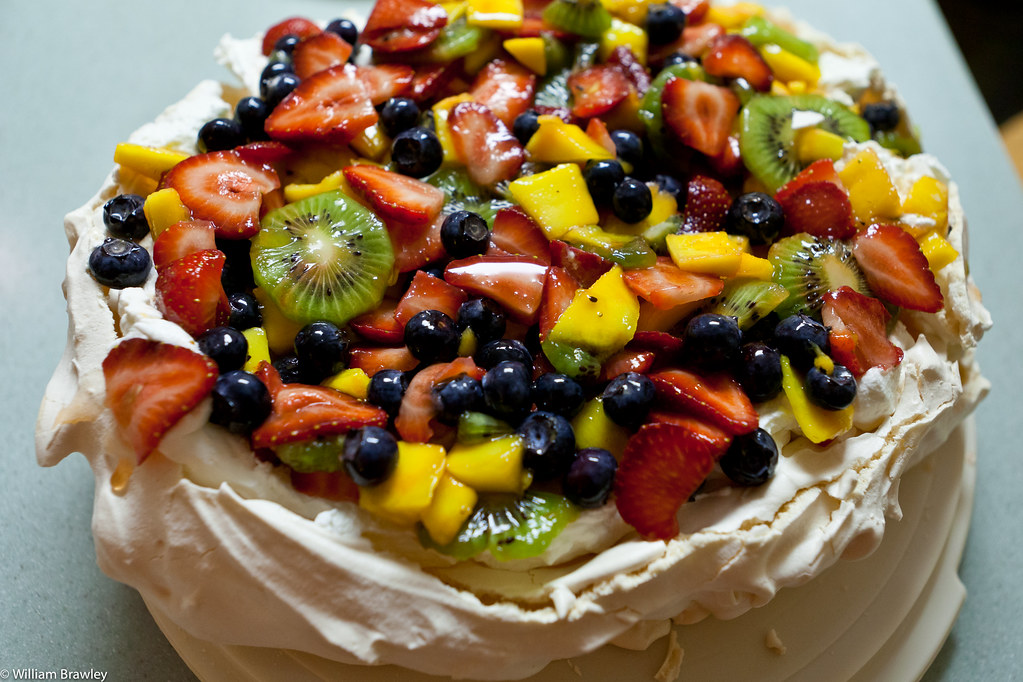 Turkey
This is exactly the sort of thing I like bringing back from Türkiye: small enough to fit in a bag, but specific enough to remind you where you bought it. It is a good one because people can try it slowly at home, and it makes a nicer gift than a mug with a place name printed on it. It is also the kind of thing you can talk about when someone asks what you brought back, because there is usually a little story attached to where you found it.
 Jordan
Arabic coffee is worth adding because it feels like something you actually noticed while travelling through Jordan, rather than a generic souvenir. It is a good one because people can try it slowly at home, and it makes a nicer gift than a mug with a place name printed on it. The ideal version is modestly priced, not too bulky, and good enough that you would buy it again even without the holiday memory.
 United Arab Emirates
This is exactly the sort of thing I like bringing back from United Arab Emirates: small enough to fit in a bag, but specific enough to remind you where you bought it. It is a good one because people can try it slowly at home, and it makes a nicer gift than a mug with a place name printed on it. It is also the kind of thing you can talk about when someone asks what you brought back, because there is usually a little story attached to where you found it.
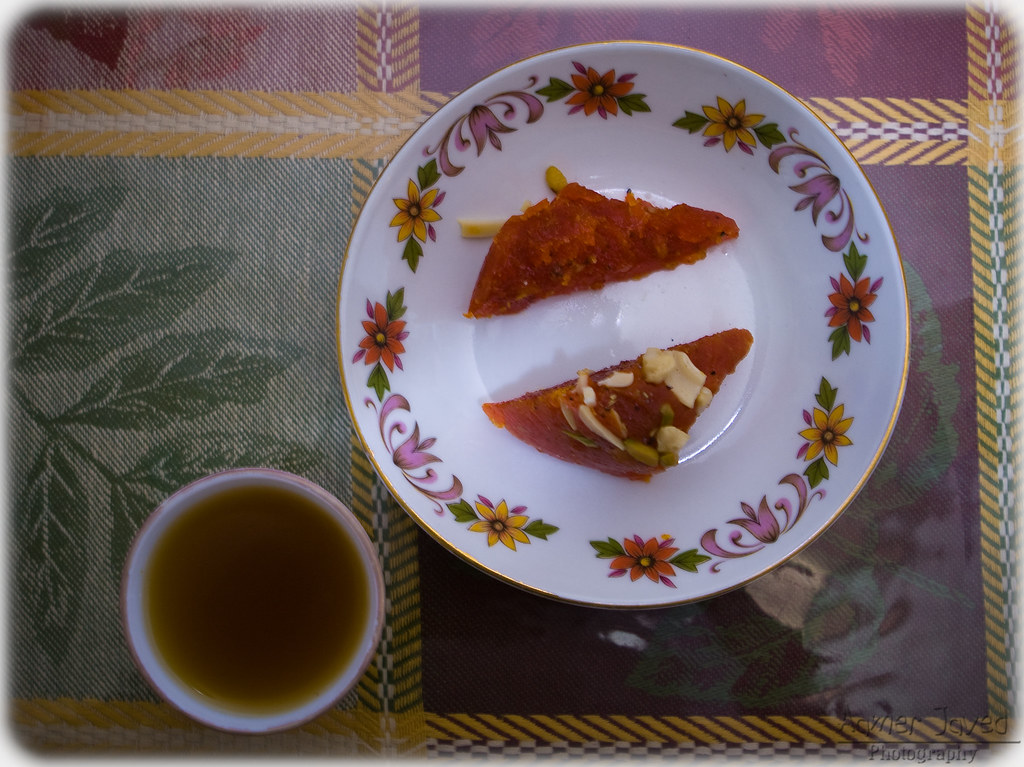 Bahrain
This is exactly the sort of thing I like bringing back from Bahrain: small enough to fit in a bag, but specific enough to remind you where you bought it. It is a good one because people can try it slowly at home, and it makes a nicer gift than a mug with a place name printed on it. It is also the kind of thing you can talk about when someone asks what you brought back, because there is usually a little story attached to where you found it.
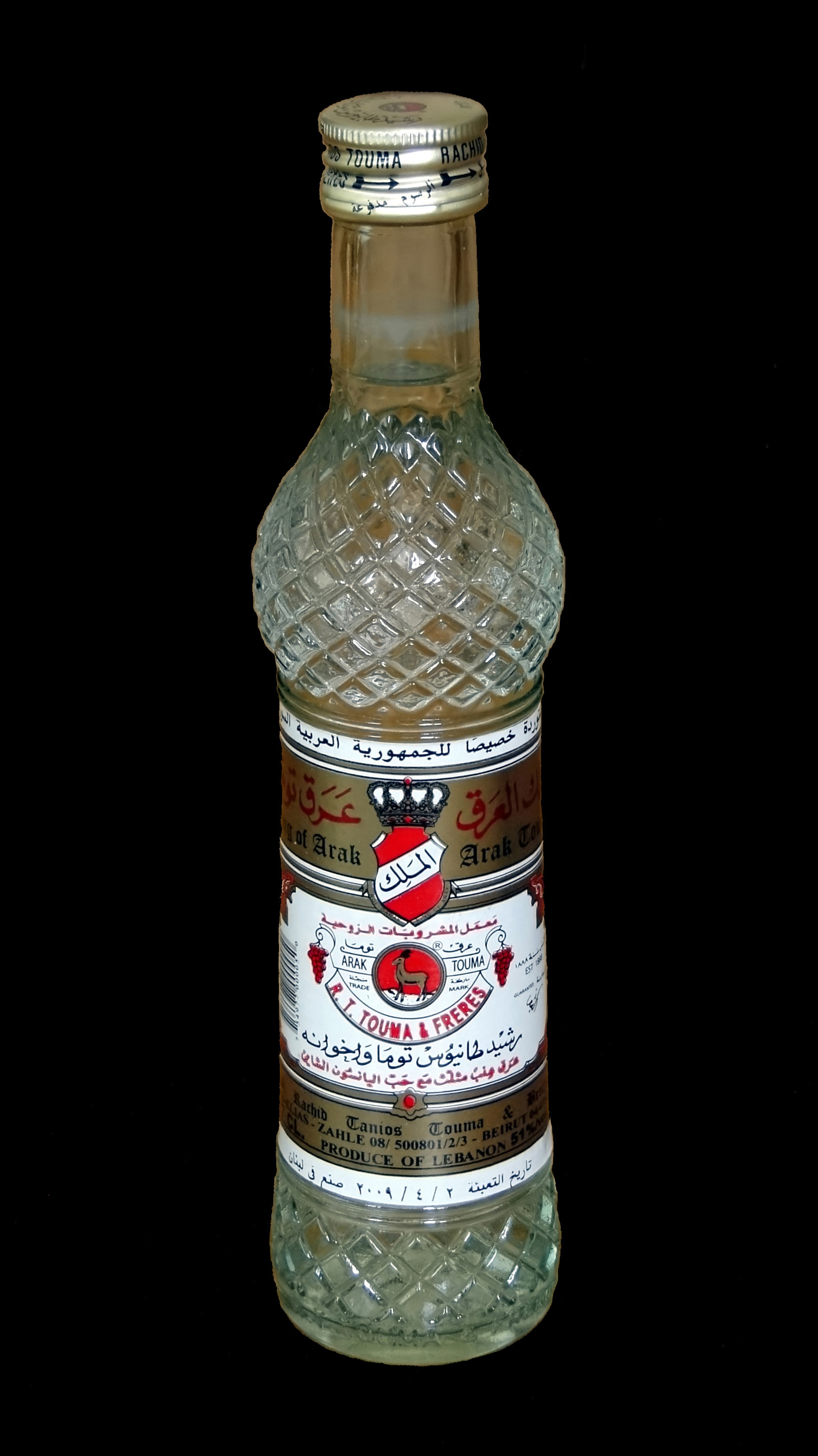 Lebanon
Arak bottle is worth adding because it feels like something you actually noticed while travelling through Lebanon, rather than a generic souvenir. For alcohol, I would only bring this back if it is sealed properly and comfortably within the UK allowance; otherwise it is better as a UK-buy link. The ideal version is modestly priced, not too bulky, and good enough that you would buy it again even without the holiday memory.
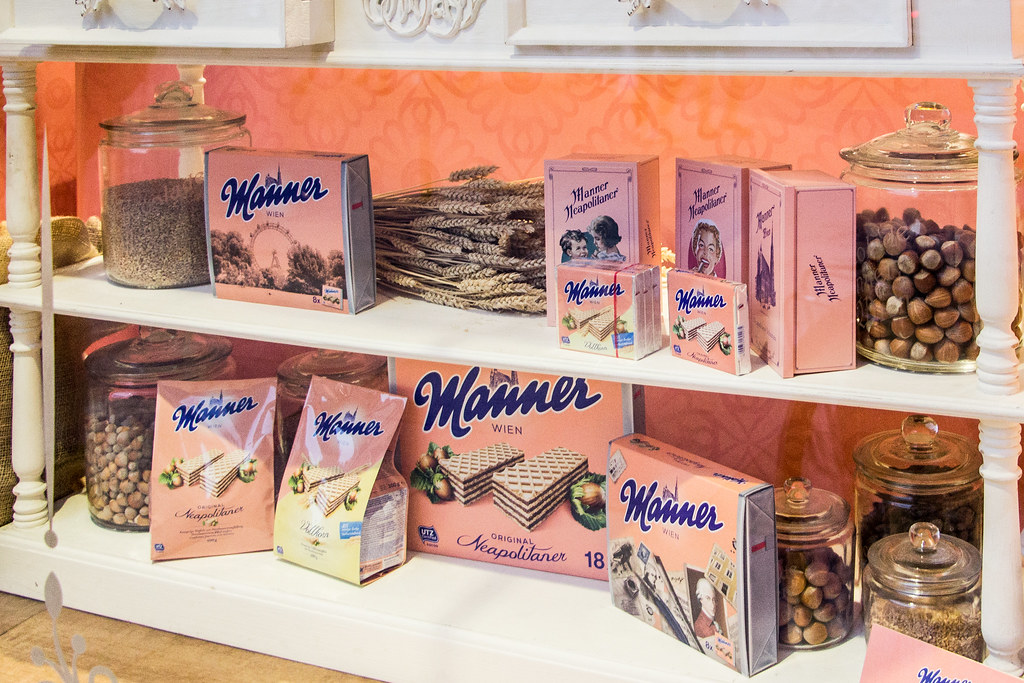 Austria
When I think of an easy, crowd-pleasing thing to bring back from Austria, Austrian wafers is a good pick because it does not need much explanation when you hand it over. Biscuits and dry breads are good because they survive the journey and are easy to share at work or with family. I would rate it higher when it is locally made, clearly labelled and easy to use at home, and lower when it is just tourist packaging.
 Azerbaijan
I would put Azerbaijani black tea on the list for Azerbaijan because it is the kind of thing that feels useful once you are home, not just another airport purchase. It is a good one because people can try it slowly at home, and it makes a nicer gift than a mug with a place name printed on it. The reason it works is that it gives you a quick reminder of the trip without needing to keep a fragile ornament safe forever.
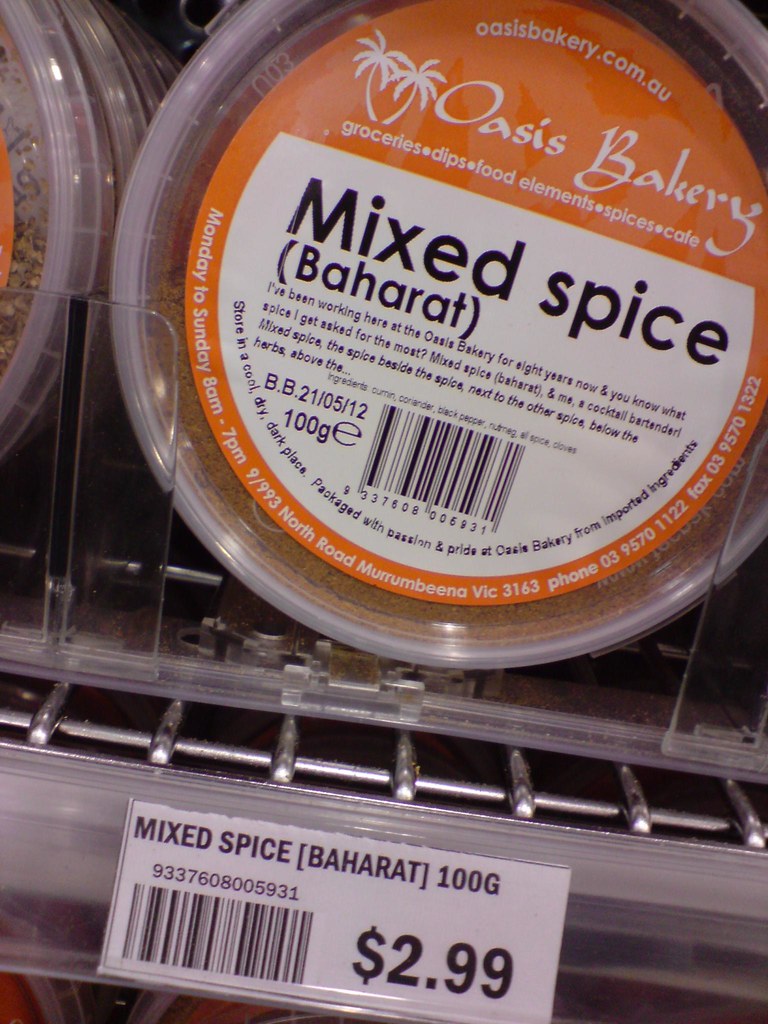 Iraq
Iraq
Warm all-purpose spice blend used across Middle Eastern cooking.
 Bangladesh
When I think of an easy, crowd-pleasing thing to bring back from Bangladesh, Bangladeshi black tea is a good pick because it does not need much explanation when you hand it over. It is a good one because people can try it slowly at home, and it makes a nicer gift than a mug with a place name printed on it. I would rate it higher when it is locally made, clearly labelled and easy to use at home, and lower when it is just tourist packaging.
Barong-inspired shirt is worth adding because it feels like something you actually noticed while travelling through Philippines, rather than a generic souvenir. I would avoid the obvious tourist print and look for something with a local pattern, fabric or cut that still works with normal clothes back in the UK. The ideal version is modestly priced, not too bulky, and good enough that you would buy it again even without the holiday memory.
 South Africa
Beaded bracelet is worth adding because it feels like something you actually noticed while travelling through South Africa, rather than a generic souvenir. The trick is to choose the simple, well-made version. Small craft items look better on a shelf when they are not too shiny or mass-produced. The ideal version is modestly priced, not too bulky, and good enough that you would buy it again even without the holiday memory.
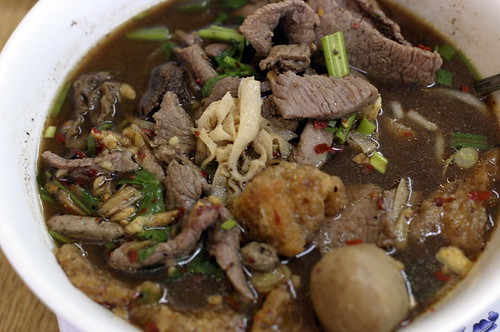 Taiwan
Beef noodle spice pack is worth adding because it feels like something you actually noticed while travelling through Taiwan, rather than a generic souvenir. The best version is usually the sealed jar, tin or packet from a normal supermarket, spice stall or food hall, not the most expensive tourist version. The ideal version is modestly priced, not too bulky, and good enough that you would buy it again even without the holiday memory.
 Belize
When I think of an easy, crowd-pleasing thing to bring back from Belize, Belize rum is a good pick because it does not need much explanation when you hand it over. For alcohol, I would only bring this back if it is sealed properly and comfortably within the UK allowance; otherwise it is better as a UK-buy link. I would rate it higher when it is locally made, clearly labelled and easy to use at home, and lower when it is just tourist packaging.
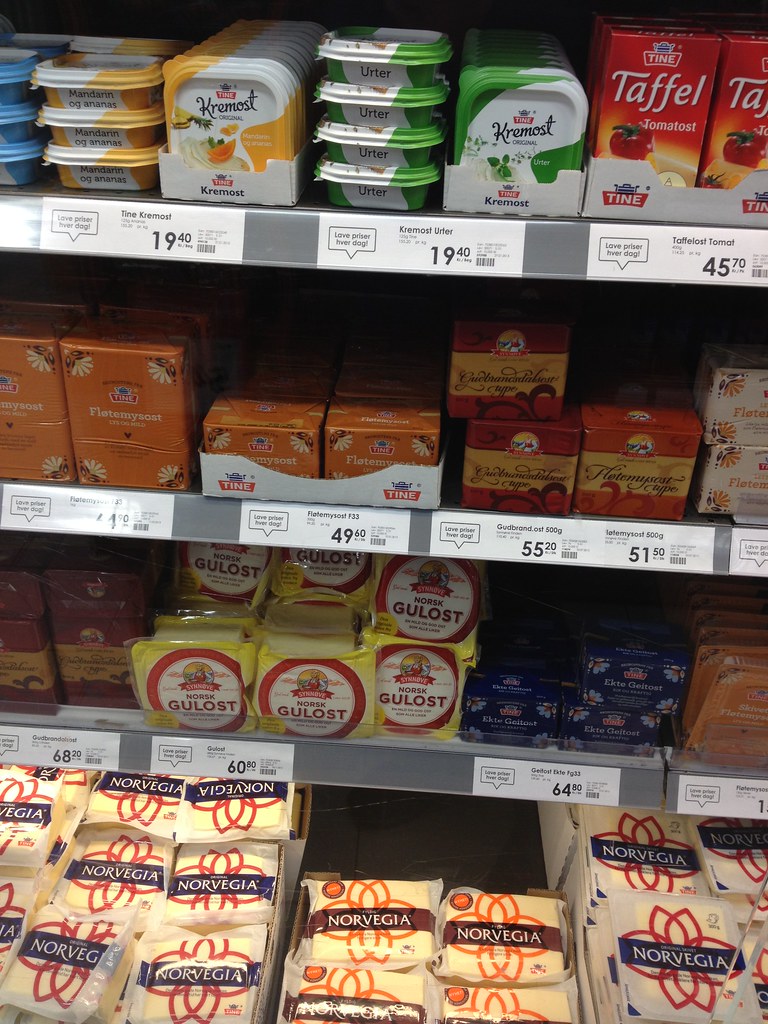 Norway
I would put Brunost brown cheese on the list for Norway because it is the kind of thing that feels useful once you are home, not just another airport purchase. This is more of a buy-in-the-UK idea now unless current food rules clearly allow it. It still belongs in the database because people search for it after tasting it abroad. The reason it works is that it gives you a quick reminder of the trip without needing to keep a fragile ornament safe forever.
 Brazil
Sugarcane spirit used to make caipirinhas.
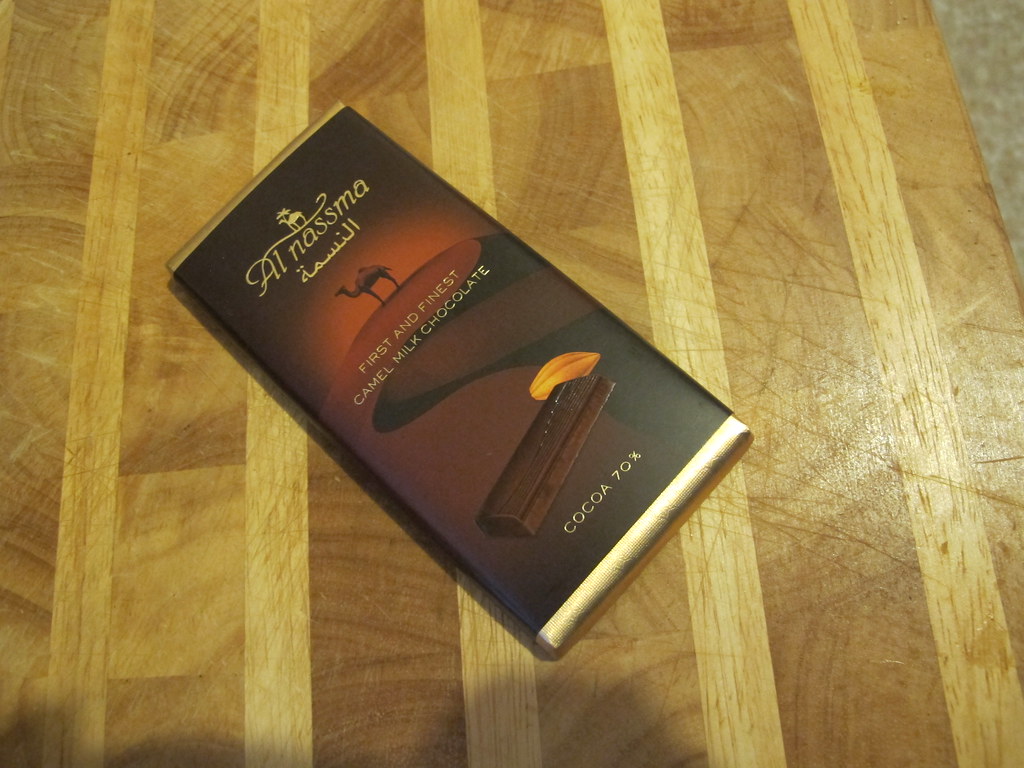 United Arab Emirates
Camel milk chocolate is worth adding because it feels like something you actually noticed while travelling through United Arab Emirates, rather than a generic souvenir. Look for a boxed version with a decent date on it, especially if you are buying it near the start of the trip rather than at the airport. The ideal version is modestly priced, not too bulky, and good enough that you would buy it again even without the holiday memory.
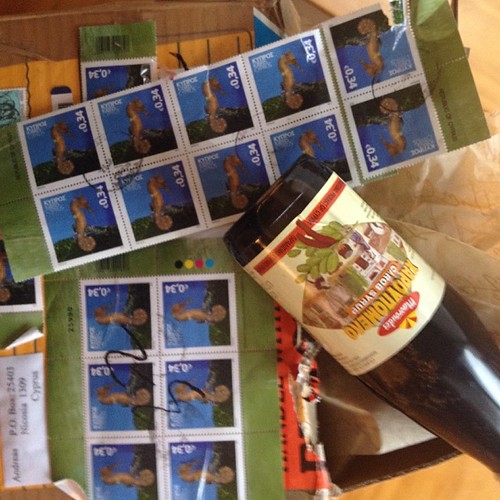 Cyprus
Carob syrup is worth adding because it feels like something you actually noticed while travelling through Cyprus, rather than a generic souvenir. The best version is usually the sealed jar, tin or packet from a normal supermarket, spice stall or food hall, not the most expensive tourist version. The ideal version is modestly priced, not too bulky, and good enough that you would buy it again even without the holiday memory.
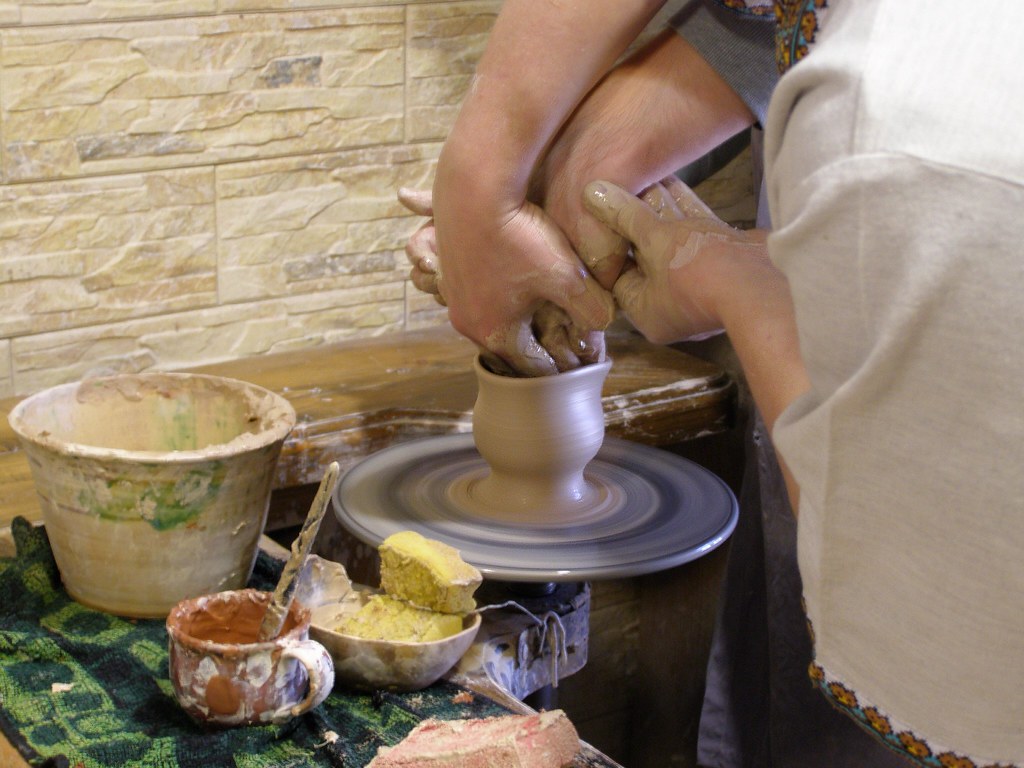 Tunisia
Ceramic hand bowl is worth adding because it feels like something you actually noticed while travelling through Tunisia, rather than a generic souvenir. The trick is to choose the simple, well-made version. Small craft items look better on a shelf when they are not too shiny or mass-produced. The ideal version is modestly priced, not too bulky, and good enough that you would buy it again even without the holiday memory.
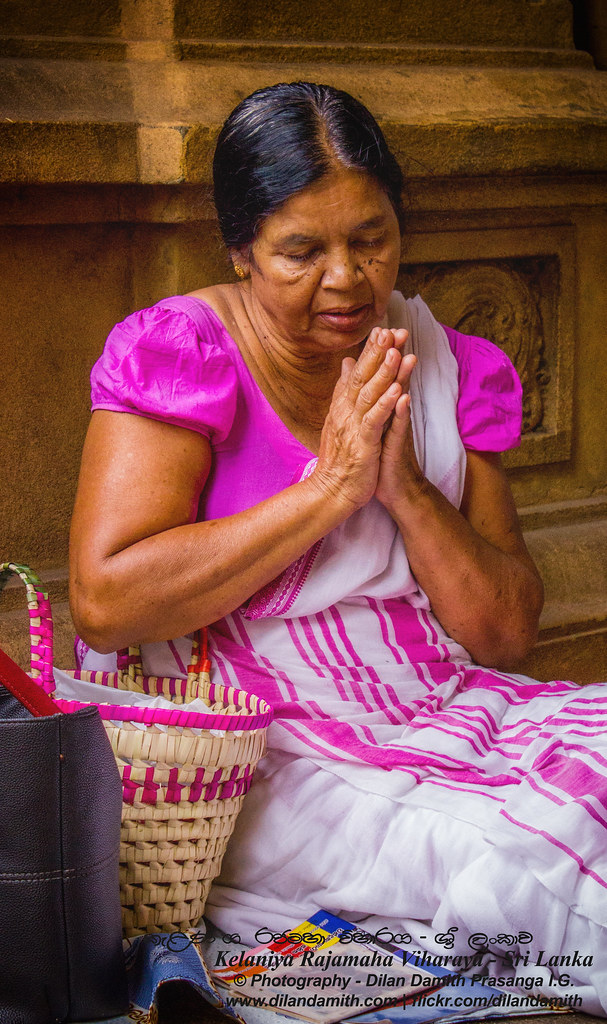 Sri Lanka
True cinnamon sticks with delicate sweet flavour; prized for baking and tea.
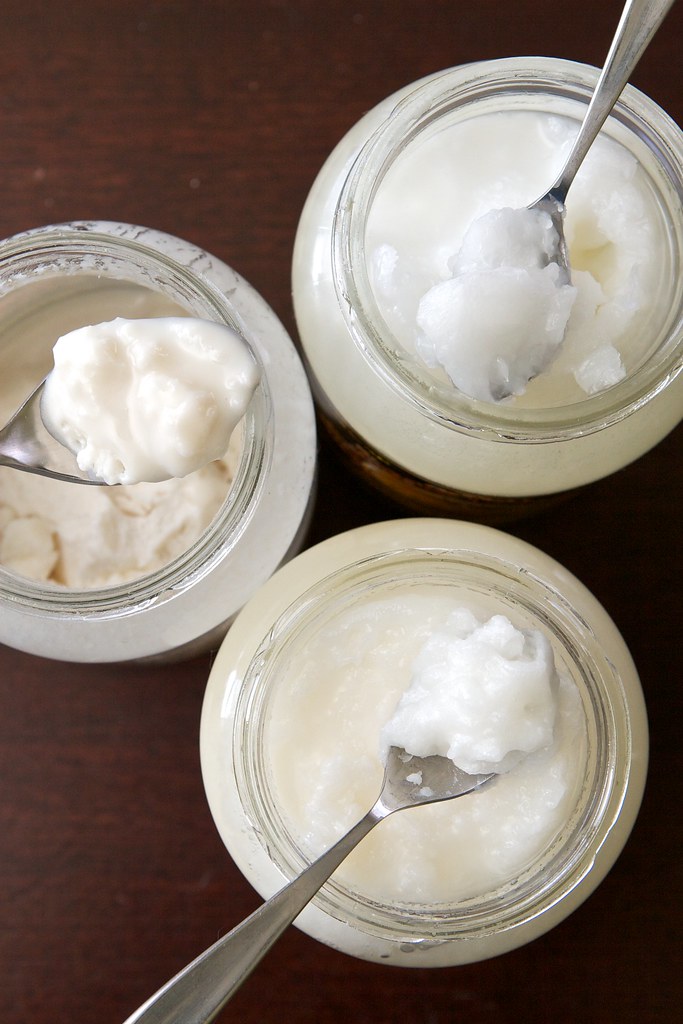 Maldives
Tropical coconut-scented skincare oil or soap.
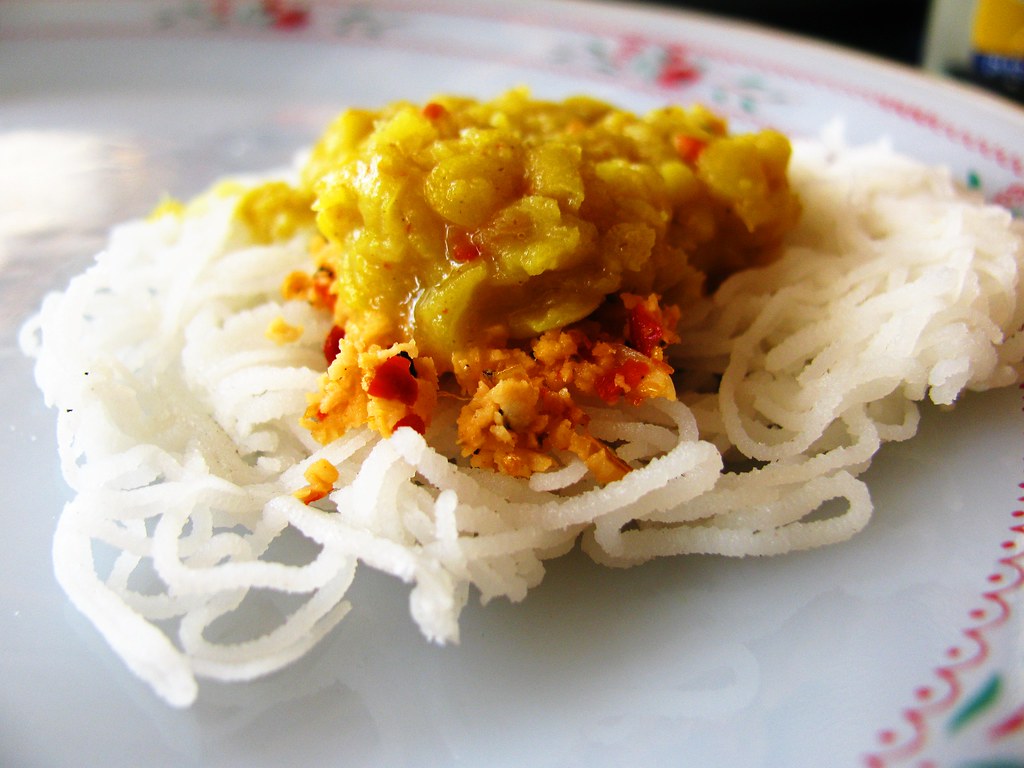 Sri Lanka
When I think of an easy, crowd-pleasing thing to bring back from Sri Lanka, coconut sambol mix is a good pick because it does not need much explanation when you hand it over. The best version is usually the sealed jar, tin or packet from a normal supermarket, spice stall or food hall, not the most expensive tourist version. I would rate it higher when it is locally made, clearly labelled and easy to use at home, and lower when it is just tourist packaging.
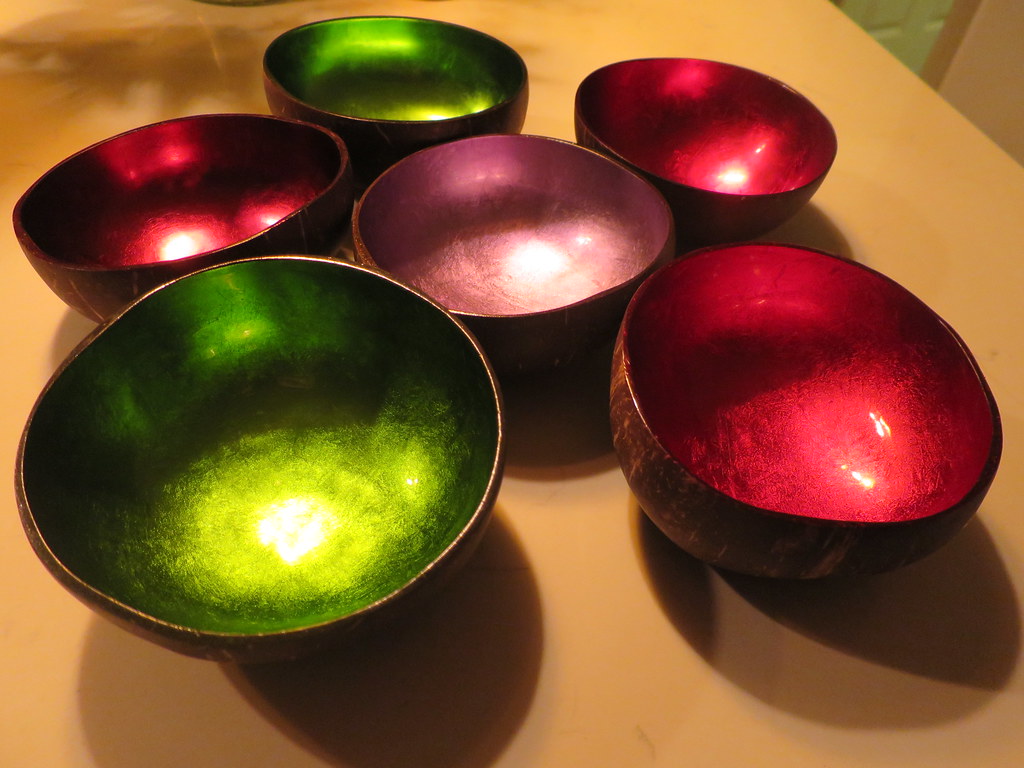 Seychelles
Polished coconut bowl for snacks or decoration.
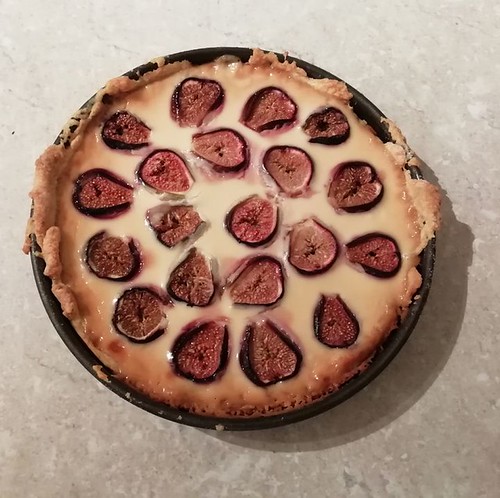 Croatia
Dalmatian fig jam is worth adding because it feels like something you actually noticed while travelling through Croatia, rather than a generic souvenir. The best version is usually the sealed jar, tin or packet from a normal supermarket, spice stall or food hall, not the most expensive tourist version. The ideal version is modestly priced, not too bulky, and good enough that you would buy it again even without the holiday memory.
Date-filled kahk biscuits is worth adding because it feels like something you actually noticed while travelling through Egypt, rather than a generic souvenir. Biscuits and dry breads are good because they survive the journey and are easy to share at work or with family. The ideal version is modestly priced, not too bulky, and good enough that you would buy it again even without the holiday memory.
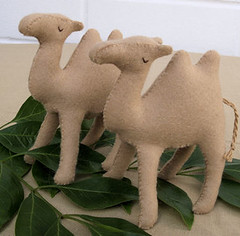 Kazakhstan
This is exactly the sort of thing I like bringing back from Kazakhstan: small enough to fit in a bag, but specific enough to remind you where you bought it. The trick is to choose the simple, well-made version. Small craft items look better on a shelf when they are not too shiny or mass-produced. It is also the kind of thing you can talk about when someone asks what you brought back, because there is usually a little story attached to where you found it.
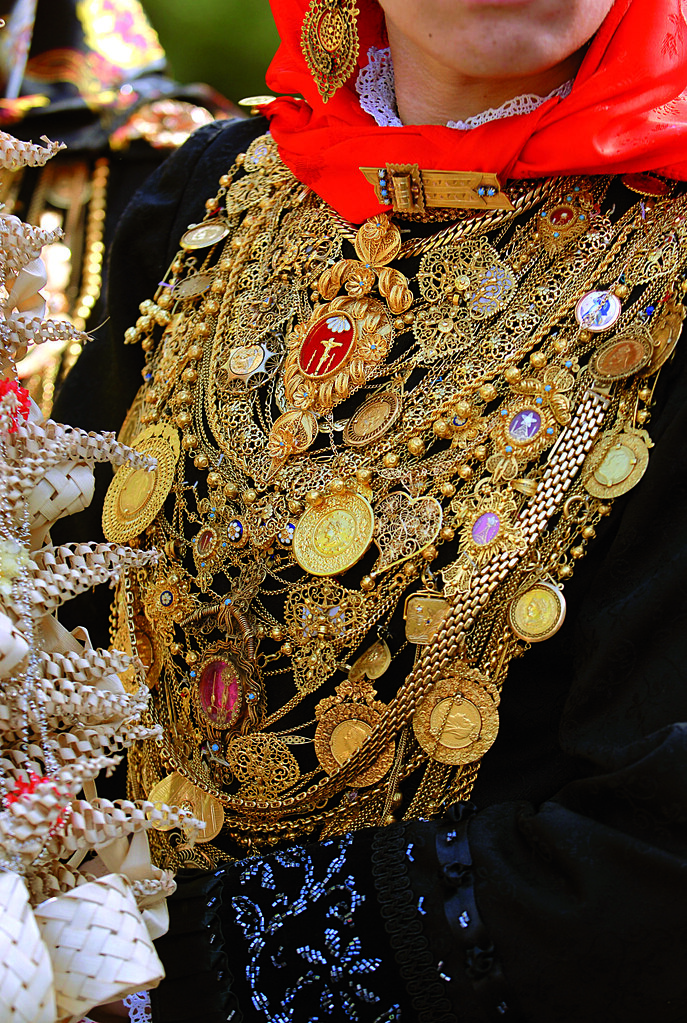 Kosovo
Fine silver-style jewellery inspired by Balkan filigree craft.
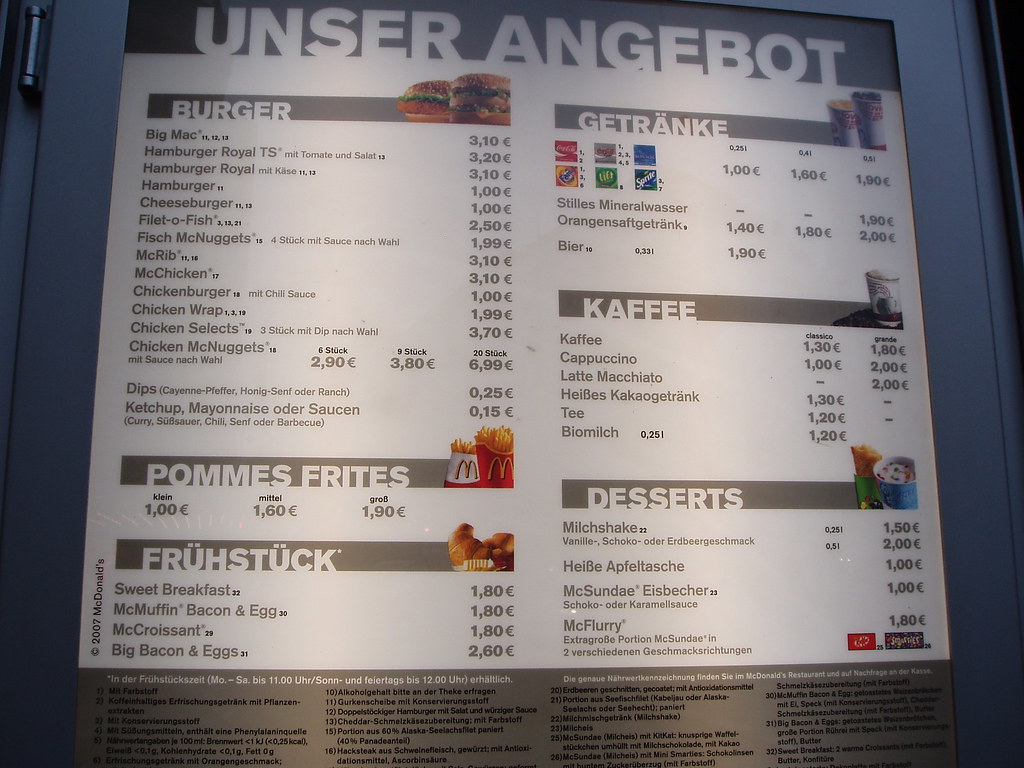 Germany
This is exactly the sort of thing I like bringing back from Germany: small enough to fit in a bag, but specific enough to remind you where you bought it. The best version is usually the sealed jar, tin or packet from a normal supermarket, spice stall or food hall, not the most expensive tourist version. It is also the kind of thing you can talk about when someone asks what you brought back, because there is usually a little story attached to where you found it.
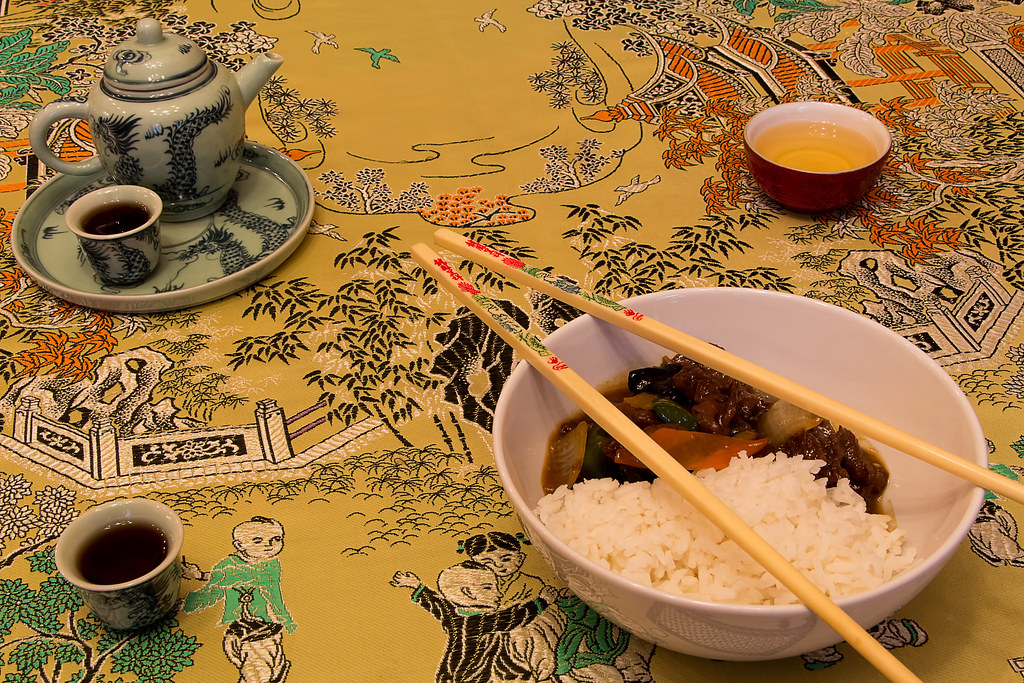 South Korea
Green plum tea is worth adding because it feels like something you actually noticed while travelling through South Korea, rather than a generic souvenir. It is a good one because people can try it slowly at home, and it makes a nicer gift than a mug with a place name printed on it. The ideal version is modestly priced, not too bulky, and good enough that you would buy it again even without the holiday memory.
 Algeria
Hand-painted ceramic bowl is worth adding because it feels like something you actually noticed while travelling through Algeria, rather than a generic souvenir. The trick is to choose the simple, well-made version. Small craft items look better on a shelf when they are not too shiny or mass-produced. The ideal version is modestly priced, not too bulky, and good enough that you would buy it again even without the holiday memory.
 Canada
When I think of an easy, crowd-pleasing thing to bring back from Canada, ketchup chips is a good pick because it does not need much explanation when you hand it over. I would buy a couple of packets: one to open while travelling and one to bring home unopened, because snacks have a habit of disappearing before the flight. I would rate it higher when it is locally made, clearly labelled and easy to use at home, and lower when it is just tourist packaging.
 South Korea
This is exactly the sort of thing I like bringing back from South Korea: small enough to fit in a bag, but specific enough to remind you where you bought it. Small bottles are best. A local scent, soap or oil feels personal, but it is still easy to pack and usually does not cost airport-perfume money. It is also the kind of thing you can talk about when someone asks what you brought back, because there is usually a little story attached to where you found it.
 Brunei
Layered spiced cake popular in Brunei, Malaysia and Indonesia.
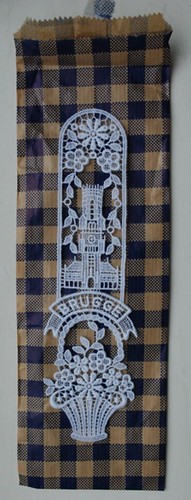 Belgium
Lace bookmark is worth adding because it feels like something you actually noticed while travelling through Belgium, rather than a generic souvenir. The trick is to choose the simple, well-made version. Small craft items look better on a shelf when they are not too shiny or mass-produced. The ideal version is modestly priced, not too bulky, and good enough that you would buy it again even without the holiday memory.
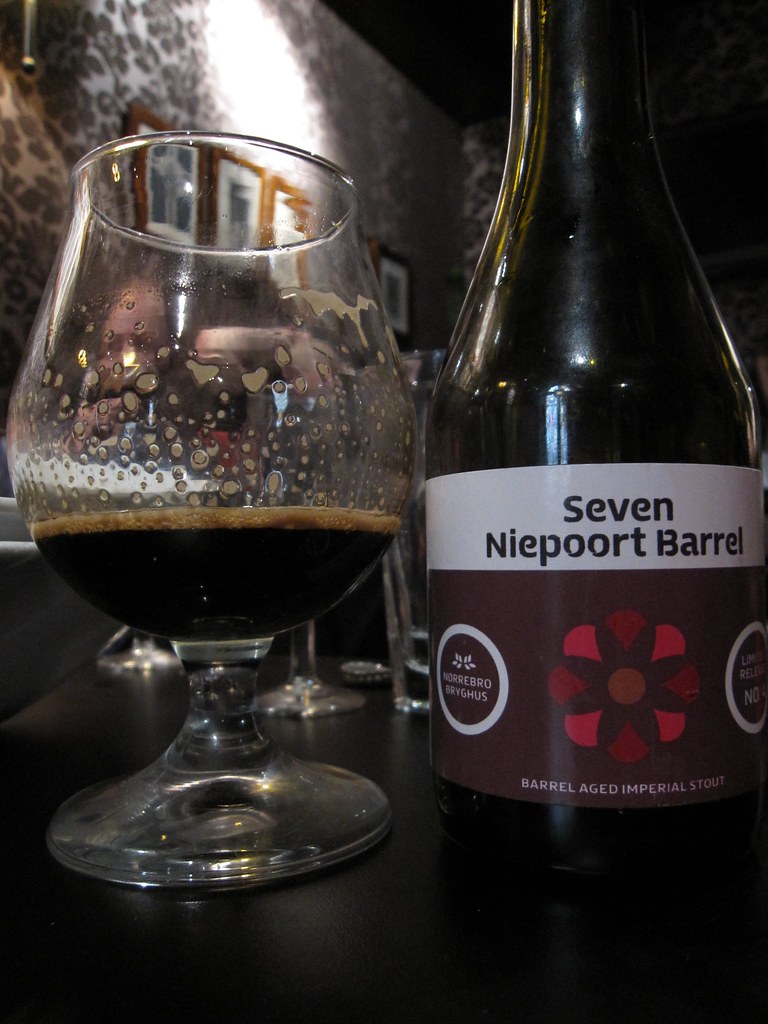 Denmark
This is exactly the sort of thing I like bringing back from Denmark: small enough to fit in a bag, but specific enough to remind you where you bought it. I would buy a couple of packets: one to open while travelling and one to bring home unopened, because snacks have a habit of disappearing before the flight. It is also the kind of thing you can talk about when someone asks what you brought back, because there is usually a little story attached to where you found it.
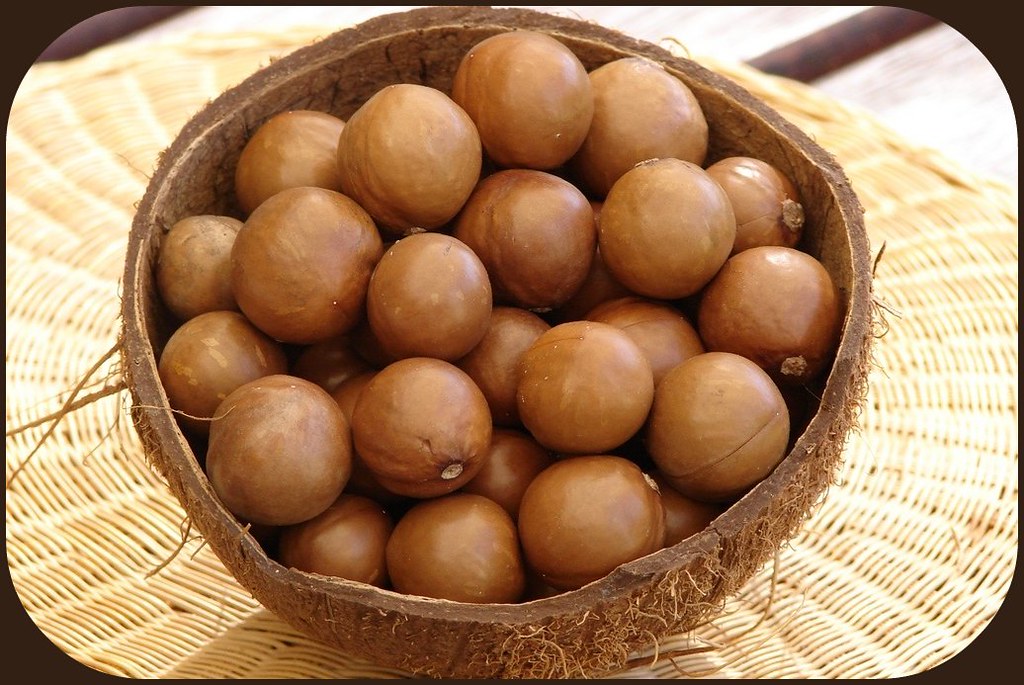 Kenya
Kenya
Macadamia nuts is worth adding because it feels like something you actually noticed while travelling through Kenya, rather than a generic souvenir. I would buy a couple of packets: one to open while travelling and one to bring home unopened, because snacks have a habit of disappearing before the flight. The ideal version is modestly priced, not too bulky, and good enough that you would buy it again even without the holiday memory.
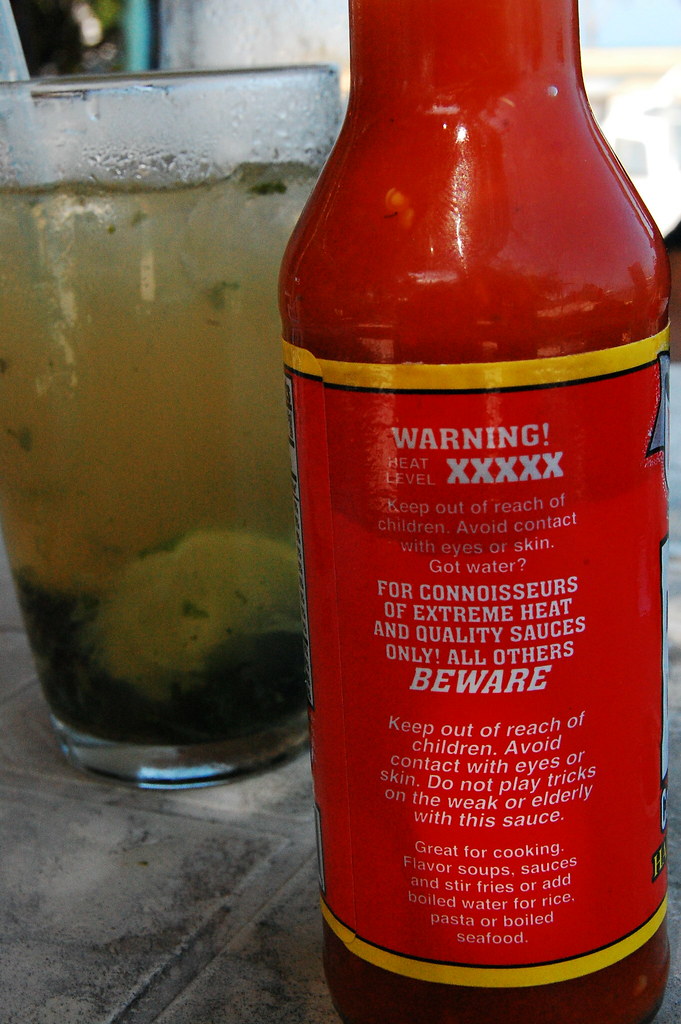 Belize
Belizean carrot-based habanero sauce with bright chilli flavour.
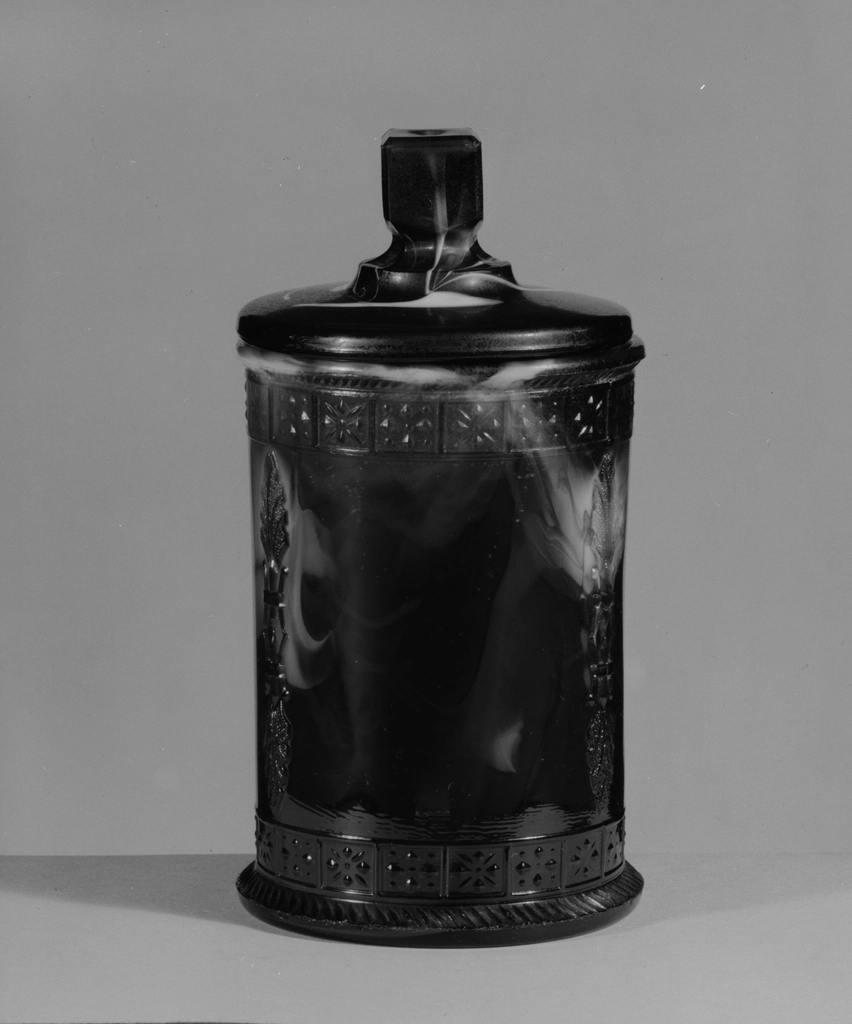 United Kingdom
When I think of an easy, crowd-pleasing thing to bring back from United Kingdom, marmalade jar is a good pick because it does not need much explanation when you hand it over. The best version is usually the sealed jar, tin or packet from a normal supermarket, spice stall or food hall, not the most expensive tourist version. I would rate it higher when it is locally made, clearly labelled and easy to use at home, and lower when it is just tourist packaging.
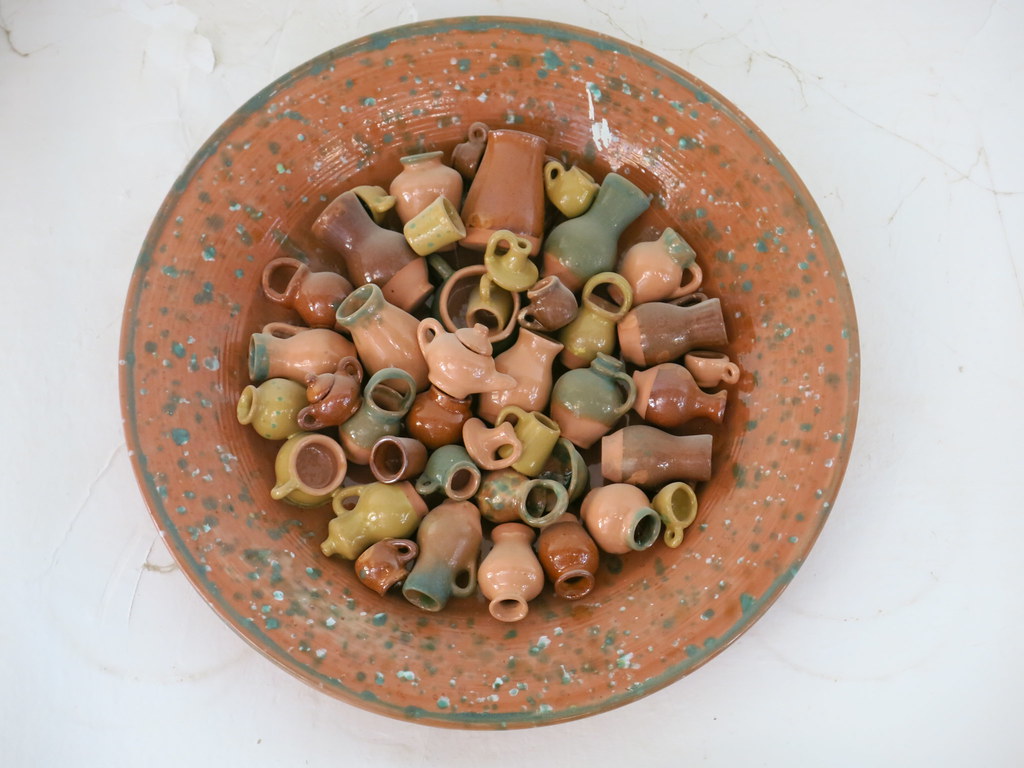 Slovakia
Blue-and-white ceramic inspired by Slovak folk pottery.
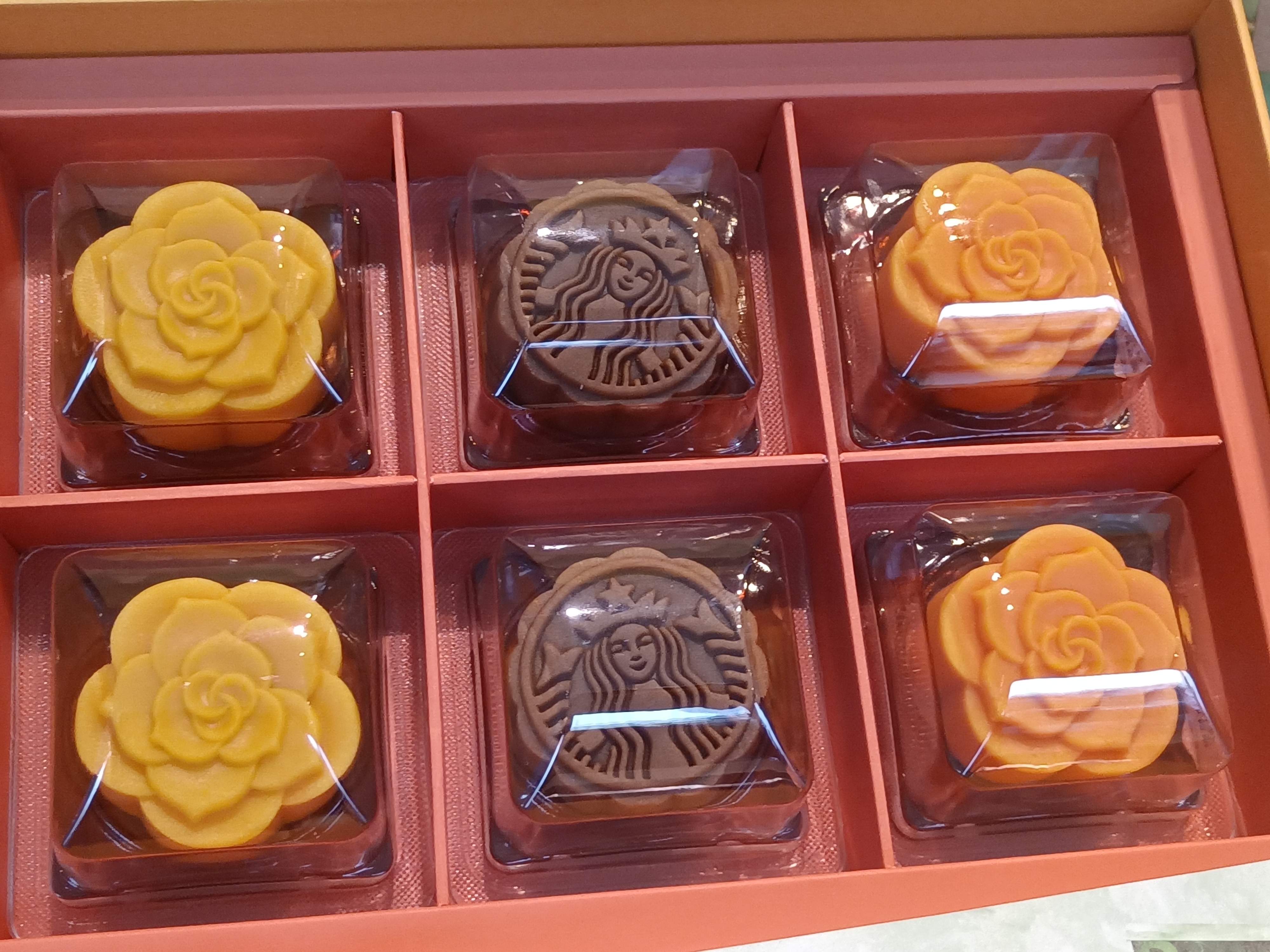 China
China
Mooncake gift box is worth adding because it feels like something you actually noticed while travelling through China, rather than a generic souvenir. Look for a boxed version with a decent date on it, especially if you are buying it near the start of the trip rather than at the airport. The ideal version is modestly priced, not too bulky, and good enough that you would buy it again even without the holiday memory.
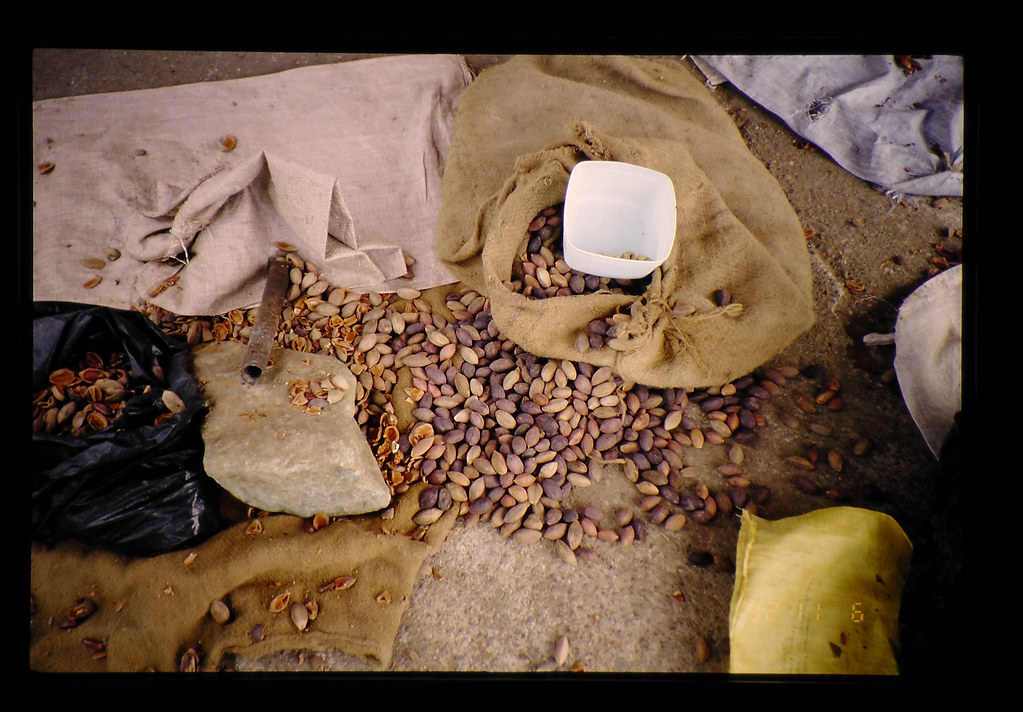 Solomon Islands
Pacific nut snack when available, similar use to macadamia or almond.
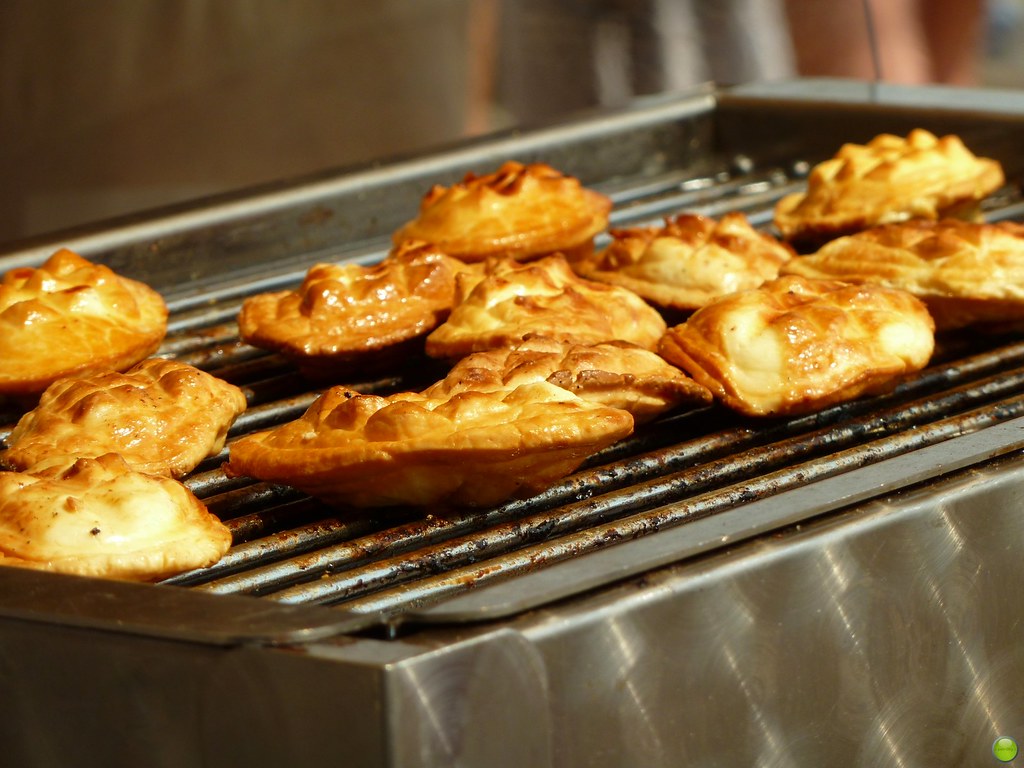 Poland
Oscypek smoked cheese is worth adding because it feels like something you actually noticed while travelling through Poland, rather than a generic souvenir. This is more of a buy-in-the-UK idea now unless current food rules clearly allow it. It still belongs in the database because people search for it after tasting it abroad. The ideal version is modestly priced, not too bulky, and good enough that you would buy it again even without the holiday memory.
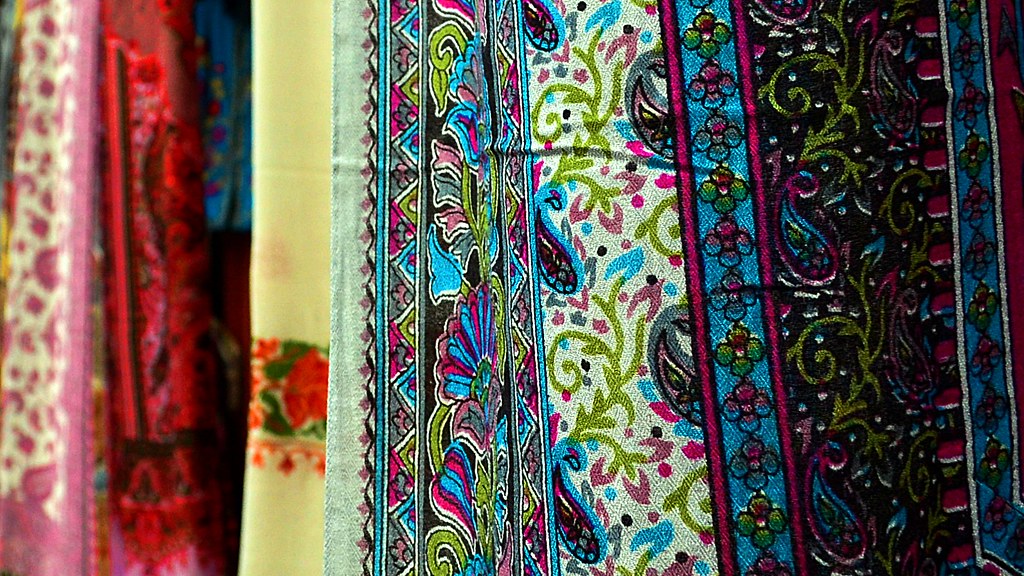 India
India
Soft shawl inspired by Kashmiri textiles; check authenticity if buying premium.
 Bahrain
Pearl-inspired bracelet is worth adding because it feels like something you actually noticed while travelling through Bahrain, rather than a generic souvenir. The trick is to choose the simple, well-made version. Small craft items look better on a shelf when they are not too shiny or mass-produced. The ideal version is modestly priced, not too bulky, and good enough that you would buy it again even without the holiday memory.
Qeleshe felt cap is worth adding because it feels like something you actually noticed while travelling through Albania, rather than a generic souvenir. I would avoid the obvious tourist print and look for something with a local pattern, fabric or cut that still works with normal clothes back in the UK. The ideal version is modestly priced, not too bulky, and good enough that you would buy it again even without the holiday memory.
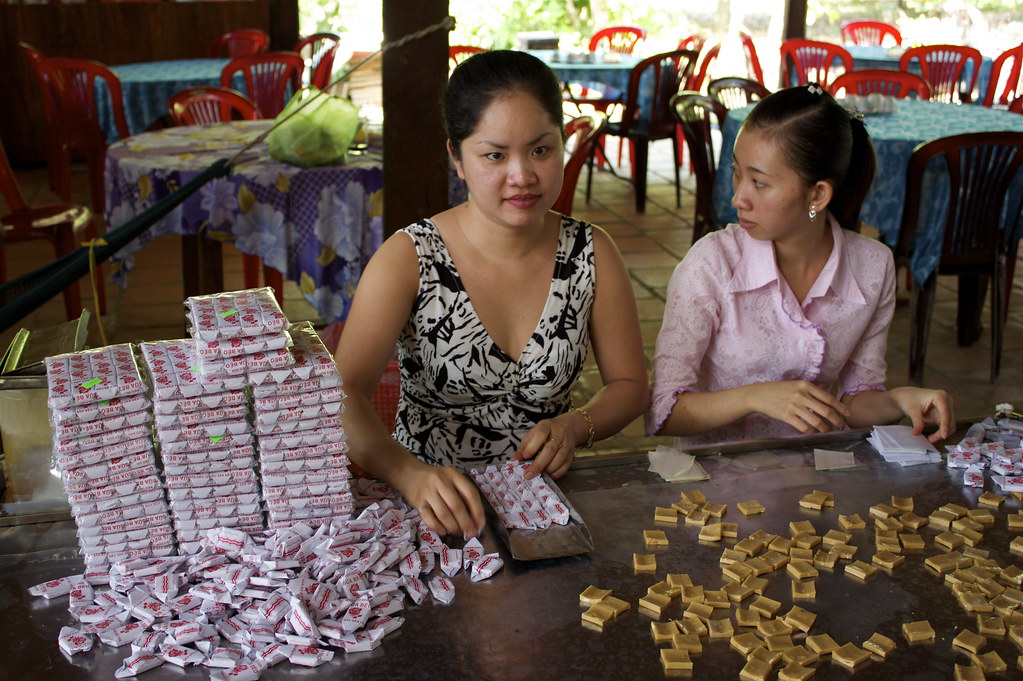 Vietnam
When I think of an easy, crowd-pleasing thing to bring back from Vietnam, rice paper wrappers is a good pick because it does not need much explanation when you hand it over. Grains, pasta and rice are not glamorous, but they are useful, cheap and often taste different from the UK supermarket version. I would rate it higher when it is locally made, clearly labelled and easy to use at home, and lower when it is just tourist packaging.
 Russia
I would put Russian caravan tea on the list for Russia because it is the kind of thing that feels useful once you are home, not just another airport purchase. It is a good one because people can try it slowly at home, and it makes a nicer gift than a mug with a place name printed on it. The reason it works is that it gives you a quick reminder of the trip without needing to keep a fragile ornament safe forever.
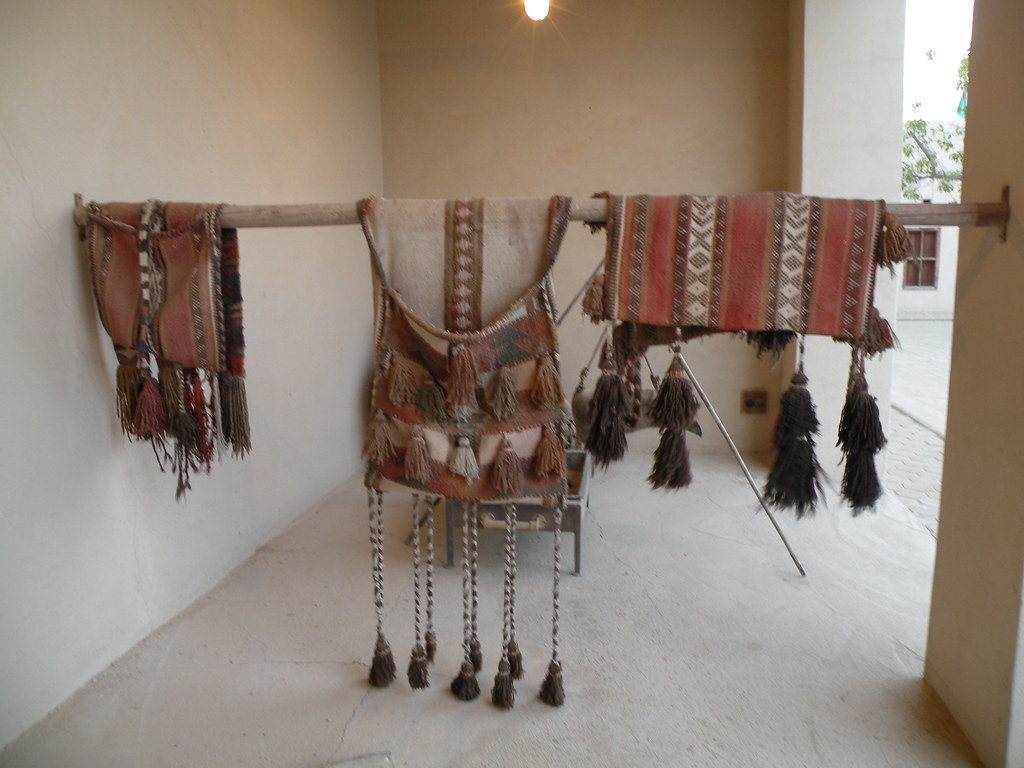 Saudi Arabia
Sadu woven pouch is worth adding because it feels like something you actually noticed while travelling through Saudi Arabia, rather than a generic souvenir. The trick is to choose the simple, well-made version. Small craft items look better on a shelf when they are not too shiny or mass-produced. The ideal version is modestly priced, not too bulky, and good enough that you would buy it again even without the holiday memory.
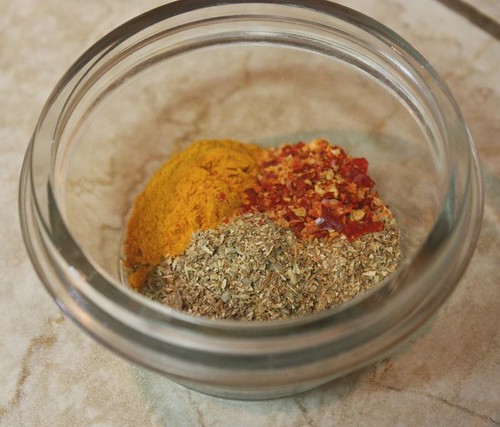 Bulgaria
When I think of an easy, crowd-pleasing thing to bring back from Bulgaria, sharena sol spice blend is a good pick because it does not need much explanation when you hand it over. The best version is usually the sealed jar, tin or packet from a normal supermarket, spice stall or food hall, not the most expensive tourist version. I would rate it higher when it is locally made, clearly labelled and easy to use at home, and lower when it is just tourist packaging.
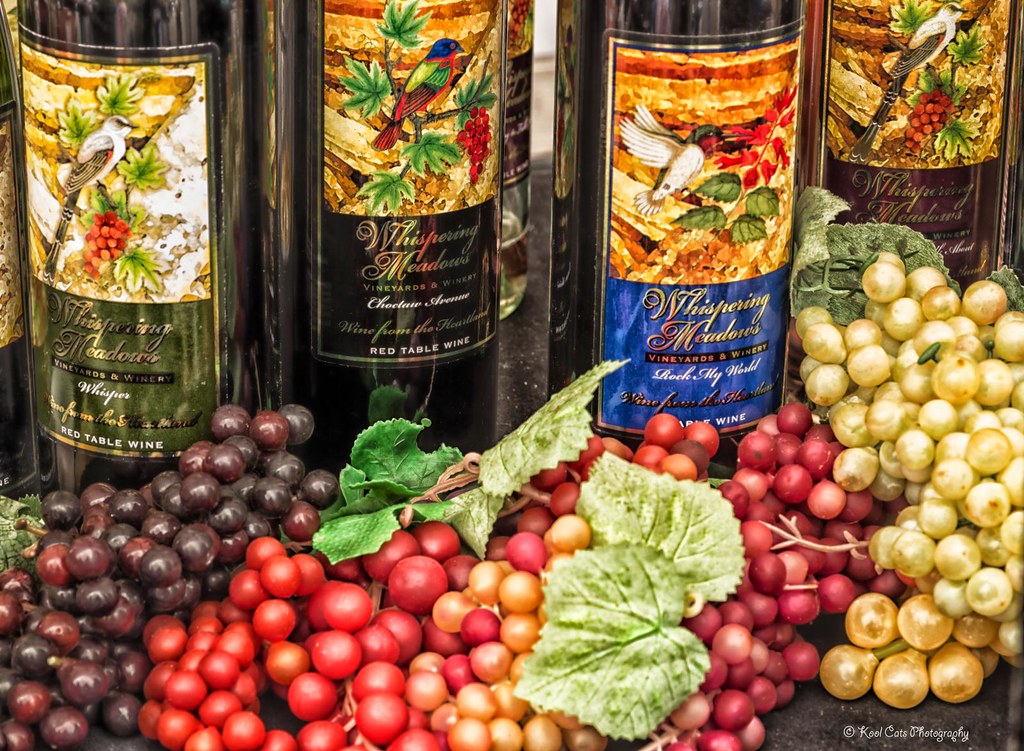 Bolivia
When I think of an easy, crowd-pleasing thing to bring back from Bolivia, singani grape spirit is a good pick because it does not need much explanation when you hand it over. For alcohol, I would only bring this back if it is sealed properly and comfortably within the UK allowance; otherwise it is better as a UK-buy link. I would rate it higher when it is locally made, clearly labelled and easy to use at home, and lower when it is just tourist packaging.
 South Korea
Korean distilled drink, often sold plain or in fruit flavours.
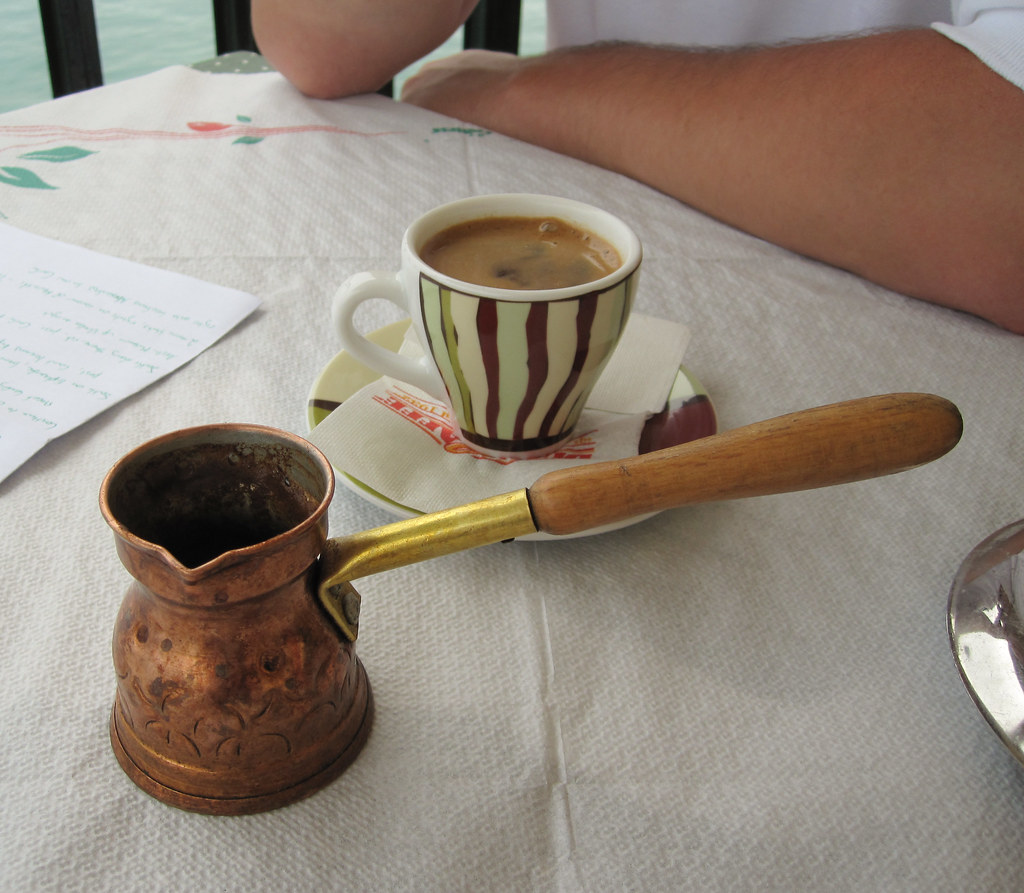 Greece
Spoon sweets is worth adding because it feels like something you actually noticed while travelling through Greece, rather than a generic souvenir. Look for a boxed version with a decent date on it, especially if you are buying it near the start of the trip rather than at the airport. The ideal version is modestly priced, not too bulky, and good enough that you would buy it again even without the holiday memory.
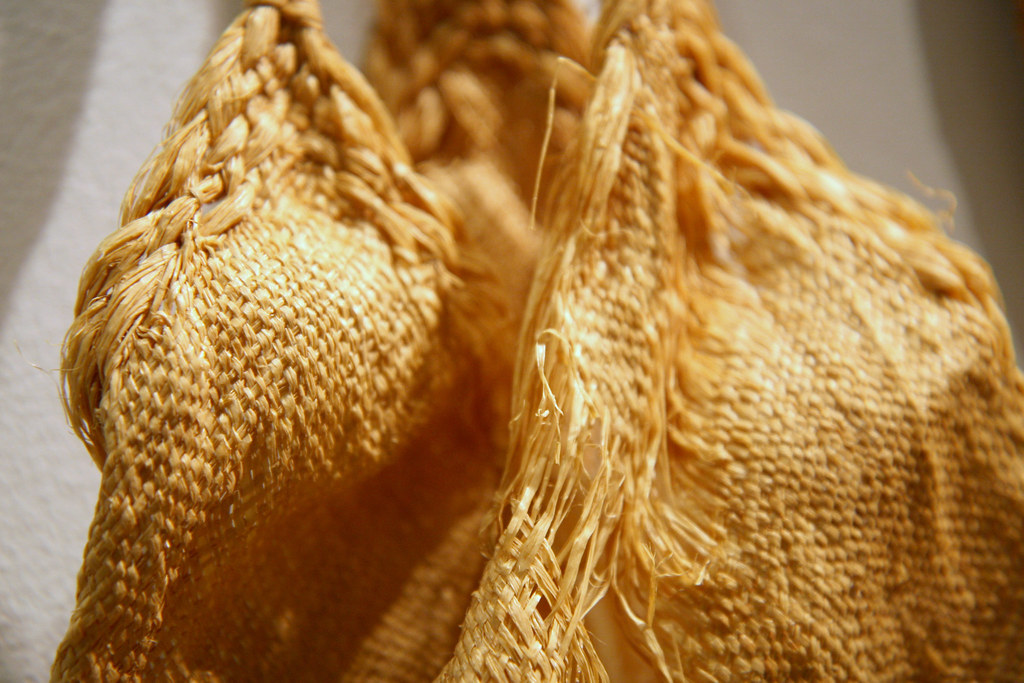 Bahamas
When I think of an easy, crowd-pleasing thing to bring back from Bahamas, straw market woven bag is a good pick because it does not need much explanation when you hand it over. The trick is to choose the simple, well-made version. Small craft items look better on a shelf when they are not too shiny or mass-produced. I would rate it higher when it is locally made, clearly labelled and easy to use at home, and lower when it is just tourist packaging.
This is exactly the sort of thing I like bringing back from Sweden: small enough to fit in a bag, but specific enough to remind you where you bought it. Biscuits and dry breads are good because they survive the journey and are easy to share at work or with family. It is also the kind of thing you can talk about when someone asks what you brought back, because there is usually a little story attached to where you found it.
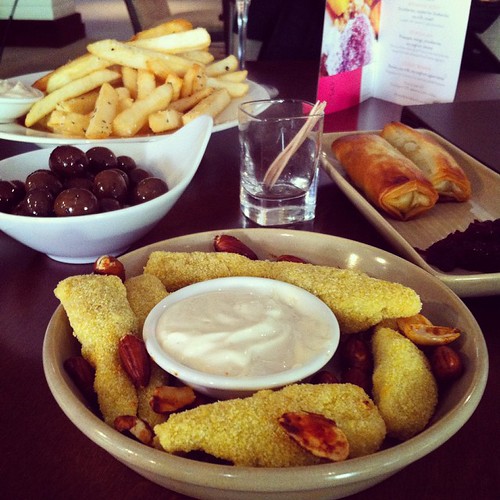 Indonesia
Tempeh chips is worth adding because it feels like something you actually noticed while travelling through Indonesia, rather than a generic souvenir. I would buy a couple of packets: one to open while travelling and one to bring home unopened, because snacks have a habit of disappearing before the flight. The ideal version is modestly priced, not too bulky, and good enough that you would buy it again even without the holiday memory.
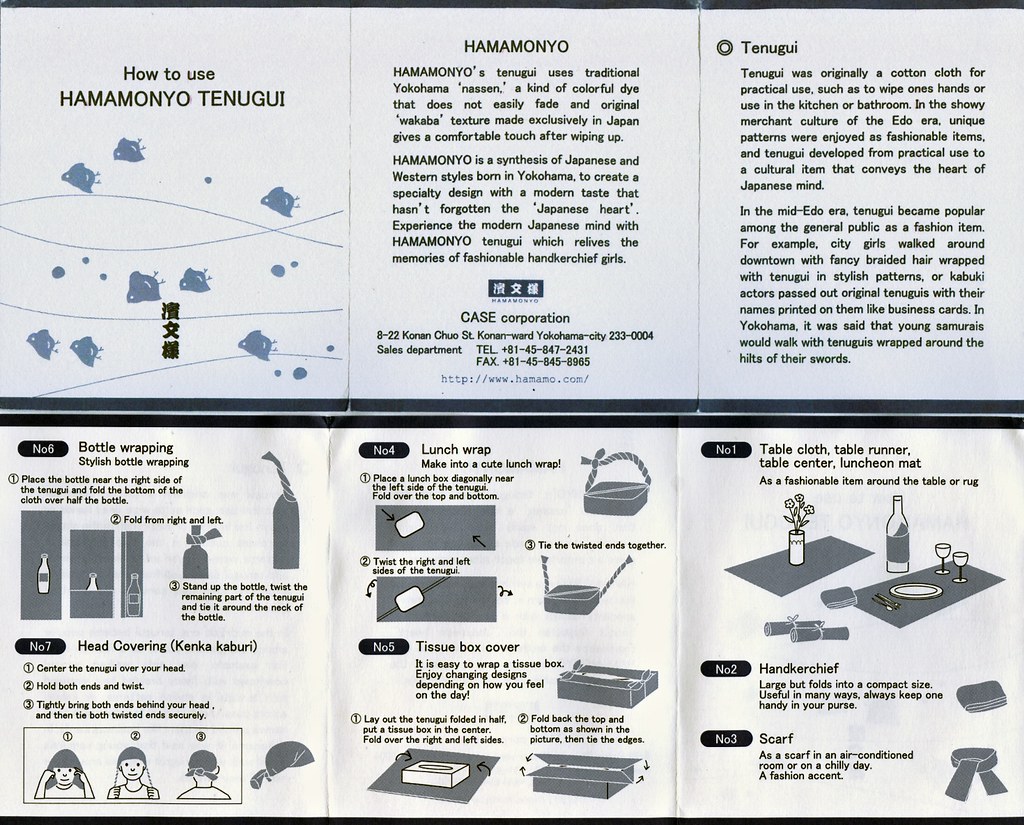 Japan
Japan
Thin cotton hand towel with traditional prints, useful as wrapping or décor.
Fragrant incense traditionally used in Senegalese homes and clothing.
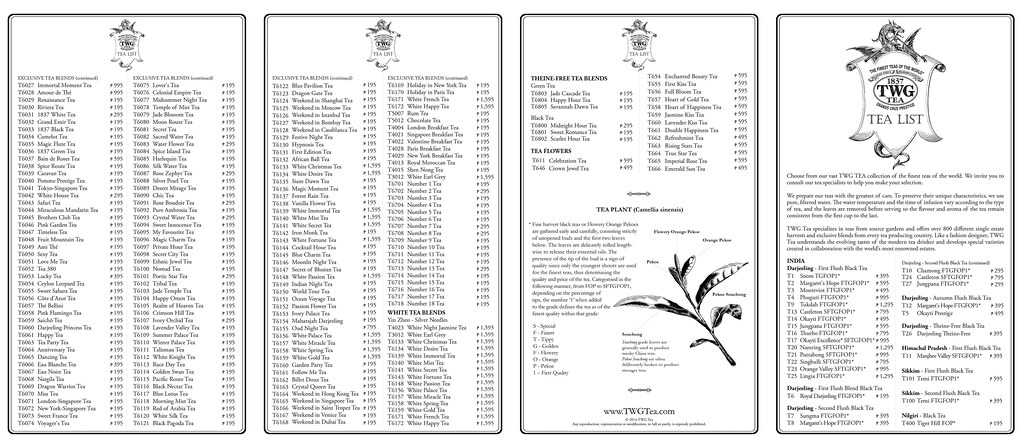 Singapore
TWG tea tin is worth adding because it feels like something you actually noticed while travelling through Singapore, rather than a generic souvenir. It is a good one because people can try it slowly at home, and it makes a nicer gift than a mug with a place name printed on it. The ideal version is modestly priced, not too bulky, and good enough that you would buy it again even without the holiday memory.
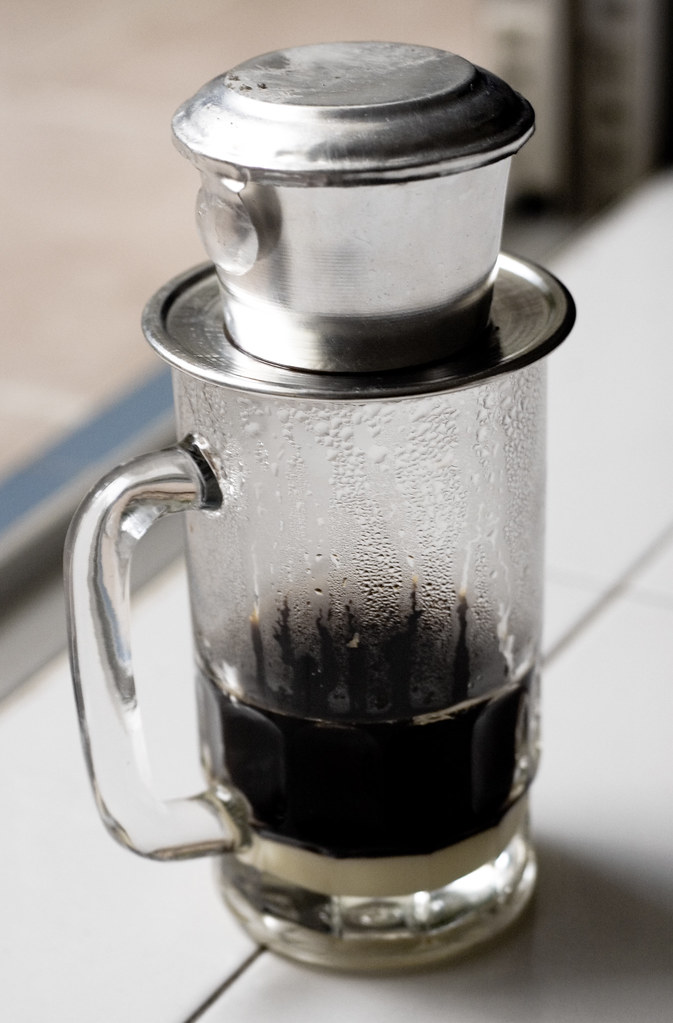 Vietnam
Metal drip filter used to make strong Vietnamese coffee with condensed milk.
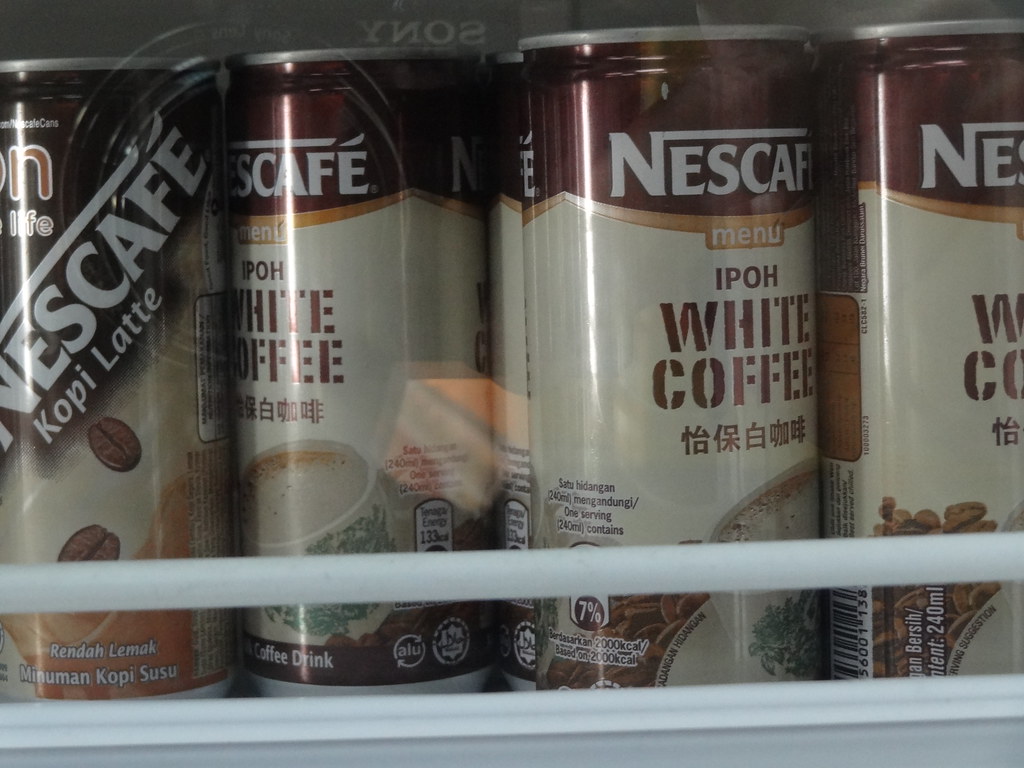 Malaysia
Ipoh-style instant coffee with a creamy roasted flavour.
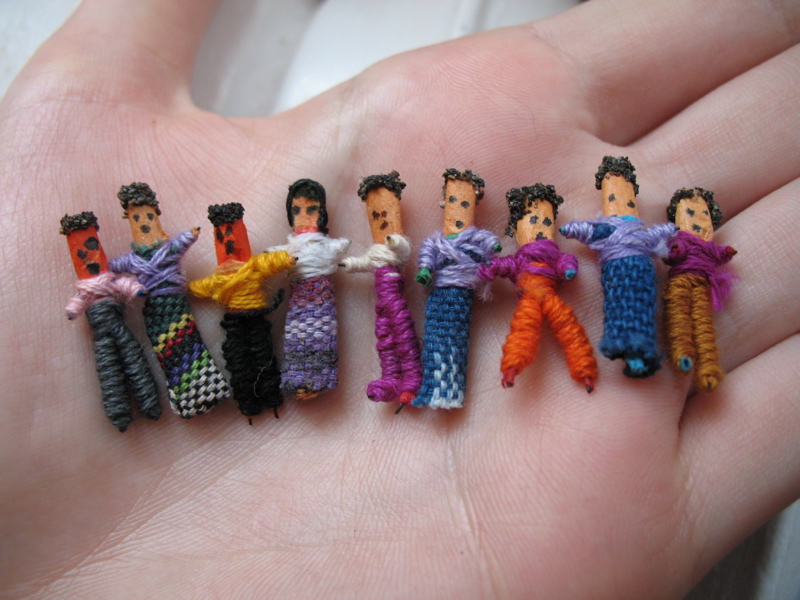 Guatemala
Tiny handmade dolls traditionally placed under a pillow to carry worries away.
 Nigeria
Zobo hibiscus drink mix is worth adding because it feels like something you actually noticed while travelling through Nigeria, rather than a generic souvenir. For drinks, I would bring a can or bottle for curiosity rather than fill a suitcase with it. The ideal version is modestly priced, not too bulky, and good enough that you would buy it again even without the holiday memory.
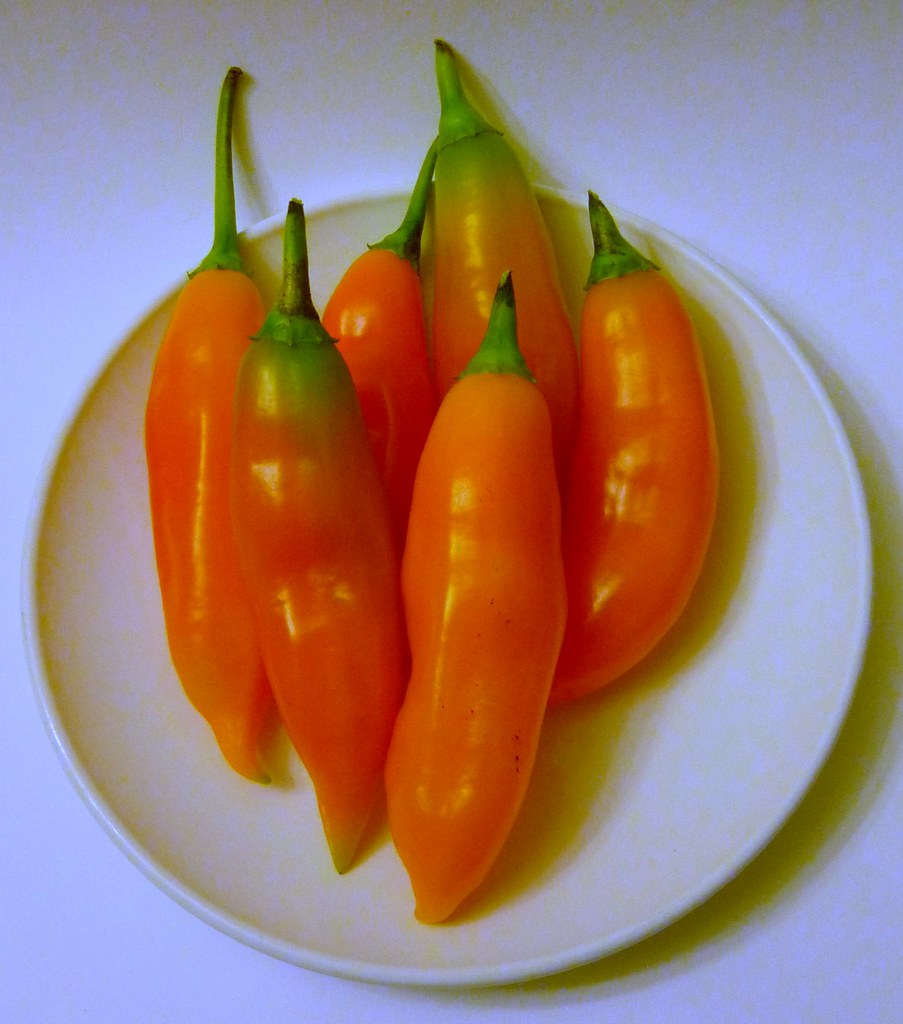 Bolivia
Ají amarillo paste is worth adding because it feels like something you actually noticed while travelling through Bolivia, rather than a generic souvenir. The best version is usually the sealed jar, tin or packet from a normal supermarket, spice stall or food hall, not the most expensive tourist version. The ideal version is modestly priced, not too bulky, and good enough that you would buy it again even without the holiday memory.
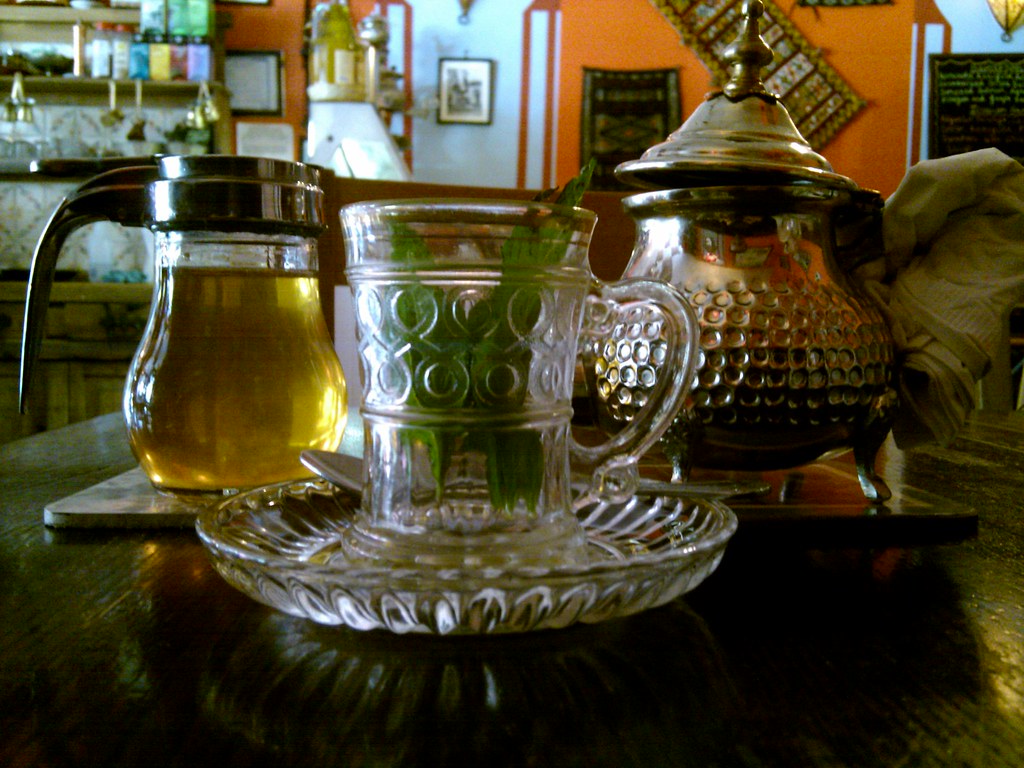 Algeria
When I think of an easy, crowd-pleasing thing to bring back from Algeria, Algerian mint tea is a good pick because it does not need much explanation when you hand it over. It is a good one because people can try it slowly at home, and it makes a nicer gift than a mug with a place name printed on it. I would rate it higher when it is locally made, clearly labelled and easy to use at home, and lower when it is just tourist packaging.
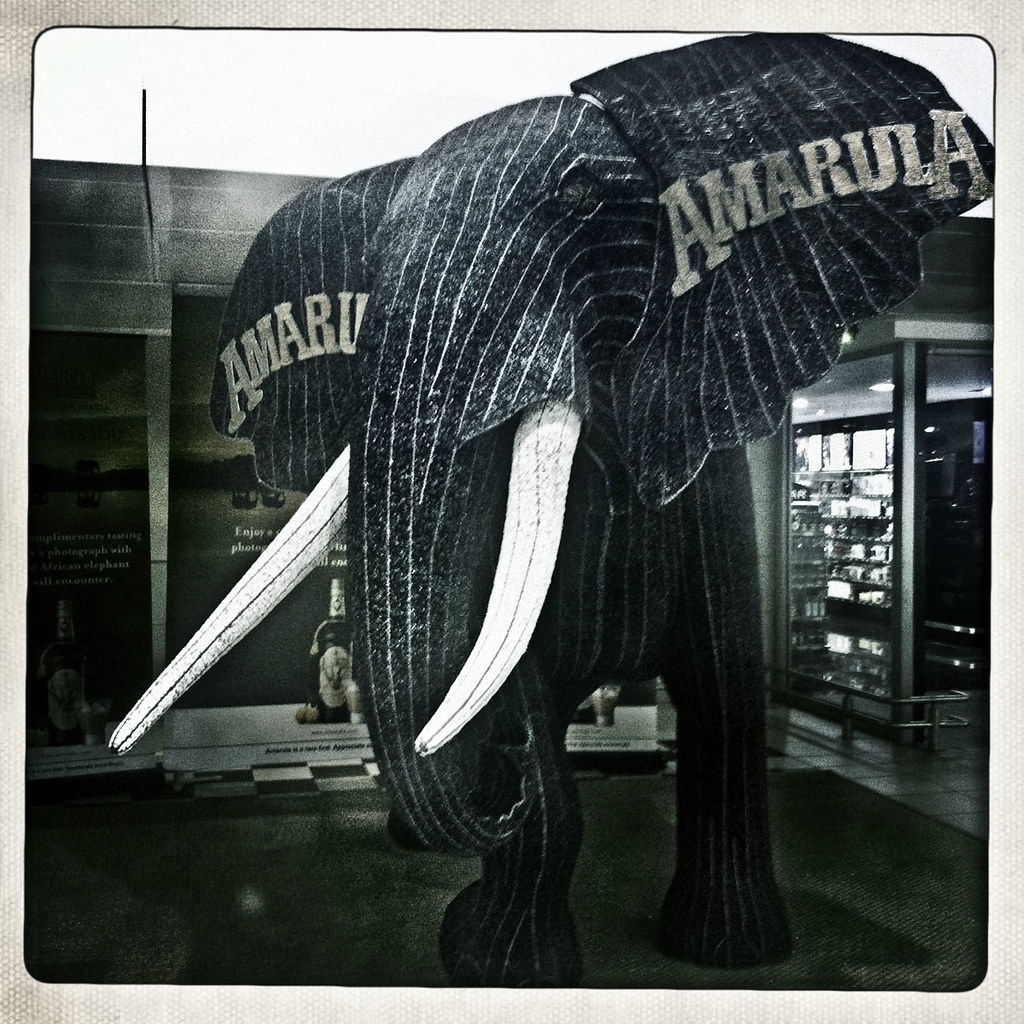 South Africa
Cream liqueur made with marula fruit, popular as a dessert drink.
 Bahamas
Bahamian hot sauce is worth adding because it feels like something you actually noticed while travelling through Bahamas, rather than a generic souvenir. The best version is usually the sealed jar, tin or packet from a normal supermarket, spice stall or food hall, not the most expensive tourist version. The ideal version is modestly priced, not too bulky, and good enough that you would buy it again even without the holiday memory.
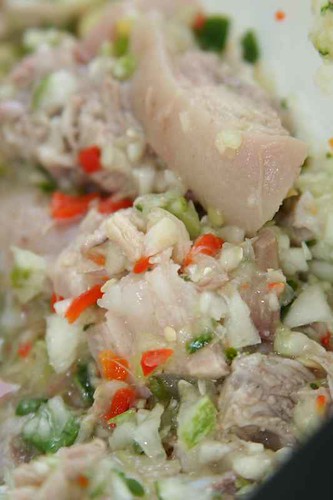 Barbados
Mustard-based Scotch bonnet pepper sauce from Barbados.
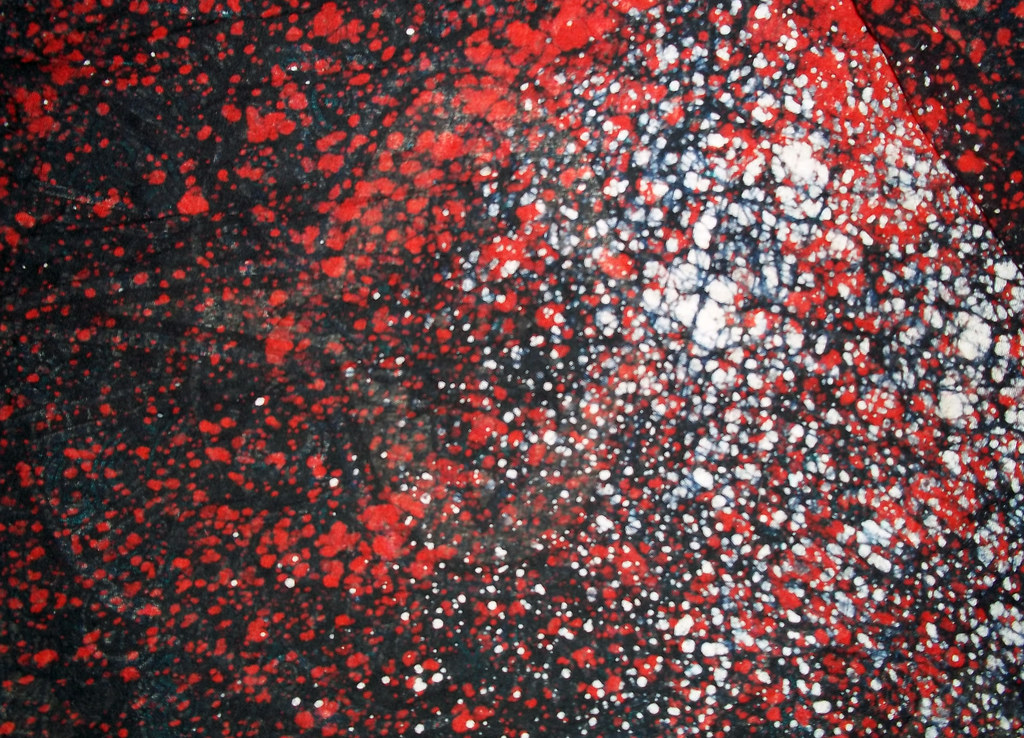 Brunei
Patterned cloth used for shirts, scarves and homeware.
 Belize
Cacao nibs or chocolate from Belize’s cacao-growing regions.
 Brunei
This is exactly the sort of thing I like bringing back from Brunei: small enough to fit in a bag, but specific enough to remind you where you bought it. Look for a boxed version with a decent date on it, especially if you are buying it near the start of the trip rather than at the airport. It is also the kind of thing you can talk about when someone asks what you brought back, because there is usually a little story attached to where you found it.
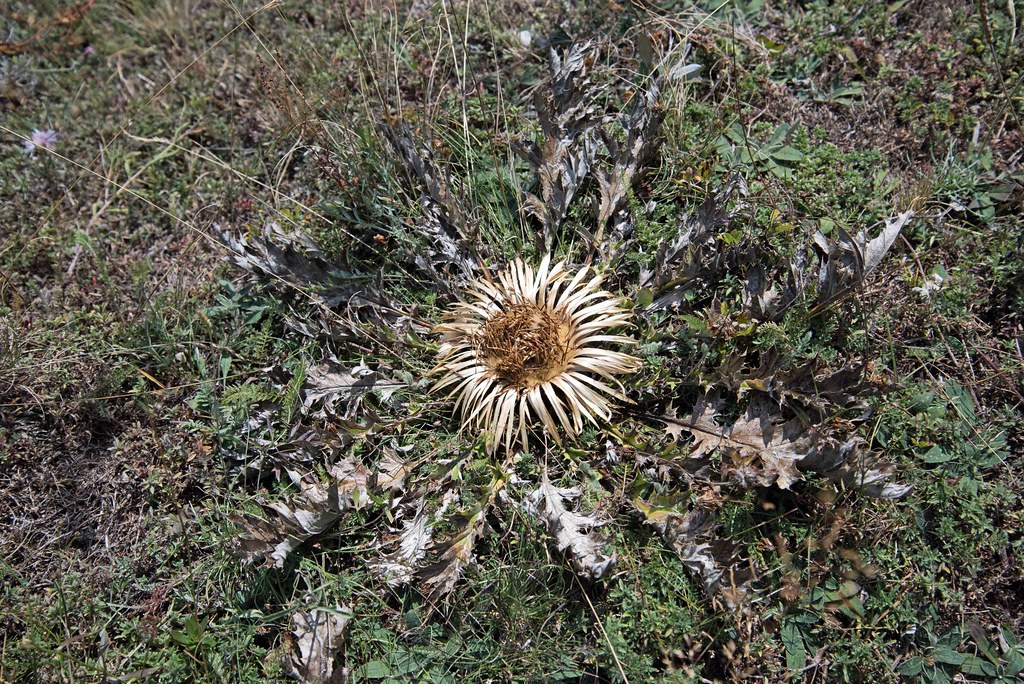 Bulgaria
Bulgarian yoghurt starter is worth adding because it feels like something you actually noticed while travelling through Bulgaria, rather than a generic souvenir. This is more of a buy-in-the-UK idea now unless current food rules clearly allow it. It still belongs in the database because people search for it after tasting it abroad. The ideal version is modestly priced, not too bulky, and good enough that you would buy it again even without the holiday memory.
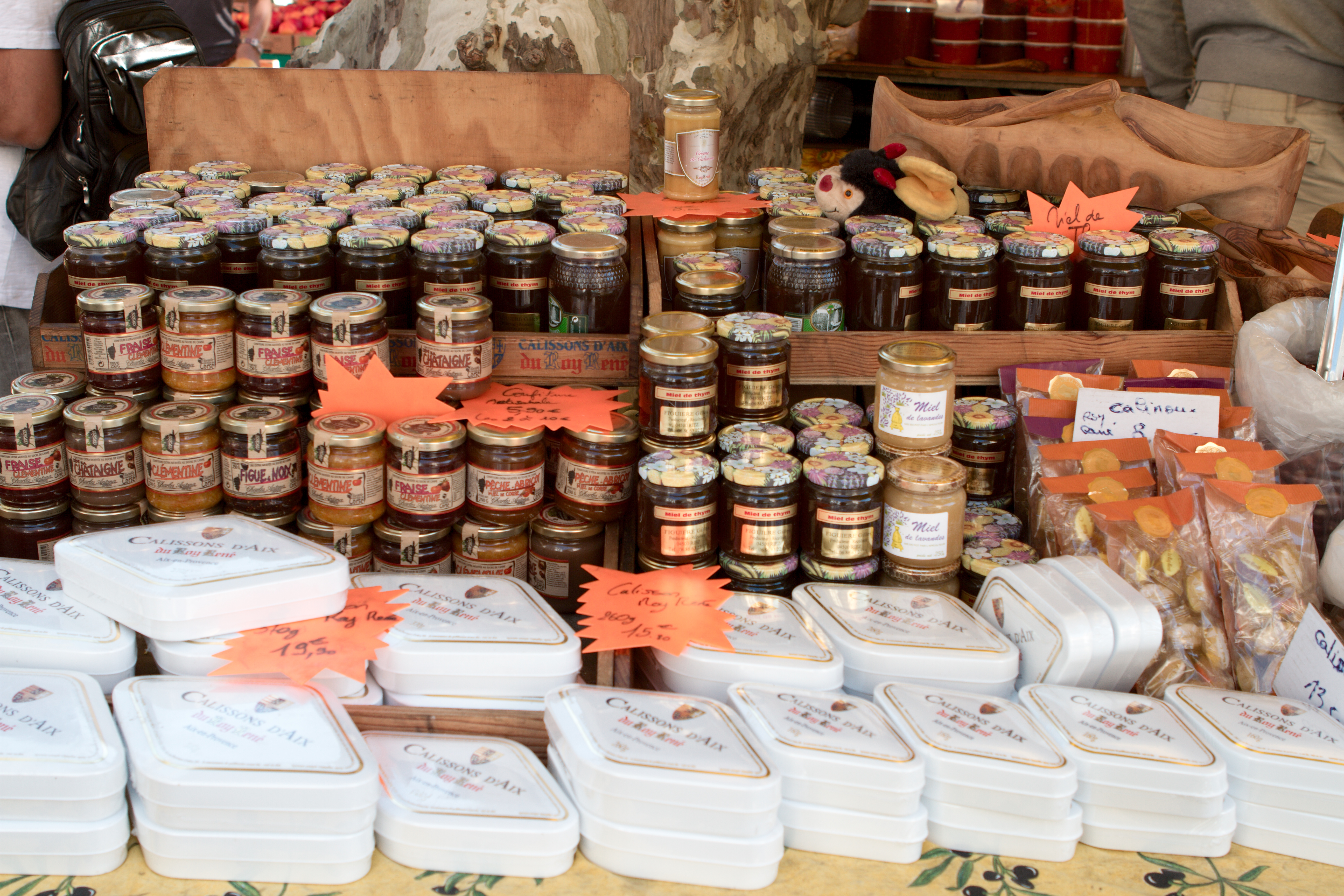 France
Almond and candied melon sweets from Aix-en-Provence with a royal icing top.
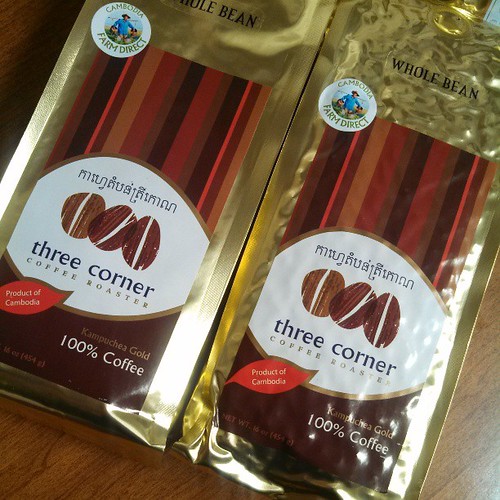 Cambodia
Cambodian coffee beans is worth adding because it feels like something you actually noticed while travelling through Cambodia, rather than a generic souvenir. It is a good one because people can try it slowly at home, and it makes a nicer gift than a mug with a place name printed on it. The ideal version is modestly priced, not too bulky, and good enough that you would buy it again even without the holiday memory.
 Belarus
Tart berry drink popular across Belarus and Eastern Europe.
 Jordan
Mineral-rich mud skincare product associated with the Dead Sea region.
 Netherlands
This is exactly the sort of thing I like bringing back from Netherlands: small enough to fit in a bag, but specific enough to remind you where you bought it. I would buy a couple of packets: one to open while travelling and one to bring home unopened, because snacks have a habit of disappearing before the flight. It is also the kind of thing you can talk about when someone asks what you brought back, because there is usually a little story attached to where you found it.
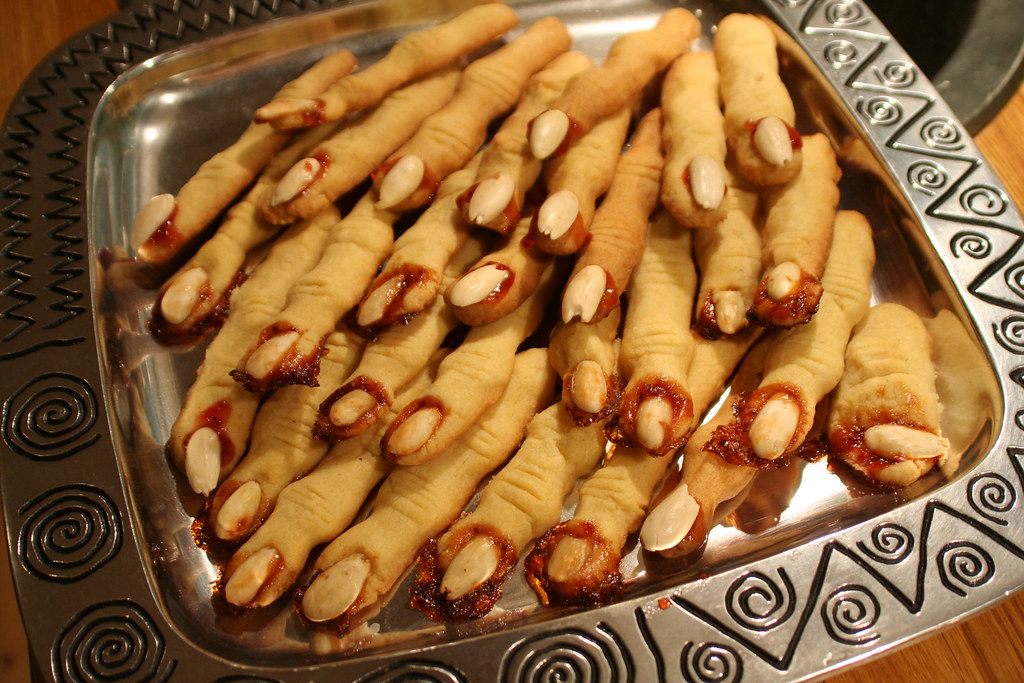 Hong Kong SAR China
Crisp rolled wafers popular as gifts during holidays.
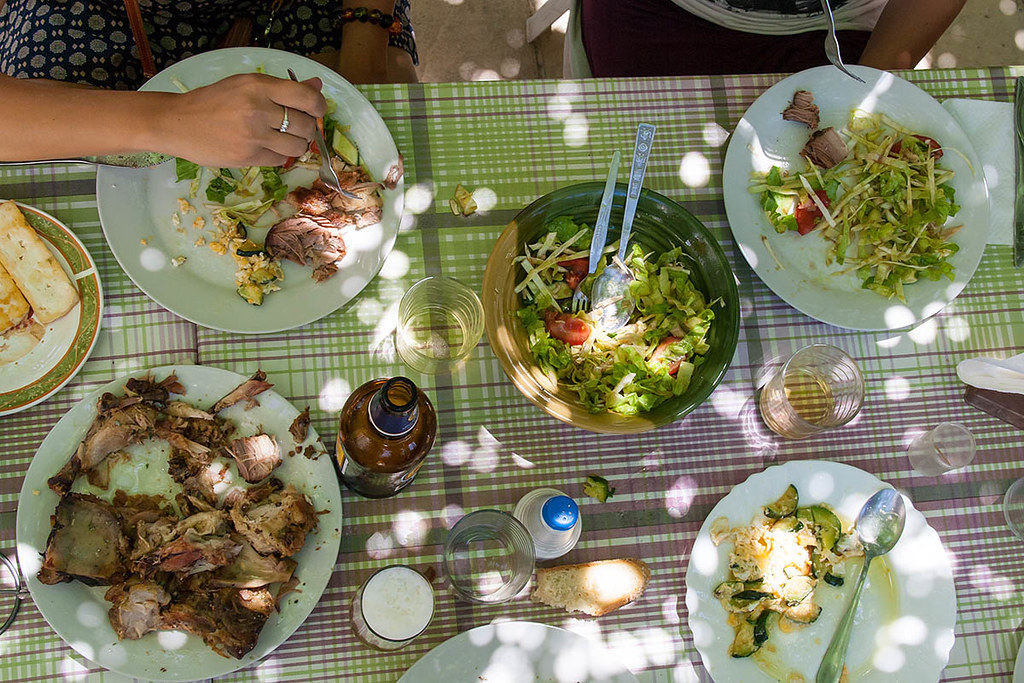 Cyprus
Firm brined cheese that grills without melting; famous Cypriot export.
 Ethiopia
When I think of an easy, crowd-pleasing thing to bring back from Ethiopia, injera flour mix is a good pick because it does not need much explanation when you hand it over. The best version is usually the sealed jar, tin or packet from a normal supermarket, spice stall or food hall, not the most expensive tourist version. I would rate it higher when it is locally made, clearly labelled and easy to use at home, and lower when it is just tourist packaging.
 Ireland
This is exactly the sort of thing I like bringing back from Ireland: small enough to fit in a bag, but specific enough to remind you where you bought it. Biscuits and dry breads are good because they survive the journey and are easy to share at work or with family. It is also the kind of thing you can talk about when someone asks what you brought back, because there is usually a little story attached to where you found it.
 Namibia
Mineral salt associated with desert regions of southern Africa.
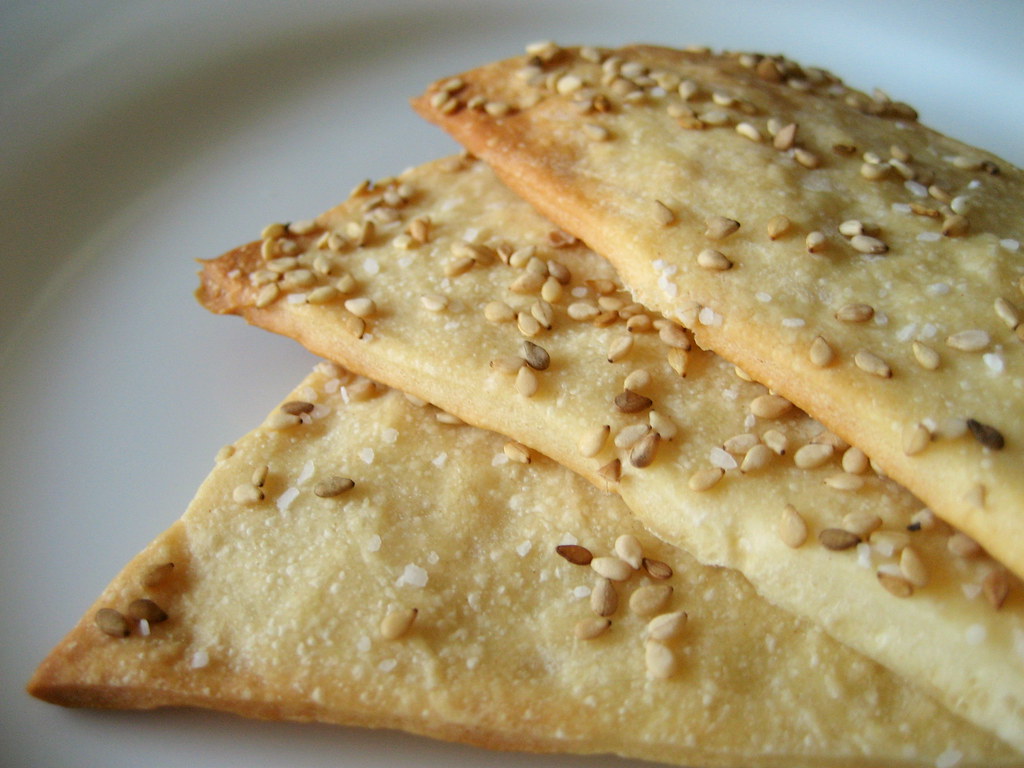 Armenia
When I think of an easy, crowd-pleasing thing to bring back from Armenia, lavash crackers is a good pick because it does not need much explanation when you hand it over. Biscuits and dry breads are good because they survive the journey and are easy to share at work or with family. I would rate it higher when it is locally made, clearly labelled and easy to use at home, and lower when it is just tourist packaging.
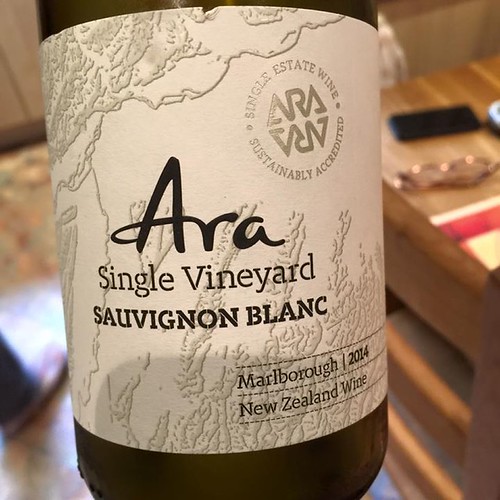 New Zealand
Crisp, aromatic white wine with citrus and tropical notes.
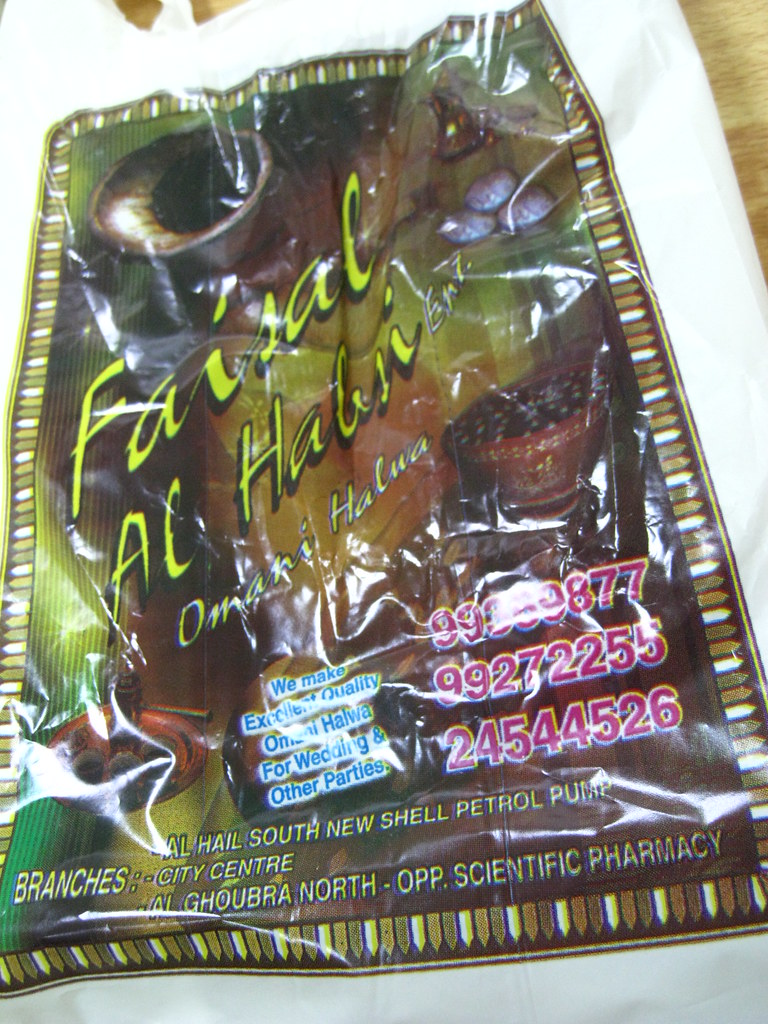 Oman
Oman
Sticky spiced sweet made with sugar, ghee, rosewater and nuts.
 Egypt
Egypt
Decorative papyrus-style prints showing Egyptian scenes or hieroglyphics.
Pryaniki gingerbread is worth adding because it feels like something you actually noticed while travelling through Russia, rather than a generic souvenir. Biscuits and dry breads are good because they survive the journey and are easy to share at work or with family. The ideal version is modestly priced, not too bulky, and good enough that you would buy it again even without the holiday memory.
 El Salvador
Corn masa mix used for Salvadoran stuffed pupusas.
 Luxembourg
Plum jam inspired by Luxembourg’s quetsch plum tradition.
 Madagascar
Raffia tote or basket bag inspired by Malagasy weaving traditions.
 Rwanda
Bright, clean speciality coffee from Rwanda’s highlands.
 Japan
Japan
Japanese rice-based alcoholic drink, served chilled or warm depending on style.
 Mongolia
Tangy orange berry drink common in Mongolia and Central Asia.
 Zimbabwe
Small modern stone carving inspired by Zimbabwe’s Shona sculpture tradition.
 Ukraine
Cooking oil strongly associated with Ukraine’s sunflower production.
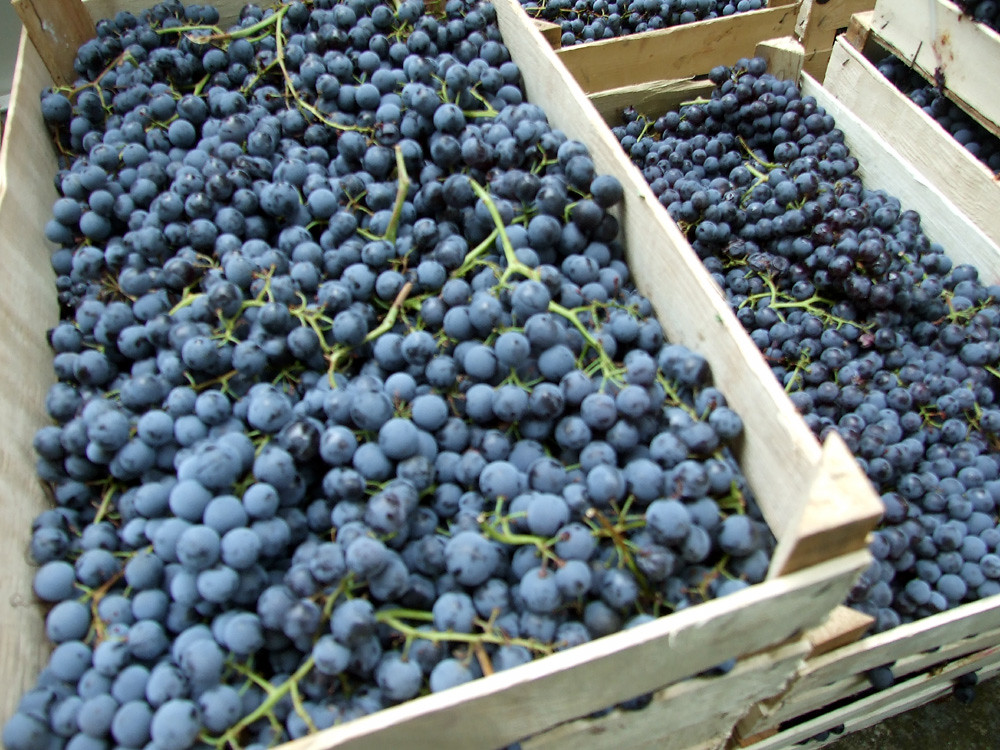 Montenegro
Balkan red wine made from the Vranac grape.
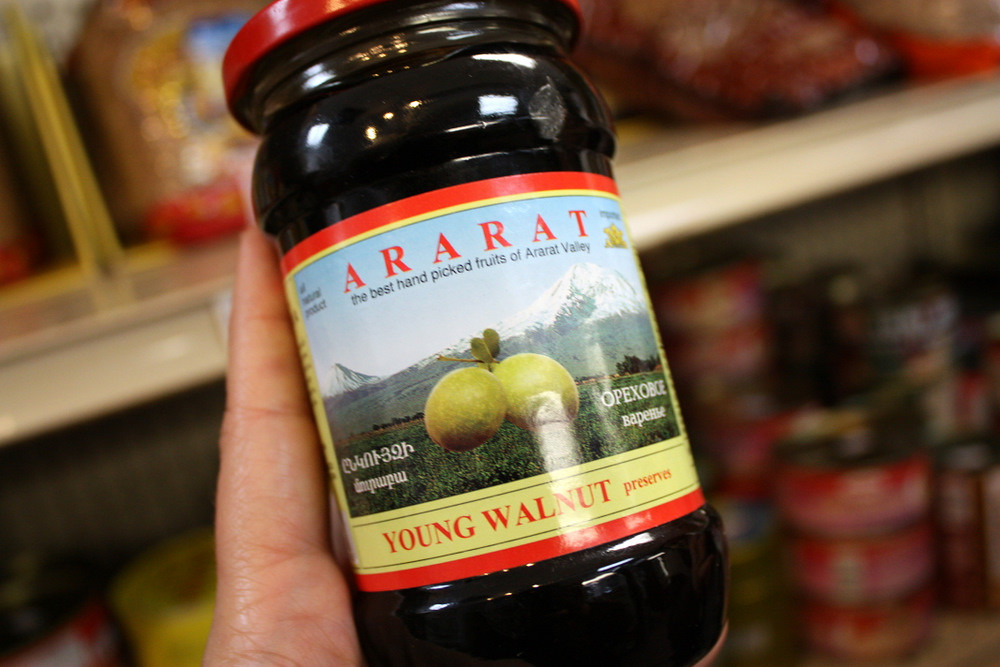 Moldova
Sweet green walnut preserve found in Moldova and the Caucasus.
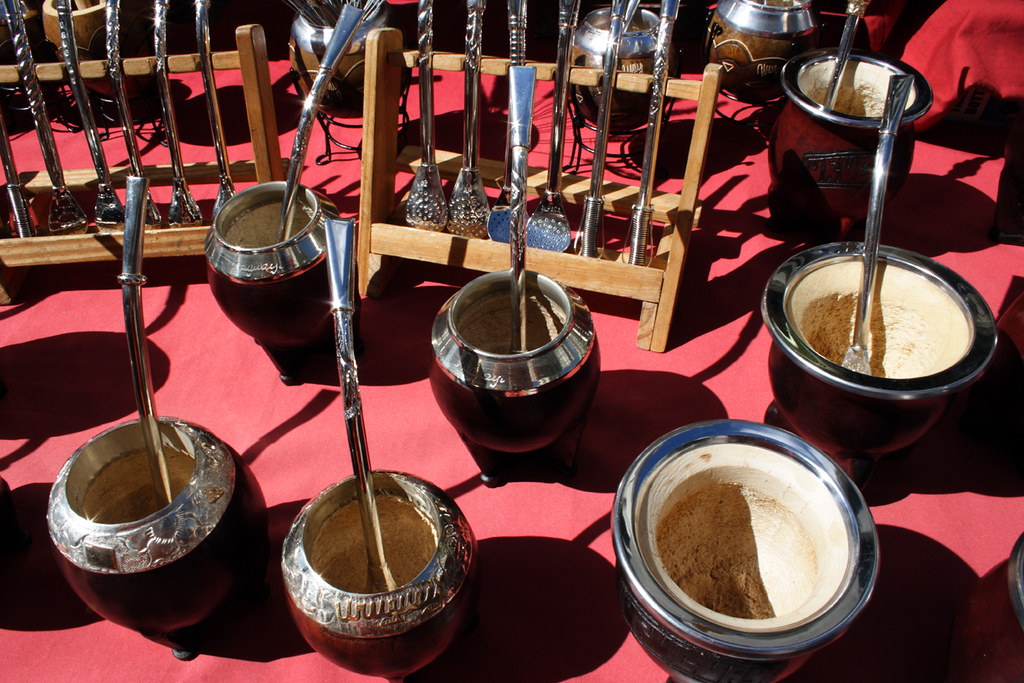 Paraguay
Mate tea leaves for tereré, often served cold in Paraguay.
 Zambia
Coffee beans from Zambia’s northern highlands.
 Rwanda
Traditional woven peace basket, often brightly patterned.
 Colombia
When I think of an easy, crowd-pleasing thing to bring back from Colombia, ajiaco spice mix is a good pick because it does not need much explanation when you hand it over. The best version is usually the sealed jar, tin or packet from a normal supermarket, spice stall or food hall, not the most expensive tourist version. I would rate it higher when it is locally made, clearly labelled and easy to use at home, and lower when it is just tourist packaging.
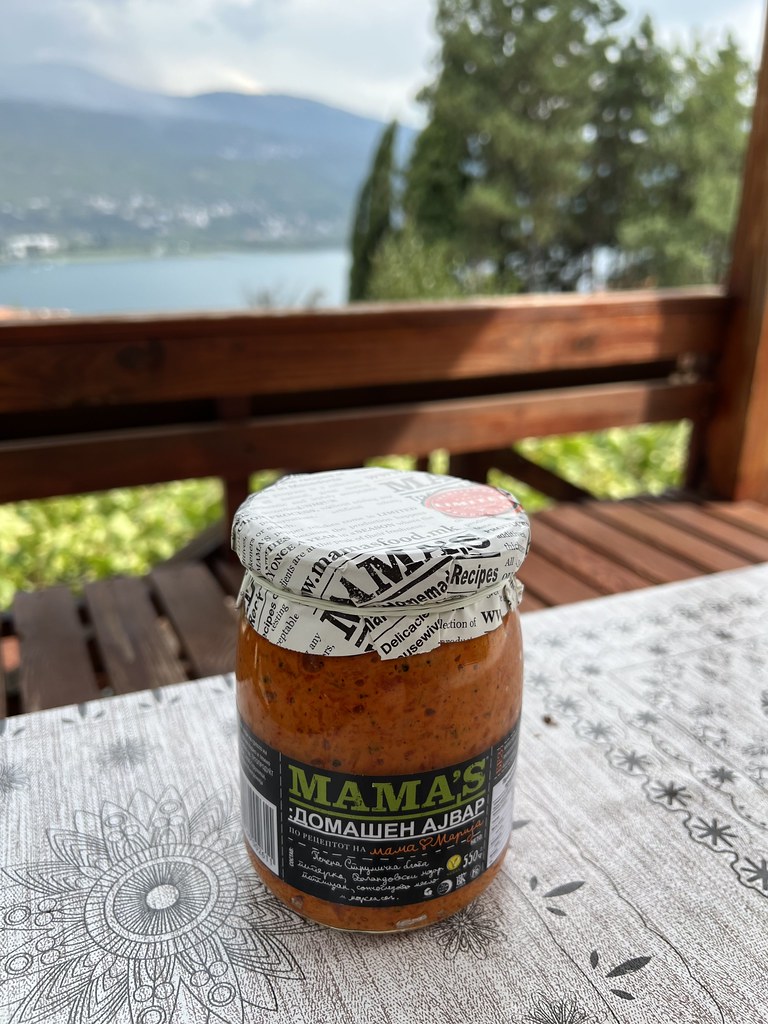 Macedonia
Roasted pepper relish, often eaten with bread and cheese.
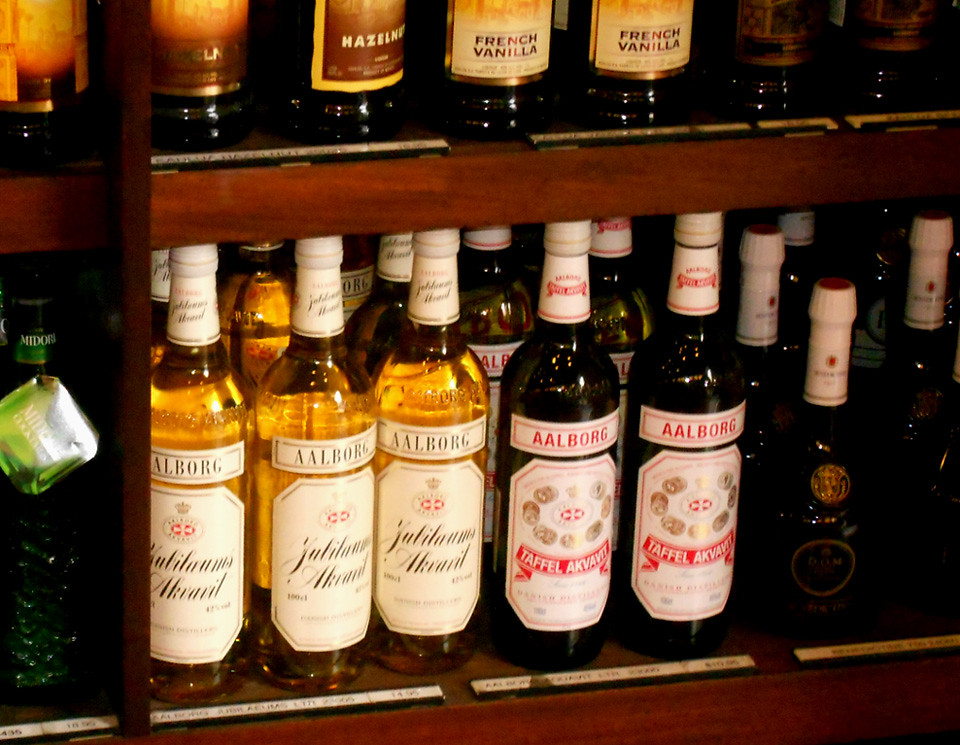 Denmark
Akvavit bottle is worth adding because it feels like something you actually noticed while travelling through Denmark, rather than a generic souvenir. For alcohol, I would only bring this back if it is sealed properly and comfortably within the UK allowance; otherwise it is better as a UK-buy link. The ideal version is modestly priced, not too bulky, and good enough that you would buy it again even without the holiday memory.
 Brunei
I would put Ambuyat sago pearls on the list for Brunei because it is the kind of thing that feels useful once you are home, not just another airport purchase. The best version is usually the sealed jar, tin or packet from a normal supermarket, spice stall or food hall, not the most expensive tourist version. The reason it works is that it gives you a quick reminder of the trip without needing to keep a fragile ornament safe forever.
 Nigeria
Colourful wax-print fabric used for shirts, dresses and accessories.
 Norway
Aquavit bottle is worth adding because it feels like something you actually noticed while travelling through Norway, rather than a generic souvenir. For alcohol, I would only bring this back if it is sealed properly and comfortably within the UK allowance; otherwise it is better as a UK-buy link. The ideal version is modestly priced, not too bulky, and good enough that you would buy it again even without the holiday memory.
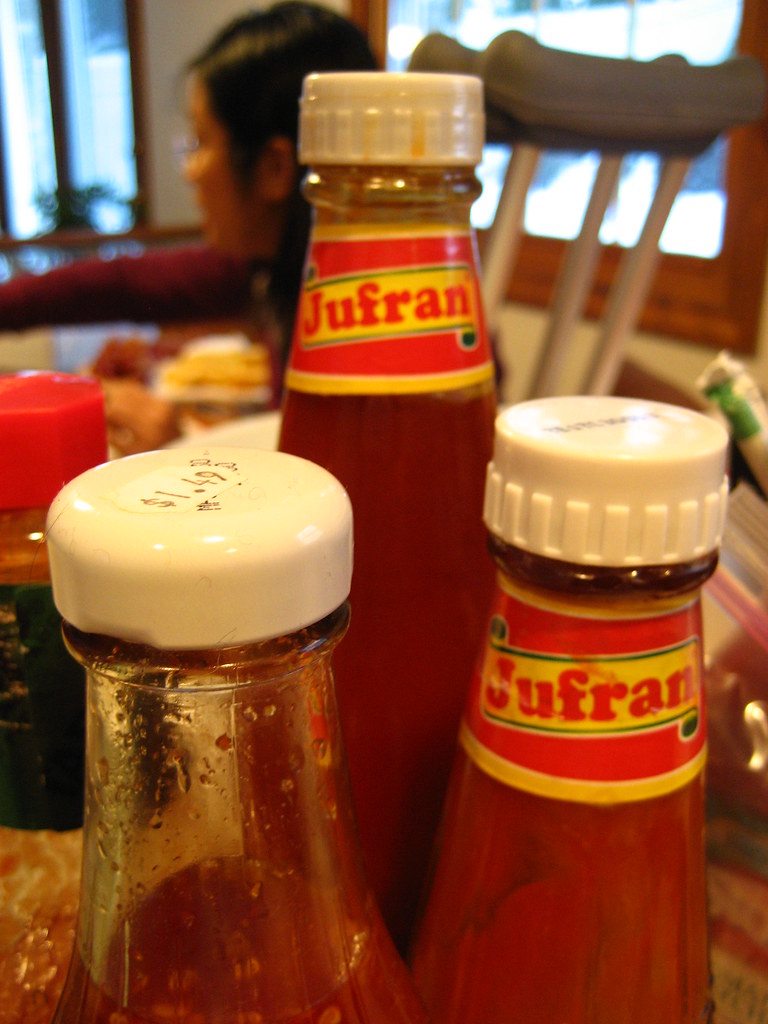 Philippines
When I think of an easy, crowd-pleasing thing to bring back from Philippines, banana ketchup is a good pick because it does not need much explanation when you hand it over. The best version is usually the sealed jar, tin or packet from a normal supermarket, spice stall or food hall, not the most expensive tourist version. I would rate it higher when it is locally made, clearly labelled and easy to use at home, and lower when it is just tourist packaging.
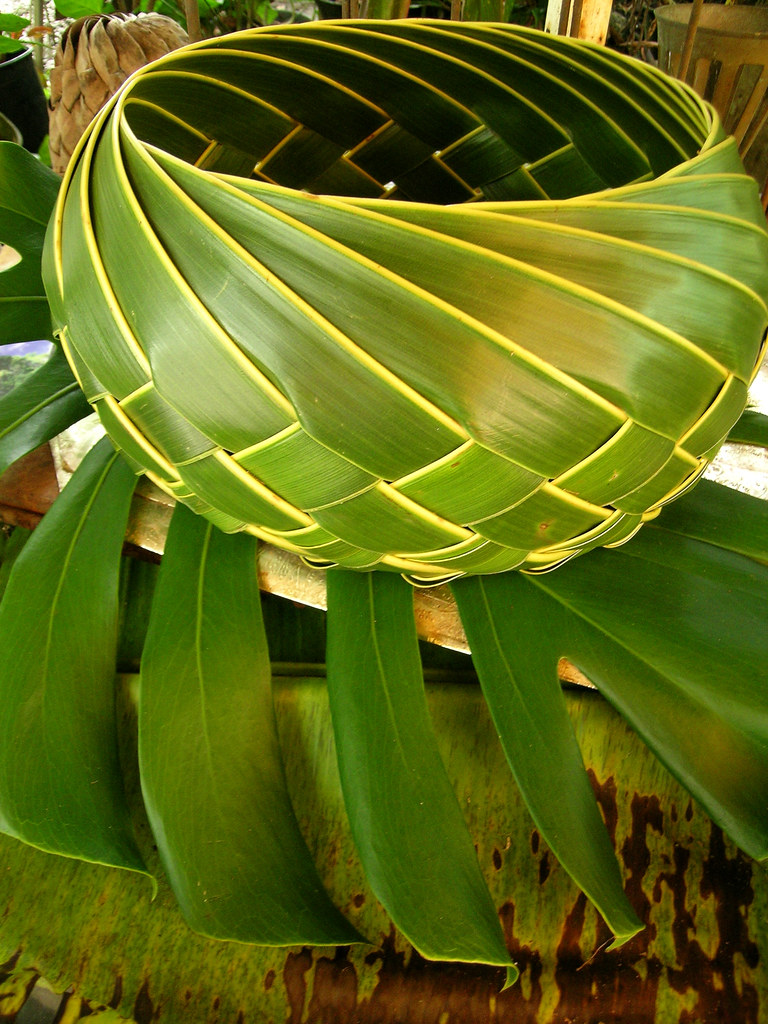 Botswana
Woven basket inspired by Botswana’s craft traditions.
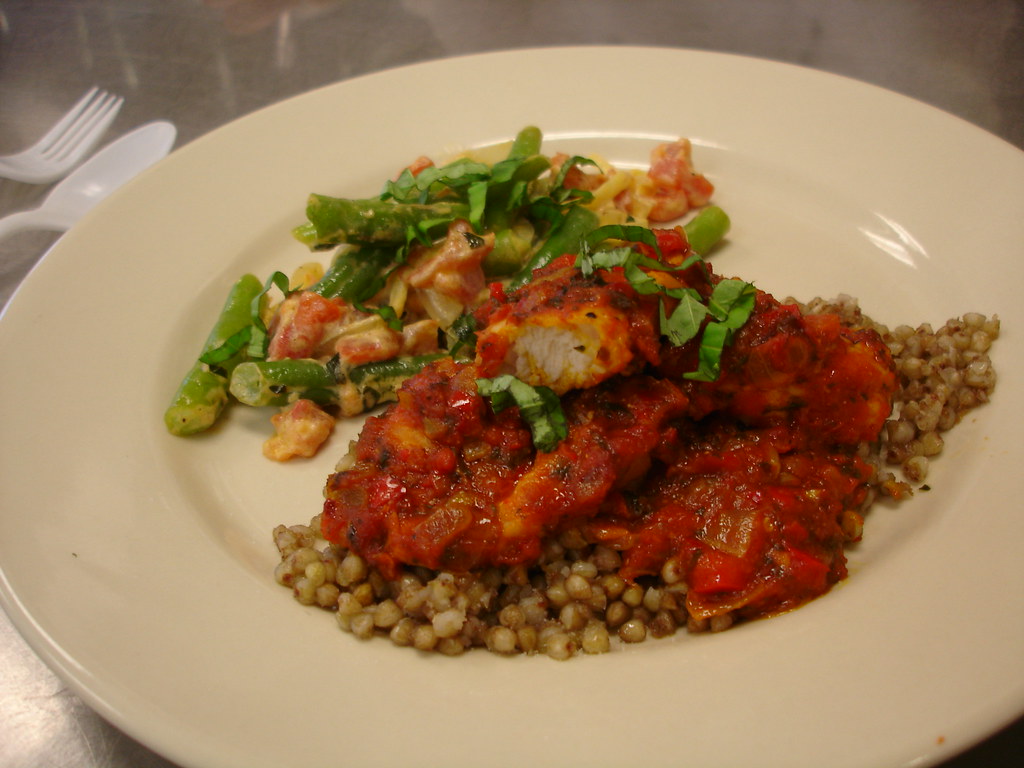 Russia
When I think of an easy, crowd-pleasing thing to bring back from Russia, buckwheat groats is a good pick because it does not need much explanation when you hand it over. Grains, pasta and rice are not glamorous, but they are useful, cheap and often taste different from the UK supermarket version. I would rate it higher when it is locally made, clearly labelled and easy to use at home, and lower when it is just tourist packaging.
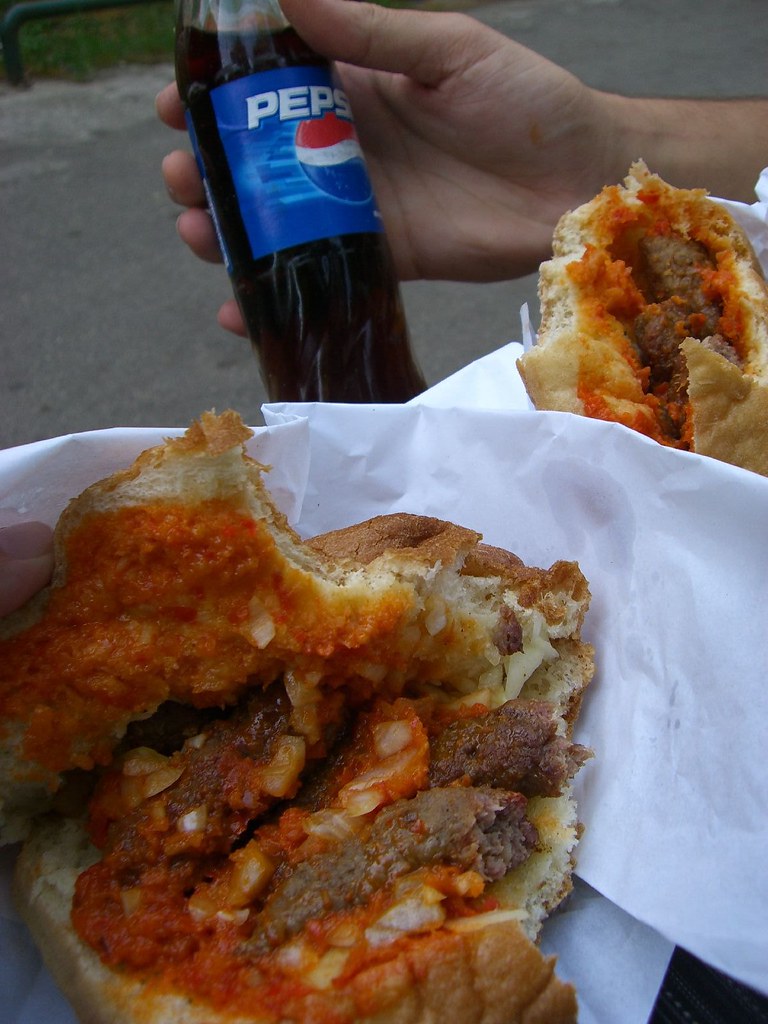 Bosnia & Herzegovina
When I think of an easy, crowd-pleasing thing to bring back from Bosnia and Herzegovina, ćevapi seasoning is a good pick because it does not need much explanation when you hand it over. The best version is usually the sealed jar, tin or packet from a normal supermarket, spice stall or food hall, not the most expensive tourist version. I would rate it higher when it is locally made, clearly labelled and easy to use at home, and lower when it is just tourist packaging.
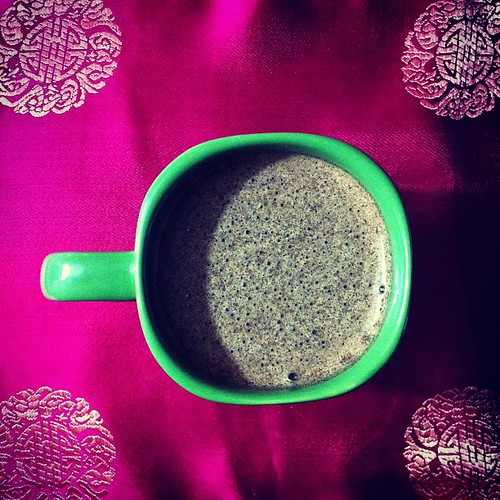 Bhutan
This is exactly the sort of thing I like bringing back from Bhutan: small enough to fit in a bag, but specific enough to remind you where you bought it. It is a good one because people can try it slowly at home, and it makes a nicer gift than a mug with a place name printed on it. It is also the kind of thing you can talk about when someone asks what you brought back, because there is usually a little story attached to where you found it.
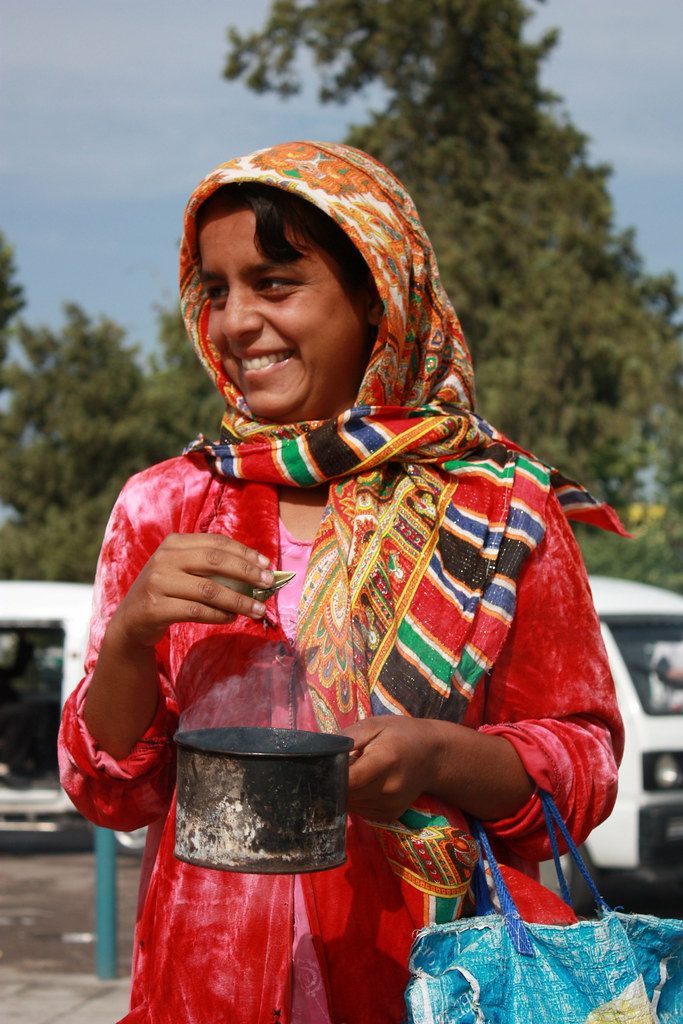 Greece
Blue glass charm used across Greece as a symbolic protection gift.
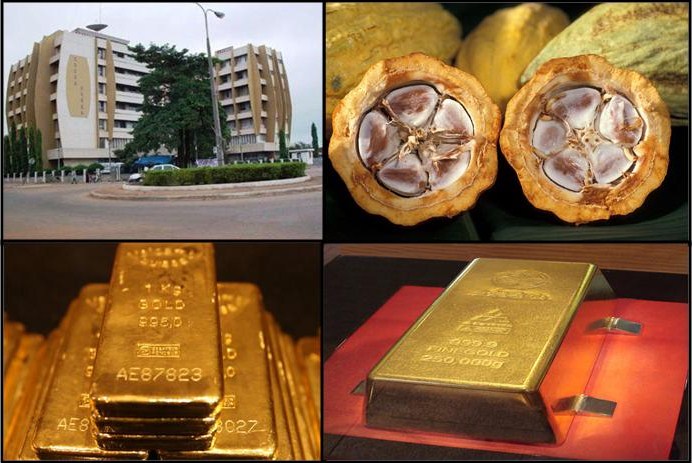 Ghana
Ghana
Roasted cocoa nibs from Ghana, good for baking or sprinkling on yoghurt.
 Albania
When I think of an easy, crowd-pleasing thing to bring back from Albania, gliko preserved fruit is a good pick because it does not need much explanation when you hand it over. Look for a boxed version with a decent date on it, especially if you are buying it near the start of the trip rather than at the airport. I would rate it higher when it is locally made, clearly labelled and easy to use at home, and lower when it is just tourist packaging.
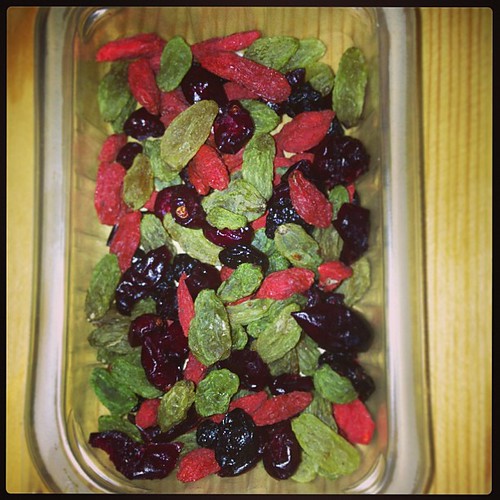 Afghanistan
When I think of an easy, crowd-pleasing thing to bring back from Afghanistan, green raisins is a good pick because it does not need much explanation when you hand it over. I would buy a couple of packets: one to open while travelling and one to bring home unopened, because snacks have a habit of disappearing before the flight. I would rate it higher when it is locally made, clearly labelled and easy to use at home, and lower when it is just tourist packaging.
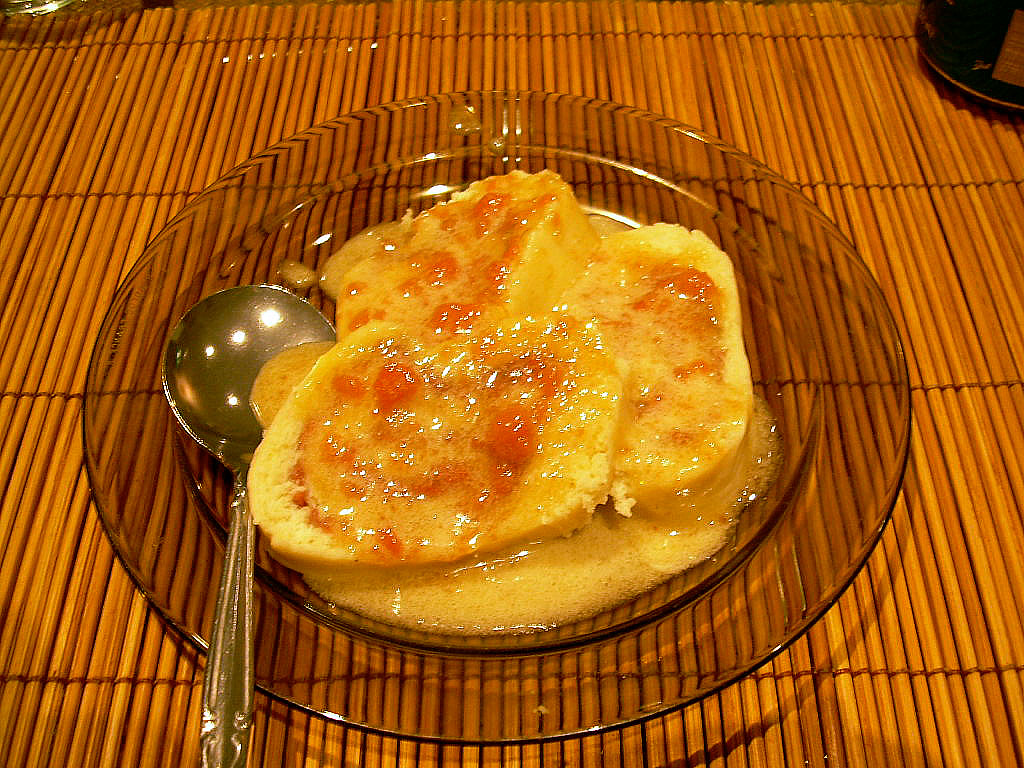 Bahamas
This is exactly the sort of thing I like bringing back from Bahamas: small enough to fit in a bag, but specific enough to remind you where you bought it. The best version is usually the sealed jar, tin or packet from a normal supermarket, spice stall or food hall, not the most expensive tourist version. It is also the kind of thing you can talk about when someone asks what you brought back, because there is usually a little story attached to where you found it.
 Kazakhstan
Kazakh black tea is worth adding because it feels like something you actually noticed while travelling through Kazakhstan, rather than a generic souvenir. It is a good one because people can try it slowly at home, and it makes a nicer gift than a mug with a place name printed on it. The ideal version is modestly priced, not too bulky, and good enough that you would buy it again even without the holiday memory.
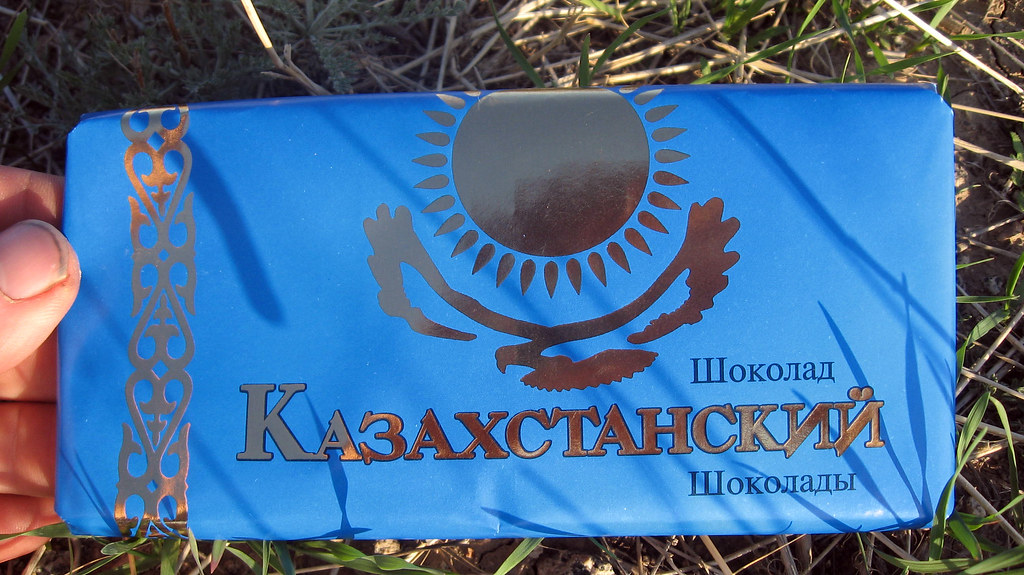 Kazakhstan
I would put Kazakh chocolate on the list for Kazakhstan because it is the kind of thing that feels useful once you are home, not just another airport purchase. Look for a boxed version with a decent date on it, especially if you are buying it near the start of the trip rather than at the airport. The reason it works is that it gives you a quick reminder of the trip without needing to keep a fragile ornament safe forever.
 New Zealand
Kiwifruit sweets is worth adding because it feels like something you actually noticed while travelling through New Zealand, rather than a generic souvenir. I would buy a couple of packets: one to open while travelling and one to bring home unopened, because snacks have a habit of disappearing before the flight. The ideal version is modestly priced, not too bulky, and good enough that you would buy it again even without the holiday memory.
 United States
When I think of an easy, crowd-pleasing thing to bring back from United States, maple bacon seasoning is a good pick because it does not need much explanation when you hand it over. The best version is usually the sealed jar, tin or packet from a normal supermarket, spice stall or food hall, not the most expensive tourist version. I would rate it higher when it is locally made, clearly labelled and easy to use at home, and lower when it is just tourist packaging.
 Croatia
Cherry liqueur associated with Zadar, used neat or in cocktails.
When I think of an easy, crowd-pleasing thing to bring back from Botswana, marula jam is a good pick because it does not need much explanation when you hand it over. The best version is usually the sealed jar, tin or packet from a normal supermarket, spice stall or food hall, not the most expensive tourist version. I would rate it higher when it is locally made, clearly labelled and easy to use at home, and lower when it is just tourist packaging.
 Mexico
Smoky agave spirit from Mexico, often sipped neat.
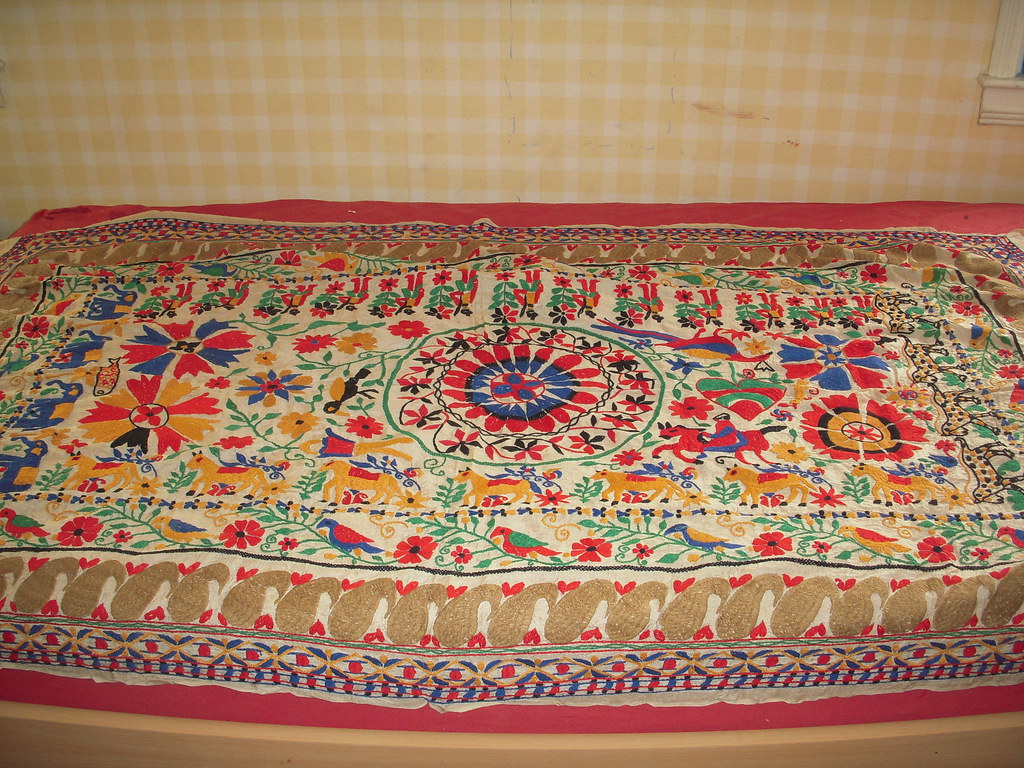 Bangladesh
Embroidered quilt or throw inspired by Bengali kantha stitching.
When I think of an easy, crowd-pleasing thing to bring back from Cameroon, ndolé spice mix is a good pick because it does not need much explanation when you hand it over. The best version is usually the sealed jar, tin or packet from a normal supermarket, spice stall or food hall, not the most expensive tourist version. I would rate it higher when it is locally made, clearly labelled and easy to use at home, and lower when it is just tourist packaging.
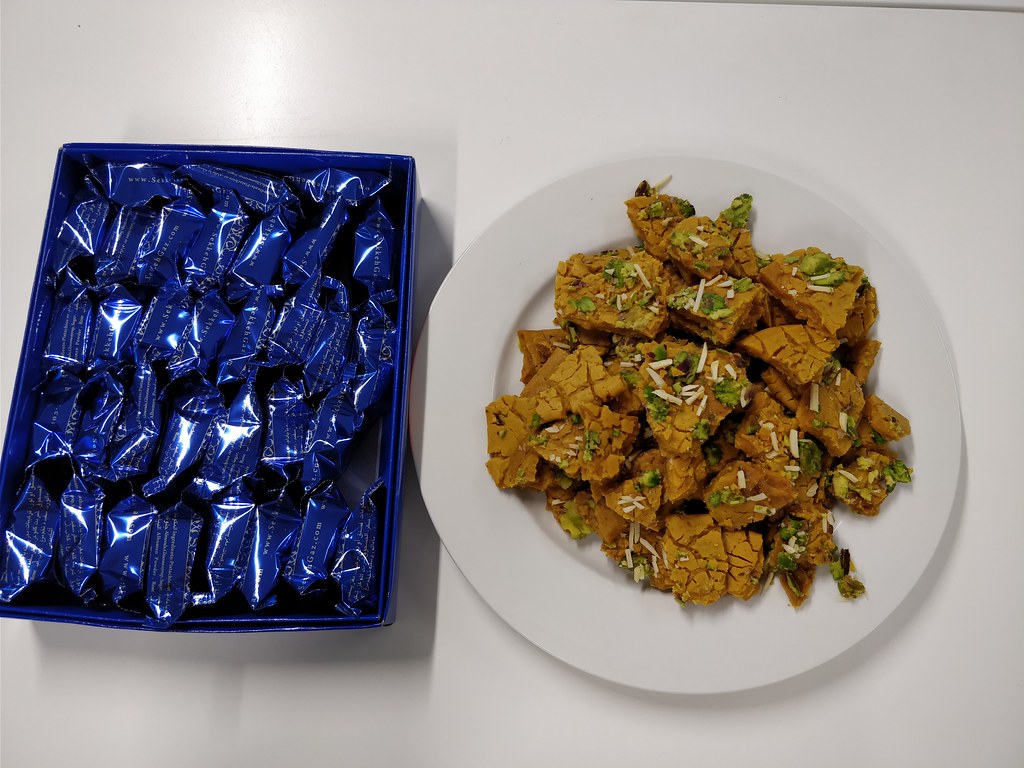 Iran
Iran
Persian nougat from Isfahan, often made with pistachios and rosewater.
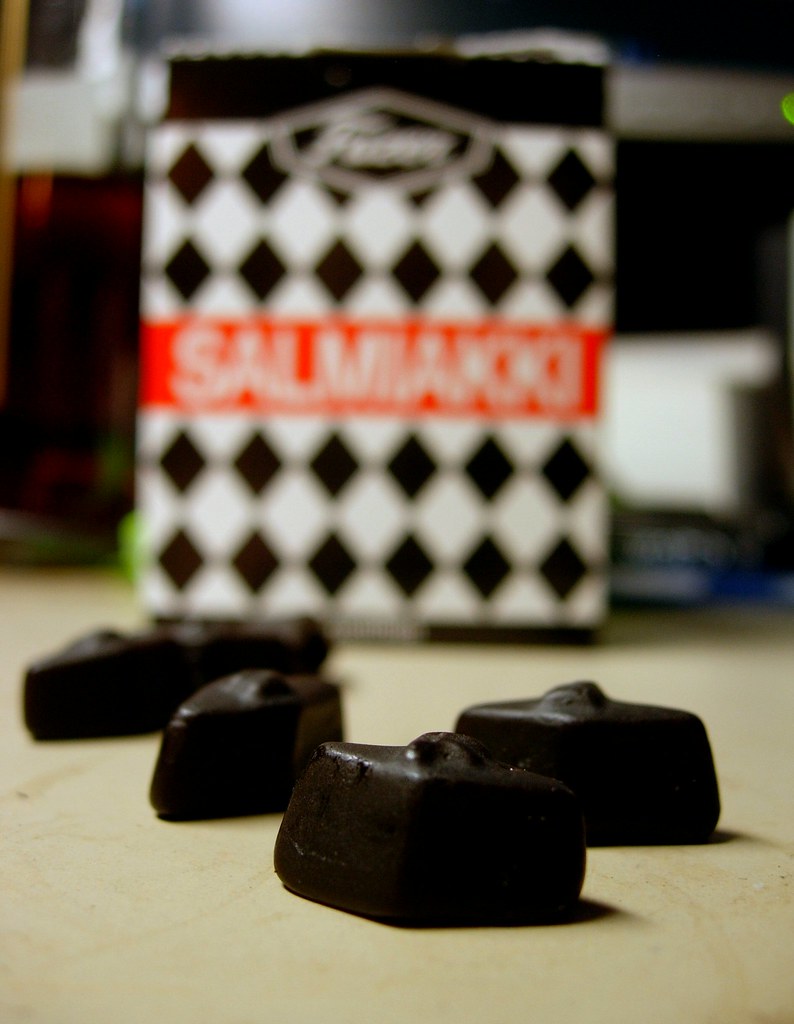 Finland
This is exactly the sort of thing I like bringing back from Finland: small enough to fit in a bag, but specific enough to remind you where you bought it. I would buy a couple of packets: one to open while travelling and one to bring home unopened, because snacks have a habit of disappearing before the flight. It is also the kind of thing you can talk about when someone asks what you brought back, because there is usually a little story attached to where you found it.
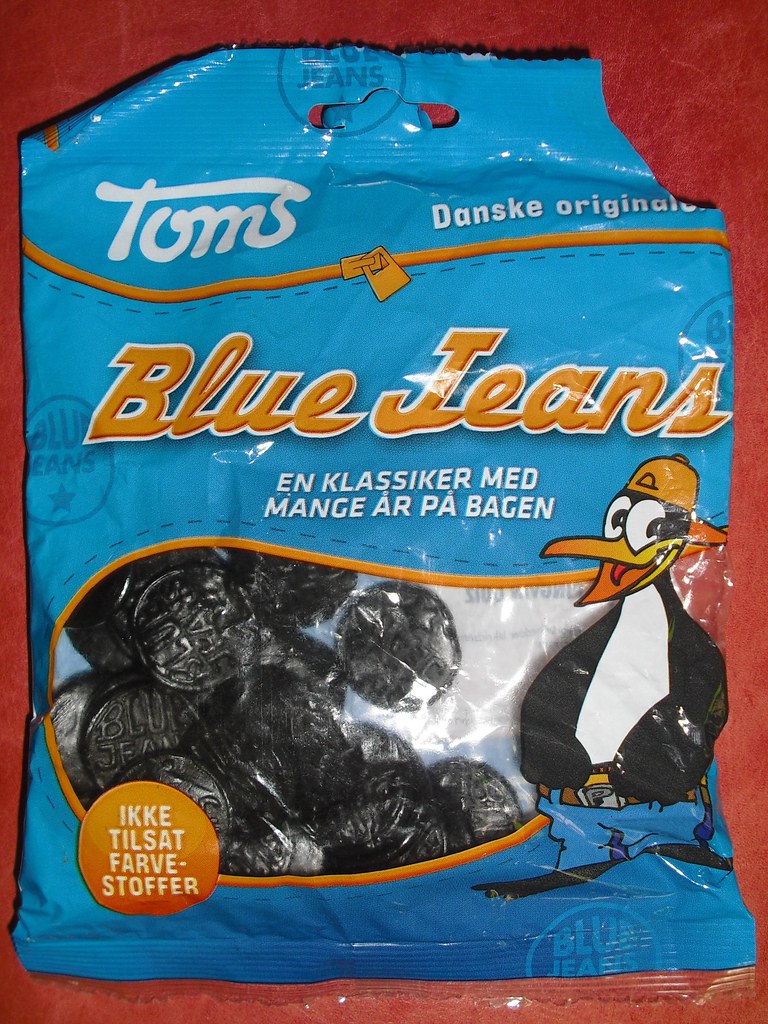 Sweden
Salt liquorice is worth adding because it feels like something you actually noticed while travelling through Sweden, rather than a generic souvenir. I would buy a couple of packets: one to open while travelling and one to bring home unopened, because snacks have a habit of disappearing before the flight. The ideal version is modestly priced, not too bulky, and good enough that you would buy it again even without the holiday memory.
Sambal tahai is worth adding because it feels like something you actually noticed while travelling through Brunei, rather than a generic souvenir. Tins and sealed products are the easiest version. Fresh or chilled fish is usually not worth the hassle unless you have checked the rules. The ideal version is modestly priced, not too bulky, and good enough that you would buy it again even without the holiday memory.
 Laos
Laos
Woven textile inspired by traditional Lao patterns.
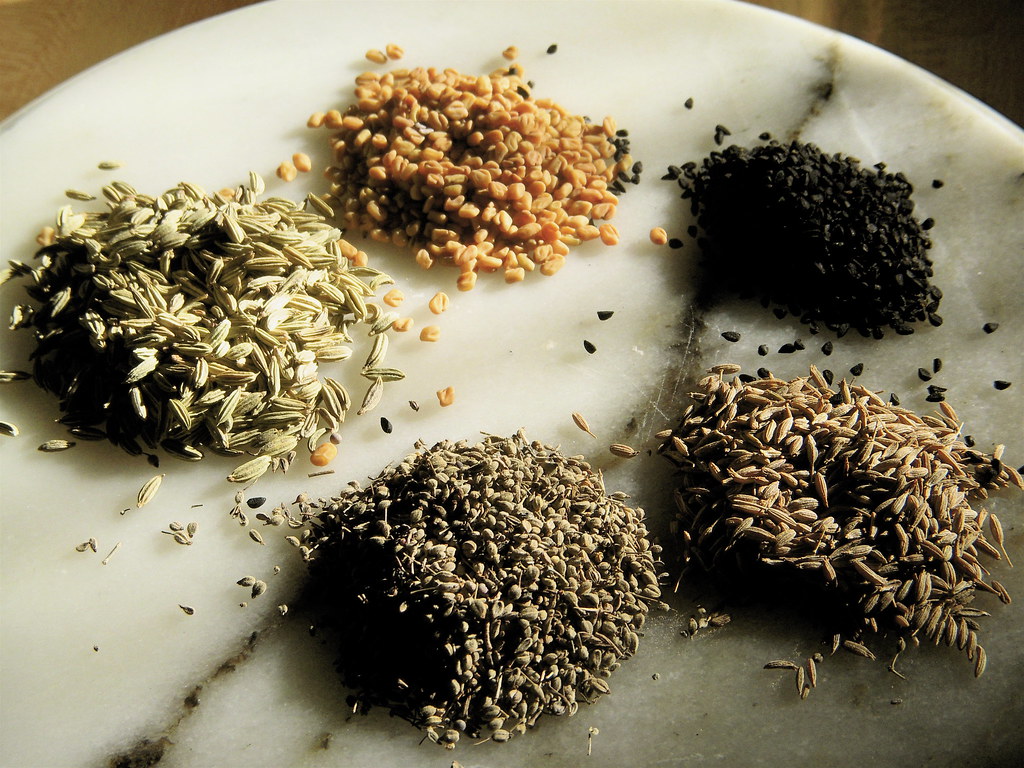 Bosnia & Herzegovina
This is exactly the sort of thing I like bringing back from Bosnia and Herzegovina: small enough to fit in a bag, but specific enough to remind you where you bought it. The best version is usually the sealed jar, tin or packet from a normal supermarket, spice stall or food hall, not the most expensive tourist version. It is also the kind of thing you can talk about when someone asks what you brought back, because there is usually a little story attached to where you found it.
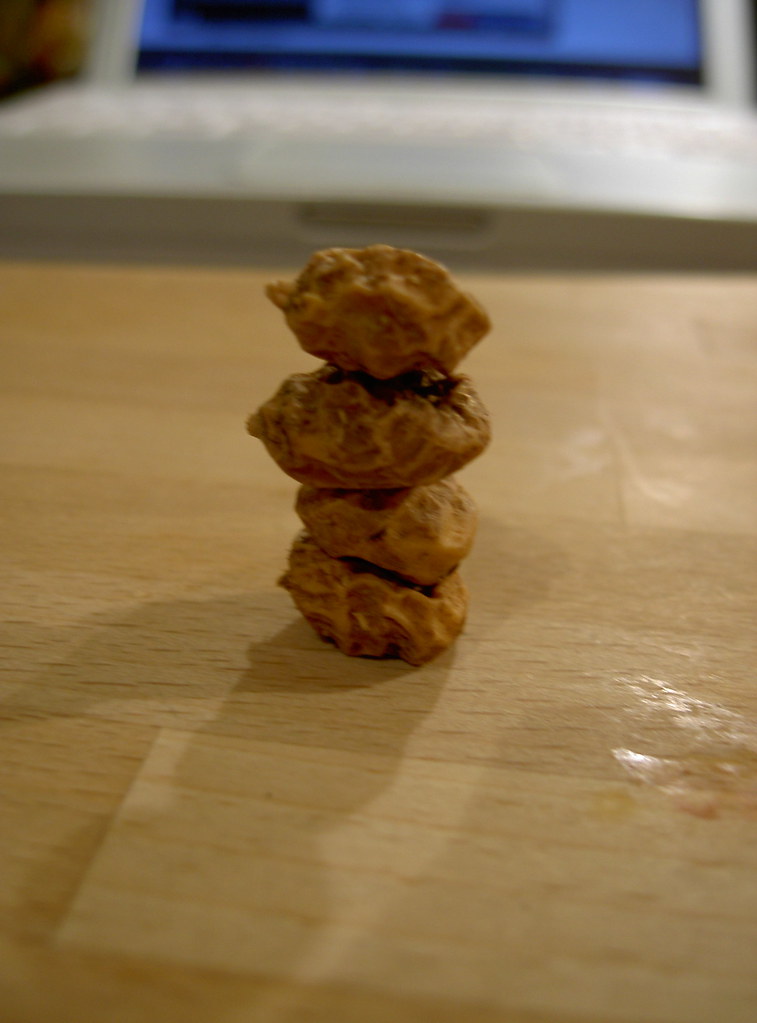 Ghana
Ghana
Tiger nut drink powder is worth adding because it feels like something you actually noticed while travelling through Ghana, rather than a generic souvenir. For drinks, I would bring a can or bottle for curiosity rather than fill a suitcase with it. The ideal version is modestly priced, not too bulky, and good enough that you would buy it again even without the holiday memory.
Wine from one of North Macedonia’s best-known wine regions.
 Maldives
Crisp tuna snack or dried fish product associated with island cuisine.
Wooden toucan ornament is worth adding because it feels like something you actually noticed while travelling through Costa Rica, rather than a generic souvenir. The trick is to choose the simple, well-made version. Small craft items look better on a shelf when they are not too shiny or mass-produced. The ideal version is modestly priced, not too bulky, and good enough that you would buy it again even without the holiday memory.
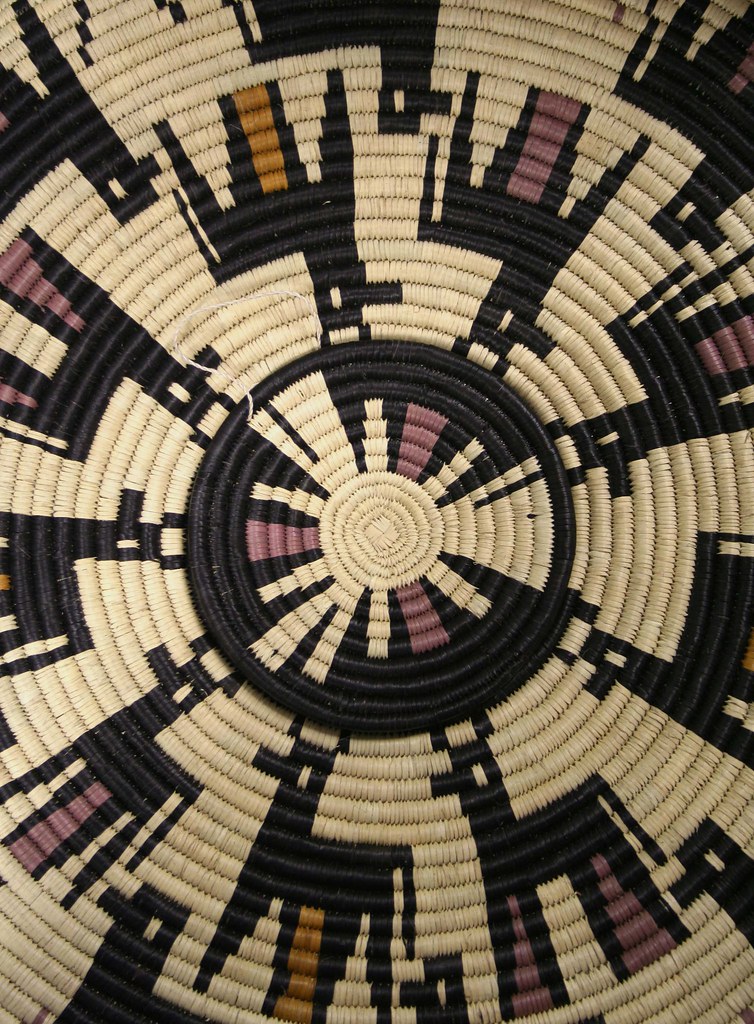 Cameroon
Woven grass basket is worth adding because it feels like something you actually noticed while travelling through Cameroon, rather than a generic souvenir. The trick is to choose the simple, well-made version. Small craft items look better on a shelf when they are not too shiny or mass-produced. The ideal version is modestly priced, not too bulky, and good enough that you would buy it again even without the holiday memory.
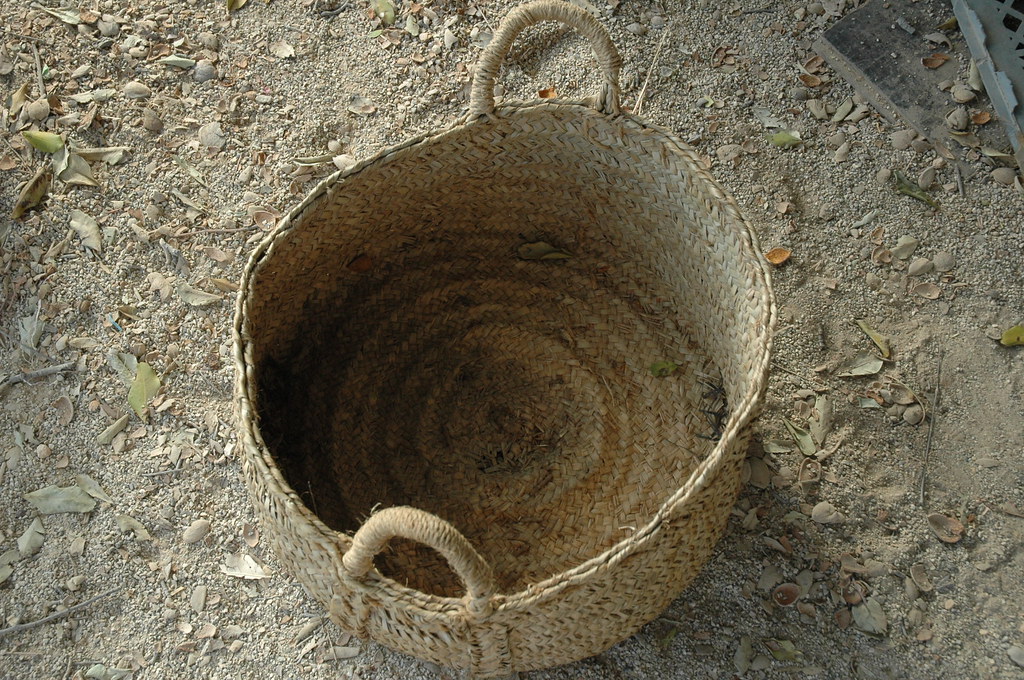 Belize
Woven palm basket is worth adding because it feels like something you actually noticed while travelling through Belize, rather than a generic souvenir. The trick is to choose the simple, well-made version. Small craft items look better on a shelf when they are not too shiny or mass-produced. The ideal version is modestly priced, not too bulky, and good enough that you would buy it again even without the holiday memory.
 Saudi Arabia
Soft dark dates from Medina, often bought as a premium gift.
 Ireland
Traditional knitted wool scarf or jumper inspired by Aran Island patterns.
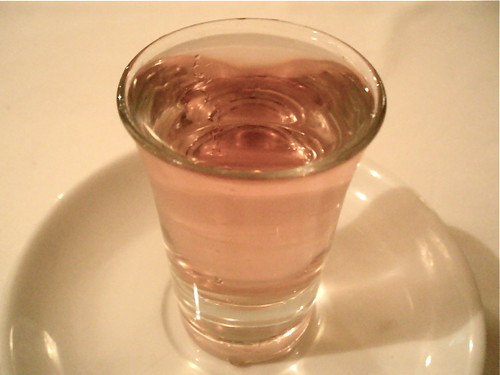 Malta
Malta
Prickly pear liqueur from Malta, usually served chilled.
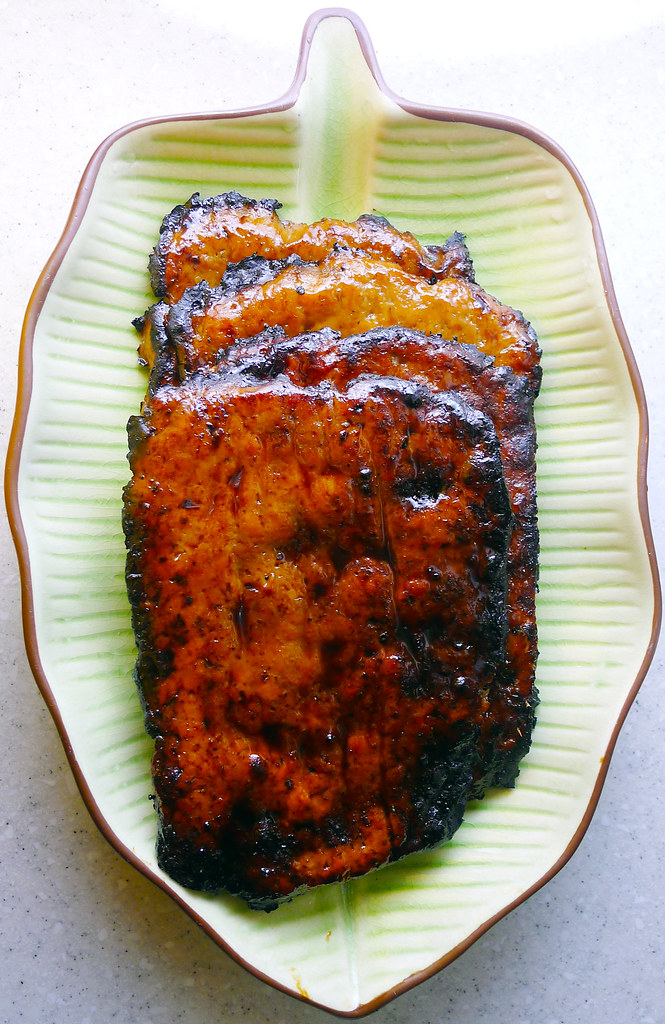 Singapore
This is exactly the sort of thing I like bringing back from Singapore: small enough to fit in a bag, but specific enough to remind you where you bought it. This is one to research before packing. If the rules are unclear, treat it as an idea to buy from a legal UK importer instead. It is also the kind of thing you can talk about when someone asks what you brought back, because there is usually a little story attached to where you found it.
 Papua New Guinea
String bag traditionally woven in Papua New Guinea.
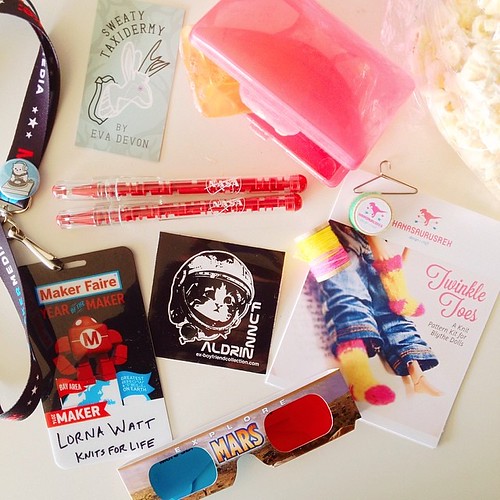 Mongolia
Soft, warm cashmere socks or scarf from Mongolia’s goat herding tradition.
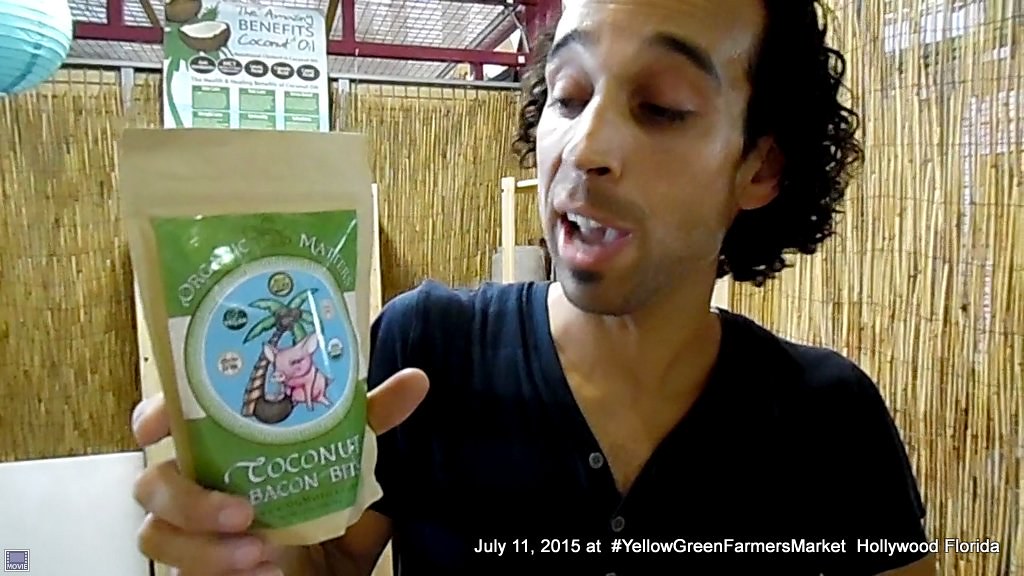 Kiribati
Toasted coconut chips, a lightweight island snack gift.
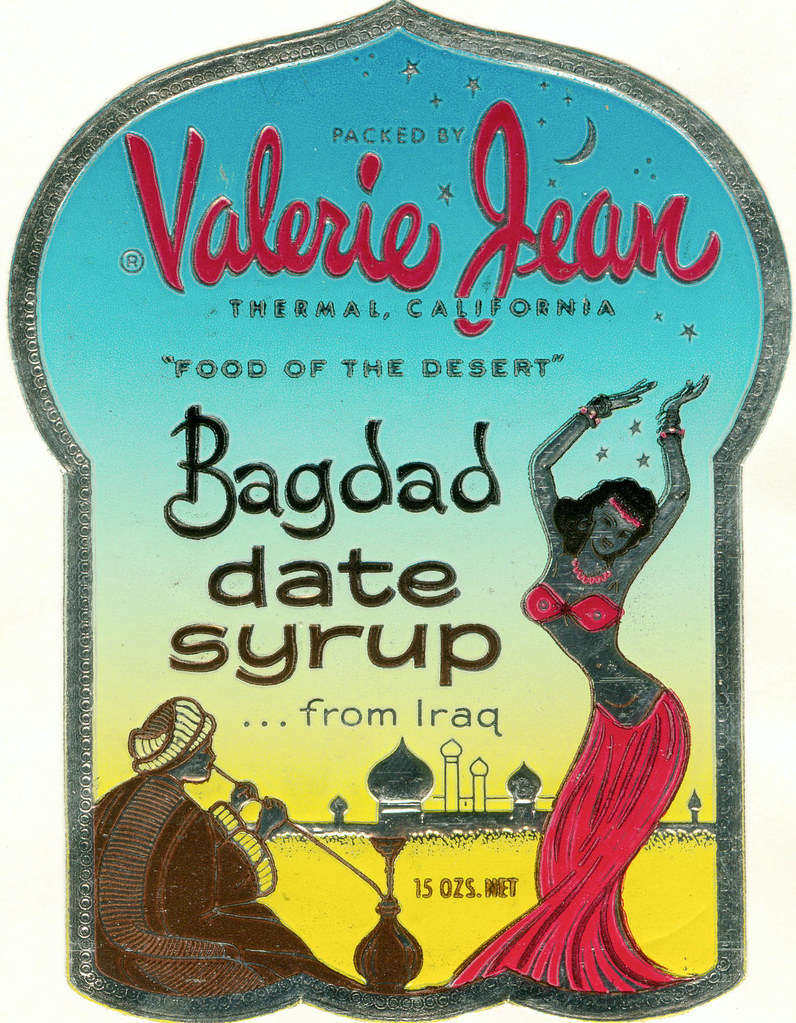 Israel
Dark sweet syrup made from dates, useful on yoghurt, pancakes and marinades.
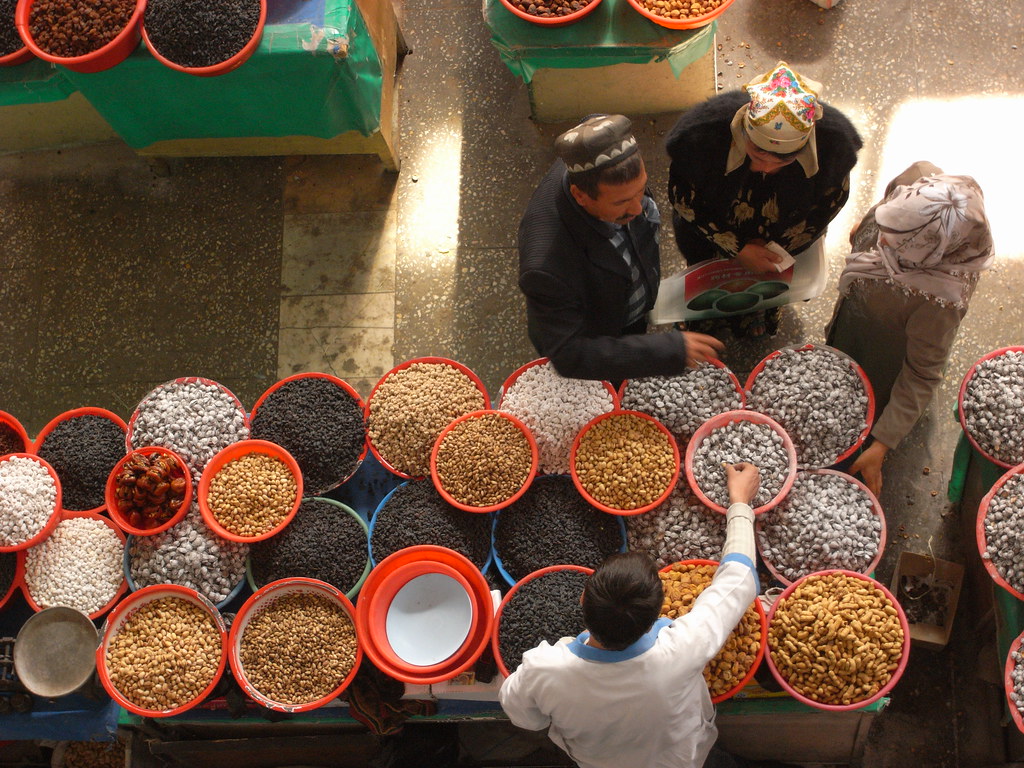 Uzbekistan
Sweet Central Asian dried apricots, good for snacking and baking.
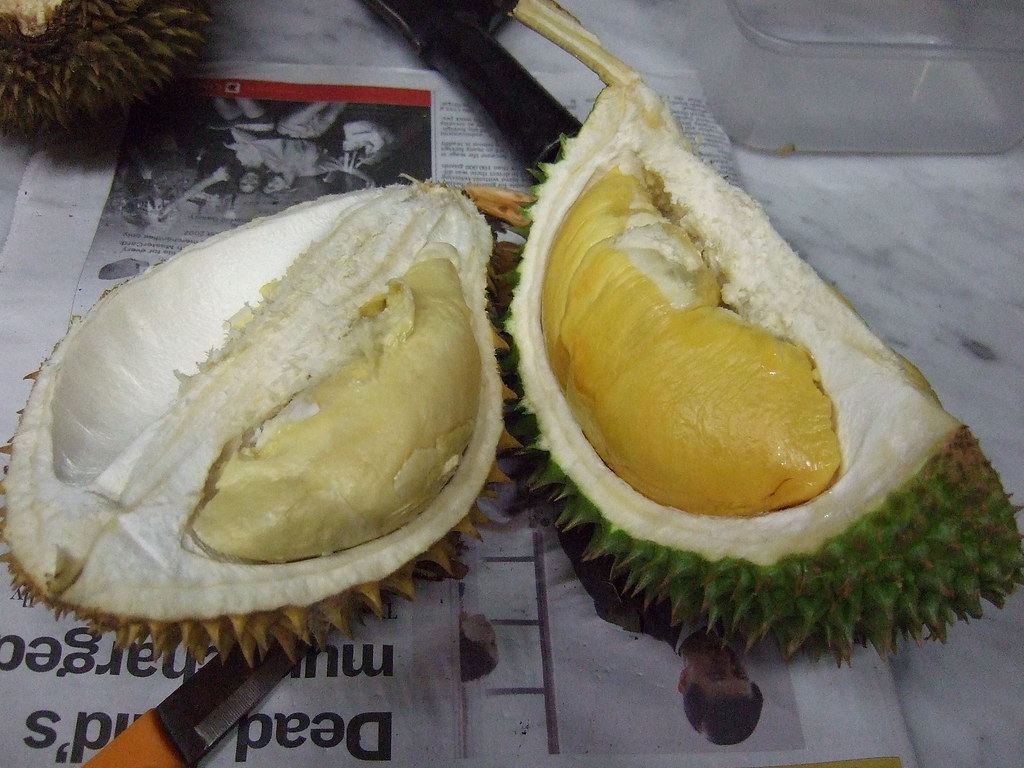 Malaysia
When I think of an easy, crowd-pleasing thing to bring back from Malaysia, durian sweets is a good pick because it does not need much explanation when you hand it over. I would buy a couple of packets: one to open while travelling and one to bring home unopened, because snacks have a habit of disappearing before the flight. I would rate it higher when it is locally made, clearly labelled and easy to use at home, and lower when it is just tourist packaging.
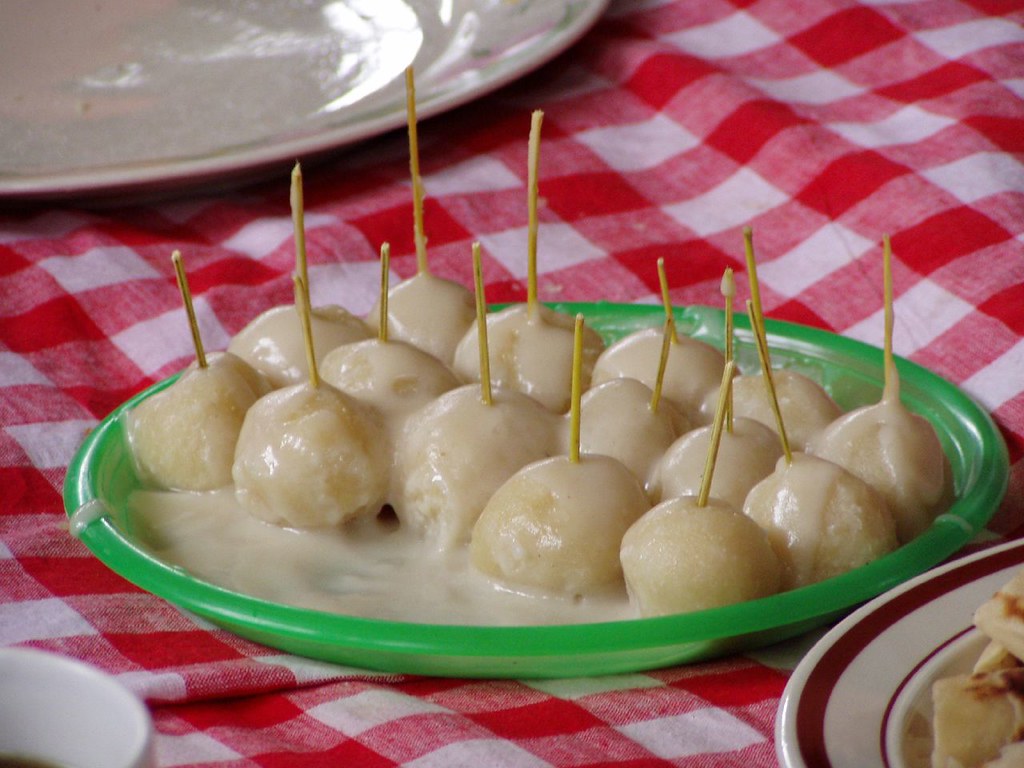 Fiji
Fiji
Scented soap or body products using coconut and tropical fragrances.
 Guatemala
Coffee beans from Antigua, Huehuetenango and other highland regions.
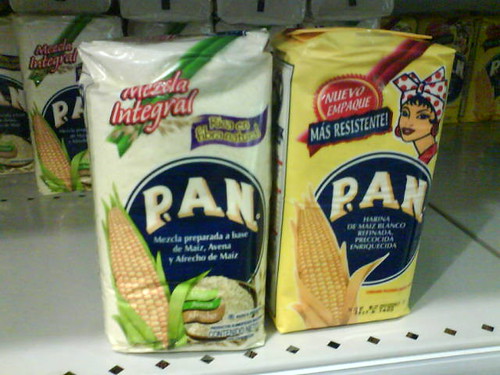 Venezuela
Pre-cooked corn flour used for arepas and empanadas.
 Estonia
Traditional roasted grain mix used in desserts, yoghurt or smoothies.
 Fiji
Fiji
Traditional Pacific drink made from kava root; legality and suitability vary.
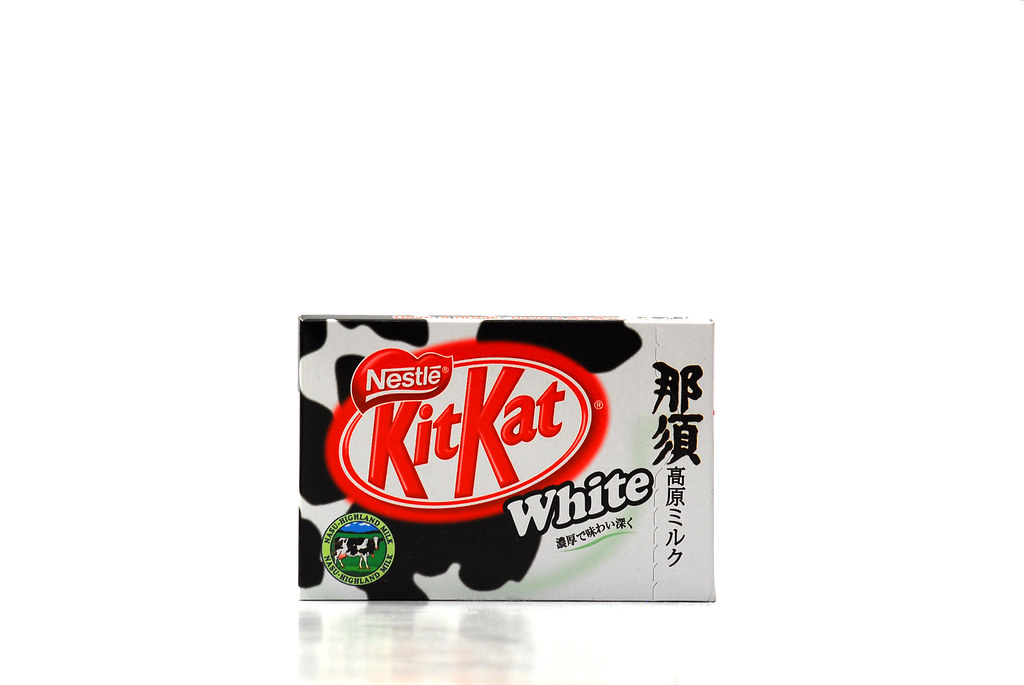 Japan
Japan
Japanese KitKats in flavours such as matcha, strawberry or sake-inspired editions.
 Algeria
Semolina date-filled pastries often flavoured with honey or orange blossom.
Smoky chilli seasoning used in Chilean cooking.
 Bangladesh
Pungent oil used in Bengali cooking and pickles.
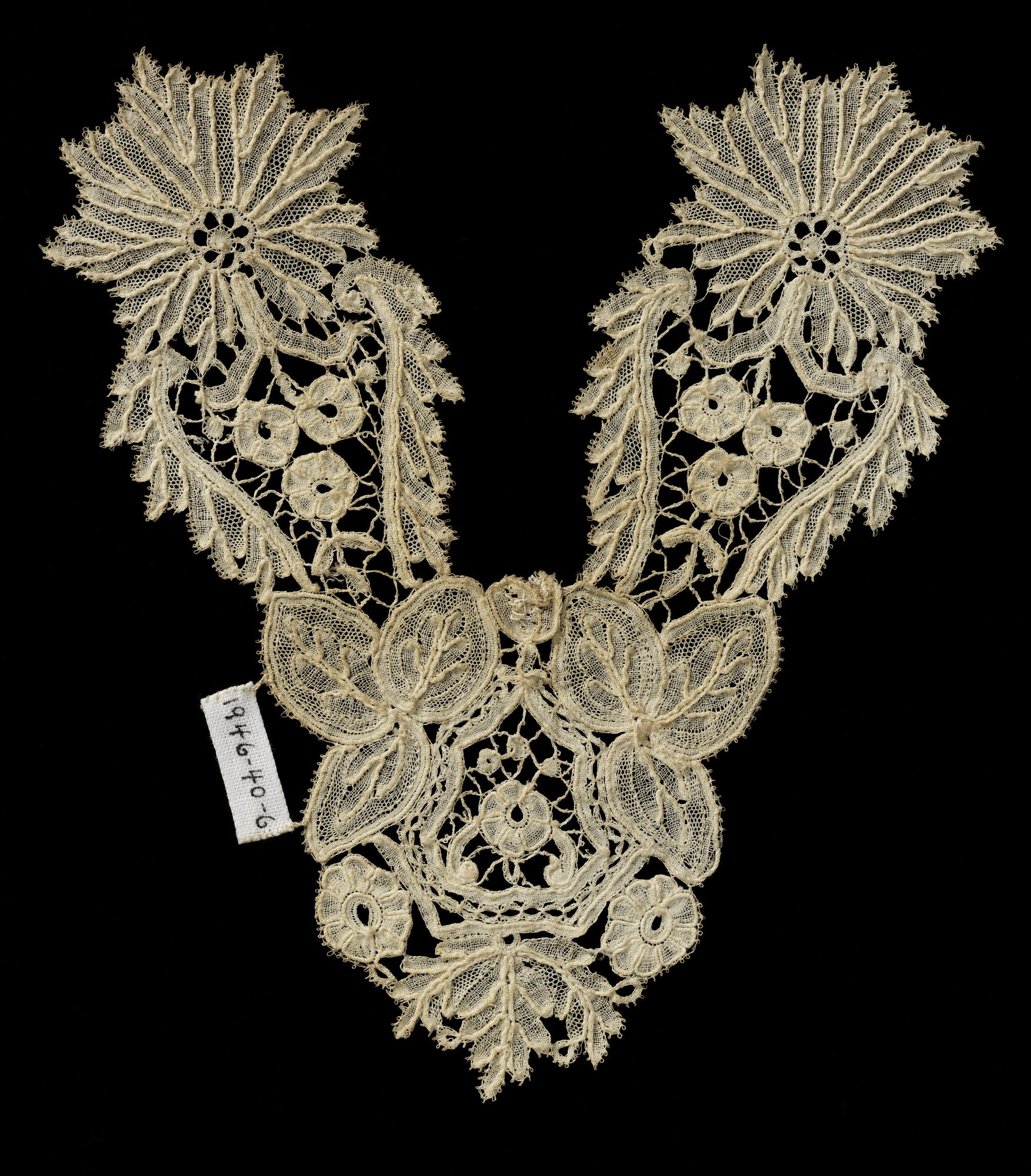 Paraguay
Delicate Paraguayan needle lace with spiderweb-like patterns.
 Cameroon
Textile accessory inspired by Cameroonian royal blue-and-white patterns.
 France
Anise-flavoured aperitif from southern France, usually diluted with cold water.
 Peru
Peru
Grape brandy used in pisco sours and other cocktails.
 Slovenia
Nutty oil popular in Slovenia and neighbouring regions.
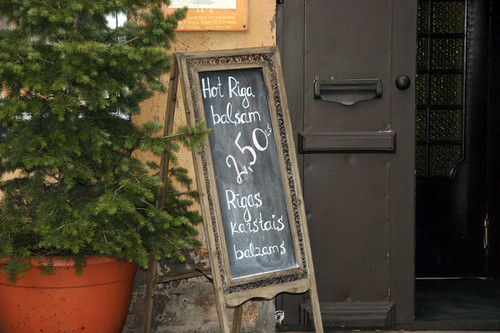 Latvia
Dark herbal liqueur from Latvia, often used in cocktails.
 Switzerland
Rivella soft drink is worth adding because it feels like something you actually noticed while travelling through Switzerland, rather than a generic souvenir. For drinks, I would bring a can or bottle for curiosity rather than fill a suitcase with it. The ideal version is modestly priced, not too bulky, and good enough that you would buy it again even without the holiday memory.
 Botswana
Rooibos-style bush tea is worth adding because it feels like something you actually noticed while travelling through Botswana, rather than a generic souvenir. It is a good one because people can try it slowly at home, and it makes a nicer gift than a mug with a place name printed on it. The ideal version is modestly priced, not too bulky, and good enough that you would buy it again even without the holiday memory.
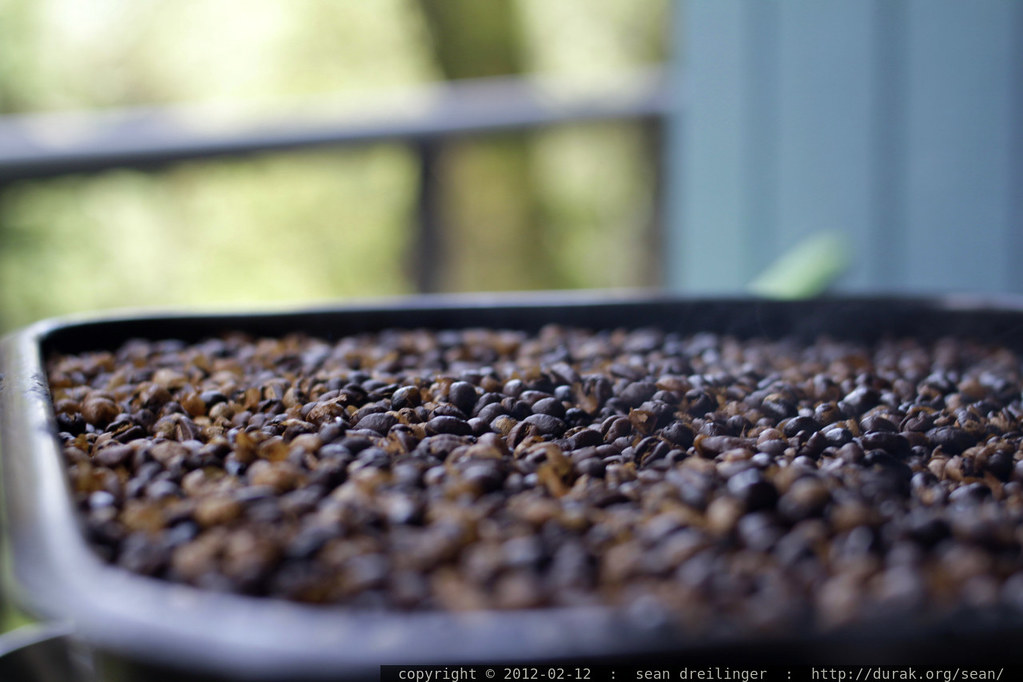 Tanzania
Distinctive coffee beans with rounded peaberry shape and bright flavour.
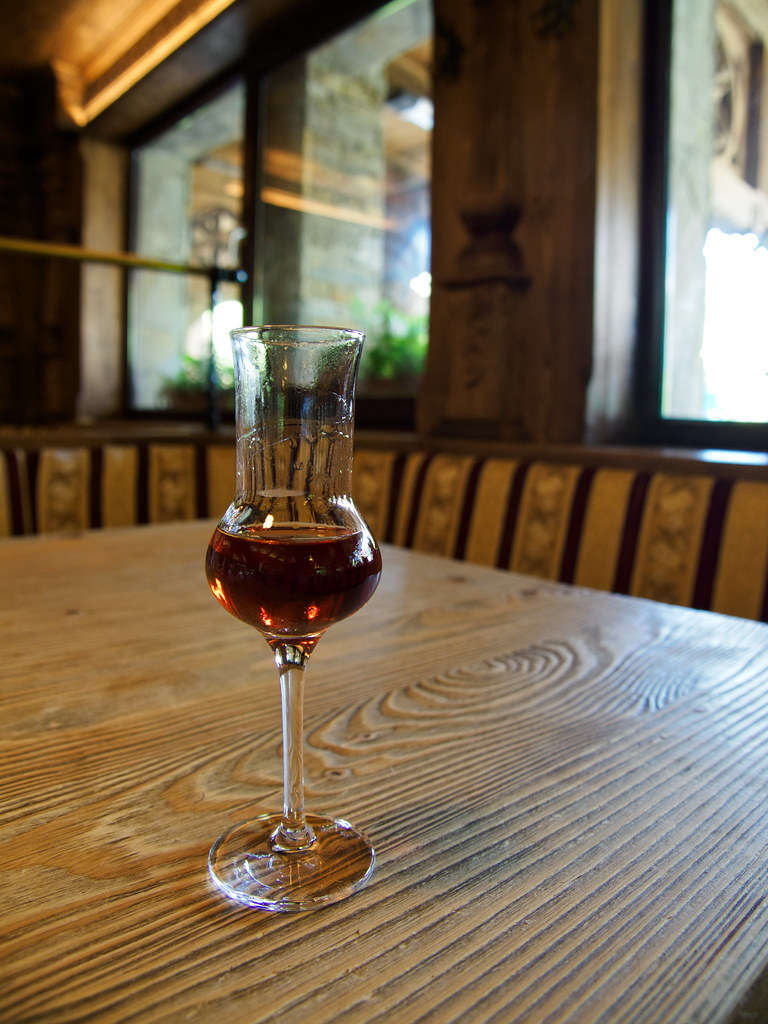 Slovakia
Tea-based herbal liqueur from Slovakia’s Tatra region.
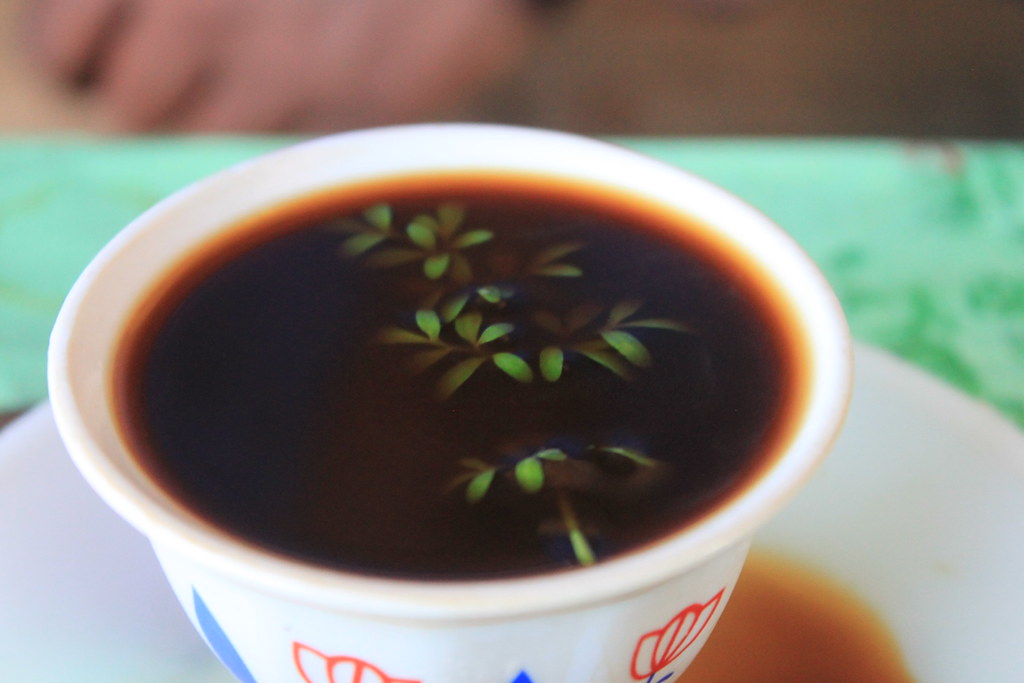 Ethiopia
Floral, citrusy Ethiopian coffee from one of the world’s best-known origins.
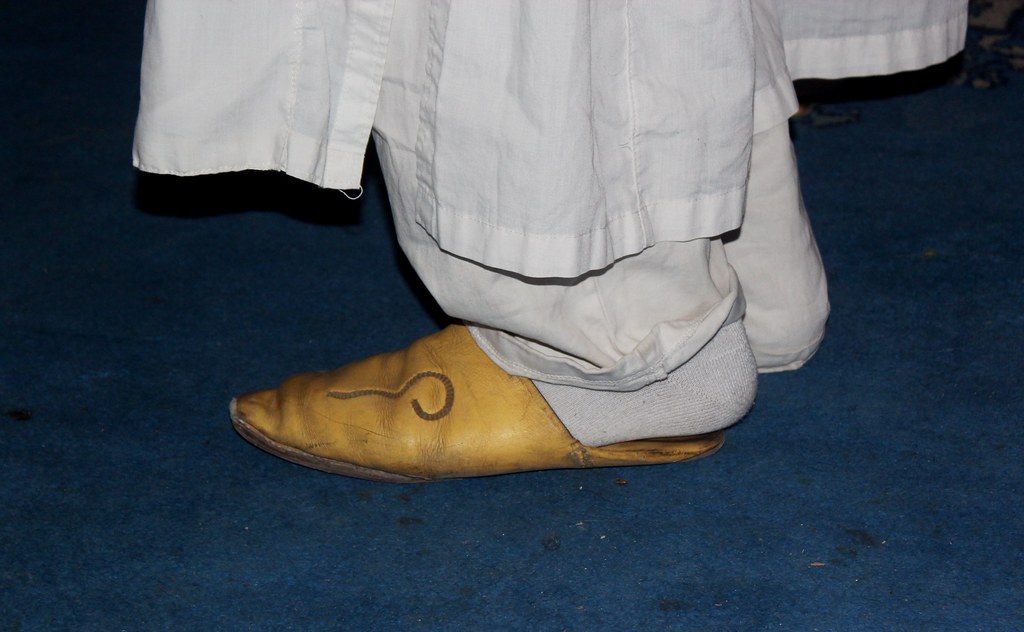 Morocco
Traditional leather slippers in bright colours, sold in souks.
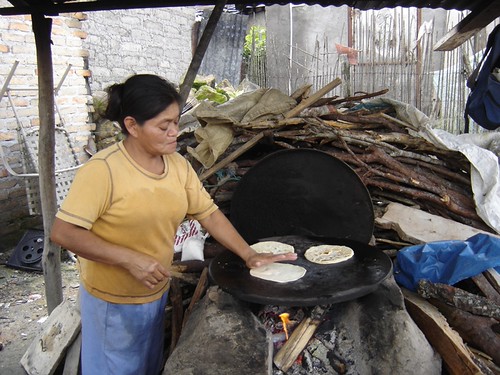 Honduras
Flour tortilla mix for making Honduran baleadas at home.
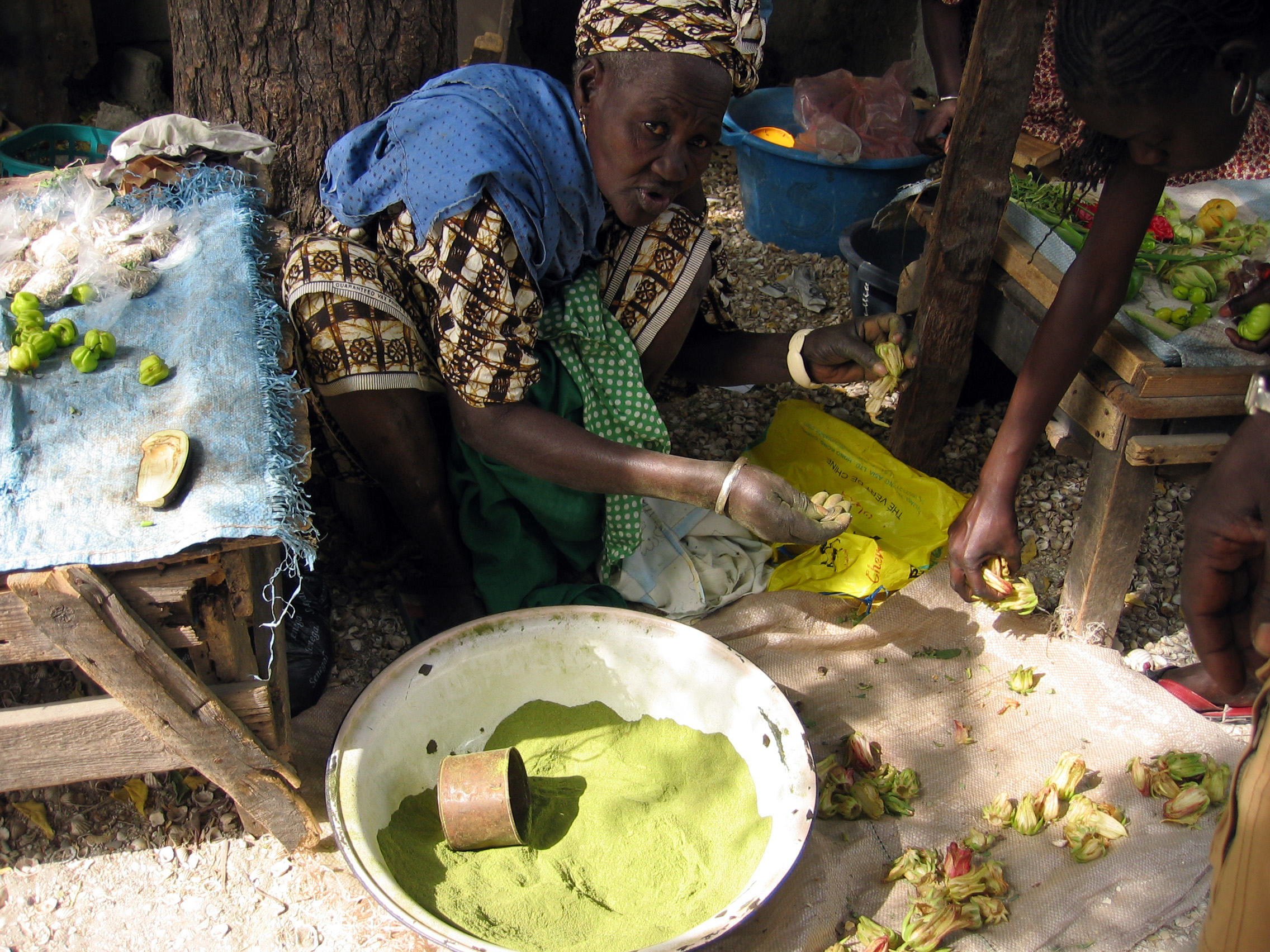 Senegal
Tangy fruit powder used in drinks, smoothies and desserts.
 Germany
German-designed cork footbed sandals; practical holiday purchase.
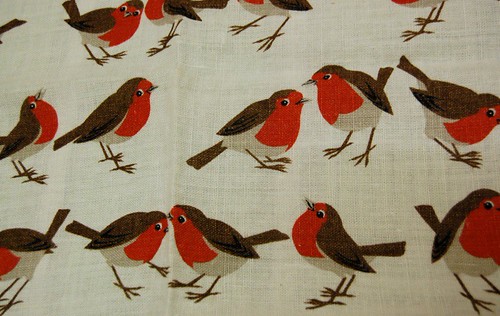 Lithuania
Durable linen towel or napkins, a practical Baltic textile gift.
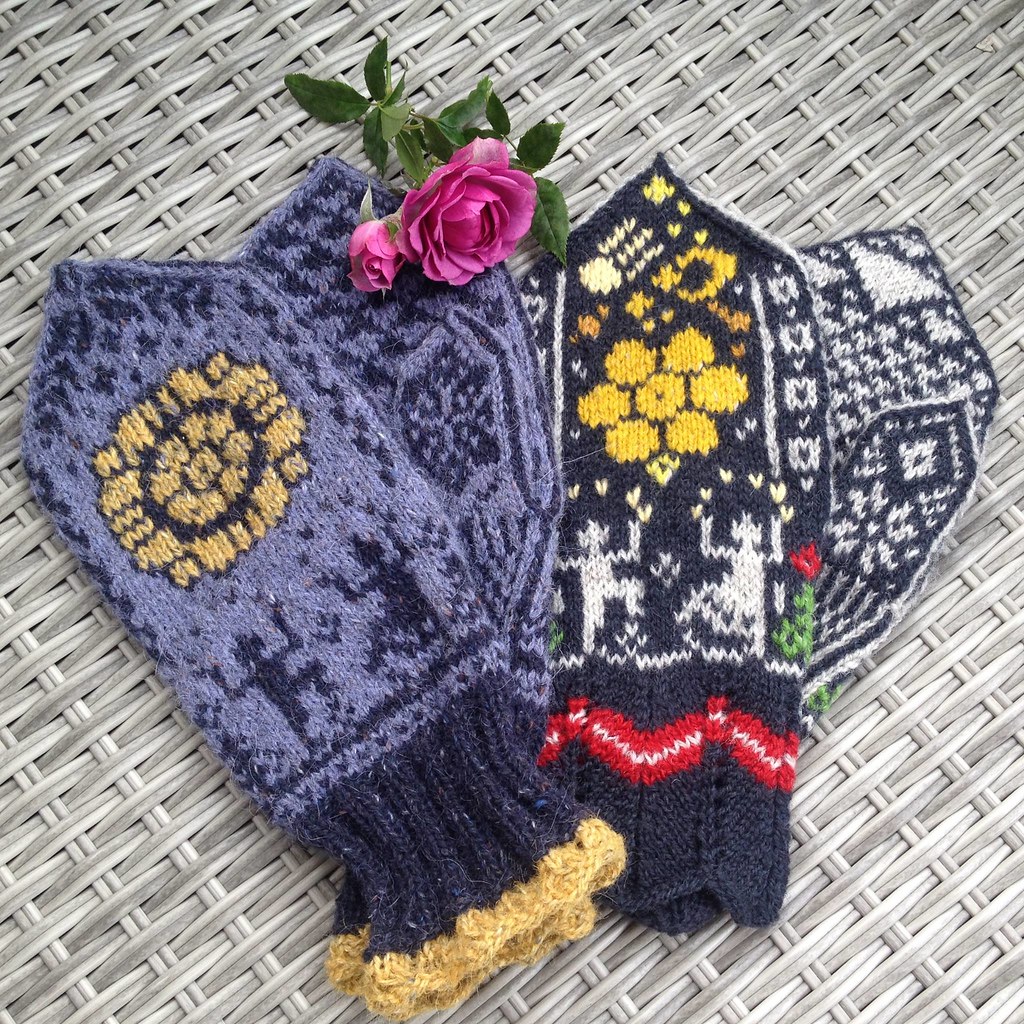 Norway
Warm patterned wool mittens or socks, practical and distinctive.
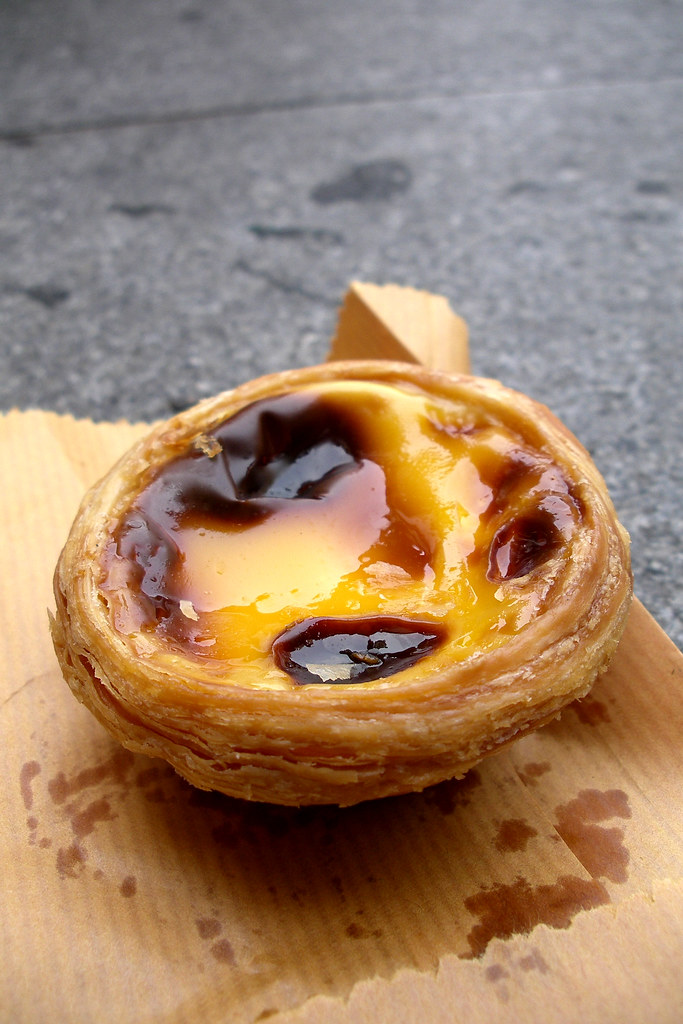 Portugal
Custard tart kits or shelf-stable versions inspired by Lisbon’s famous pastry.
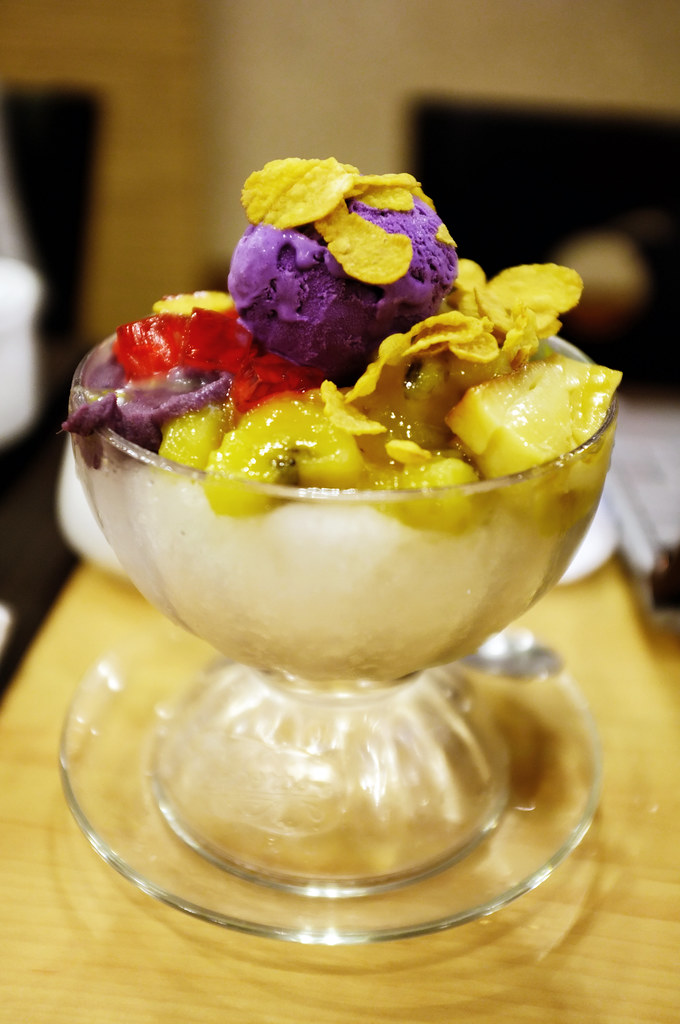 Philippines
Purple yam jam used in Filipino desserts and cakes.
 Estonia
Sweet spiced rum-based Estonian liqueur.
When I think of an easy, crowd-pleasing thing to bring back from Kazakhstan, kumis-inspired sweets is a good pick because it does not need much explanation when you hand it over. I would buy a couple of packets: one to open while travelling and one to bring home unopened, because snacks have a habit of disappearing before the flight. I would rate it higher when it is locally made, clearly labelled and easy to use at home, and lower when it is just tourist packaging.
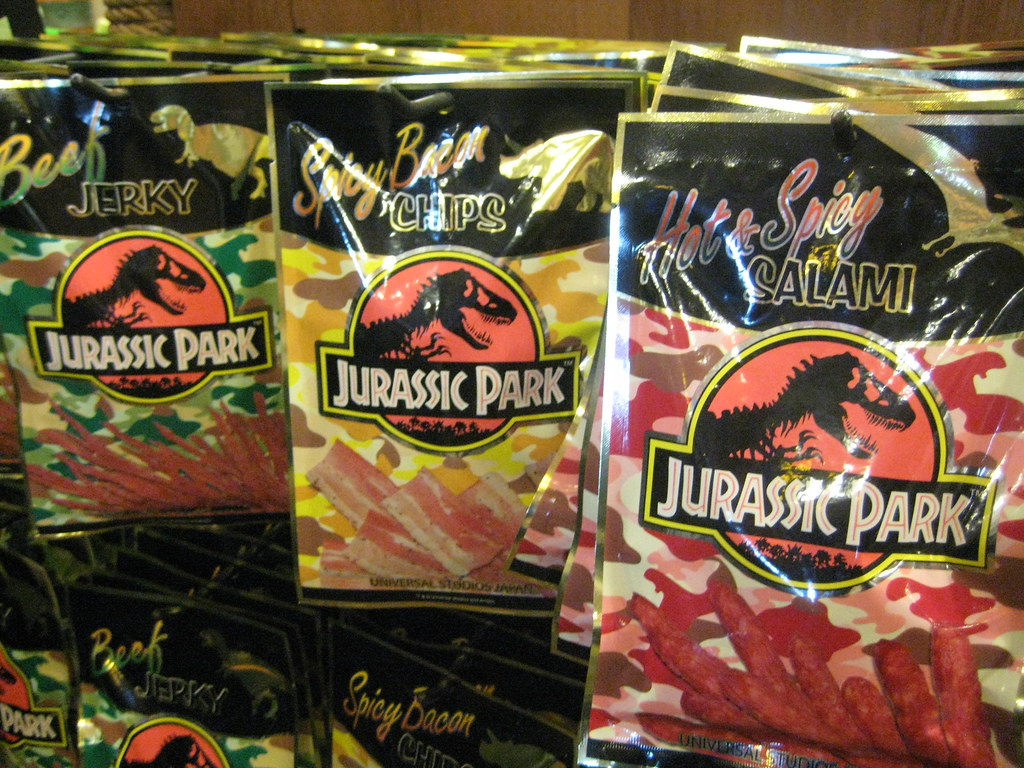 Botswana
I would put Mopane worm snack pack on the list for Botswana because it is the kind of thing that feels useful once you are home, not just another airport purchase. I would buy a couple of packets: one to open while travelling and one to bring home unopened, because snacks have a habit of disappearing before the flight. The reason it works is that it gives you a quick reminder of the trip without needing to keep a fragile ornament safe forever.